- 01Refilling a shortfall is not treating thyroid disease
A supplement can refill a raw material a blood test shows you lack (iron, iodine, vitamin B12, vitamin D). It cannot replace the hormone a damaged gland no longer makes, which is why the American Thyroid Association names levothyroxine as the treatment and advises against supplements for hypothyroidism 1. Selenium is the partial exception: it lowers an antibody number in Hashimoto's 2, but a lower number has not been shown to change how people feel 8.
No supplement treats thyroid disease, but a blood test can show whether iron, vitamin B12, vitamin D or iodine is low, and selenium has trials in Hashimoto's antibodies and mild Graves' eye disease. Which of these applies depends on which of three people you are: someone diagnosed and taking levothyroxine, someone with raised thyroid antibodies and a normal TSH (thyroid-stimulating hormone, the main blood test of how hard the thyroid is being pushed), or someone with tired, cold, foggy symptoms whose thyroid labs came back normal. For the third, the useful next step is usually a different workup, and a pill aimed at a thyroid that is working can push it out of range.
Can a supplement fix your thyroid?
The thyroid needs three raw materials from food. Iodine is built into the hormone itself, selenium powers the enzymes that protect the gland and convert T4 (the storage hormone) into T3 (the active one), and iron runs thyroid peroxidase, the enzyme that assembles the hormone; T3 vs T4 explains the pair. A shortfall in any of the three can slow the gland. Once disease is established, though, the problem is a gland that cannot make enough hormone, usually because of Hashimoto's disease, where the immune system slowly damages the gland, and more raw material does not rebuild it. The American Thyroid Association's 2014 hypothyroidism guideline recommends against dietary supplements, nutraceuticals and other over-the-counter products as a treatment for hypothyroidism, and names levothyroxine as the standard treatment 1. Refilling a shortfall is not treating thyroid disease.
The three readers need different answers. If you have hypothyroidism and take levothyroxine, supplements matter mainly when a test finds a deficiency or when one blocks your tablet from being absorbed. If you have raised antibodies and a normal TSH, the supplements for Hashimoto's with trial data come down to selenium, and the Hashimoto's disease guide covers the condition itself. If your labs are normal and you still feel exhausted, foggy or always cold, thyroid normal but not yourself works through the usual explanations, and none of them is fixed by a thyroid supplement.
Thyroid supplements ranked by evidence
The table covers what people buy as the best supplements for thyroid health, including the products with no good evidence, ranked from strongest to weakest. "Good if low" means the nutrient corrects a measured deficiency and has no proven thyroid benefit in someone who is not low.
| Supplement | What the evidence shows | Quality of evidence | Who should avoid it or take care | Test that decides |
|---|---|---|---|---|
| Selenium, for Hashimoto's antibodies | Lowered TPO antibodies across 35 trials, with or without levothyroxine; free T4 and free T3 unchanged 2; no clear effect on quality of life 8 | Moderate for the antibody drop; unproven for symptoms | TPO-positive pregnancy 5; people at risk of diabetes 6; anyone already taking selenium in a multivitamin | TPO antibodies, serum selenium |
| Selenium, for mild Graves' eye disease | Improved eye involvement and quality of life over 6 months 3 | Guideline-backed for mild, recent eye disease 7; less certain where diets are selenium-replete | Moderate or severe eye disease, which needs specialist treatment | TSH receptor antibody, eye exam |
| Iron | Corrects iron deficiency, which can sit behind tiredness on treatment | Good if low | Normal or high ferritin; hemochromatosis (inherited iron overload); space it from levothyroxine 17 | Ferritin, iron studies |
| Vitamin B12 | Corrects deficiency, found in about 27% of people with hypothyroidism across studies 15 | Good if low | Few people; injections if the gut cannot absorb it | Vitamin B12 |
| Vitamin D | A meta-analysis of 12 small trials found lower thyroid antibodies 14 | Good if low; thin for antibodies | High blood calcium, kidney stones, sarcoidosis | 25-OH vitamin D |
| Iodine | Needed to build hormone; helps only when intake is low; advised in pregnancy 5 | Guideline-backed in pregnancy; otherwise only if intake is low | Hashimoto's, Graves', nodules or levothyroxine: avoid high-dose iodine, kelp or extra tablets; a standard 150 mcg prenatal in pregnancy is still advised unless your clinician says otherwise 5 | Diet history; TSH |
| Myo-inositol with selenium | Lowered TSH and antibodies in small trials from a few researchers, not independently confirmed 16 | Thin | Pregnancy without your clinician's input | TSH, TPO antibodies |
| Zinc | Deficiency lowers thyroid hormone; no benefit shown in people who are not low | Thin | Long-term use without a reason, which can drain copper | Zinc, if deficiency is suspected |
| Magnesium | Lower levels seen alongside thyroid disease; no trials of benefit | Thin | Kidney disease; space it from levothyroxine | None useful |
| Ashwagandha | One 8-week trial in 50 people with subclinical hypothyroidism (a mildly high TSH with a normal free T4) raised T3 and T4 11 | Thin, and it can push levels | Hyperthyroidism, Graves', thyroid medicine, pregnancy, breastfeeding 12 | TSH, free T4 |
| L-tyrosine | The body makes its own; no trial shows a thyroid benefit | None | Hyperthyroidism, thyroid medicine, MAOI antidepressants | None |
| Sea moss and kelp | Iodine content is unmeasured and varies widely 10 | None | Any thyroid disease, pregnancy | None |
| "Thyroid support" glandular blends | Hidden T3 in 9 of 10 products tested in 2013, T4 in 5 4 | None | Everyone | TSH, free T4 |
| Biotin | No thyroid benefit; high doses distort thyroid tests 13 | None for the thyroid | Anyone due a thyroid blood test | None |
The thyroid supplements, each in more depth
 Moderate evidenceSeleniumTrials in Hashimoto's lowered TPO antibodies; no proven effect on how people feel, and toxicity starts above the upper limit.In our shop
 Good if lowVitamin DCorrects a low 25-OH vitamin D; small trials in Hashimoto's found lower antibodies.In our shop
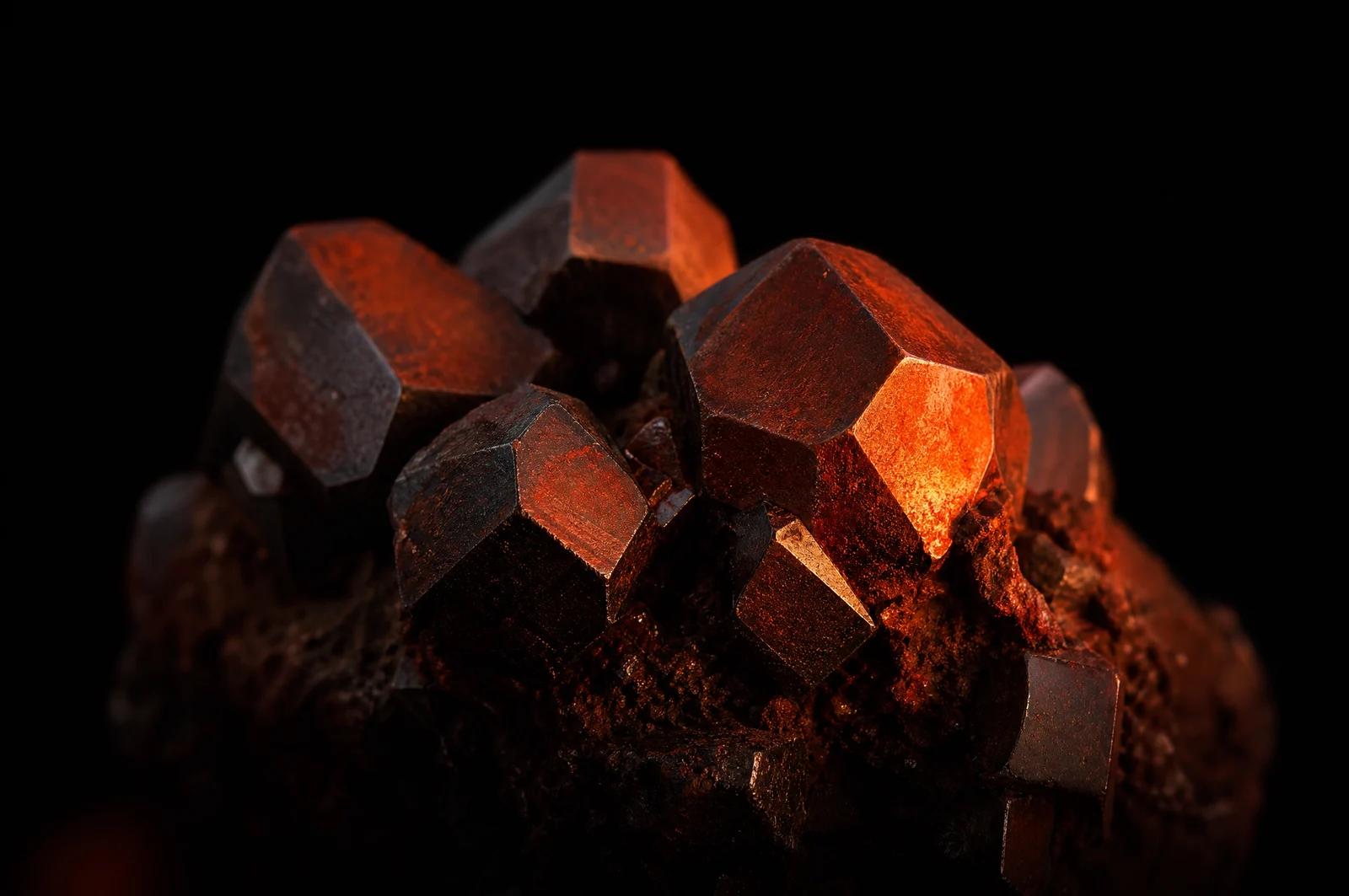 Good if ferritin is lowIronRestores low ferritin, which can sit behind ongoing tiredness on treatment.In our shop
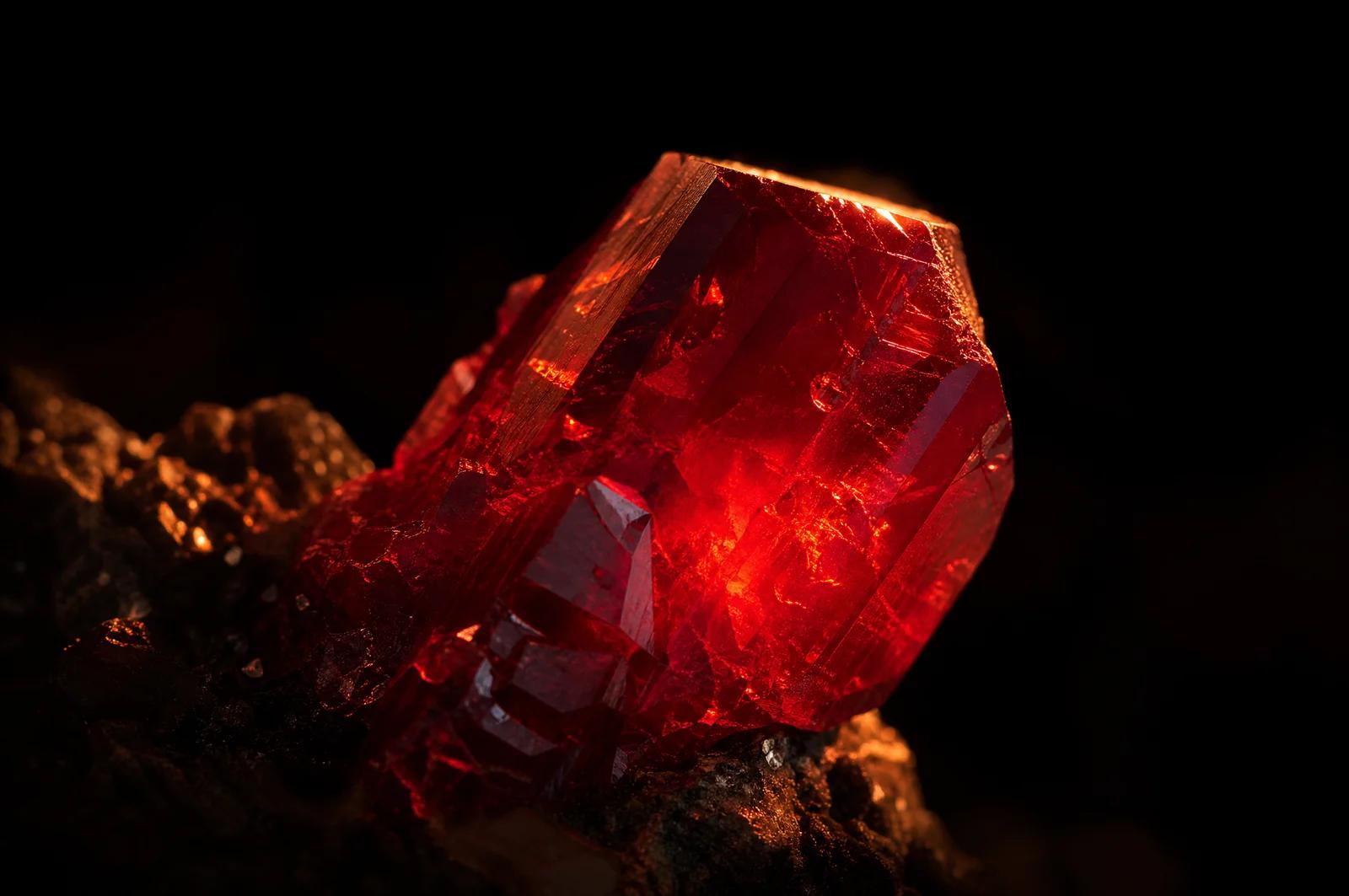 Good if B12 is lowVitamin B12Corrects a deficiency that is more common in hypothyroidism.In our shop
Which one fits your situation?
| Your situation | What has evidence | The test that decides |
|---|---|---|
| High TPO antibodies, normal TSH | Selenium is the one nutrient with antibody trials; lower antibodies are not yet proven to change outcomes. Ask your clinician how often to recheck TSH, since raised antibodies make later hypothyroidism more likely | TPO antibodies, TSH, serum selenium |
| On levothyroxine and still tired | Look for iron, B12 or vitamin D deficiency before anything else, and check tablet timing | Ferritin, vitamin B12, 25-OH vitamin D, TSH |
| Vegan, dairy-free or using sea salt instead of iodized salt | Iodine intake may be low; food or a measured iodide source, discussed with a clinician | Diet history; TSH and free T4 |
| Pregnant or planning pregnancy | Guidelines advise a prenatal with 150 mcg of iodine as potassium iodide, and advise against selenium if TPO-positive 5; confirm with your obstetric clinician | TSH, free T4, TPO antibodies |
| Graves' disease with gritty, red or bulging eyes | Ask an eye specialist about a 6-month selenium course for mild disease 3 7 | TSH receptor antibody, eye exam |
| Normal thyroid labs, symptoms anyway | No thyroid supplement; look at other causes | Repeat TSH, ferritin, B12, a wider panel |
Selenium has the most trials, and clear limits
In Hashimoto's disease, selenium lowers TPO antibodies, the immune proteins aimed at thyroid peroxidase. A 2024 meta-analysis of 35 randomized trials found TPO antibodies fell (standardized mean difference -0.96, across 29 trial groups and 2,358 people) in people taking levothyroxine and in people who were not, though results varied widely between trials. In those not on levothyroxine, TSH fell slightly, while free T4 and free T3 did not change, and side effects were as common on placebo 2. TPO antibodies mark the thyroid problem as autoimmune; they do not measure how well the gland works, which is read from TSH. A 2017 review of the outcomes people notice found no clear effect on quality of life or thyroid ultrasound in people not on levothyroxine 8. So a selenium trial that lowers antibodies has changed a lab number, and trials have not shown that the change prevents thyroid failure or reliably improves how people feel.
There is no reliable proof it makes people feel better, prevents thyroid failure, or replaces thyroid medication, and above 400 mcg a day selenium becomes toxic, so more is not safer.
Most Hashimoto's trials used 200 mcg a day, usually as selenomethionine, the form found in food 2. As our selenium marker guide puts it, "the adult RDA is 55 mcg a day and the upper limit 400 mcg." Food, a multivitamin and a selenium tablet all count toward that 400 mcg, and one Brazil nut can carry 68 to 91 mcg, more than the daily RDA, with the amount varying by the soil it grew in 9. The long-term risk shows up in the NPC (Nutritional Prevention of Cancer) trial: among 1,202 people given 200 mcg of selenium a day or placebo for an average of 7.7 years, type 2 diabetes developed in 58 on selenium and 39 on placebo (hazard ratio 1.55) 6. Garlic-smelling breath, a metallic taste, or brittle or falling-out hair or nails are signs of too much selenium 9; stop it and tell your clinician. The American Thyroid Association advises against selenium for TPO-positive women during pregnancy 5.
Where 200 mcg of selenium a day, the usual trial dose, falls against the daily limitsmcg/day
Graves' disease, the autoimmune cause of an overactive thyroid, is the one place a guideline backs selenium. In a 6-month trial of 159 people with mild Graves' orbitopathy (eye involvement with grittiness, redness, puffy lids or mild bulging), sodium selenite 100 mcg twice a day beat placebo, and the benefit held at 12 months 3. On the strength of that trial, the European Group on Graves' Orbitopathy's 2021 guideline recommends a 6-month course for mild, recent eye disease, which your eye specialist can advise on 7. The trial was run in European areas where selenium intake is marginal; whether it helps people who already get enough selenium, as most Americans do 9, is less certain 7. Sudden loss of vision, new double vision or eye pain needs same-day care, and selenium does not treat it. The TSH receptor antibody test identifies Graves', and Hashimoto's vs Graves' sets the two side by side.
Selenium administration significantly improved quality of life, reduced ocular involvement, and slowed the progression of the disease in patients with mild Graves' orbitopathy.Marcocci C et al., New England Journal of Medicine, 2011 3
Iron, B12 and vitamin D help when a test says you're low
The vitamins for thyroid health that matter most are the ones a test shows you lack, and iron is the clearest case for testing first. Thyroid peroxidase depends on iron, and low ferritin (the body's iron store) can come from heavy periods or from autoimmune gastritis, an immune attack on the stomach lining that cuts iron absorption and occurs more often alongside autoimmune thyroid disease. Low iron can leave someone on levothyroxine tired with a normal TSH. Iron taken without a test can cause constipation and nausea, can overload people with hemochromatosis, an inherited condition that stores too much iron, and binds levothyroxine in the gut 17. Iron studies explained reads ferritin with the other iron tests, and the iron deficiency guide covers causes.
| Nutrient | What points to it | Test | Retest after |
|---|---|---|---|
| Iron | Tiredness, breathlessness on stairs, heavy periods, hair shedding | Ferritin, iron studies | 3 to 6 months |
| Vitamin B12 | Pins and needles, a sore tongue, memory trouble, a high MCV | Vitamin B12 | 3 to 6 months |
| Vitamin D | Often nothing; little sun, darker skin, mostly indoor days | 25-OH vitamin D | 3 to 6 months |
Vitamin B12 deficiency is more common in hypothyroidism: a 2023 meta-analysis found about 27% of people with hypothyroidism were deficient 15. Pernicious anemia, an autoimmune condition that blocks B12 absorption, clusters with autoimmune thyroid disease. A high MCV (larger-than-normal red cells) on a blood count is one clue; a vitamin B12 test decides, and the B12 deficiency guide explains the borderline zone.
Vitamin D is the weakest of the three. A 2023 meta-analysis of 12 small trials in 862 people with Hashimoto's found vitamin D lowered TPO and thyroglobulin antibodies, more so in courses longer than 12 weeks 14, but the trials differed widely, and low vitamin D may be a consequence of illness rather than a cause of thyroid autoimmunity. A 25-OH vitamin D result settles whether you are low; trials report it in ng/mL or nmol/L, and the vitamin D converter switches between them.
Iodine helps only when intake is low, except in pregnancy
Adults need 150 mcg of iodine a day, rising to 220 mcg in pregnancy and 290 mcg when breastfeeding, and the adult upper limit is 1,100 mcg 10. Most US adults get enough from iodized salt, dairy, eggs and seafood. The people who fall short are vegans, people who avoid dairy, and anyone who has swapped iodized salt for sea, pink or Celtic salt, which carry almost none; vegan nutrient deficiencies covers the gaps, and the iodine deficiency guide covers the signs. In Hashimoto's or Graves' disease, extra iodine can tip the gland into making too little or too much hormone 10, so more iodine does not help a thyroid that already has enough. Cabbage, broccoli, kale and soy foods in normal amounts are not a thyroid problem when iodine intake is adequate 10; soy matters mainly because it can lower levothyroxine absorption, so keep it consistent.
Pregnancy is the exception where a supplement is advised for nearly everyone. The American Thyroid Association recommends a daily supplement containing 150 mcg of iodine as potassium iodide when planning pregnancy, while pregnant and while breastfeeding, and advises avoiding a sustained intake above 500 mcg a day in pregnancy 5; supplements for pregnancy covers the rest of the prenatal. A urine iodine test reflects the last day or two of meals; its cutoffs were built for populations, so one result cannot show that one person is deficient.
Myo-inositol, zinc and magnesium have thin evidence
Myo-inositol, a sugar alcohol the body uses in hormone signalling, lowered TSH and both thyroid antibodies when added to selenium in a 6-month trial of 168 people with Hashimoto's and mildly raised TSH 16. Most of the myo-inositol trials come from a small circle of researchers, and large independent trials have not confirmed them.
Zinc deficiency can lower thyroid hormone output, and the zinc deficiency guide lists who is at risk. Trials of zinc in people who are not deficient are tiny, and long-term zinc can cause copper deficiency.
Magnesium levels run lower in some people with thyroid disease, but no trial shows that taking it improves thyroid function, and magnesium can bind levothyroxine in the gut.
What to skip or be careful with
Products sold as "thyroid support" are the riskiest thing in this aisle. When researchers analyzed 10 of them in 2013, 9 contained T3 and 5 contained T4; taken as labelled, 5 would deliver more than 10 mcg of T3 a day, and some exceeded common treatment doses for hypothyroidism 4. Hidden thyroid hormone can cause thyrotoxicosis: a racing or irregular heart, tremor, anxiety, sweating and weight loss. It also suppresses TSH, so a clinician may misread the result as an overactive thyroid. Chest pain, fainting or a very fast heartbeat at rest needs emergency care the same day.
Ashwagandha can shift thyroid levels. In an 8-week trial of 50 adults with subclinical hypothyroidism, 600 mg a day of root extract raised T3 and T4 and lowered TSH compared with placebo 11, and as our ashwagandha guide notes, "case reports describe an overactive thyroid." NCCIH's ashwagandha fact sheet says it is not recommended for people who have autoimmune or thyroid disorders, and that it should be avoided in pregnancy and not used while breastfeeding 12. Avoid it with hyperthyroidism or Graves' disease, and tell your prescriber before taking it with levothyroxine. L-tyrosine is the amino acid the thyroid builds hormone on, but the body makes plenty of its own from protein, and no trial shows a thyroid benefit; our tyrosine guide notes it may change thyroid hormone levels.
Biotin does nothing for the thyroid and distorts the blood tests that monitor it: in a JAMA study, 10 mg a day for a week gave false results on 9 of 23 biotin-based lab tests, including thyroid tests 13. Our biotin and blood tests guide puts the practical line plainly: "A multivitamin with about 30 mcg rarely matters." The 5,000 to 10,000 mcg doses in hair, skin and nail products can, so tell the lab whenever you take biotin.
Popular for the thyroid, with reasons for caution
 Thin evidence, real riskAshwagandhaA trial in subclinical hypothyroidism (a mildly high TSH with a normal free T4) found it raised thyroid hormone, and case reports describe an overactive thyroid.In our shop
Supplements to keep apart from levothyroxine
Several common supplements bind levothyroxine in the gut and lower how much reaches the blood, which can push TSH up even though the dose has not changed. The American Thyroid Association guideline advises taking levothyroxine on an empty stomach and keeping interfering products apart from it 1. Your pharmacist or prescriber can confirm the timing for your own tablets and routine.
When to take levothyroxine, and what to keep apart from it
| What | What the evidence shows | What to do |
|---|---|---|
| Iron (ferrous sulfate) | Taken with levothyroxine for 12 weeks, mean TSH rose from 1.6 to 5.4 mU/L in 14 people 17 | Take about 4 hours apart |
| Calcium carbonate | 1,200 mg of calcium a day, as calcium carbonate, taken with levothyroxine for 3 months lowered free T4 and raised TSH in 20 people 18 | Take about 4 hours apart |
| Soy and high-fiber meals | Lower absorption | Keep them consistent day to day; tell your prescriber about big diet changes |
| Acid reducers (PPIs, H2 blockers) | Less stomach acid lowers absorption | Cannot be spaced away; your prescriber may recheck TSH |
| Biotin | Distorts the blood test, not absorption 13 | Tell the lab; ask how long to pause before a draw |
TSH is the slow signal here. Our levothyroxine guide notes that TSH "takes about 6 weeks to settle after a dose change," so starting or stopping iron, calcium or a multivitamin taken every day is worth mentioning to your prescriber, who may recheck TSH 6 to 8 weeks later.
Test before you buy, and how to tell if it worked
A baseline panel shows which of these, if any, applies to you: TSH and free T4 (the hormone the thyroid releases) for how the gland is working, TPO and thyroglobulin antibodies for autoimmunity, and ferritin, B12 and 25-OH vitamin D for the deficiencies that blunt treatment. TSH vs free T4 explains how the first two read together. Serum selenium is worth discussing before taking selenium for months. How to read your thyroid panel walks through each line, and supplements based on your blood test covers the general method.
If a test does point to a supplement, pick one nutrient per bottle at a stated dose, ideally with a third-party seal such as USP Verified or NSF Certified. Selenomethionine for selenium and potassium iodide for iodine match the trials and guidelines above, vitamin D3 is the usual form of vitamin D, and for iron, ask whether a gentler form such as iron bisglycinate suits you.
Check these before any thyroid supplement
Retest the marker the supplement targets after 3 to 6 months: TPO antibodies for selenium, ferritin for iron, 25-OH vitamin D for vitamin D, B12 for B12. Antibody levels drift on their own, and about 1 in 9 Americans without known thyroid disease test positive for TPO antibodies 19, as our TPO antibody guide explains, so one lower result is weak proof that selenium did anything. If TSH changes after you start or stop a supplement, ask your clinician whether timing or absorption explains it before anyone changes a dose. The thyroid topic hub collects every related guide.
Free, no accountRead your blood testAlready have TSH, antibodies or ferritin on a report? Read every line of it, free.Read my results
Citations
- Jonklaas J et al. Guidelines for the treatment of hypothyroidism: prepared by the American Thyroid Association task force on thyroid hormone replacement. Thyroid 2014;24(12):1670-1751
- Huwiler VV et al. Selenium supplementation in patients with Hashimoto thyroiditis: a systematic review and meta-analysis of randomized clinical trials. Thyroid 2024;34(3):295-313
- Marcocci C et al. Selenium and the course of mild Graves' orbitopathy. N Engl J Med 2011;364(20):1920-1931
- Kang GY et al. Thyroxine and triiodothyronine content in commercially available thyroid health supplements. Thyroid 2013;23(10):1233-1237
- Alexander EK et al. 2017 Guidelines of the American Thyroid Association for the diagnosis and management of thyroid disease during pregnancy and the postpartum. Thyroid 2017;27(3):315-389
- Stranges S et al. Effects of long-term selenium supplementation on the incidence of type 2 diabetes: a randomized trial. Ann Intern Med 2007;147(4):217-223
- Bartalena L et al. The 2021 European Group on Graves' orbitopathy (EUGOGO) clinical practice guidelines for the medical management of Graves' orbitopathy. Eur J Endocrinol 2021;185(4):G43-G67
- Winther KH et al. Insufficient documentation for clinical efficacy of selenium supplementation in chronic autoimmune thyroiditis, based on a systematic review and meta-analysis. Endocrine 2017;55(2):376-385
- NIH Office of Dietary Supplements. Selenium: fact sheet for health professionals
- NIH Office of Dietary Supplements. Iodine: fact sheet for health professionals
- Sharma AK et al. Efficacy and safety of ashwagandha root extract in subclinical hypothyroid patients: a double-blind, randomized placebo-controlled trial. J Altern Complement Med 2018;24(3):243-248
- National Center for Complementary and Integrative Health. Ashwagandha
- Li D et al. Association of biotin ingestion with performance of hormone and nonhormone assays in healthy adults. JAMA 2017;318(12):1150-1160
- Tang J et al. Effects of vitamin D supplementation on autoantibodies and thyroid function in patients with Hashimoto's thyroiditis: a systematic review and meta-analysis. Medicine 2023;102(52):e36759
- Benites-Zapata VA et al. Vitamin B12 levels in thyroid disorders: a systematic review and meta-analysis. Front Endocrinol 2023;14:1070592
- Nordio M, Basciani S. Myo-inositol plus selenium supplementation restores euthyroid state in Hashimoto's patients with subclinical hypothyroidism. Eur Rev Med Pharmacol Sci 2017;21(2 Suppl):51-59
- Campbell NR et al. Ferrous sulfate reduces thyroxine efficacy in patients with hypothyroidism. Ann Intern Med 1992;117(12):1010-1013
- Singh N, Singh PN, Hershman JM. Effect of calcium carbonate on the absorption of levothyroxine. JAMA 2000;283(21):2822-2825
- Hollowell JG et al. Serum TSH, T4, and thyroid antibodies in the United States population (1988 to 1994): National Health and Nutrition Examination Survey (NHANES III). J Clin Endocrinol Metab 2002;87(2):489-499
Educational context only, not medical advice or a diagnosis. Always discuss your results with a clinician.