

The readers
The most complete read of your results you'll get. Free, every time.
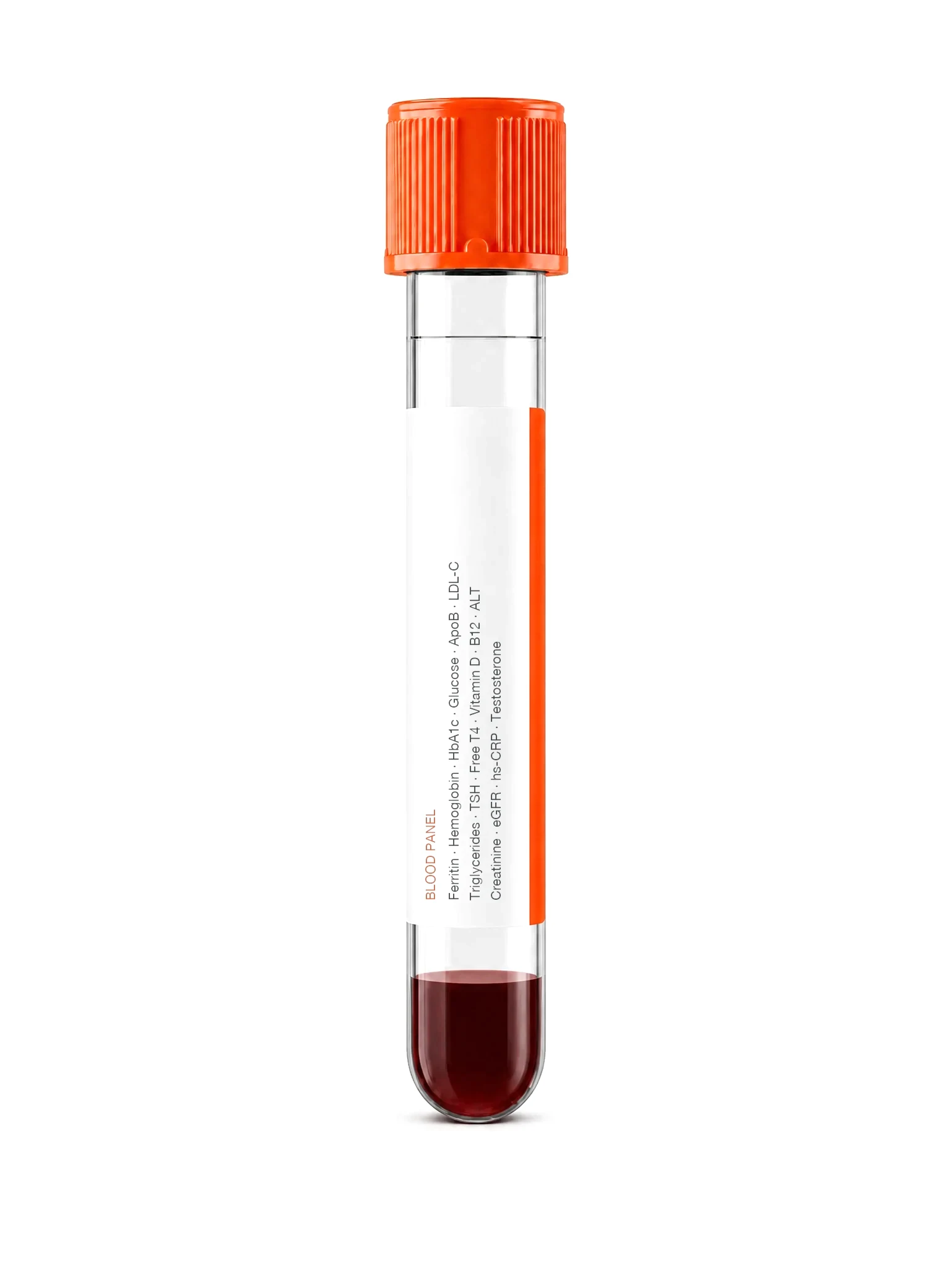
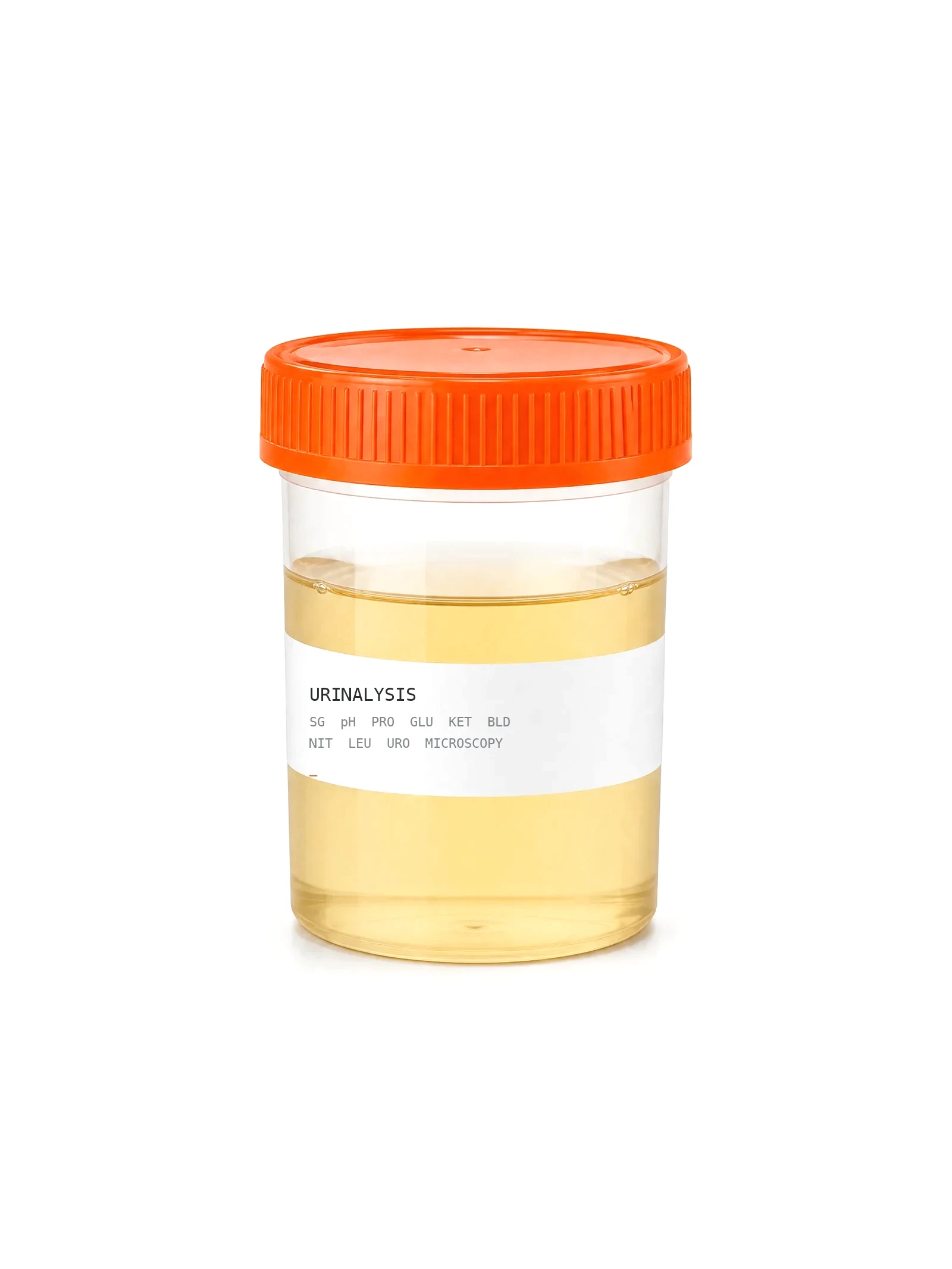
How it reads
Deterministic, sourced, the same every time. No guessing.
The readers don't improvise. The same numbers always get the same words, and every threshold comes from a published guideline, with its year and a link. Each value is read in this order:
- 01Critical values first
A handful of results labs treat as urgent (8 markers, from the UK pathology college's critical limits) override everything else and say so plainly.
- 02Your lab's own range
The range printed beside your result is the first word on it. We never replace it, and we keep the lab's own flag.
- 03The guideline you choose
Where a guideline names a band (diabetes, cholesterol, vitamin D, iron, kidneys and more), it's read against the US, UK, EU standard you pick, with the source and year beside it.
- 04Change against normal wobble
Two reports? A change counts only when it's bigger than the same blood would drift on its own: the biological variation of 21 markers, from the European federation's database.
- 05What doctors look into
Patterns across markers, worded as what a clinician would check next, never as "you have". Then plain words on what each marker is, and what a high or low usually means.
AI only comes in if you ask it to: with a free account you can ask LifeFrom about a result, and it answers from the same record. The reading itself is rules, not a model. 9 markers carry guideline bands today; the rest read against your lab's range and our plain-language library.
Private by design
Read on your device. Never uploaded.
PDFs, CSV and FHIR files are opened and read on your phone or computer. The file never leaves it.
Close the page and the reading is gone. We don't store your report, and analytics never see a value or a marker name.
Read as many reports as you like without signing up. An account is only for asking LifeFrom about it, or keeping it.
If you keep a report, we keep the values already read on your device, with your consent. Never the file.
Every line, sourced
What we read against.
- ADA Standards of Care in Diabetes2026
- EFLM Biological Variation Database2026
- NIH Office of Dietary Supplements, vitamin D2025
- Endocrine Society vitamin D guideline2024
- KDIGO chronic kidney disease guideline2024
- WHO guideline on haemoglobin cut-offs for anaemia2024
- NICE NG238, cardiovascular disease risk2023
- AASLD guidance on fatty liver disease2023
- EASL haemochromatosis guideline2022
- BSG guideline for iron deficiency anaemia2021
- AGA guideline on iron deficiency2020
- WHO guideline on ferritin2020
- ESC/EAS dyslipidaemia guideline2019
- ACC/AHA cholesterol guideline2018
- Endocrine Society testosterone guideline2018
- NICE PH38, preventing type 2 diabetes2017
- RCPath critical results guidance (G158)2017
- SACN vitamin D and health2016
- EFSA dietary reference values for vitamin D2016
- National Academy of Medicine (IOM) vitamin D report2011
- WHO, HbA1c in the diagnosis of diabetes2011
- Fraser, reference change values2011
- WHO/IDF, definition of diabetes and intermediate hyperglycaemia2006
- AHA/CDC statement on inflammation markers2003
- NCEP Adult Treatment Panel III, final report2002
- Oesterling et al., age-specific PSA reference ranges, JAMA1993
Every value we read
298 markers, under every name labs print them.
Each reader lists every marker it reads, under its sample, each linked to its page in the library.