SupplementsMineralsTrace Minerals
Trace Minerals
11 minerals, including zinc, selenium and iodine
Eleven minerals your body uses in tiny amounts, where the difference between enough and too much is unusually small.

- Builds up
- Weeks to months
- In your body
- Varies by mineral
- Per 1 capsule
- 11 ingredients
- 30-day supply
- $14.40One capsule a day, plus packing and delivery
What is trace minerals?
Trace minerals are the ones your body needs in very small amounts, measured in millionths or thousandths of a gram. They help enzymes work, make thyroid hormone, and protect your cells. Your body can't make any of them, so they have to come from what you eat and drink.
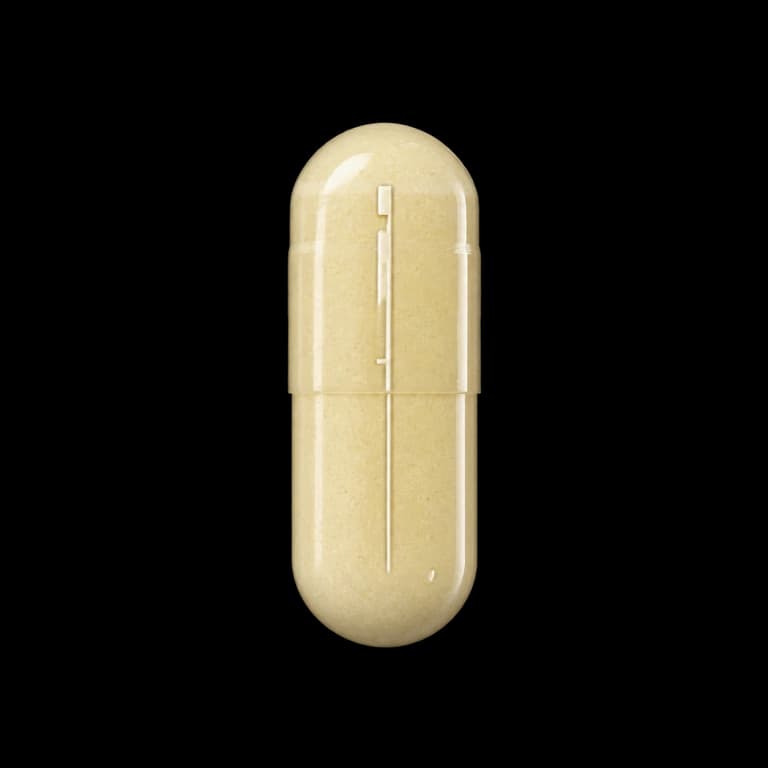
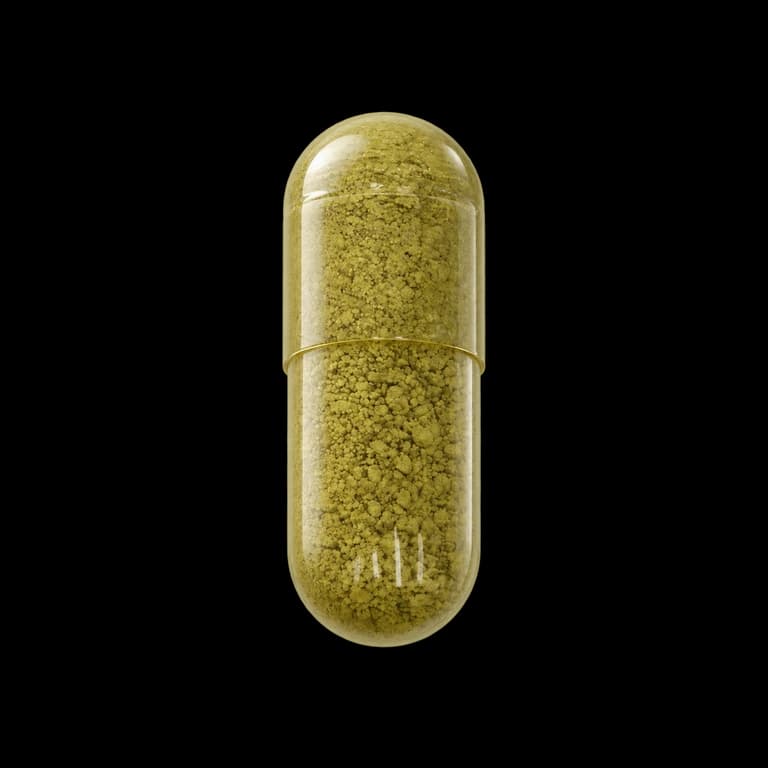
One capsule holds iodine, zinc, selenium, copper, manganese, chromium, molybdenum, potassium, boron, vanadium and silica from horsetail. Several are in chelated form, bound to an amino acid. Ours includes Albion chelates for zinc, copper, manganese and molybdenum.
Worth knowing: there's no iron in this one, and no calcium or magnesium either, since those are needed in much larger amounts.
What it does
- ThyroidIodine and selenium support normal thyroid hormone production.
- Immune systemZinc and selenium support normal immune function.
- Antioxidant defensesSelenium, copper, zinc and manganese are part of enzymes that protect your cells.
- BonesZinc, copper and manganese support normal bone.
These statements have not been evaluated by the FDA. This product is not intended to diagnose, treat, cure or prevent any disease.
What people take it for
 Some evidenceFilling gapsThe clearest reason, like on a vegan diet, where zinc in particular is harder to absorb. It helps most if you're actually short.
 Early daysThyroid supportYour thyroid needs iodine and selenium. If you already get enough, more may not help, and it can upset some thyroids.
 Early daysBones with ageLow zinc, copper and manganese are linked to faster bone loss. There's less proof that topping up helps if you're not low.
How long it takes
These don't all move at the same speed. Boron and vanadium come and go within days, while zinc status took months to shift in studies. If you were low, a repeat blood test will show it.
- DaysBoron and vanadium mostly clear through your urine
- WeeksMolybdenum is absorbed well, and your kidneys adjust to the new amount
- 3 to 6 monthsHow long it took zinc to shift in studies of men who were low
How long it stays in your body
Vanadium's half-life is about 20 to 40 hours, and boron's about a day. We don't have a clean human number for chromium or selenium, and selenium in this form stayed in tissues much longer in animal studies.
What's in a capsule
One capsule holds 200 mcg iodine, 30 mg zinc, 200 mcg selenium, 2 mg copper, 4 mg manganese, 200 mcg chromium, 250 mcg molybdenum, 100 mg potassium, 200 mcg boron, 150 mcg vanadium and 100 mcg silica. Each of the first seven is above the daily value. Zinc at 30 mg is close to the 40 mg upper limit for adults.
Too little, enough, too much
With selenium, researchers talk about a U-shaped curve: both too little and too much cause problems. People who are low may benefit from more. People who already have plenty might raise their risk of type 2 diabetes. A capsule holds 200 mcg, against a daily need of 55 mcg and an upper limit of 400 mcg.
A huge study of more than 35,000 men gave the very same form and amount, L-selenomethionine at 200 mcg, for years. It hoped to protect the prostate and it didn't. That's a good example of why a mineral isn't a case of more is better. Iodine works the same way: fine for most people, but it can tip a sensitive thyroid either way.
These minerals also compete. Zinc, copper, iron and manganese all use similar routes through your gut, so a lot of one can crowd out another. This blend also holds 2 mg of copper, which helps, because zinc pushes copper out over time.
What it interacts with
- Thyroid medicines (levothyroxine and others)Iodine can shift your thyroid, and chromium reduced absorption of levothyroxine in one study. Ask your doctor, and keep them several hours apart.
- AmiodaroneThis heart medicine is already a big source of iodine, so check before adding more.
- LithiumLithium and iodine can both slow the thyroid. Ask before adding iodine, and keep your thyroid checks going.
- Diabetes medicinesChromium and vanadium may lower blood sugar further, while too much selenium may push the other way.
- Some antibiotics (ciprofloxacin, tetracycline)Take the zinc in this at least 6 hours before or 2 hours after ciprofloxacin. Keep tetracycline at least 3 hours away from it too.
- Our Zinc capsule, Multivitamin, Chromium and BoronThey overlap. This capsule plus our Zinc makes 55 mg of zinc, and plus our Multivitamin makes 45 mg, both above the 40 mg adult upper limit. Our Vegan pack holds this and Zinc together, so ask before using it long term. With our Chromium capsule, chromium reaches 1,200 mcg.
- Thyroid blood testsIodine and selenium can both move your numbers. Tell whoever reads your results what you take.
Goes well with
Side effects
- Stomach upset is possible, mostly from the zinc.
- Too much selenium over time can cause hair loss, brittle nails, fatigue and an upset stomach.
- Too much zinc over time can lead to low copper, with anemia and a low white cell count.
Check first if
- Thyroid conditions: talk to your doctor first, since iodine can trigger both an underactive and an overactive thyroid in people prone to it.
- Wilson's disease: this contains copper, so don't take it unless your doctor agrees.
- Liver disease: manganese can build up, and too much of it can affect your brain.
- Kidney disease: ask first, since your kidneys handle several of these.
- Pregnancy or breastfeeding: your iodine needs change, so check that this fits.
The blood tests that go with it
- ZincWorth a look, though blood zinc isn't a very sensitive test.
- SeleniumShows if you're already at the high end, in which case you may not need more.
- CopperCan drop if you take a lot of zinc.
- Urine iodineThe usual way to check iodine intake.
- TSHYour main thyroid test, which iodine and selenium can both affect.
- ManganeseUseful if you have liver disease or a lot of exposure.
- HbA1cWorth watching, since chromium may lower blood sugar and too much selenium may push it the other way.
- Free T4Read alongside TSH when iodine might be moving your thyroid.
- TPO antibodyA sign of autoimmune thyroid trouble, which makes you more sensitive to extra iodine.
Work it out

Supplementation
Find Trace Minerals in a ready-made protocol.
Start from one of these, or add it to your own. Everything comes in one pouch each morning.
Body & skin
A bone-focused foundation.
30-day pack · 6 a morning · 180 pills
$84.88 / month
Choose this packBody & skin
For an active life.
30-day pack · 5 a morning · 150 pills
$75.40 / month
Choose this packDaily foundations
Four mineral building blocks.
30-day pack · 4 a morning · 120 pills
$62.10 / month
Choose this packDaily foundations
An antioxidant-focused stack.
30-day pack · 6 a morning · 180 pills
$86.22 / month
Choose this packDaily foundations
For a plant-based routine.
30-day pack · 7 a morning · 210 pills
$86.10 / month
Choose this packYour own
Build your own pouch.
Know what you want to take? Pick each ingredient, and we time it through your day.
Build your own















- cGMP-certifiedFacilities
- FDA-registeredFacilities
- Accredited labsIndependent testing
- Non-GMOIngredient options
- OrganicIngredient options
- VeganFormula options
These statements have not been evaluated by the Food and Drug Administration. These products are not intended to diagnose, treat, cure or prevent any disease.
Want it more precise? Get the app.
A page can only tell you about Trace Minerals. The app tells you about you: whether it fits, when to take it, and whether it's working.
- Checked against your blood work and everything you already take
- On your daily timeline, around your sleep, training and meals
- Followed over time, so you can see what moved

 Trace MineralsOPEN 09:00
Trace Minerals against your blood work, your sleep and what you already take.
 AI
Your selenium is already high-normal, and you take a multivitamin too. Let's look at what's overlapping.
ASK ABOUT TRACE MINERALSFind the goal that's yours.
Your record, your routine and LifeFrom AI, pointed at the outcome that matters to you.



Questions
What are trace minerals good for?
They support your thyroid, immune system, bones and antioxidant defenses. They're most useful if your diet leaves gaps.
How long do trace minerals take to work?
It depends on the mineral. Some settle in days, while zinc took months to shift in studies. You probably won't feel much unless you were low.
What are the side effects of trace minerals?
Stomach upset is the most likely. Over time, too much selenium can affect your hair and nails, and too much zinc can lower your copper.
Can I take trace minerals every day?
Many people do, and most amounts here sit under their upper limits. Zinc is the one to watch: added to our Zinc capsule or our Multivitamin it goes over the 40 mg limit. Selenium, iodine and chromium overlap too.
Is selenium safe at 200 mcg?
It's under the 400 mcg upper limit. If your levels are already good, though, more may not help and might raise your diabetes risk. A blood test settles it.
Who should not take trace minerals?
Check first if you have a thyroid condition, Wilson's disease, or liver or kidney disease, or if you're pregnant or breastfeeding, or on thyroid or diabetes medicine.
Does this contain iron?
No. If you need iron, that's separate, and it's worth testing your ferritin first.
Can I take this with my Zinc capsule?
Check with your doctor. Together they make 55 mg of zinc, above the 40 mg adult upper limit, and long-term high zinc can lower your copper.
Why is vanadium in here?
Food already gives you a little. No one has found a clear human need for it. The amount here, 150 mcg, is well under the 1.8 mg upper limit.
Sources
- Institute of Medicine. Dietary Reference Intakes for Vitamin A, Vitamin K, Arsenic, Boron, Chromium, Copper, Iodine, Iron, Manganese, Molybdenum, Nickel, Silicon, Vanadium, and Zinc. National Academies Press, 2001.
- Institute of Medicine. Dietary Reference Intakes for Vitamin C, Vitamin E, Selenium, and Carotenoids. National Academies Press, 2000.
- Rayman MP. Selenium and human health. Lancet, 2012.
- Rayman MP, Stranges S. Epidemiology of selenium and type 2 diabetes: can we make sense of it? Free Radic Biol Med, 2013.
- Klein EA et al. Vitamin E and the risk of prostate cancer: the Selenium and Vitamin E Cancer Prevention Trial (SELECT). JAMA, 2011.
- MacFarquhar JK et al. Acute selenium toxicity associated with a dietary supplement. Arch Intern Med, 2010.
- Leung AM, Braverman LE. Consequences of excess iodine. Nat Rev Endocrinol, 2014.
- Sohn SY et al. Risks of iodine excess. Endocr Rev, 2024.
- Chen P et al. Manganese metabolism in humans. Front Biosci, 2018.
- Turnlund JR et al. Molybdenum absorption, excretion, and retention studied with stable isotopes in young men. Am J Clin Nutr, 1995.
- Jomova K et al. Essential metals in health and disease. Chem Biol Interact, 2022.
- Barceloux DG. Vanadium. J Toxicol Clin Toxicol, 1999.
- Einhorn V et al. Interaction and competition for intestinal absorption by zinc, iron, copper, and manganese at the intestinal mucus layer. J Trace Elem Med Biol, 2024.
- Zofkova I et al. Trace elements and bone health. Clin Chem Lab Med, 2013.
- Prasad AS et al. Zinc status and serum testosterone levels of healthy adults. Nutrition, 1996.
- John-Kalarickal J et al. New medications which decrease levothyroxine absorption. Thyroid, 2007.
- MedlinePlus. Ciprofloxacin: drug information.
- MedlinePlus. Zinc in diet.
- Streetman DD, Khanderia U. Diagnosis and treatment of Graves disease. Ann Pharmacother, 2003.
- Solvazinc 45 mg effervescent tablets: summary of product characteristics. Electronic Medicines Compendium, 2023.
- Ip C, Hayes C. Tissue selenium levels in selenium-supplemented rats and their relevance in mammary cancer protection. Carcinogenesis, 1989.
- Moseman RF. Chemical disposition of boron in animals and humans. Environ Health Perspect, 1994.
Written by LifeFrom from these sources, and not yet reviewed by a clinician. Talk to your doctor before starting a supplement.