SupplementsMineralsCalcium Citrate
Calcium Citrate
calcium bound to citric acid
The form of calcium that doesn't need stomach acid, for a skeleton that never stops rebuilding itself.
- Builds up
- About a year
- In your body
- Kept steady
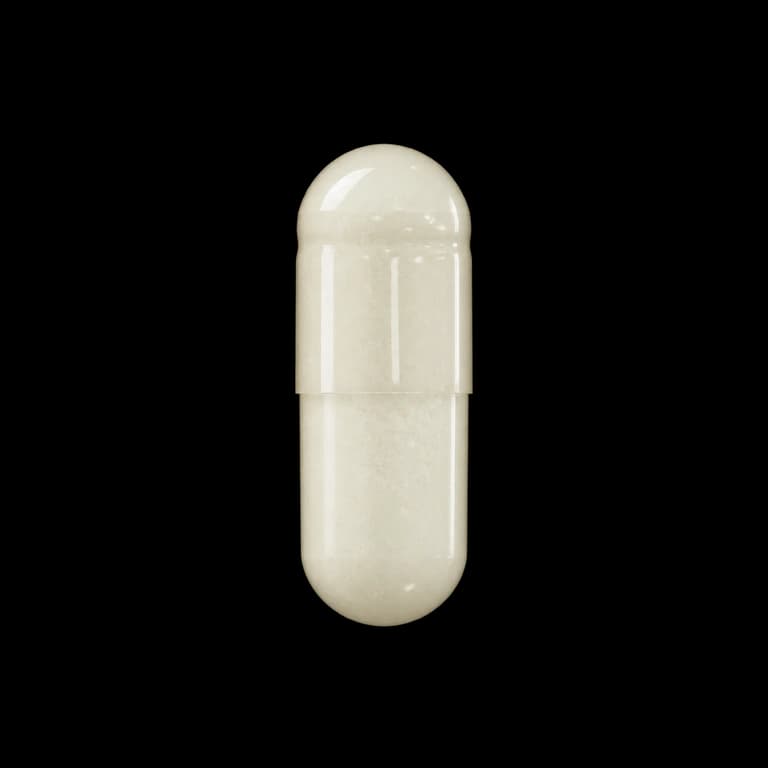
- Per 1 capsule
- 160 mg
- 30-day supply
- $5.40One capsule a day, plus packing and delivery
What is calcium citrate?
Calcium is the mineral your bones and teeth are made of. Nearly all the calcium in your body sits in your skeleton. The rest helps your muscles move, your nerves send signals, your blood clot and your heart keep its rhythm.
Your bones also work as a bank. If the small amount in your blood runs low, your body draws from your skeleton to top it up.
Ours is calcium citrate, calcium bound to citric acid. It's only about 21% calcium by weight, which is why even a big capsule holds a modest amount.
What it does
- Bones and teethHelps build and maintain strong bones and teeth.
- MusclesSupports normal muscle movement.
- NervesHelps nerves send signals around your body.
- Heartbeat and clottingSupports a normal heartbeat and blood clotting.
These statements have not been evaluated by the FDA. This product is not intended to diagnose, treat, cure or prevent any disease.
What people take it for
 Some evidenceBones after 50Bone density rose by about 1 to 2% in studies, then held. That's real but small, and probably not enough alone to change your fracture risk.
 Some evidenceEating little dairyDairy is the easiest food source. If you skip it, a capsule helps close some of the gap.
 Some evidenceTaking acid reducersCitrate doesn't rely on stomach acid the way carbonate does, so it's the usual pick for people on these medicines.
How long it takes
You won't feel it. Bone density changes first showed at about a year in studies, because bone rebuilds slowly. Then the gain held rather than growing.
- HoursYour gut absorbs part of the calcium, and the rest passes through
- MonthsYour skeleton slowly takes up what it needs as old bone is replaced
- About 1 yearWhen studies first saw bone density go up, by about 1 to 2%
How long it stays in your body
Your body holds blood calcium in a tight range around the clock, using a hormone called PTH. There's no useful half-life, because your bones act as the reserve.
What's in a capsule
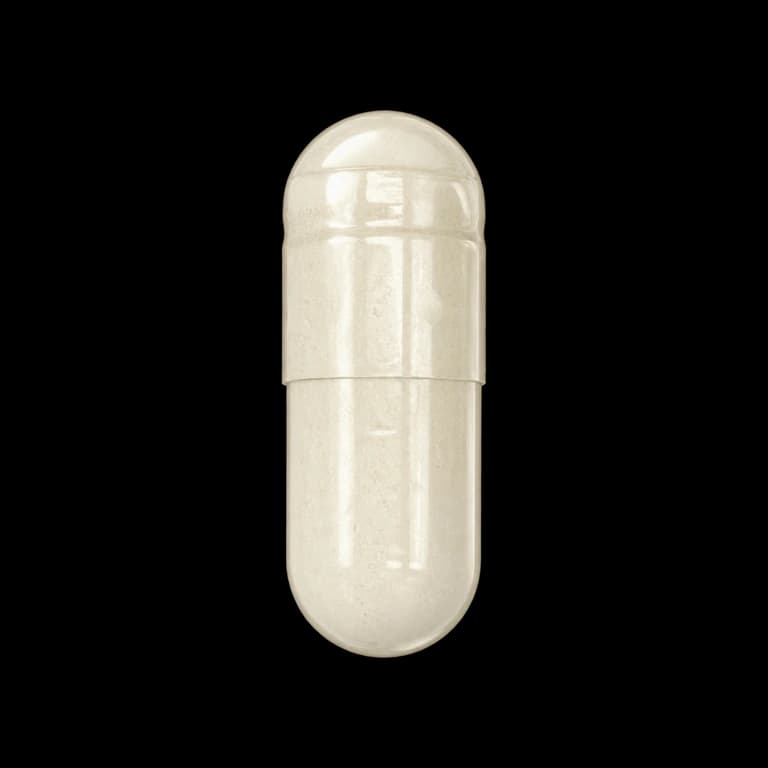
One capsule holds 160 mg of calcium, which is 12% of the daily value. Adults are advised to get 1,000 to 1,200 mg a day from food and supplements together, and bone studies often gave 500 to 1,000 mg or more. So this is a top-up rather than the full amount.
Citrate or carbonate, and why a blood test won't tell you
How citrate and carbonate compare, and how much calcium your body absorbs at one time, is in the full guide.
A normal blood calcium result doesn't mean your bones are well stocked. Blood calcium is so tightly controlled that it often looks fine even when bones are short, since your body raids the skeleton to keep it steady. For bones, a density scan tells you far more.
What it interacts with
- Thyroid medicine (levothyroxine)Calcium can block its absorption. Keep them at least 4 hours apart.
- Some antibiotics (ciprofloxacin, tetracycline)Take calcium at least 6 hours before or 2 hours after the antibiotic.
- Osteoporosis medicines (alendronate)Take the medicine first, and wait at least 30 minutes before any calcium.
- HIV medicine (dolutegravir)Take calcium 6 hours before or 2 hours after it, or take them together with a meal.
- Other medicines in generalCalcium can reduce how well many of them work, so keep it 1 to 2 hours apart.
- Thiazide water pillsTogether they can push calcium too high in some people, so ask your doctor first.
- Iron, zinc and magnesiumCalcium can compete with these minerals for absorption, so some people take them at different times.
Goes well with
Side effects
- Some people get an upset stomach, gas or constipation. These are more common with carbonate than citrate.
- Too much calcium over a long time can raise your risk of kidney stones.
Check first if
- Kidney disease or a history of kidney stones: ask your doctor first.
- High blood calcium or a parathyroid problem: check before adding any.
- Heart concerns: one 2010 review of calcium supplement studies at 500 mg a day or more found somewhat more heart attacks, and a 2016 review of healthy adults staying within the upper limit didn't see that. Talk it through if you have heart disease.
- Pregnancy or breastfeeding: tell your doctor what you take.
The blood tests that go with it
- CalciumThe usual test, though it often looks normal even when bones are short.
- Ionized calciumThe active part of your blood calcium.
- PTHThe hormone that pulls calcium from bone when your blood runs low.
- Vitamin DYou need it to absorb and use calcium.
- CTXShows how fast old bone is being broken down.
- P1NPShows how fast new bone is being laid down.
- PhosphorusCalcium and phosphorus are managed together, and your bones need both.
- eGFRWorth knowing first, since kidney disease changes whether extra calcium is a good idea.
Work it out


Supplementation
Find Calcium Citrate in a ready-made protocol.
Start from one of these, or add it to your own. Everything comes in one pouch each morning.
Body & skin
A bone-focused foundation.
30-day pack · 6 a morning · 180 pills
$84.88 / month
Choose this packDaily foundations
Four mineral building blocks.
30-day pack · 4 a morning · 120 pills
$62.10 / month
Choose this packDaily foundations
For a plant-based routine.
30-day pack · 7 a morning · 210 pills
$86.10 / month
Choose this packYour own
Build your own pouch.
Know what you want to take? Pick each ingredient, and we time it through your day.
Build your own



- cGMP-certifiedFacilities
- FDA-registeredFacilities
- Accredited labsIndependent testing
- Non-GMOIngredient options
- OrganicIngredient options
- VeganFormula options
These statements have not been evaluated by the Food and Drug Administration. These products are not intended to diagnose, treat, cure or prevent any disease.
Want it more precise? Get the app.
A page can only tell you about Calcium Citrate. The app tells you about you: whether it fits, when to take it, and whether it's working.
- Checked against your blood work and everything you already take
- On your daily timeline, around your sleep, training and meals
- Followed over time, so you can see what moved

 Calcium CitrateOPEN 09:00
Calcium Citrate against your blood work, your sleep and what you already take.
 AI
Your vitamin D is low, and your calcium intake from food looks light. Worth raising both at your next bone check?
ASK ABOUT CALCIUM CITRATEFind the goal that's yours.
Your record, your routine and LifeFrom AI, pointed at the outcome that matters to you.



Questions
What is calcium citrate good for?
Mostly bone support and topping up a diet low in calcium. It's also a good fit if you take acid reducers, because it doesn't rely on stomach acid.
How long does calcium citrate take to work?
It's absorbed within hours, but bones are slow. Studies saw bone density rise at about a year, and it doesn't grow much after that.
Calcium citrate side effects: what are they?
An upset stomach, gas or constipation for some people. Over the long term, too much calcium can raise your risk of kidney stones.
Can I take calcium citrate every day?
Yes, that's how it's normally used. Count food and supplements together, because adults have an upper limit of 2,000 to 2,500 mg a day depending on age.
Can I take calcium with thyroid medicine?
Keep them at least 4 hours apart. Calcium can stop you from absorbing levothyroxine properly.
Who should not take calcium citrate?
Check first if you have kidney disease, kidney stones or high blood calcium, or take a thiazide water pill.
Is food better than a supplement?
Food works well, and bone studies found food and supplements raised density by about the same amount. Dairy, canned fish with soft bones, kale and fortified foods all count.
Does calcium raise your risk of a heart attack?
The research disagrees. One 2010 review found somewhat more heart attacks at 500 mg or more a day from supplements, and a later review of healthy adults within the upper limit didn't. If you have heart disease, ask your doctor.
Sources
- MedlinePlus. Calcium in diet.
- MedlinePlus. Calcium carbonate: drug information.
- MedlinePlus. Levothyroxine: drug information.
- MedlinePlus. Ciprofloxacin: drug information.
- MedlinePlus. Alendronate: drug information.
- Institute of Medicine. Dietary Reference Intakes for Calcium and Vitamin D. National Academies Press, 2011.
- Tai V et al. Calcium intake and bone mineral density: systematic review and meta-analysis. BMJ, 2015.
- Sakhaee K et al. Meta-analysis of calcium bioavailability: a comparison of calcium citrate with calcium carbonate. Am J Ther, 1999.
- Straub DA. Calcium supplementation in clinical practice: a review of forms, doses, and indications. Nutr Clin Pract, 2007.
- Bolland MJ et al. Effect of calcium supplements on risk of myocardial infarction and cardiovascular events. BMJ, 2010.
- MedlinePlus. Tetracycline: drug information.
- MedlinePlus. Dolutegravir: drug information.
- Chung M et al. Calcium intake and cardiovascular disease risk: an updated systematic review and meta-analysis. Ann Intern Med, 2016.
Written by LifeFrom from these sources, and not yet reviewed by a clinician. Talk to your doctor before starting a supplement.