SupplementsMineralsChromium
Chromium
as chromium polynicotinate
Sold for decades as an essential nutrient for blood sugar, and scientists are now arguing about whether it's essential at all.

- Builds up
- About 4 months
- In your body
- No clean number
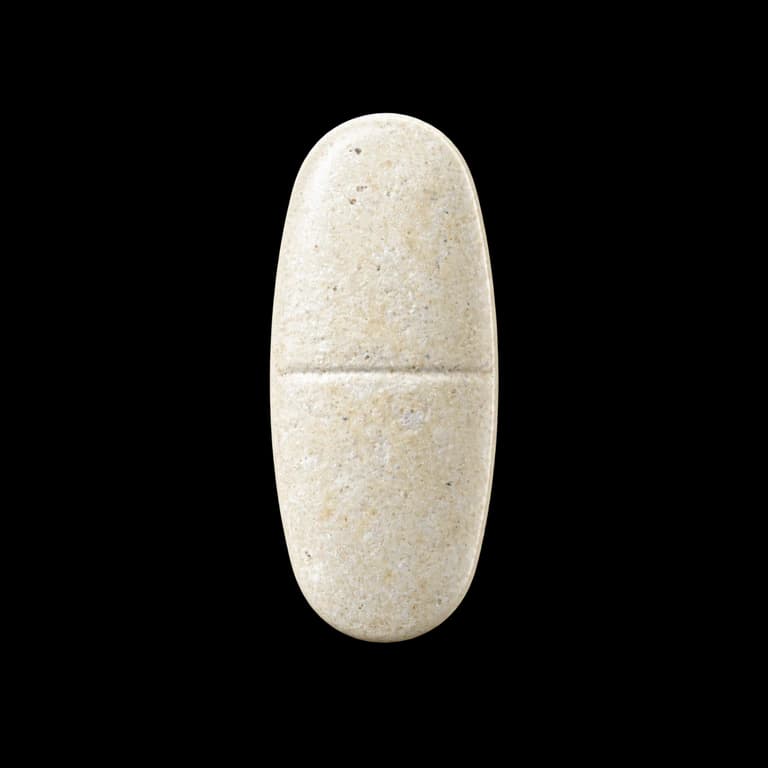
- Per 1 capsule
- 1000 mcg
- 30-day supply
- $6.19One capsule a day, plus packing and delivery
What is chromium?
Chromium is a metal found in tiny amounts in grains, meat and fish. The form in food and supplements is trivalent chromium. It's a very different substance from the toxic industrial kind you may have heard about from the film Erin Brockovich.
People get interested in it because of insulin, the hormone that moves sugar out of your blood. Chromium has been thought to help insulin do that job for nearly 60 years, though the exact way it might work has never been proven in people.
Ours is chromium polynicotinate, chromium bound to niacin. Most research used a different form, called picolinate, so there's less known about ours specifically.
What it does
- Blood sugarHelps maintain blood sugar already in the healthy range.
- InsulinMay support how your body responds to insulin.
- MetabolismPlays a part in how your body handles carbohydrates and fats.
These statements have not been evaluated by the FDA. This product is not intended to diagnose, treat, cure or prevent any disease.
What people take it for
 MixedBlood sugarThe main reason people take it. Some studies found a clear drop, and a careful review found few reached a meaningful goal.
 Early daysWeightStudies found about half a kilo more weight lost. That's about a pound, which is hard to notice.
 Early daysCholesterolOne study of 180 people with diabetes found lower total cholesterol at 4 months, though the evidence is thin.
How long it takes
This is a slow one. Blood sugar results in the best-known study first showed at 2 months and were clearest at 4, and you shouldn't expect to feel any difference along the way.
- HoursUnder 3% is absorbed, and the rest passes straight through
- DaysWhat you absorbed starts leaving in your urine
- 2 to 4 monthsWhen the blood sugar study saw its changes. Time for a repeat HbA1c
How long it stays in your body
Most of what you absorb leaves through your urine. We couldn't find a clean half-life for the form in supplements, and numbers from workers exposed to other forms are all over the place.
What's in a capsule
One capsule holds 1,000 mcg. That's the top amount in the best-known blood sugar study, and about 30 to 40 times the 25 to 35 mcg adults are advised to get each day. No official upper limit exists, because there's too little data to set one. Our Trace Minerals capsule adds 200 mcg and our Multivitamin 120 mcg, so count them together.
The essential nutrient that may not be
For decades, chromium was taught as an essential mineral. Newer research has raised real doubts. A leading chromium researcher wrote in 2017 that the evidence no longer supports calling it essential, only that it may have an effect at larger amounts, like a drug would. US official advice still lists a daily intake, so you'll see both views.
Your gut is very picky about it. Only about 0.4% to 2.5% of the chromium you eat gets absorbed. In the blood it travels on transferrin, the same protein that carries your iron. Vitamin C seems to help absorption, and a lot of sugar seems to send more out in your urine.
Results on blood sugar are all over the place, and nearly all of them used picolinate rather than our form. One study of 180 people saw a large drop in HbA1c, your three-month blood sugar average, while a careful review of 20 studies found that few reached a goal doctors would call meaningful. A repeat blood test will tell you more about your own case than the headlines will.
What it interacts with
- Diabetes medicines, including insulin and metforminChromium may lower blood sugar further, so tell your doctor before adding it.
- Thyroid medicine (levothyroxine)In one study, chromium cut how much thyroid medicine people absorbed. Keep them several hours apart.
- AntacidsThey reduced chromium absorption in animal studies, so it may be worth taking them at different times.
- Trace Minerals, Multivitamin and other blendsTogether with our Trace Minerals capsule this comes to 1,200 mcg a day, the low end of that one serious case. Our Multivitamin adds another 120 mcg. Worth counting and worth asking about.
Goes well with
Side effects
- Usually mild if at all: watery stools, dizziness, headaches or hives were reported in weight studies.
- Rarely, serious problems. One woman taking 1,200 to 2,400 mcg of chromium picolinate a day for 4 to 5 months developed kidney failure, liver problems and anemia, and later recovered. Stop and call your doctor if you notice dark urine, yellow skin or eyes, or you pee much less.
Check first if
- Kidney or liver disease: ask your doctor first, because of those rare reports.
- Diabetes: don't change your medicines on your own, and watch for low blood sugar.
- Iron overload (hemochromatosis): it may change how chromium moves around your body, so check first.
- Pregnancy or breastfeeding: there isn't enough safety data on an amount this high.
- Allergies: this capsule contains rice.
The blood tests that go with it
- HbA1cYour blood sugar over about three months, and the main number in chromium studies.
- Fasting glucoseA snapshot of your blood sugar.
- Fasting insulinHow hard your body works to keep that glucose steady.
- HOMA-IRA measure of insulin resistance, built from those two numbers.
- ChromiumA direct blood test, though there's no agreed level for what counts as enough.
- eGFRA kidney check, since rare reports linked high amounts to kidney harm.
- ALTA liver check, since rare reports linked high amounts to liver problems.
- CreatinineAnother kidney check, read alongside eGFR.
- Total cholesterolThe number that came down in that study at 4 months.
Work it out



Supplementation
Or start from a ready-made protocol.
Start from one of these, or add it to your own. Everything comes in one pouch each morning.
Mind & balance
For your focused hours.
30-day pack · 5 a morning · 150 pills
$70.35 / month
Choose this packMind & balance
For a demanding day.
30-day pack · 6 a morning · 180 pills
$75.30 / month
Choose this packBody & skin
A skin-focused routine.
30-day pack · 6 a morning · 180 pills
$75.42 / month
Choose this packBody & skin
Put heart health in focus.
30-day pack · 7 a morning · 210 pills
$84.54 / month
Choose this packDaily foundations
Start with your gut.
30-day pack · 6 a morning · 180 pills
$98.70 / month
Choose this packBody & skin
A bone-focused foundation.
30-day pack · 6 a morning · 180 pills
$84.88 / month
Choose this packBody & skin
For an active life.
30-day pack · 5 a morning · 150 pills
$75.40 / month
Choose this packMind & balance
Make space for balance.
30-day pack · 6 a morning · 180 pills
$73.50 / month
Choose this packDaily foundations
Four mineral building blocks.
30-day pack · 4 a morning · 120 pills
$62.10 / month
Choose this packDaily foundations
An antioxidant-focused stack.
30-day pack · 6 a morning · 180 pills
$86.22 / month
Choose this packLife stages
Your everyday starting point.
30-day pack · 6 a morning · 180 pills
$79.62 / month
Choose this packLife stages
A broader daily foundation.
30-day pack · 7 a morning · 210 pills
$92.29 / month
Choose this packDaily foundations
For a plant-based routine.
30-day pack · 7 a morning · 210 pills
$86.10 / month
Choose this packYour own
Build your own pouch.
Know what you want to take? Pick each ingredient, and we time it through your day.
Build your own

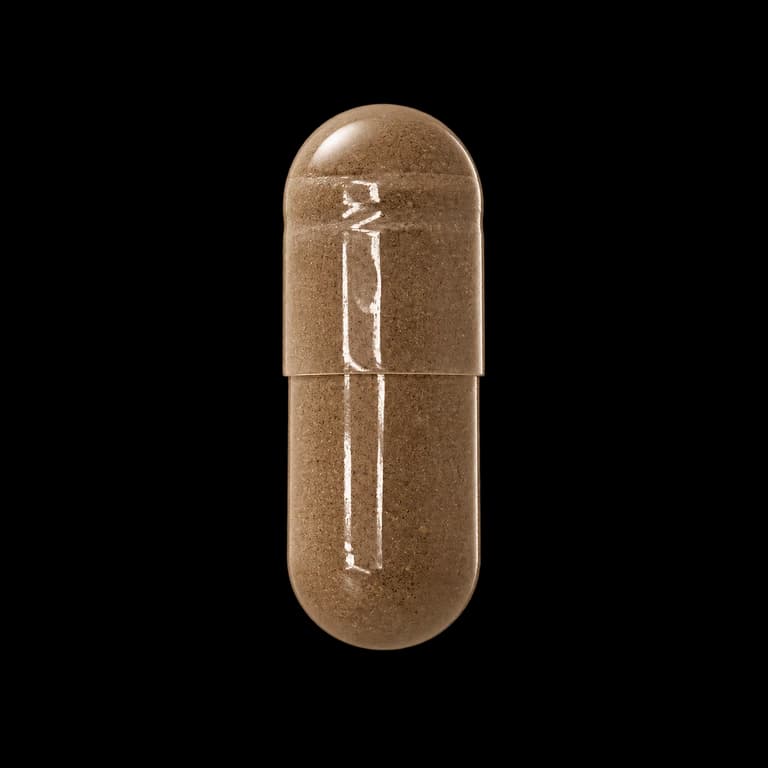








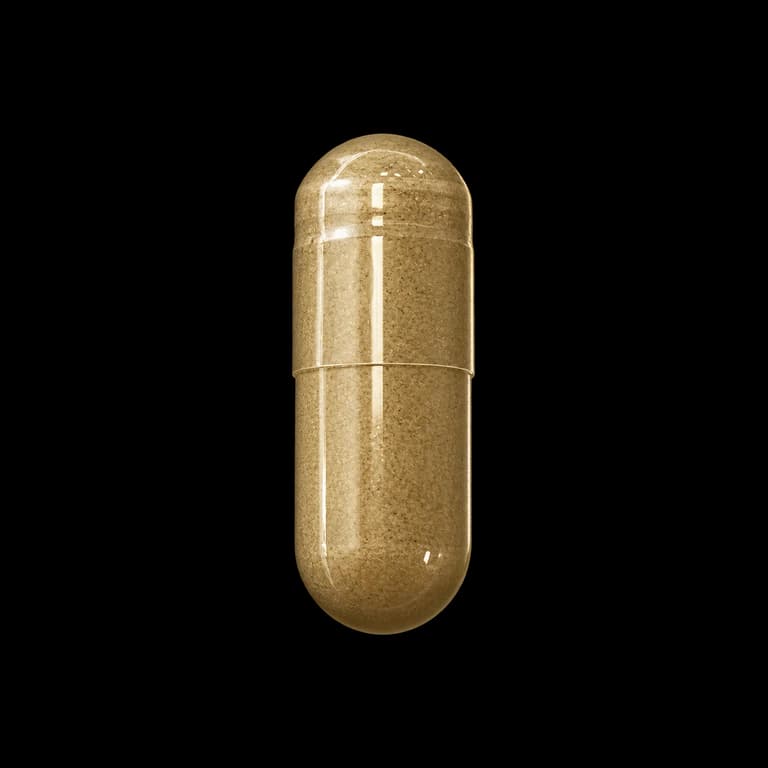



- cGMP-certifiedFacilities
- FDA-registeredFacilities
- Accredited labsIndependent testing
- Non-GMOIngredient options
- OrganicIngredient options
- VeganFormula options
These statements have not been evaluated by the Food and Drug Administration. These products are not intended to diagnose, treat, cure or prevent any disease.
Want it more precise? Get the app.
A page can only tell you about Chromium. The app tells you about you: whether it fits, when to take it, and whether it's working.
- Checked against your blood work and everything you already take
- On your daily timeline, around your sleep, training and meals
- Followed over time, so you can see what moved

 ChromiumOPEN 09:00
Chromium against your blood work, your sleep and what you already take.
 AI
Your HbA1c hasn't moved since you started chromium 4 months ago. Want to look at your meals and your next test together?
ASK ABOUT CHROMIUMFind the goal that's yours.
Your record, your routine and LifeFrom AI, pointed at the outcome that matters to you.


Questions
What is chromium good for?
People mostly take it for blood sugar, and sometimes for weight or cholesterol. The research is mixed, so it's worth checking your own numbers.
How long does chromium take to work?
In the best-known blood sugar study, changes first showed at 2 months and were clearest at 4. You won't feel it.
Does chromium help you lose weight?
Barely. Studies found about half a kilo, or about a pound, more than people taking nothing. US marketers can no longer claim it builds muscle or cuts body mass.
Chromium side effects: what are they?
Usually nothing much, or mild stomach upset, headaches or hives. High amounts have rarely been linked to serious kidney or liver problems.
Who should not take chromium?
Check first if you have kidney or liver disease, take diabetes or thyroid medicine, have iron overload, or are pregnant or breastfeeding.
Can I take chromium every day?
That's how it's been studied, for a few months at a time. We know less about using it for years, so it makes sense to check in with your doctor.
What is chromium's half-life?
We couldn't find a clean number for the form in supplements. Most of what you absorb leaves in your urine, and since so little gets absorbed, it's small amounts either way.
Is this the same chromium that's toxic?
No. Supplements use trivalent chromium. The toxic one, hexavalent chromium, is an industrial chemical with a very different effect on the body.
Sources
- Institute of Medicine. Dietary Reference Intakes for Vitamin A, Vitamin K, Arsenic, Boron, Chromium, Copper, Iodine, Iron, Manganese, Molybdenum, Nickel, Silicon, Vanadium, and Zinc. National Academies Press, 2001.
- Vincent JB. New evidence against chromium as an essential trace element. J Nutr, 2017.
- Costello RB et al. Chromium supplements for glycemic control in type 2 diabetes: limited evidence of effectiveness. Nutr Rev, 2016.
- Anderson RA et al. Elevated intakes of supplemental chromium improve glucose and insulin variables in individuals with type 2 diabetes. Diabetes, 1997.
- Asbaghi O et al. Effects of chromium supplementation on glycemic control in patients with type 2 diabetes. Pharmacol Res, 2020.
- Onakpoya I et al. Chromium supplementation in overweight and obesity: a systematic review and meta-analysis. Obes Rev, 2013.
- Cerulli J et al. Chromium picolinate toxicity. Ann Pharmacother, 1998.
- John-Kalarickal J et al. New medications which decrease levothyroxine absorption. Thyroid, 2007.
- Anderson RA. Chromium and insulin resistance. Nutr Res Rev, 2003.
- Gargas ML et al. Urinary excretion of chromium by humans following ingestion of chromium picolinate. Drug Metab Dispos, 1994.
Written by LifeFrom from these sources, and not yet reviewed by a clinician. Talk to your doctor before starting a supplement.