SupplementsAmino AcidsCarnitine
Carnitine
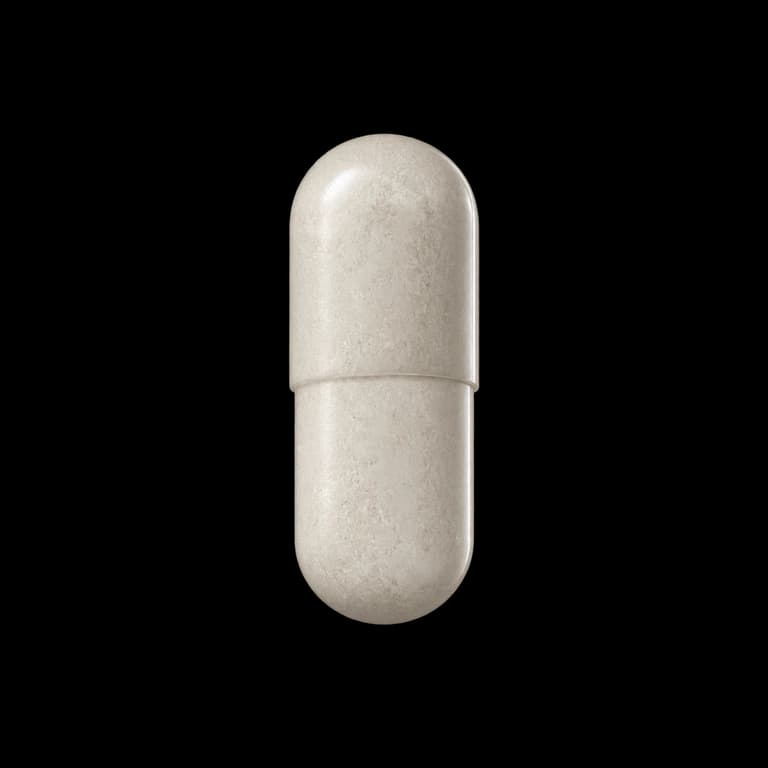
as L-carnitine tartrate
The shuttle that carries fat into your cells' power plants. Your body makes its own, and your muscles are slow to accept more.
- Builds up
- Months
- In your body
- Hours in blood
- Per 1 capsule
- 500 mg
- 30-day supply
- $6.00One capsule a day, plus packing and delivery
What is carnitine?
Carnitine isn't quite a vitamin. Your liver, kidneys and brain make it from two amino acids, and healthy people make enough. About 95% of it sits in your heart and muscles, and only about 0.5% is in your blood.
Its job is simple and important: it carries long-chain fats into mitochondria, the parts of your cells that burn fuel for energy.
Meat is the richest source by far. A 3 ounce beef steak can hold 42 to 122 mg, while a vegan diet gives about 1.2 mg a day. Ours is L-carnitine tartrate, carnitine bound to a salt, which is one of the forms used in exercise research.
What it does
- EnergyHelps your cells turn fat into energy.
- ExerciseSupports muscle energy use during exercise.
- RecoverySupports recovery after hard training.
- Male fertilityPlays a part in normal sperm maturation and movement.
These statements have not been evaluated by the FDA. This product is not intended to diagnose, treat, cure or prevent any disease.
What people take it for
 MixedWeightPeople lost about 1.3 kg more in studies, and the effect shrank over time. Larger studies are still needed.
 MixedExercise and recoverySome studies found less soreness and better output. Others found no change in performance.
 Some evidenceSperm qualityStudies found better sperm movement and shape. Whether that leads to more pregnancies is much less clear.
How long it takes
Your muscles are stubborn about this one. In a 6-month study, muscle carnitine rose 21% by 24 weeks, on 4 g of tartrate a day taken with lots of carbohydrate.
- HoursOnly about 14 to 18% of a capsule's carnitine gets absorbed
- 12 weeksVegetarians' muscle stores were up about 13% in one study. Meat eaters' weren't
- 24 weeksMuscle stores up about 21% in the longest study, which is when the change showed, with lots of carbohydrate
How long it stays in your body
After a dose into a vein, half-life figures range from about 4 to 17 hours depending on the study and amount. What counts more is muscle, which holds nearly all of it and changes far more slowly.
What's in a capsule
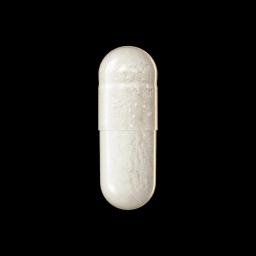
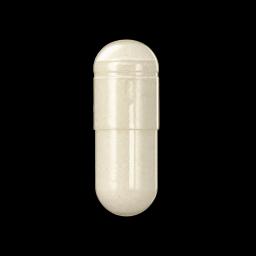
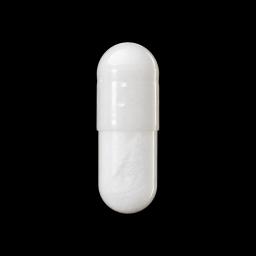
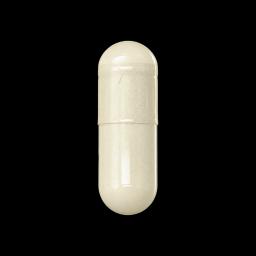
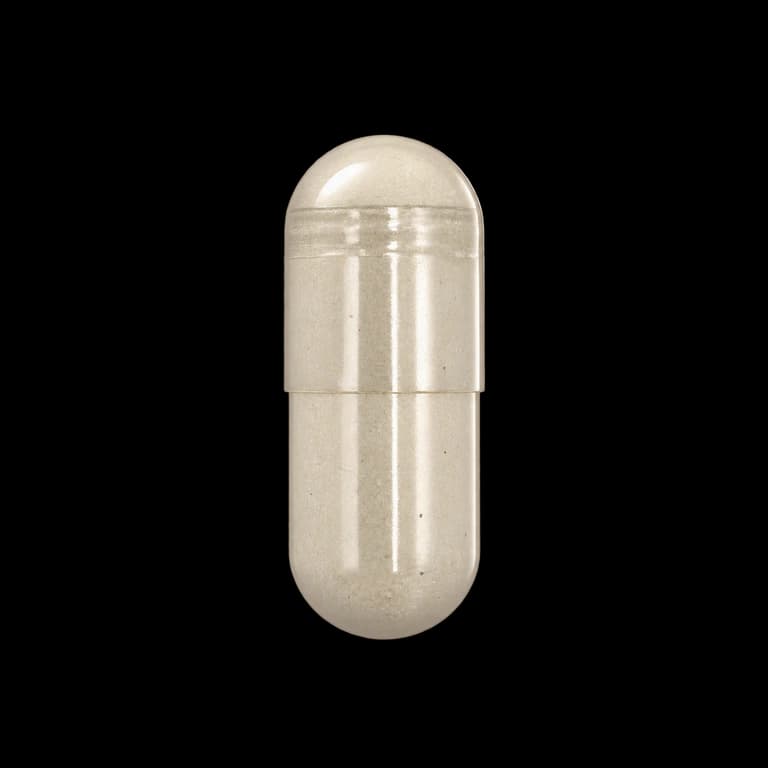
One capsule holds 500 mg of L-carnitine tartrate, and part of that weight is the tartrate salt. Studies on weight and sperm mostly used 1 to 4 g a day, so one capsule is less than those.
Little gets in, and your gut bacteria want the rest
Your body absorbs carnitine from food far better than from supplements: about 63 to 75% from food, compared with about 14 to 18% from a capsule. Bigger amounts don't fix that. In one study, about 16% of a 2 g amount was absorbed, and only 5% of a 6 g amount.
Muscle is the hard part. Carnitine needs help to get in, and insulin seems to be that help, which is why the study that raised muscle levels paired it with 80 g of carbohydrate twice a day. Without that, muscle levels can barely budge in people who already eat meat.
What isn't absorbed goes on to your gut bacteria, and some turn it into a compound called TMAO, which has been linked to heart risk. This seems to happen more in people who eat meat than in vegans or vegetarians. What it means for a capsule isn't well understood yet, but it's a reason not to assume more is better.
What it interacts with
- WarfarinINR has gone up in people on warfarin, so your INR may need checking after you start.
- Thyroid medicinesCarnitine can block thyroid hormone from working inside your cells, so it could work against your medicine.
- Seizure medicines (valproic acid, phenobarbital, phenytoin, carbamazepine)These lower your carnitine, and seizures have been reported with carnitine. Ask your neurologist.
- Diabetes medicinesCarnitine has lowered blood sugar in studies, which could add to your medicine.
- Pivalate antibioticsLong-term use can run your carnitine down, though illness from this hasn't been described.
Goes well with
Side effects
- At about 3 g a day: nausea, vomiting, stomach cramps, diarrhea and a fishy body odor.
- Rarely, allergic reactions such as rash or hives. Stop and get help if your face swells or you can't breathe easily.
Check first if
- Seizures: seizures have been reported in people with and without a history of them. If you have a seizure disorder, ask first.
- Kidney failure: can cause muscle weakness at high amounts. Ask your kidney team.
- Thyroid conditions: talk to your doctor first.
- Pregnancy or breastfeeding: our label says to check with your physician.
- Our label is for adults only.
The blood tests that go with it
- INRHas gone up in people taking carnitine with warfarin.
- TSHYour main thyroid test, useful if you take a thyroid medicine.
- Free T4The main thyroid hormone, read with TSH.
- HbA1cYour blood sugar over about three months, which came down in studies.
- CKA sign of muscle stress, useful around recovery.
- eGFRYour kidneys clear carnitine and also help make it.
Work it out


Supplementation
Find Carnitine in a ready-made protocol.
Start from one of these, or add it to your own. Everything comes in one pouch each morning.
Body & skin
Put heart health in focus.
30-day pack · 7 a morning · 210 pills
$84.54 / month
Choose this packYour own
Build your own pouch.
Know what you want to take? Pick each ingredient, and we time it through your day.
Build your own
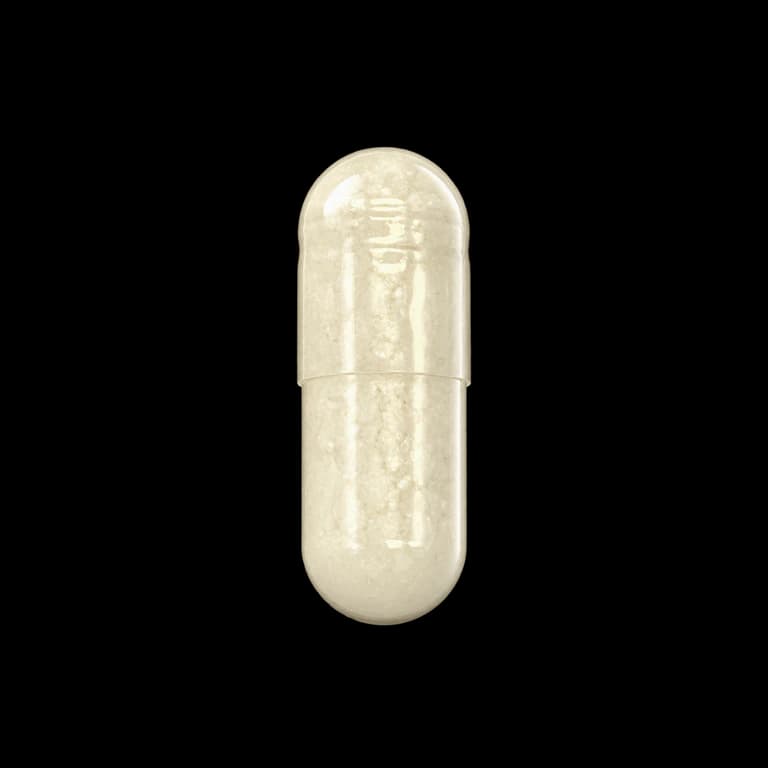
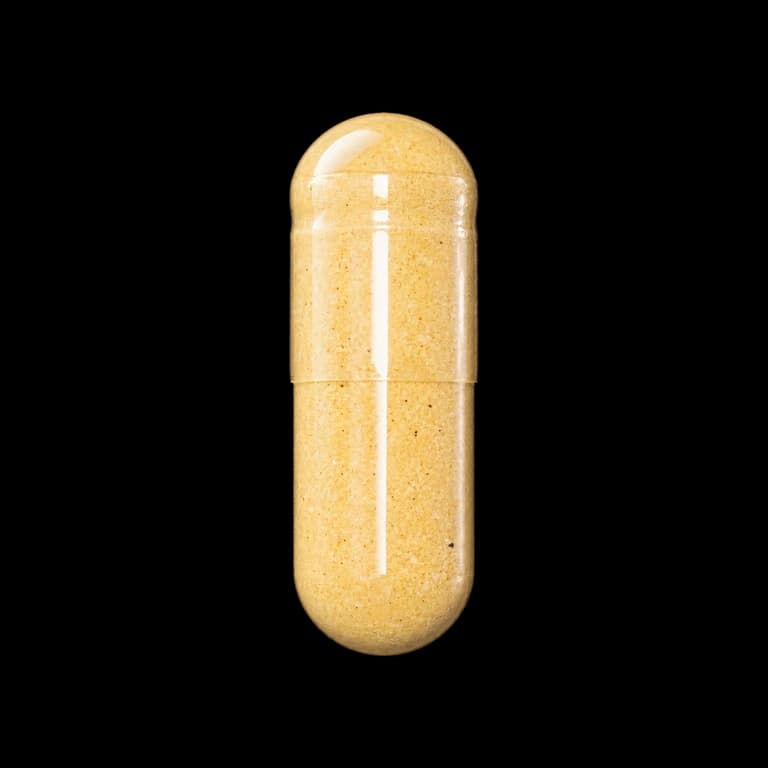
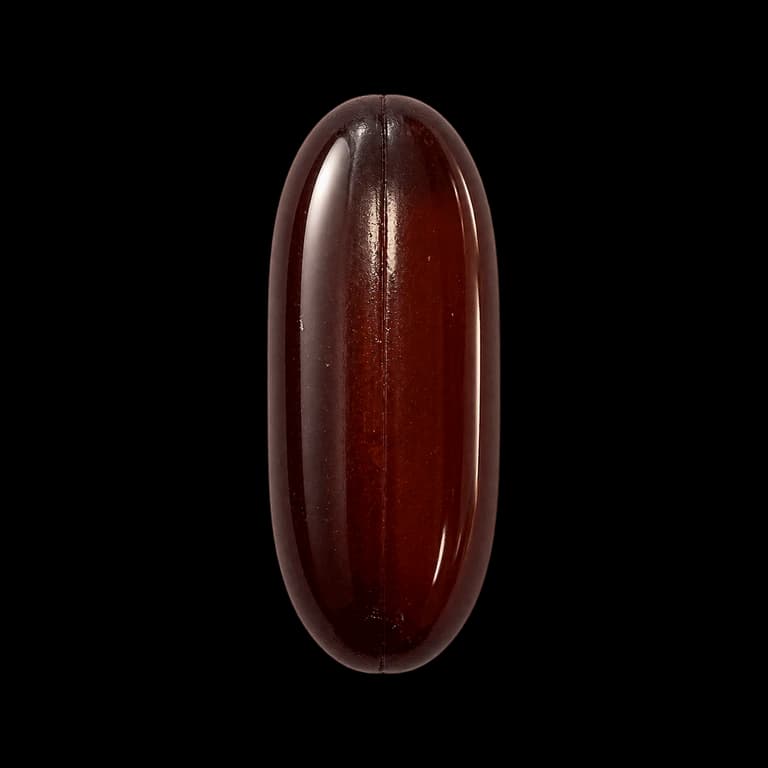
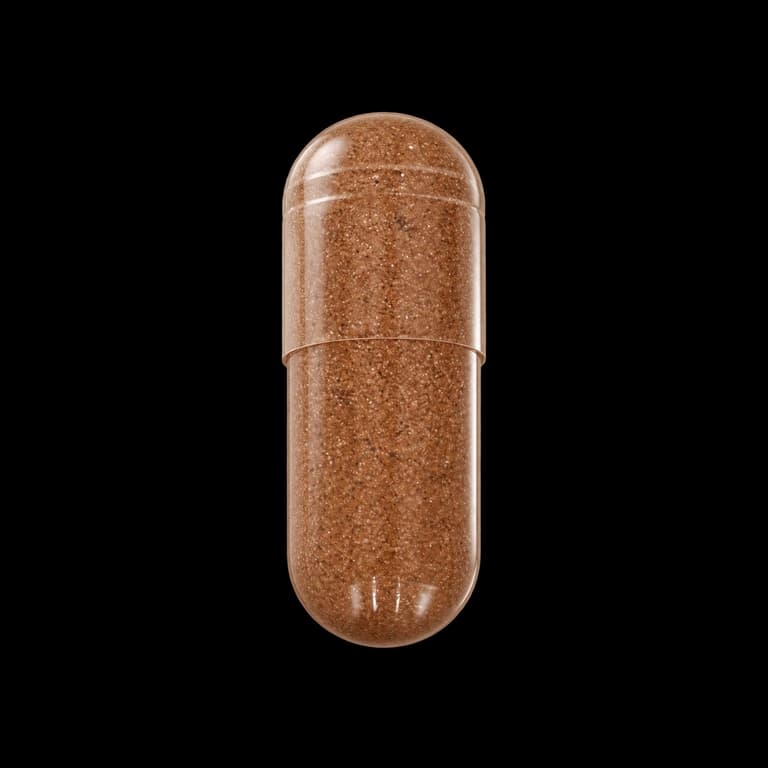
- cGMP-certifiedFacilities
- FDA-registeredFacilities
- Accredited labsIndependent testing
- Non-GMOIngredient options
- OrganicIngredient options
- VeganFormula options
These statements have not been evaluated by the Food and Drug Administration. These products are not intended to diagnose, treat, cure or prevent any disease.
Want it more precise? Get the app.
A page can only tell you about Carnitine. The app tells you about you: whether it fits, when to take it, and whether it's working.
- Checked against your blood work and everything you already take
- On your daily timeline, around your sleep, training and meals
- Followed over time, so you can see what moved

 CarnitineOPEN 09:00
Carnitine against your blood work, your sleep and what you already take.
 AI
Your INR has been steady on warfarin. Worth telling your clinic before you add carnitine?
ASK ABOUT CARNITINEFind the goal that's yours.
Your record, your routine and LifeFrom AI, pointed at the outcome that matters to you.




Questions
What is L-carnitine good for?
People mostly take it for exercise, recovery, weight and sperm quality. The research is mixed on the first three and more encouraging for sperm movement.
How long does L-carnitine take to work?
It's slow. Muscle levels took 24 weeks to rise in the best-known study. Soreness studies looked at much shorter periods, so you may not need to wait as long for that.
What are the side effects of L-carnitine?
Mostly nausea, cramps and diarrhea at higher amounts, and a fishy body odor. Allergic reactions and seizures have been reported, but they're uncommon.
Does L-carnitine burn fat?
It's a key part of how your cells burn fat, but that doesn't make it a fat burner. People lost about 1.3 kg more in studies, and the effect faded with time.
Who should not take L-carnitine?
Ask first if you have a seizure disorder, a thyroid condition or kidney failure, take warfarin, or are pregnant or breastfeeding.
Can I take L-carnitine every day?
Studies have given it daily for up to a year, and the muscle study ran for 24 weeks. Check with your doctor if you take other medicines.
Why does carnitine make me smell fishy?
Gut bacteria turn unabsorbed carnitine into a fishy-smelling compound. It's mainly seen at about 3 g a day.
Does L-carnitine raise heart risk?
It's an open question. Gut bacteria can turn carnitine into TMAO, which has been linked to heart risk, especially in meat eaters. Researchers don't yet know what that means for supplements.
Do vegans need carnitine?
Not usually. Healthy vegans and vegetarians make what they need, and in one study vegetarians had the same muscle stores as meat eaters before starting. After 12 weeks on a supplement, the vegetarians' stores rose 13% and the meat eaters' didn't.
Sources
- NIH Office of Dietary Supplements. Carnitine: fact sheet for health professionals.
- DailyMed. Levocarnitine tablet label.
- Wall BT et al. Chronic oral ingestion of L-carnitine and carbohydrate increases muscle carnitine content. J Physiol, 2011.
- Harper P et al. Pharmacokinetics of bolus intravenous and oral doses of L-carnitine in healthy subjects. Eur J Clin Pharmacol, 1988.
- Pooyandjoo M et al. The effect of (L-)carnitine on weight loss in adults. Obes Rev, 2016.
- Fielding R et al. l-Carnitine supplementation in recovery after exercise. Nutrients, 2018.
- Spiering BA et al. Responses of criterion variables to different supplemental doses of L-carnitine L-tartrate. J Strength Cond Res, 2007.
- Salas-Huetos A et al. The effect of nutrients and dietary supplements on sperm quality parameters. Adv Nutr, 2018.
- Koeth RA et al. l-Carnitine in omnivorous diets induces an atherogenic gut microbial pathway in humans. J Clin Invest, 2019.
- Benvenga S et al. Usefulness of L-carnitine, a naturally occurring peripheral antagonist of thyroid hormone action. J Clin Endocrinol Metab, 2001.
- Novakova K et al. Effect of L-carnitine supplementation on the body carnitine pool, skeletal muscle energy metabolism and physical performance in male vegetarians. Eur J Nutr, 2016.
Written by LifeFrom from these sources, and not yet reviewed by a clinician. Talk to your doctor before starting a supplement.