SupplementsAmino AcidsBCAA
BCAA
branched-chain amino acids, 2:1:1
Three amino acids your muscles love, with a reputation that has run a little ahead of the research.
- Builds up
- Days to weeks
- In your body
- Up for 2 hours
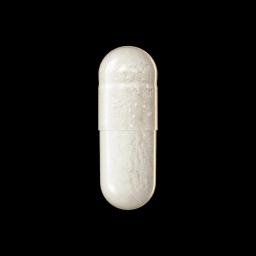
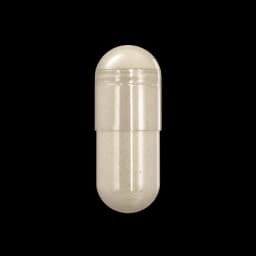
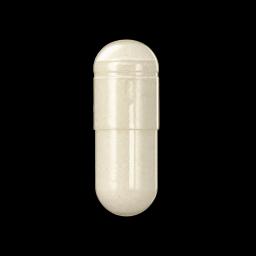
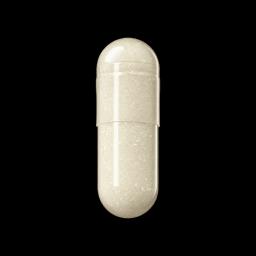
- Per 1 capsule
- 600 mg
- 30-day supply
- $4.20One capsule a day, plus packing and delivery
What is bcaa?
BCAA stands for branched-chain amino acids: leucine, isoleucine and valine. The name comes from their branched shape. All three are essential, which means your body can't make them, so they have to come from what you eat.
Any food with protein already gives you some. Gym culture turned them into a supplement because muscle handles them differently from most other amino acids.
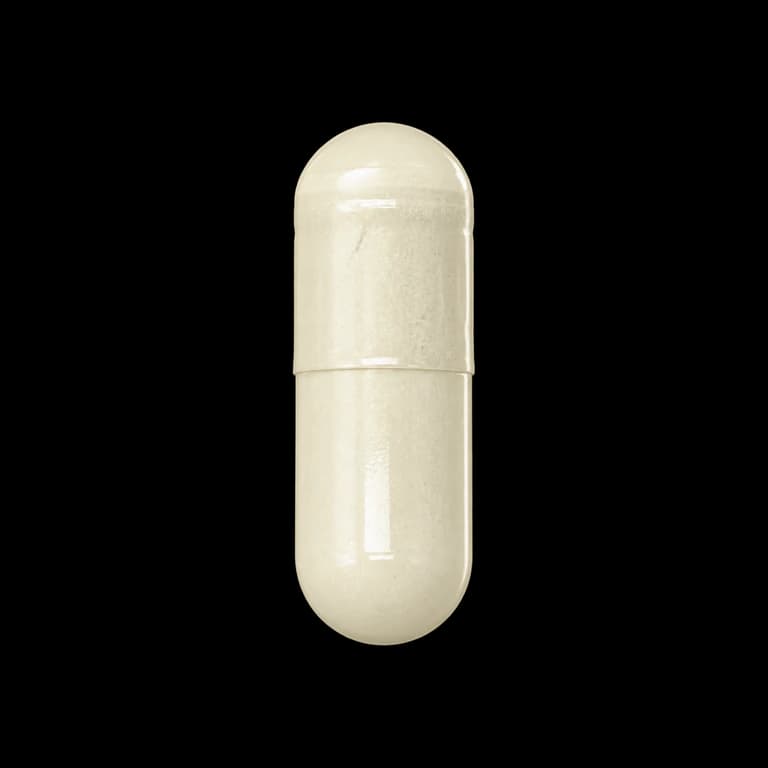
Ours holds 600 mg of a 2:1:1 blend in each capsule, which means two parts leucine to one part each of isoleucine and valine.
What it does
- Muscle proteinBuilding blocks of the protein in your muscles.
- RecoverySupports muscle recovery after hard exercise.
- Exercise fuelYour muscles can burn them for energy while you train.
- Nutrient signalsAct as signals that help your body sense protein coming in.
These statements have not been evaluated by the FDA. This product is not intended to diagnose, treat, cure or prevent any disease.
What people take it for
 Some evidenceMuscle sorenessStudies found less soreness in the days after a hard session, though not every review agrees.
 MixedBuilding muscleIt's the most common reason people buy them, and the weakest part of the case. Three amino acids can't build muscle alone.
 Early daysMental fatigue in long exerciseEarly studies suggest long efforts feel a bit easier and the mind stays fresher.
How long it takes
They aren't stored up the way creatine is. Still, the soreness benefit looked stronger in studies where people had been taking them for longer before the hard session.
- First 2 hoursBlood levels rise, because much of it goes straight past your liver
- 1 to 4 days after hard trainingWhen studies saw less soreness
- Longer runsTaking them for longer beforehand looked more effective
How long it stays in your body
We don't have a clean half-life number. After an amount large enough to measure, blood levels stayed well raised for about 2 hours. Nobody tracked it much past that, so the far end of this chart is a sketch.
What's in a capsule
One capsule holds 600 mg. One well-known soreness study used 100 mg per kilogram of body weight, about 7 g for a 70 kg person, so one capsule is well below that.
Why muscle gets them first, and the catch
Most amino acids are dealt with in your liver. BCAAs are different. The first step in breaking them down happens in muscle, so a big share of what you swallow goes right past your liver and into your blood.
Here's the catch. To build muscle, your body needs all nine essential amino acids, and BCAAs are only three of them. One well-known review looked for proof that BCAAs alone boost muscle building in people and came up empty. In the two studies where they were given directly into a vein, muscle building actually went down. There's a twist, too: in one study a small whey shake matched a much bigger one when extra leucine was added. The mix of all three didn't do quite as well.
There's also an insulin puzzle. People with insulin resistance often have higher BCAA levels in their blood. Nobody yet knows whether that's a cause or just a sign, so it's a good thing to look at on a blood test rather than to guess about.
What it interacts with
- Levodopa (for Parkinson's)Leucine and isoleucine compete with levodopa to reach your brain. In one study, large amounts undid its effect. Don't take them together without asking.
- Diabetes medicinesBCAAs might lower blood sugar, and the two together could take it too low.
- Thyroid medicinesThey might change how fast your body breaks down BCAAs. It's not clear this matters.
- Corticosteroids and diazoxideThey might blunt the effect of BCAAs on muscle protein. Not much is known.
Goes well with
Side effects
- Tiredness and loss of coordination have been reported, so be careful with driving or anything that takes steady hands if you notice them.
Check first if
- ALS: avoid them. A trial was stopped after 24 deaths among people taking large amounts, compared with 13 among those who weren't.
- Maple syrup urine disease, a rare inherited condition: avoid them. The body can't break these three amino acids down, and they build up to toxic levels.
- Liver cirrhosis: talk to your doctor first, because of how BCAAs can affect ammonia.
- Heavy alcohol use: has been linked to worse outcomes with these, so check first.
- Surgery: stop at least 2 weeks before a planned operation, as they may affect blood sugar control.
- Pregnancy or breastfeeding: there isn't enough safety data, so it's best to skip them. Our label is for adults only.
The blood tests that go with it
- CKA sign of muscle stress. It came down with BCAAs in studies.
- MyoglobinAnother sign of muscle damage, which stayed lower in one squat study.
- LDHA muscle damage marker that BCAAs didn't seem to move.
- HOMA-IRA read on insulin resistance, which tends to go with higher BCAA levels.
- Fasting insulinHelps show how your body is handling blood sugar.
- AmmoniaYour body makes it when it breaks BCAAs down, which matters most with liver problems.
Work it out


Supplementation
Or start from a ready-made protocol.
Start from one of these, or add it to your own. Everything comes in one pouch each morning.
Mind & balance
For your focused hours.
30-day pack · 5 a morning · 150 pills
$70.35 / month
Choose this packMind & balance
For a demanding day.
30-day pack · 6 a morning · 180 pills
$75.30 / month
Choose this packBody & skin
A skin-focused routine.
30-day pack · 6 a morning · 180 pills
$75.42 / month
Choose this packBody & skin
Put heart health in focus.
30-day pack · 7 a morning · 210 pills
$84.54 / month
Choose this packDaily foundations
Start with your gut.
30-day pack · 6 a morning · 180 pills
$98.70 / month
Choose this packBody & skin
A bone-focused foundation.
30-day pack · 6 a morning · 180 pills
$84.88 / month
Choose this packBody & skin
For an active life.
30-day pack · 5 a morning · 150 pills
$75.40 / month
Choose this packMind & balance
Make space for balance.
30-day pack · 6 a morning · 180 pills
$73.50 / month
Choose this packDaily foundations
Four mineral building blocks.
30-day pack · 4 a morning · 120 pills
$62.10 / month
Choose this packDaily foundations
An antioxidant-focused stack.
30-day pack · 6 a morning · 180 pills
$86.22 / month
Choose this packLife stages
Your everyday starting point.
30-day pack · 6 a morning · 180 pills
$79.62 / month
Choose this packLife stages
A broader daily foundation.
30-day pack · 7 a morning · 210 pills
$92.29 / month
Choose this packDaily foundations
For a plant-based routine.
30-day pack · 7 a morning · 210 pills
$86.10 / month
Choose this packYour own
Build your own pouch.
Know what you want to take? Pick each ingredient, and we time it through your day.
Build your own

- cGMP-certifiedFacilities
- FDA-registeredFacilities
- Accredited labsIndependent testing
- Non-GMOIngredient options
- OrganicIngredient options
- VeganFormula options
These statements have not been evaluated by the Food and Drug Administration. These products are not intended to diagnose, treat, cure or prevent any disease.
Want it more precise? Get the app.
A page can only tell you about BCAA. The app tells you about you: whether it fits, when to take it, and whether it's working.
- Checked against your blood work and everything you already take
- On your daily timeline, around your sleep, training and meals
- Followed over time, so you can see what moved

 BCAAOPEN 09:00
BCAA against your blood work, your sleep and what you already take.
 AI
Your CK was still high 3 days after leg day. Want to look at it next to your protein and your sleep that week?
ASK ABOUT BCAAFind the goal that's yours.
Your record, your routine and LifeFrom AI, pointed at the outcome that matters to you.

Questions
What is BCAA good for?
Mostly muscle soreness and recovery after hard training. There's less proof for muscle growth on its own.
How long does BCAA take to work?
Blood levels rise within a couple of hours. In studies, soreness eased over the 1 to 4 days after a hard session, and taking them for longer beforehand looked better.
What are BCAA side effects?
They seem well tolerated in most people. Tiredness and loss of coordination have been reported, and people with ALS, liver cirrhosis or maple syrup urine disease need to be careful.
Do BCAAs build muscle?
Not on their own. Your body needs all nine essential amino acids to build muscle, and BCAAs are only three. Protein foods give you all nine.
Do I need BCAAs if I eat enough protein?
Probably less so. Protein foods already contain them, along with the other essential amino acids that BCAAs lack.
Who should not take BCAA?
People with ALS or maple syrup urine disease, and anyone pregnant or breastfeeding. Ask your doctor first if you have liver cirrhosis, have surgery coming up, or take levodopa or diabetes medicines.
Can I take BCAA every day?
Many people do, and studies with longer runs used them daily. Long-term daily use hasn't been studied well, especially at large amounts.
Are BCAAs bad for insulin?
We don't know. Higher blood levels go along with insulin resistance, but they may be a result of it rather than a cause. A fasting insulin test or HOMA-IR is a good way to see where you stand.
What does 2:1:1 mean?
Two parts leucine to one part isoleucine and one part valine. Leucine usually gets the larger share because it's the one best known for signaling muscle to build.
Sources
- Wolfe RR. Branched-chain amino acids and muscle protein synthesis in humans: myth or reality? JISSN, 2017.
- Salem A et al. Attenuating muscle damage biomarkers and muscle soreness with BCAA supplementation. Sports Med Open, 2024.
- Rahimi MH et al. Branched-chain amino acid supplementation and exercise-induced muscle damage. Nutrition, 2017.
- Fedewa MV et al. Effect of branched-chain amino acid supplementation on muscle soreness following exercise. Int J Vitam Nutr Res, 2019.
- Shimomura Y et al. Branched-chain amino acid supplementation before squat exercise and delayed-onset muscle soreness. Int J Sport Nutr Exerc Metab, 2010.
- Holecek M. Branched-chain amino acids in health and disease. Nutr Metab, 2018.
- Lynch CJ, Adams SH. Branched-chain amino acids in metabolic signalling and insulin resistance. Nat Rev Endocrinol, 2014.
- Blomstrand E. Amino acids and central fatigue. Amino Acids, 2001.
- Nutt JG et al. The on-off phenomenon in Parkinson's disease. N Engl J Med, 1984.
- The Italian ALS Study Group. Branched-chain amino acids and amyotrophic lateral sclerosis: a treatment failure? Neurology, 1993.
- MedlinePlus Genetics. Maple syrup urine disease.
- Churchward-Venne TA et al. Leucine supplementation of a low-protein mixed macronutrient beverage enhances myofibrillar protein synthesis in young men. Am J Clin Nutr, 2014.
Written by LifeFrom from these sources, and not yet reviewed by a clinician. Talk to your doctor before starting a supplement.