SupplementsAmino AcidsGlutamine
Glutamine
L-glutamine
The most plentiful amino acid in your body, and fuel for the cells lining your gut and running your immune system.
- Builds up
- Doesn't build
- In your body
- About 1 hour
- Per 1 capsule
- 750 mg
- 30-day supply
- $7.50One capsule a day, plus packing and delivery
What is glutamine?
L-glutamine is the most abundant amino acid in your body. It makes up about 20% of the free amino acids in your blood, and about 40 to 60% of those in your liver and muscles.
Your body can normally make all it needs. But when it's under heavy strain, like serious illness or injury, it can use glutamine faster than it can make it. Immune cells burn through it about as quickly as they burn sugar.
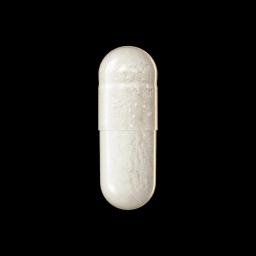
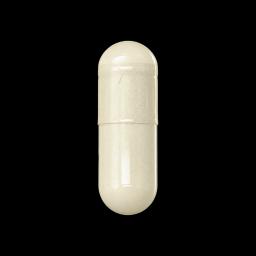
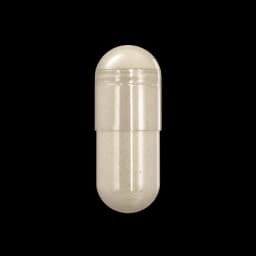
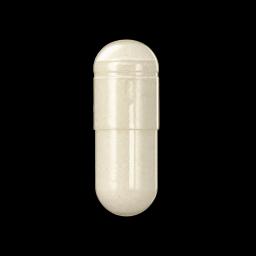
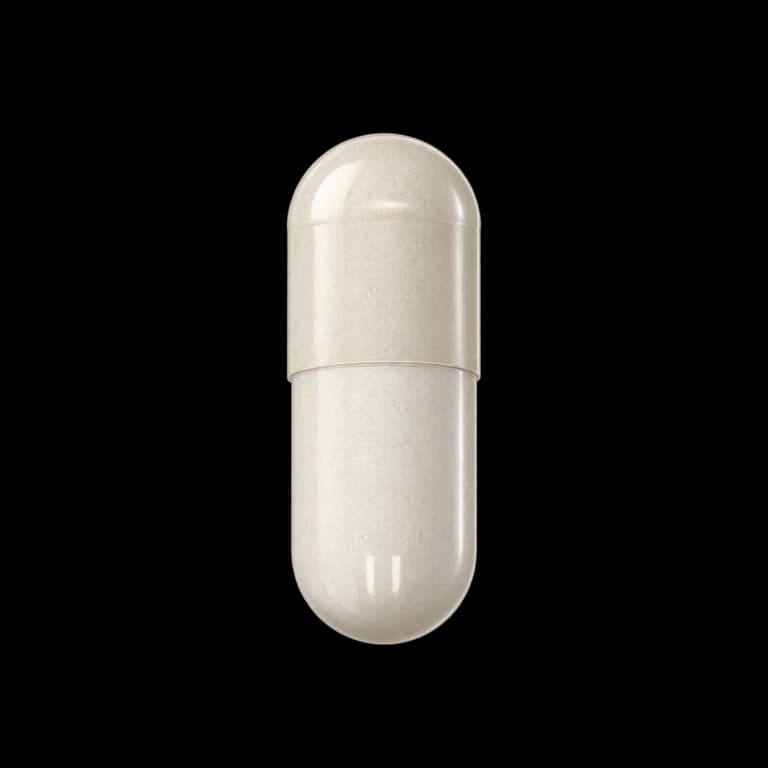
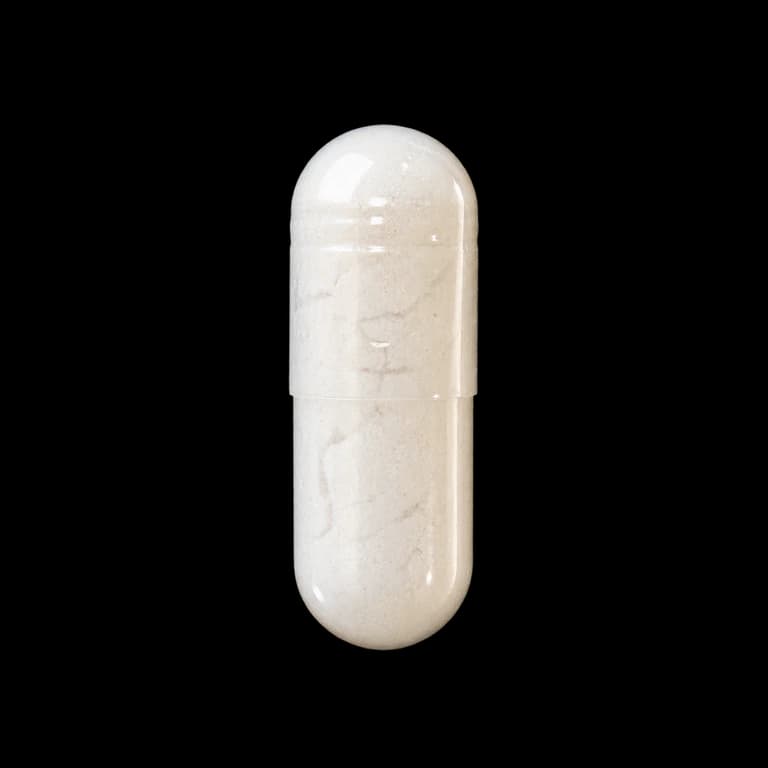
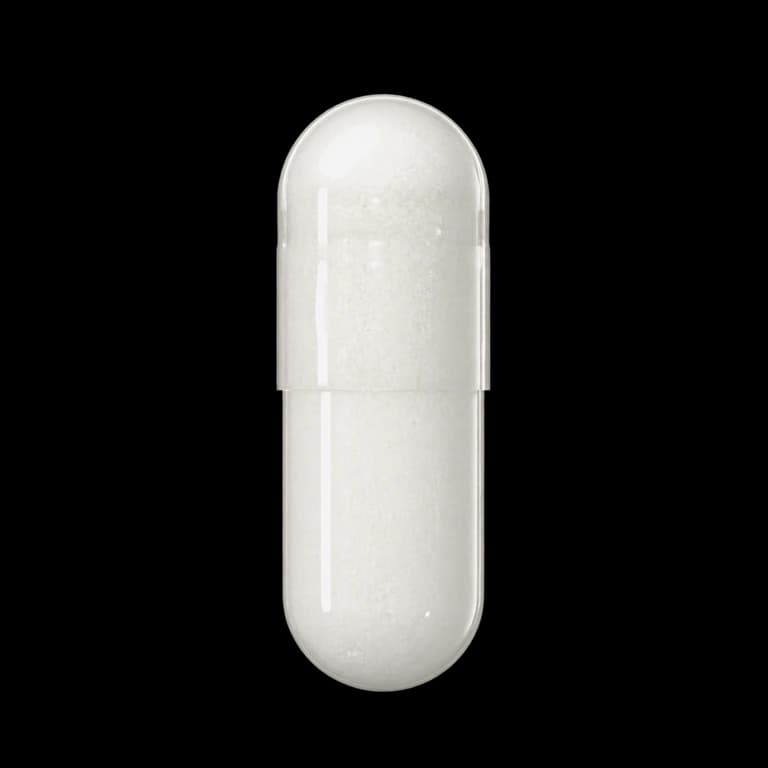
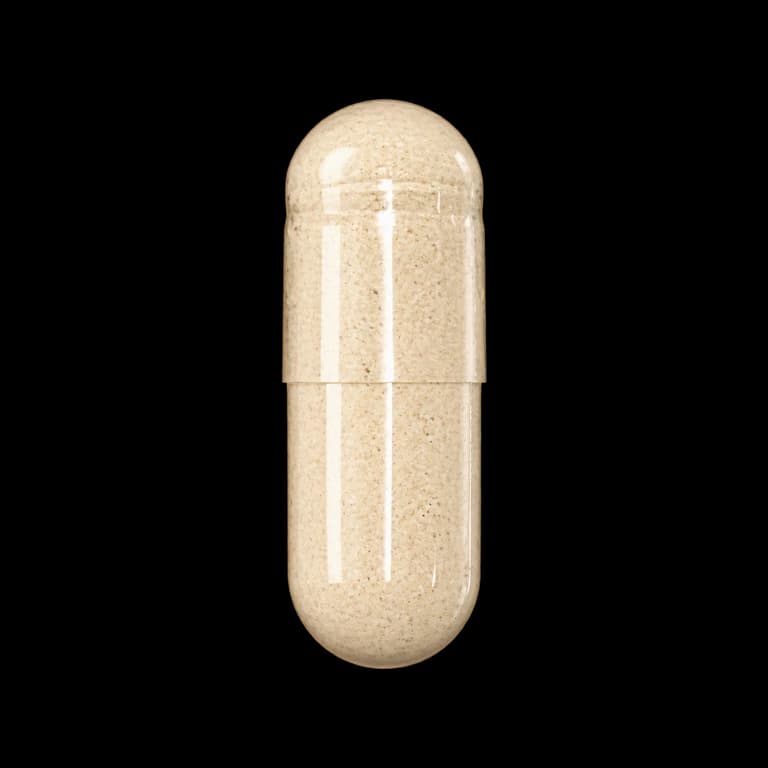
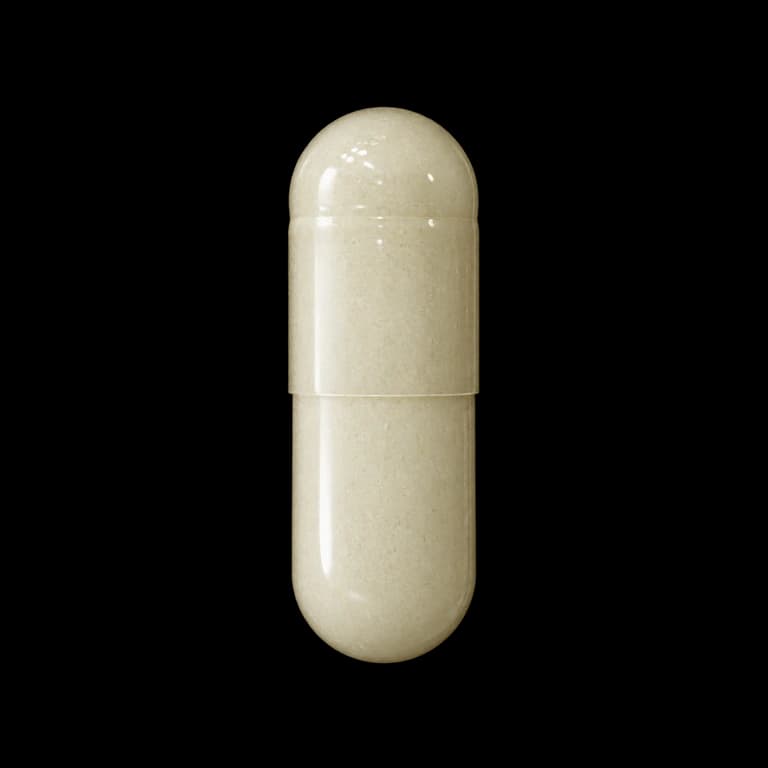
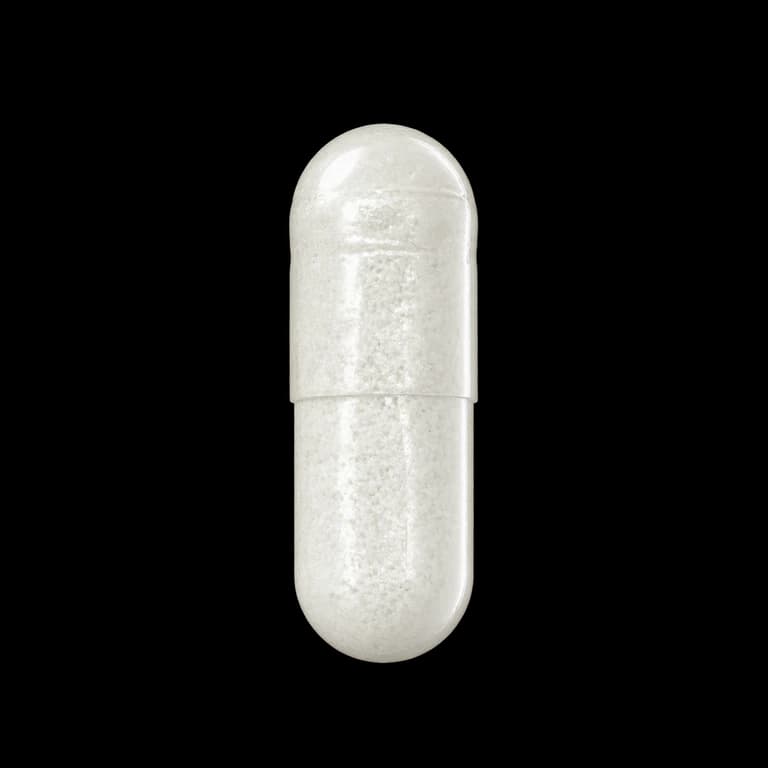
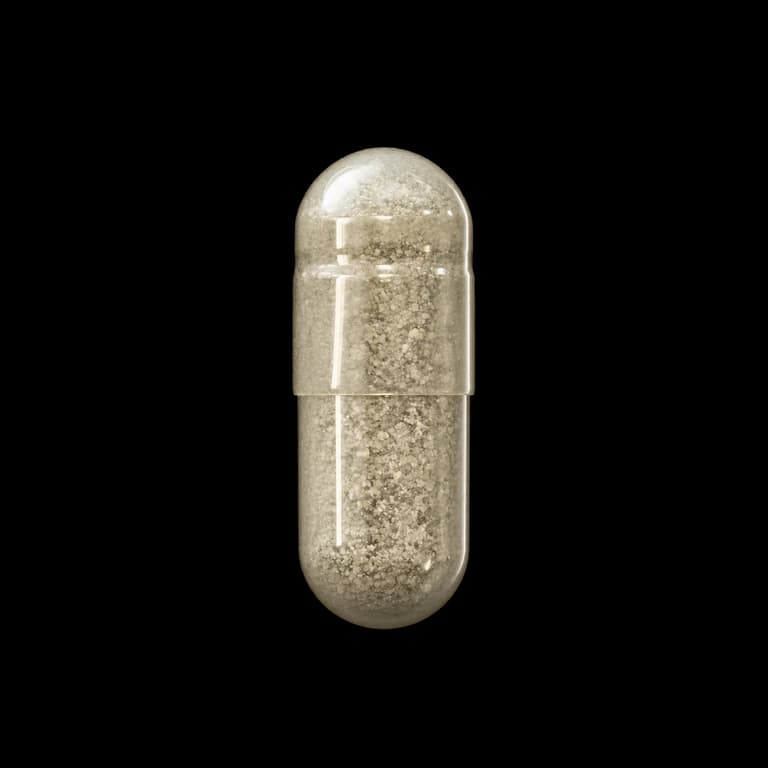
Ours comes in 750 mg capsules and is certified vegan.
What it does
- Gut liningHelps maintain the normal lining of your gut.
- Immune cellsA fuel your immune cells use to work and multiply.
- Nitrogen transportCarries nitrogen and ammonia safely around your body.
- ProteinA building block for the proteins your body makes.
These statements have not been evaluated by the FDA. This product is not intended to diagnose, treat, cure or prevent any disease.
What people take it for
 Early daysGut comfortIn one trial of people with lasting gut trouble after a stomach bug, about 8 in 10 improved on it. It needs repeating, and used far more than one capsule.
 MixedRecovery from trainingA popular reason to take it, with little support from studies in healthy, well-fed people.
 MixedImmune support in athletesBlood levels fall after long exercise, but keeping them up didn't stop the changes in immune function.
How long it takes
Your body uses it about as fast as it arrives. The gut trial looked at results after 8 weeks, so think in weeks for any change you'd notice.
- 30 to 60 minutesThe highest level in your blood
- A few hoursYour gut and other tissues have used most of it
- 8 weeksHow long the gut trial ran
How long it stays in your body
It peaks in your blood about 30 to 60 minutes after you swallow it, and about half is gone within an hour. Almost none leaves in urine, because your body uses it up.
What's in a capsule
One capsule holds 750 mg. The gut trial used 15 g a day, and intakes of 20 to 30 g at once have been studied in healthy adults, so one capsule is far below what those studies used.
Your gut eats first
A good part of the glutamine you swallow gets used right away by the cells of your small intestine, which burn it as fuel. That's why so much of the interest is in gut comfort.
One trial made headlines. Adults whose gut stayed unsettled after an infection took 15 g a day for 8 weeks, and about 80% improved, compared with about 6% on a dummy pill. A wider review was less exciting: across different groups, glutamine didn't clearly change how leaky the gut was, except at very large amounts over short periods.
Athletes are where the story fades most. Long, hard exercise does lower blood glutamine, and that's where the idea came from. But when researchers kept levels steady, immune function changed anyway, and a review found no effect on endurance or body composition. A prescription form also exists for sickle cell disease, at far higher amounts than a capsule, and that's a very different product from this one.
What it interacts with
- Cancer treatmentIt's still an open question whether large long-term intakes could feed tumor growth. Ask your oncologist first.
- Lactulose (for high ammonia)Glutamine can break down into ammonia, the thing lactulose is there to lower, so it could work against it. This doesn't matter when lactulose is used only for constipation.
- Seizure medicinesGlutamine can turn into glutamate, a brain messenger that excites nerve cells. This is a concern in theory rather than something seen in people, but ask your neurologist.
- Medicines in generalNo interaction studies have been done, so that doesn't mean none exist. Check with your pharmacist.
- Other amino acid supplementsGlutamine shares carriers with other amino acids, so large amounts can compete with them in your gut and kidneys.
Goes well with
Side effects
- Constipation, nausea, headache and stomach pain, based on the prescription form used at much larger amounts.
- Long-term very high intakes, around 40 g a day, may change how your body handles ammonia and other amino acids.
Check first if
- Liver cirrhosis: a large glutamine drink raises ammonia and is even used as a test for this. Talk to your doctor first.
- Seizures: glutamine can turn into glutamate, a brain messenger that excites nerve cells, so talk to your doctor first.
- Cancer: talk to your oncologist first.
- Pregnancy or breastfeeding: there's no good safety data, so check with your doctor.
- Stopping suddenly after long, very high intakes: your body may have adapted, so it's worth discussing.
The blood tests that go with it
- AmmoniaGlutamine breaks down into it, which matters most with liver problems.
- Stool zonulinOften used as a sign of how leaky your gut lining is.
- LymphocytesImmune cells that use glutamine to multiply.
- NeutrophilsImmune cells whose numbers shifted with glutamine in athlete studies.
- ALTA check on your liver, which handles much of your glutamine.
- Fasting glucoseYour body can turn glutamine into sugar, and one form raised blood sugar after exercise.
Work it out


Supplementation
Or start from a ready-made protocol.
Start from one of these, or add it to your own. Everything comes in one pouch each morning.
Mind & balance
For your focused hours.
30-day pack · 5 a morning · 150 pills
$70.35 / month
Choose this packMind & balance
For a demanding day.
30-day pack · 6 a morning · 180 pills
$75.30 / month
Choose this packBody & skin
A skin-focused routine.
30-day pack · 6 a morning · 180 pills
$75.42 / month
Choose this packBody & skin
Put heart health in focus.
30-day pack · 7 a morning · 210 pills
$84.54 / month
Choose this packDaily foundations
Start with your gut.
30-day pack · 6 a morning · 180 pills
$98.70 / month
Choose this packBody & skin
A bone-focused foundation.
30-day pack · 6 a morning · 180 pills
$84.88 / month
Choose this packBody & skin
For an active life.
30-day pack · 5 a morning · 150 pills
$75.40 / month
Choose this packMind & balance
Make space for balance.
30-day pack · 6 a morning · 180 pills
$73.50 / month
Choose this packDaily foundations
Four mineral building blocks.
30-day pack · 4 a morning · 120 pills
$62.10 / month
Choose this packDaily foundations
An antioxidant-focused stack.
30-day pack · 6 a morning · 180 pills
$86.22 / month
Choose this packLife stages
Your everyday starting point.
30-day pack · 6 a morning · 180 pills
$79.62 / month
Choose this packLife stages
A broader daily foundation.
30-day pack · 7 a morning · 210 pills
$92.29 / month
Choose this packDaily foundations
For a plant-based routine.
30-day pack · 7 a morning · 210 pills
$86.10 / month
Choose this packYour own
Build your own pouch.
Know what you want to take? Pick each ingredient, and we time it through your day.
Build your own

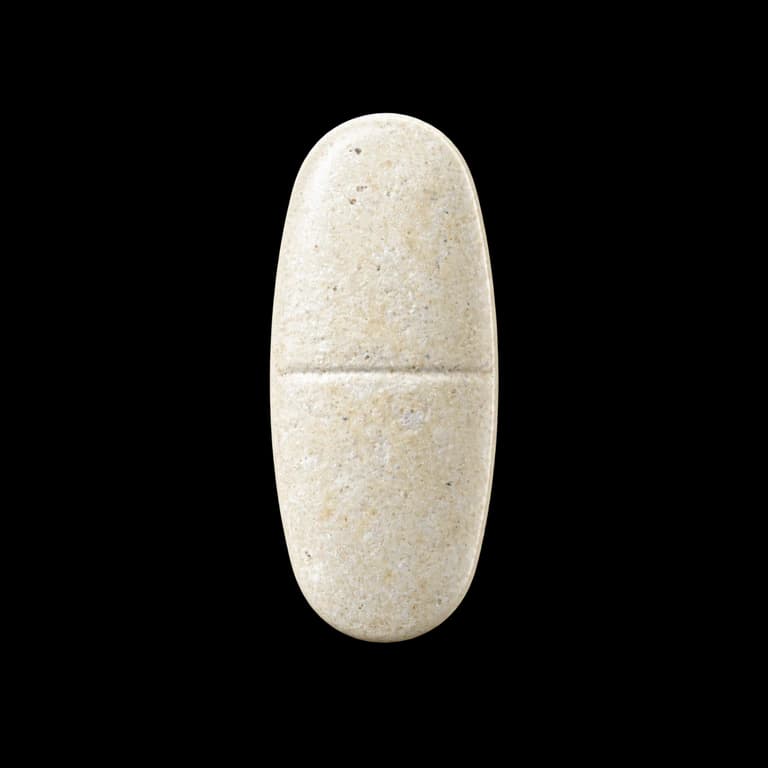

- cGMP-certifiedFacilities
- FDA-registeredFacilities
- Accredited labsIndependent testing
- Non-GMOIngredient options
- OrganicIngredient options
- VeganFormula options
These statements have not been evaluated by the Food and Drug Administration. These products are not intended to diagnose, treat, cure or prevent any disease.
Want it more precise? Get the app.
A page can only tell you about Glutamine. The app tells you about you: whether it fits, when to take it, and whether it's working.
- Checked against your blood work and everything you already take
- On your daily timeline, around your sleep, training and meals
- Followed over time, so you can see what moved

 GlutamineOPEN 09:00
Glutamine against your blood work, your sleep and what you already take.
 AI
Your gut has felt calmer this month, and your ALT looks steady. Want to compare it with what you've been eating?
ASK ABOUT GLUTAMINEFind the goal that's yours.
Your record, your routine and LifeFrom AI, pointed at the outcome that matters to you.

Questions
What is L-glutamine good for?
Mostly gut comfort and supporting your immune cells and gut lining. Athletes also take it for recovery, though the research there is weak.
How long does L-glutamine take to work?
It reaches your blood in under an hour, but any change you'd feel takes longer. The best-known gut trial ran for 8 weeks.
What are the side effects of L-glutamine?
Constipation, nausea, headache and stomach pain are the most common, mainly seen with large amounts. Very high long-term intakes may change how your body handles ammonia.
Is L-glutamine good for your gut?
It's fuel for your gut cells, and one trial in people with lasting gut trouble after an infection looked very good. Larger studies still need to confirm it, and that trial used much more than one capsule.
Does L-glutamine help build muscle?
There's little evidence it does in healthy, well-fed people. Reviews found no effect on muscle mass or endurance.
Who should not take L-glutamine?
Talk to your doctor first if you have liver cirrhosis, have cancer, or are pregnant or breastfeeding.
Can I take L-glutamine every day?
Published studies support its safety in healthy adults at intakes up to 14 g a day. There's less evidence on years of use, especially at very large amounts.
Does L-glutamine interact with medicines?
No formal interaction studies have been done, so we can't say there are none. If you take regular medicine or are having cancer treatment, ask first.
Does glutamine help a leaky gut?
A review across many groups found no overall change. It only saw a difference at very large amounts for short periods, so it's far from settled.
Sources
- Cruzat V et al. Glutamine: metabolism and immune function, supplementation and clinical translation. Nutrients, 2018.
- Zhou Q et al. Randomised placebo-controlled trial of dietary glutamine supplements for postinfectious irritable bowel syndrome. Gut, 2019.
- Abbasi F et al. A systematic review and meta-analysis of clinical trials on the effects of glutamine supplementation on gut permeability in adults. Amino Acids, 2024.
- Gleeson M. Dosing and efficacy of glutamine supplementation in human exercise and sport training. J Nutr, 2008.
- Ramezani Ahmadi A et al. The effect of glutamine supplementation on athletic performance, body composition, and immune function. Clin Nutr, 2019.
- Holecek M. Side effects of long-term glutamine supplementation. JPEN, 2013.
- Shao A, Hathcock JN. Risk assessment for the amino acids taurine, L-glutamine and L-arginine. Regul Toxicol Pharmacol, 2008.
- Ziegler TR et al. Safety and metabolic effects of L-glutamine administration in humans. JPEN, 1990.
- Ampuero J et al. Oral glutamine challenge is a marker of altered ammonia metabolism and predicts the risk of hepatic encephalopathy. Liver Int, 2020.
- DailyMed. Endari (L-glutamine oral powder) label.
Written by LifeFrom from these sources, and not yet reviewed by a clinician. Talk to your doctor before starting a supplement.