SupplementsProbiotics10B Probiotic
10B Probiotic
10 types of bacteria, with inulin and FOS
Live bacteria that mostly pass through as visitors rather than moving in, and they work differently from one person to the next.
- Builds up
- Days to weeks
- In your body
- Gone in weeks
- Per 1 capsule
- 12 ingredients
- 30-day supply
- $9.60One capsule a day, plus packing and delivery
What is 10b probiotic?
Probiotics are live microorganisms meant to do you some good when you take them. Your gut is already home to a huge community of bacteria, often called your microbiome. Probiotics are short-term guests in that community.
Ours blends 10 types of bacteria, 8 from the Lactobacillus family and 2 from Bifidobacterium, the kinds you find in yogurt and fermented foods. It also holds inulin and FOS, plant fibers known as prebiotics, which act as food for gut bacteria.
You might see different names on other labels. In 2020 scientists split the old Lactobacillus group into 25 separate groups, so Lactobacillus casei and its cousins may now go by longer names.
What it does
- Gut balanceHelps maintain a healthy balance of gut bacteria.
- DigestionSupports normal digestion and regularity.
- FiberThe added inulin and FOS help feed the bacteria already living in your gut.
These statements have not been evaluated by the FDA. This product is not intended to diagnose, treat, cure or prevent any disease.
What people take it for
 Some evidenceAround antibioticsPeople were about half as likely to get loose stools when they took probiotics with antibiotics, though the evidence is tentative. A benefit hasn't been shown in older adults.
 MixedBloating and belly discomfortThere may be some benefit for irritable bowel symptoms, but which strains help is still unclear.
 Early daysRegularitySome studies found benefit for constipation in adults and older adults.
How long it takes
Bacteria reach your gut within days. How long you should wait before judging it isn't clear, as research varies by strain. If nothing has changed after a few weeks, it may not be the one for you.
- DaysBacteria survive the trip and show up in your gut
- WeeksWhen many people decide if it's helping, though there's no fixed answer
- Over a week after stoppingIn one study, a strain was still attached to the gut lining, but on its way out
How long it stays in your body
Probiotics rarely move in for good. In one study a strain stayed attached to the gut lining for over a week after people stopped, and then it faded.
What's in a capsule
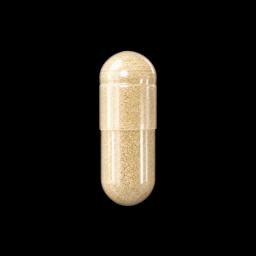
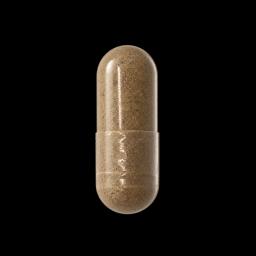
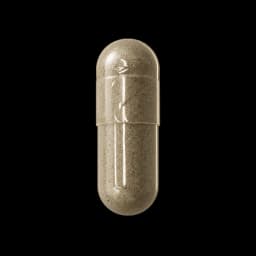
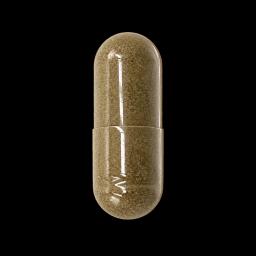
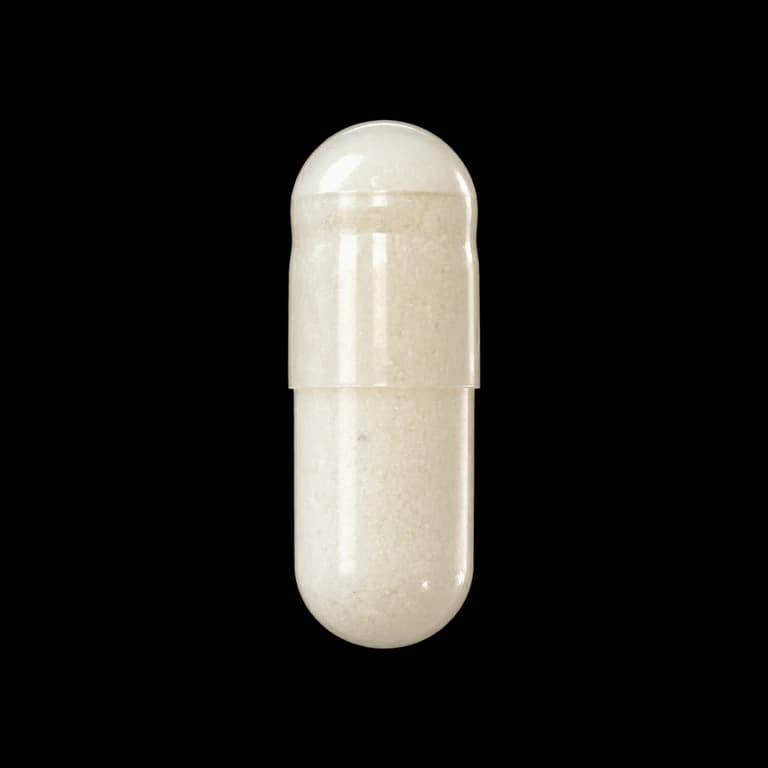
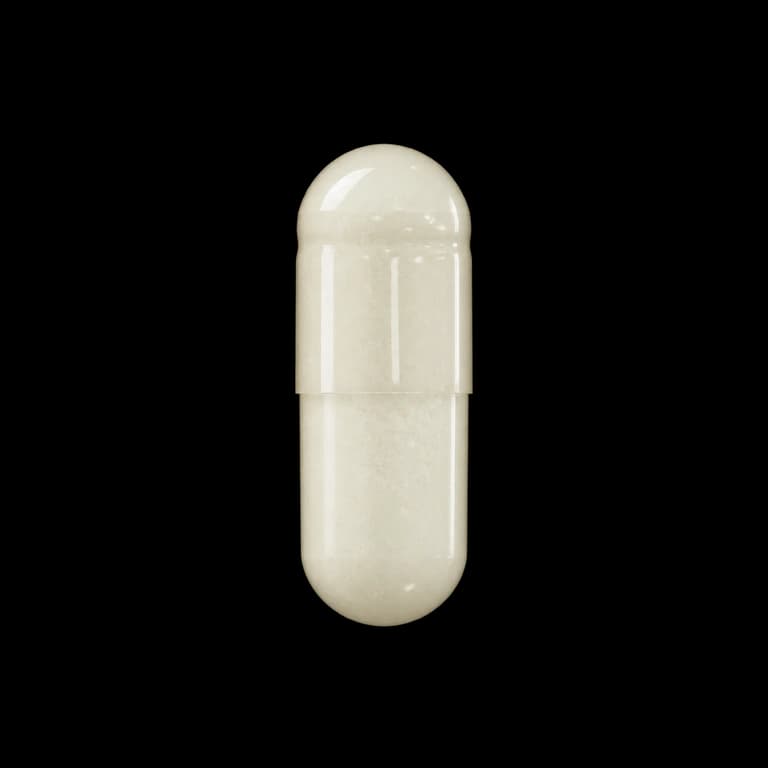
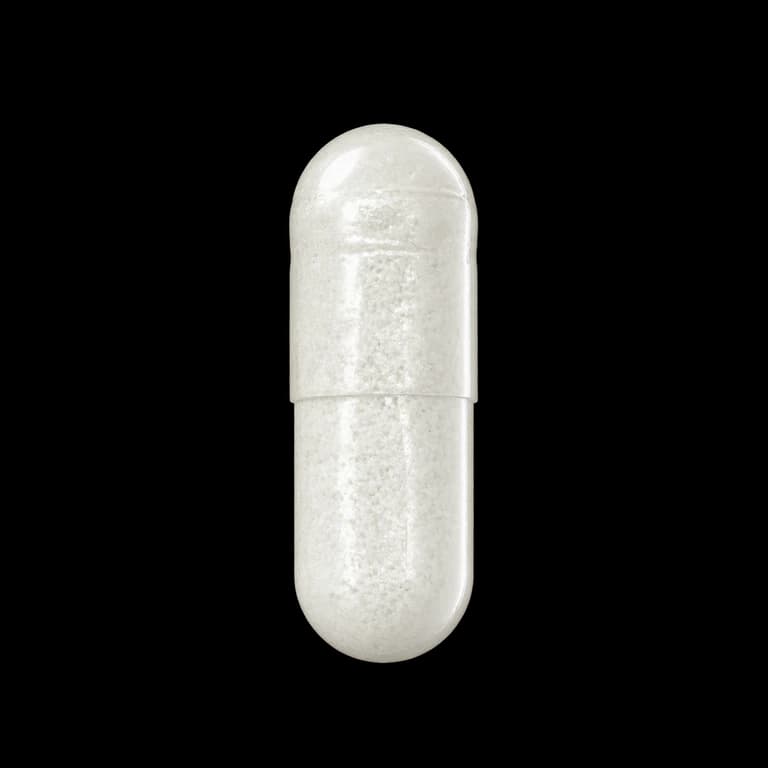
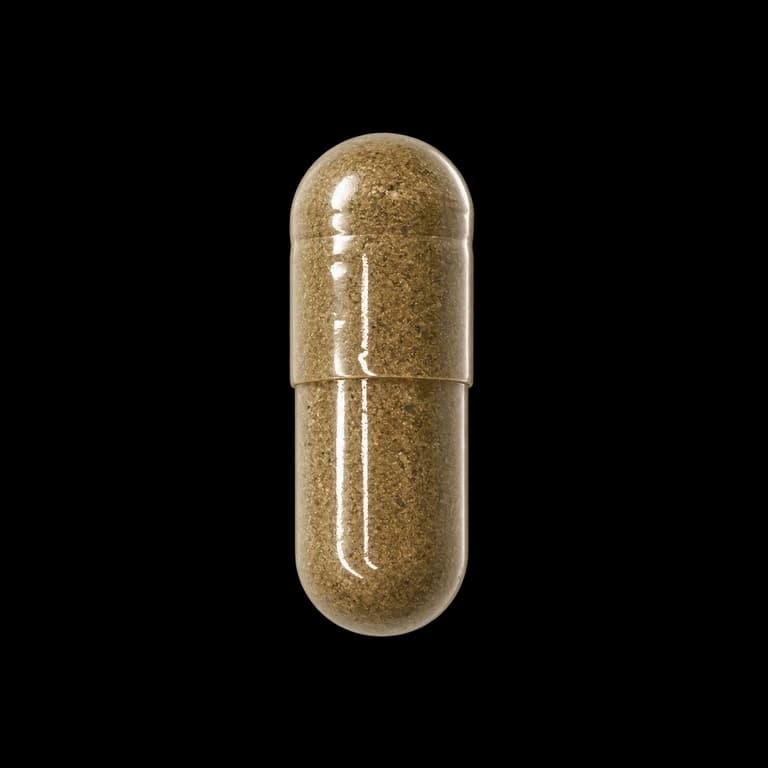
One capsule holds a 39 mg blend of the 10 types and 100 mg of inulin and FOS. Our supplier's label lists the blend by weight and doesn't give a live count, so we won't quote one here. The fiber is a small amount, far less than the 5 g or more that caused bloating in studies.
Visitors, not residents
Your gut tends to protect its existing residents. When researchers looked directly inside people's guts using scopes, not just at stool samples, probiotics made it through alive, but some people's guts took them up and others resisted. The difference could be predicted from their gut bacteria at the start. So the same capsule can act differently in you and your friend.
Strain matters too. A result from one strain doesn't automatically apply to another, and in most cases researchers don't yet know which ones help with what. That's why it's reasonable to try one for a while, watch how you feel and stop if nothing changes.
There's a twist with antibiotics. Probiotics can help with loose stools during a course. But in one study, people who took probiotics after antibiotics took longer for their normal gut bacteria to come back than those who took nothing. That research is small and early, but it's worth knowing that more isn't always better.
What it interacts with
- Immune-suppressing medicinesThese bacteria are alive, so infections are possible if your immune system is weak. Ask your doctor first.
- AntibioticsProbiotics may help with loose stools, but they could also slow your normal gut recovery afterward. Ask your doctor how to time them.
- Stool and gut testsTell the lab or doctor that you take one, since it may show up in microbiome results.
Goes well with
Side effects
- Gas or bloating, which can come from the fiber as well as the bacteria.
- In a small group of people with bloating and brain fog, stopping probiotics helped, so stop if it feels worse.
- Rarely, infections in people who are very unwell.
- Across the market, some probiotic products have been found to contain microbes not listed on the label.
Check first if
- Weak immune system or serious illness: talk to your doctor first. Infections are the main risk.
- Premature babies: don't give probiotics. The FDA warned about severe, potentially fatal infections in them.
- Pregnancy or breastfeeding: ask your doctor, as the label also advises.
- Severe belly pain, fever or blood in your stool: see a doctor rather than trying a probiotic.
The blood tests that go with it
- LactobacillusStool test for the family most of these strains come from.
- BifidobacteriumStool test for the other family in this blend.
- Gut diversityA broad view of how varied your gut bacteria are.
- Fecal calprotectinShows inflammation in the gut, and whether something else needs a look.
- hs-CRPA general marker of inflammation, which came down a little in studies of people with prediabetes or type 2 diabetes.
Supplementation
Find 10B Probiotic in a ready-made protocol.
Start from one of these, or add it to your own. Everything comes in one pouch each morning.
Body & skin
A skin-focused routine.
30-day pack · 6 a morning · 180 pills
$75.42 / month
Choose this packDaily foundations
Start with your gut.
30-day pack · 6 a morning · 180 pills
$98.70 / month
Choose this packBody & skin
A bone-focused foundation.
30-day pack · 6 a morning · 180 pills
$84.88 / month
Choose this packLife stages
Your everyday starting point.
30-day pack · 6 a morning · 180 pills
$79.62 / month
Choose this packLife stages
A broader daily foundation.
30-day pack · 7 a morning · 210 pills
$92.29 / month
Choose this packYour own
Build your own pouch.
Know what you want to take? Pick each ingredient, and we time it through your day.
Build your own
- cGMP-certifiedFacilities
- FDA-registeredFacilities
- Accredited labsIndependent testing
- Non-GMOIngredient options
- OrganicIngredient options
- VeganFormula options
These statements have not been evaluated by the Food and Drug Administration. These products are not intended to diagnose, treat, cure or prevent any disease.
Want it more precise? Get the app.
A page can only tell you about 10B Probiotic. The app tells you about you: whether it fits, when to take it, and whether it's working.
- Checked against your blood work and everything you already take
- On your daily timeline, around your sleep, training and meals
- Followed over time, so you can see what moved

 10B ProbioticOPEN 09:00
10B Probiotic against your blood work, your sleep and what you already take.
 AI
Your bloating eased on the days you slept better. Let's see whether the probiotic is adding anything, too.
ASK ABOUT 10B PROBIOTICFind the goal that's yours.
Your record, your routine and LifeFrom AI, pointed at the outcome that matters to you.


Questions
What are probiotics good for?
Mostly gut health: loose stools around antibiotics, regularity, and bloating or belly discomfort. Results differ by strain and person.
How long do probiotics take to work?
There's no one answer. Bacteria reach your gut within days. Many people give it a few weeks, and if nothing has changed by then, it may not be the right one.
Probiotics side effects: what are they?
Gas and bloating are the most common. In people who are very unwell or have weak immune systems, infections are possible.
Do probiotics stay in your gut?
Mostly not. They're short-term visitors. One study found a strain stayed for over a week after stopping, then faded.
Can I take probiotics every day?
Yes, most people who use them do, because they don't stay long. Long-term research is limited, so check in with how you feel.
Who should not take probiotics?
Anyone with a weak immune system or serious illness should ask first. Premature babies should not be given them.
What's the difference between a probiotic and a prebiotic?
Probiotics are live bacteria. Prebiotics are the food for them. This capsule has both: 10 types of bacteria plus inulin and FOS.
Does food count?
Fermented foods like yogurt supply live bacteria too, though the types and amounts vary and not all of them count as probiotics.
Sources
- NIH National Center for Complementary and Integrative Health. Probiotics: usefulness and safety.
- Hempel S et al. Probiotics for the prevention and treatment of antibiotic-associated diarrhea. JAMA, 2012.
- Zmora N et al. Personalized gut mucosal colonization resistance to empiric probiotics. Cell, 2018.
- Suez J et al. Post-antibiotic gut mucosal microbiome reconstitution is impaired by probiotics and improved by autologous FMT. Cell, 2018.
- Alander M et al. Persistence of colonization of human colonic mucosa by a probiotic strain, Lactobacillus rhamnosus GG. Appl Environ Microbiol, 1999.
- Derrien M, van Hylckama Vlieg JET. Fate, activity, and impact of ingested bacteria within the human gut microbiota. Trends Microbiol, 2015.
- Goodoory VC et al. Efficacy of probiotics in irritable bowel syndrome. Gastroenterology, 2023.
- Zheng J et al. A taxonomic note on the genus Lactobacillus. Int J Syst Evol Microbiol, 2020.
- Holscher HD et al. Gastrointestinal tolerance and utilization of agave inulin by healthy adults. Food Funct, 2014.
- Rao SSC et al. Brain fogginess, gas and bloating: a link between SIBO, probiotics and metabolic acidosis. Clin Transl Gastroenterol, 2018.
- Setayesh A et al. Probiotics and synbiotics supplementation reduce inflammatory cytokines in individuals with prediabetes and type 2 diabetes mellitus. Adv Nutr, 2025.
- Hill C et al. International Scientific Association for Probiotics and Prebiotics consensus statement on the scope and appropriate use of the term probiotic. Nat Rev Gastroenterol Hepatol, 2014.
Written by LifeFrom from these sources, and not yet reviewed by a clinician. Talk to your doctor before starting a supplement.