SupplementsMineralsZinc
Zinc
Your body can't really store zinc, so a little has to arrive regularly, and a lot for too long quietly drains your copper.
- Builds up
- Months
- In your body
- No single number
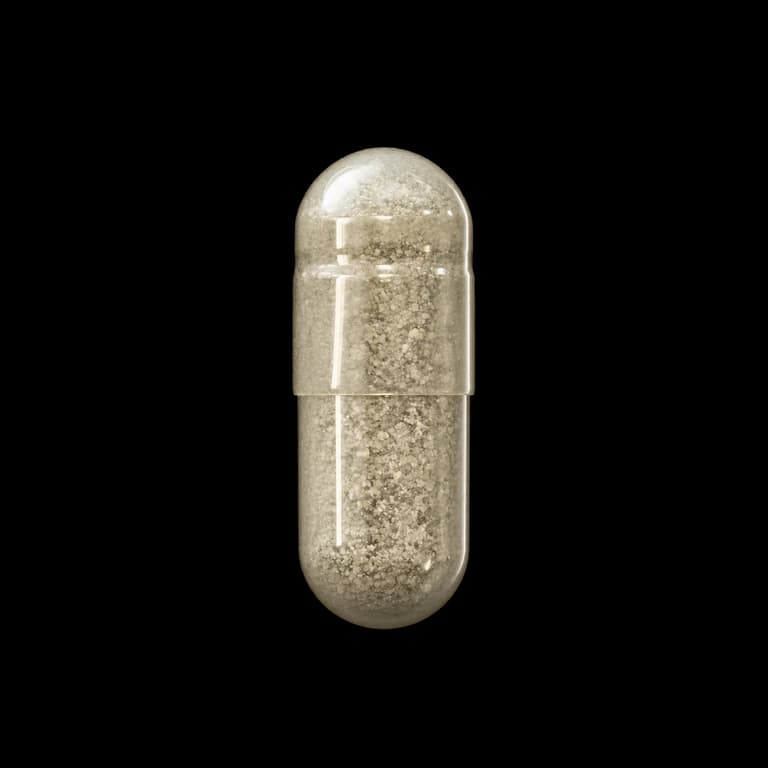
- Per 1 capsule
- 25 mg
- 30-day supply
- $4.20One capsule a day, plus packing and delivery
What is zinc?
Zinc is an essential mineral used in more than 300 of your body's enzyme reactions. It helps your immune system, skin and wound healing, and it's needed for taste, smell, growth and making new cells.
More than 85% of it sits in your muscles and bones, and only about 0.1% is in your blood. Meat is the best food source, especially beef, pork, lamb and dark chicken. Plant foods also contain zinc, but your body absorbs it less easily, so vegans can run short.
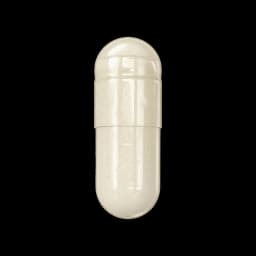
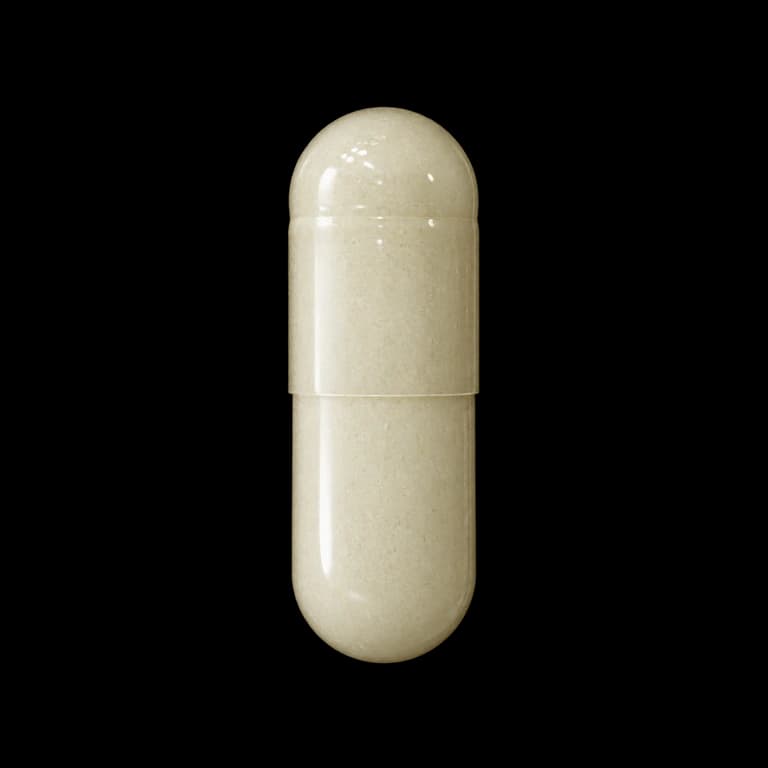
Our label lists the mineral simply as zinc, without naming a form. It suggests taking it with meals.
What it does
- Immune systemSupports normal immune function.
- SkinSupports healthy skin and normal wound healing.
- Taste and smellHelps maintain your senses of taste and smell.
- HormonesSupports normal testosterone levels.
These statements have not been evaluated by the FDA. This product is not intended to diagnose, treat, cure or prevent any disease.
What people take it for
 MixedColds and immune supportTaking zinc doesn't seem to stop you catching colds. It may shorten one, mostly in studies of lozenges at higher amounts than this.
 Some evidenceSkin and acnePeople with acne tend to have lower zinc, and studies found fewer inflamed spots with it.
 Early daysLow testosterone from low zincIn small studies, cutting zinc lowered testosterone and adding it back raised it in older men who were low. Don't expect a boost if your zinc is fine.
How long it takes
If you've been low, your body catches up slowly. In small studies of men, zinc took 3 to 6 months to shift testosterone, so think in months rather than days.
- HoursAbsorbed in your small intestine. Too much at once can cause nausea or cramps within 3 to 10 hours
- MonthsYour body slowly catches up if you were low
- Long termHigh amounts can start to lower your copper, so it's worth checking
How long it stays in your body
A tiny amount moves quickly through your blood, while most sits in muscle and bone. That isn't a reserve your body can easily draw on, so it needs a steady supply.
What's in a capsule
One capsule holds 25 mg, or 227% of the daily value. Men need about 11 mg a day and women about 8 mg, and the adult upper limit is 40 mg from all sources. The small testosterone study used about 30 mg a day. Cold lozenge studies used more than 75 mg a day, in a different form.
Why zinc and copper are a pair
Zinc and copper compete. When you take a lot of zinc, you absorb less copper. That's so reliable that doctors use zinc to lower copper in Wilson's disease, a condition where too much builds up.
If you don't have that condition, this is the side effect to know. Over time, too much zinc can cause low copper, with anemia and a low white cell count, and it can also reduce good HDL cholesterol. The 40 mg adult limit was set with this copper effect in mind.
Testing is tricky too. Your body holds blood zinc in a tight range, so a blood test isn't very sensitive and a normal result won't always tell you much. It's more useful alongside your diet and how you feel. Whole grains and beans contain phytate, a natural compound that also binds zinc and reduces how much you absorb.
What it interacts with
- Some antibiotics (ciprofloxacin, tetracycline)Take zinc at least 6 hours before or 2 hours after ciprofloxacin. Keep tetracycline at least 3 hours apart.
- PenicillamineThis medicine and zinc each cut how much of the other you absorb. Ask your doctor how to time them.
- Iron and calciumLarge amounts can reduce how much zinc you absorb, so some people take them at different times.
- Water pills (thiazides)These make you lose more zinc in your urine over time. Ask your doctor before you start topping up.
- CopperZinc crowds out copper over time. If you take zinc long term, a copper test is a good idea.
- Trace Minerals and MultivitaminOur Trace Minerals capsule holds 30 mg of zinc, so together you get 55 mg, above the 40 mg upper limit, and our Vegan pack contains both. Our Multivitamin holds 15 mg, which with this capsule lands right on the limit before you count food.
Goes well with
Side effects
- Nausea, stomach cramps, vomiting or diarrhea, especially with too much at once.
- Colds studies found more mild side effects, like a bad taste with lozenges.
- Long-term high amounts can lower your copper, iron and magnesium, and cause anemia. Numbness or tingling can be a sign of low copper, so mention it.
Check first if
- Taking it long term: get your copper checked, and mention any unusual tiredness, numbness or tingling.
- Zinc nasal sprays and gels: these have been linked to loss of smell. This capsule isn't one, but it's worth knowing.
- Pregnancy or breastfeeding: your needs go up slightly, to 11 or 12 mg, so ask your doctor whether this amount fits.
- Kidney disease: talk to your doctor first.
The blood tests that go with it
- ZincThe usual test, though it isn't very sensitive.
- CopperCan fall if you take a lot of zinc for a long time.
- CeruloplasminThe protein that carries copper in your blood.
- Total testosteroneCan drop if your zinc gets low.
- HDL cholesterolHigh zinc has been linked to lower HDL.
- NeutrophilsA type of white cell that can drop with low copper.
- HemoglobinCan fall if low copper leads to anemia.
Work it out

Supplementation
Find Zinc in a ready-made protocol.
Start from one of these, or add it to your own. Everything comes in one pouch each morning.
Body & skin
A skin-focused routine.
30-day pack · 6 a morning · 180 pills
$75.42 / month
Choose this packMind & balance
Make space for balance.
30-day pack · 6 a morning · 180 pills
$73.50 / month
Choose this packDaily foundations
For a plant-based routine.
30-day pack · 7 a morning · 210 pills
$86.10 / month
Choose this packYour own
Build your own pouch.
Know what you want to take? Pick each ingredient, and we time it through your day.
Build your own
- cGMP-certifiedFacilities
- FDA-registeredFacilities
- Accredited labsIndependent testing
- Non-GMOIngredient options
- OrganicIngredient options
- VeganFormula options
These statements have not been evaluated by the Food and Drug Administration. These products are not intended to diagnose, treat, cure or prevent any disease.
Want it more precise? Get the app.
A page can only tell you about Zinc. The app tells you about you: whether it fits, when to take it, and whether it's working.
- Checked against your blood work and everything you already take
- On your daily timeline, around your sleep, training and meals
- Followed over time, so you can see what moved

 ZincOPEN 09:00
Zinc against your blood work, your sleep and what you already take.
 AI
You've taken zinc for over a year, and your copper hasn't been checked. Worth adding it to your next blood test?
ASK ABOUT ZINCFind the goal that's yours.
Your record, your routine and LifeFrom AI, pointed at the outcome that matters to you.

Questions
What is zinc good for?
Your immune system, skin, wound healing, taste and smell. People most often take it for colds, acne and testosterone.
How long does zinc take to work?
If you were low, think months. Studies on testosterone took 3 to 6 months. We don't have a clean number for skin.
Zinc side effects: what are they?
Nausea, cramps and diarrhea if you take too much at once. Long-term, high amounts can lower your copper and cause anemia.
Does zinc help with a cold?
It doesn't seem to stop you catching one. It may shorten a cold, mainly in studies of lozenges at higher amounts. A capsule isn't the same thing.
Does zinc raise testosterone?
Only if you were low, as far as we know. Small studies saw it fall when men cut zinc, and rise in older men who were marginally low.
Can I take zinc every day?
25 mg sits under the 40 mg upper limit, but high amounts for a long time can lower your copper. If you're taking it for months, check your copper.
Who should not take zinc?
Check first if you have kidney disease, take the antibiotics above or take other products with zinc. If you're pregnant or breastfeeding, ask your doctor.
Does zinc interact with medicines?
Yes, some antibiotics especially, so keep those apart. Penicillamine is another one, and thiazide water pills can lower your zinc.
What is zinc's half-life?
There's no single number. A small amount moves quickly through your blood, and most sits in muscle and bone for much longer.
Does zinc help hair or eyes?
Low zinc is linked to hair loss, though it isn't clear that extra helps if you're not low. A big eye study used 80 mg with copper in people with existing eye disease, so that's one for your eye doctor.
Sources
- MedlinePlus. Zinc in diet.
- MedlinePlus. Ciprofloxacin: drug information.
- Institute of Medicine. Dietary Reference Intakes for Vitamin A, Vitamin K, Arsenic, Boron, Chromium, Copper, Iodine, Iron, Manganese, Molybdenum, Nickel, Silicon, Vanadium, and Zinc. National Academies Press, 2001.
- Nault D et al. Zinc for prevention and treatment of the common cold. Cochrane Database Syst Rev, 2024.
- Hemila H. Zinc lozenges and the common cold: a meta-analysis comparing zinc acetate and zinc gluconate, and the role of zinc dosage. JRSM Open, 2017.
- Yee BE et al. Serum zinc levels and efficacy of zinc treatment in acne vulgaris. Dermatol Ther, 2020.
- Prasad AS et al. Zinc status and serum testosterone levels of healthy adults. Nutrition, 1996.
- Fosmire GJ. Zinc toxicity. Am J Clin Nutr, 1990.
- Schoofs H et al. Zinc toxicity: understanding the limits. Molecules, 2024.
- Stiles LI et al. Role of zinc in health and disease. Clin Exp Med, 2024.
- Almohanna HM et al. The role of vitamins and minerals in hair loss: a review. Dermatol Ther (Heidelb), 2019.
- Age-Related Eye Disease Study Research Group. AREDS report no. 8. Arch Ophthalmol, 2001.
- Solvazinc 45 mg effervescent tablets: summary of product characteristics. Electronic Medicines Compendium, 2023.
Written by LifeFrom from these sources, and not yet reviewed by a clinician. Talk to your doctor before starting a supplement.