SupplementsAntioxidantsAlpha Lipoic Acid
Alpha Lipoic Acid
ALA, also called thioctic acid
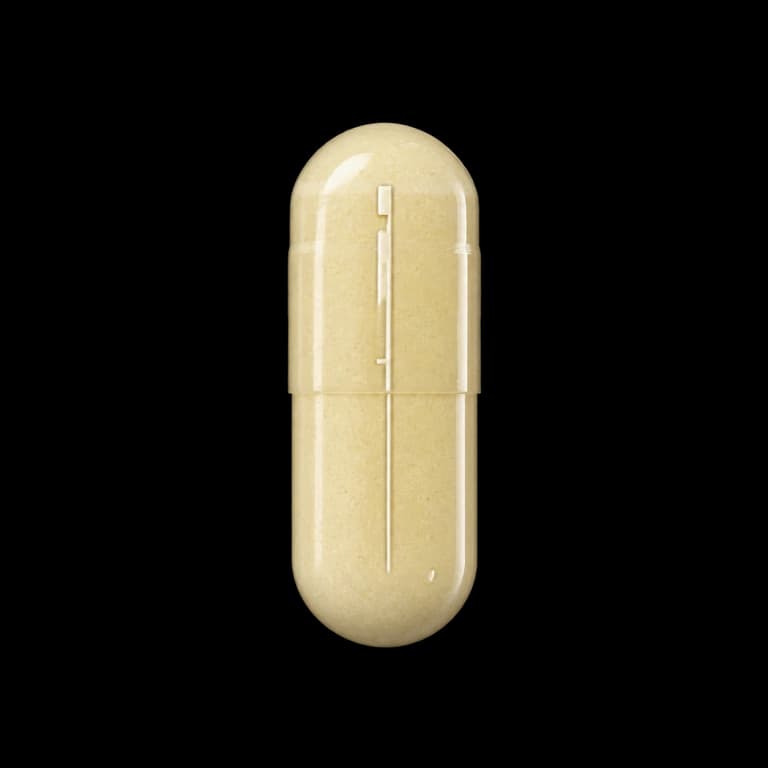
Your cells make a tiny amount of this to turn food into energy. A capsule can hold up to 1,000 times what food gives you, and it's gone within hours.
- Builds up
- Doesn't build
- In your body
- About 30 min
- Per 1 capsule
- 500 mg
- 30-day supply
- $12.00One capsule a day, plus packing and delivery
What is alpha lipoic acid?
Alpha lipoic acid, often shortened to ALA, is a sulfur-containing compound your body makes on its own. Inside mitochondria, the tiny power plants in your cells, it helps the enzymes that turn food into usable energy.
It's also an antioxidant, which means it helps calm unstable molecules called free radicals, and it helps your cells restore glutathione, their own main antioxidant. Food only supplies traces. Supplements can give you up to 1,000 times what a regular diet does.
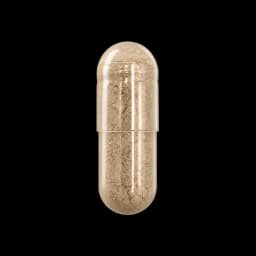
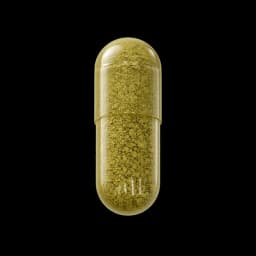
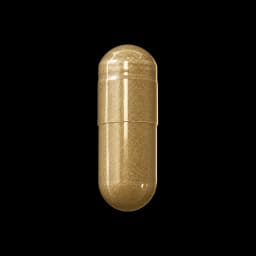
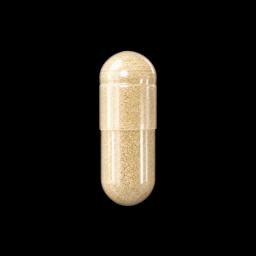
Ours holds 500 mg in a vegan capsule. One thing that confuses people: ALA is also short for alpha-linolenic acid, the plant omega-3 in flax. They're completely different.
What it does
- EnergyHelps the enzymes that turn food into energy.
- AntioxidantProvides antioxidant support and helps maintain glutathione.
- NervesSupports normal nerve comfort.
- Blood sugarHelps maintain blood sugar already in the healthy range.
These statements have not been evaluated by the FDA. This product is not intended to diagnose, treat, cure or prevent any disease.
What people take it for
 Some evidenceNerve comfortMost of the research is in people with diabetes whose feet burn or go numb. In a 5-week study, symptoms halved for 62% of people at 600 mg a day, and for 26% without it.
 MixedBlood sugarStudies in type 2 diabetes found lower HbA1c and fasting glucose, but the changes were too small to matter much on their own.
 Early daysWeightStudies found about 1.3 kg more weight lost than without it, which is under 3 pounds, and over short periods.
How long it takes
It's in and out of your blood too fast to accumulate. What builds is the effect: in the best-known capsule study, people felt a change within about 5 weeks.
- 30 to 60 minutesHighest level in your blood
- A few hoursMostly cleared, largely by your liver
- About 5 weeksHow long the best-known capsule study ran
How long it stays in your body
It peaks in your blood within an hour, then half is gone about 30 minutes later. Think of a quick spike and a quick exit.
What's in a capsule
One capsule holds 500 mg. Nerve studies most often used 600 mg a day, so one capsule is a little under that. Side effects became more common at 1,200 mg and above.
A short visit, and why food gets in the way
Only about 20 to 40% of what you swallow gets absorbed, and a meal lowers that further. When to take it around meals, and how its two forms, R and S, compare, is in the full guide. Our label simply lists alpha lipoic acid.
Here's the odd part. It's gone in hours, yet it seems to do more than its short stay would suggest. Scientists think that's because it nudges your cells to switch on their own antioxidant systems. In Germany, a version of it is licensed as a medicine for diabetic nerve symptoms. Most other places sell it as a supplement.
What it interacts with
- Diabetes medicines, including insulinIt may lower blood sugar further, so check with your doctor before you start.
- Methimazole and captoprilThese sulfur-containing medicines are linked to the same rare low blood sugar reaction described below. One reported case involved captopril and ALA together.
- Thyroid medicineAn older animal study found that, given alongside thyroid hormone, it held back the switch from T4 to T3, the active form. We found no good study in people, so ask your doctor and keep up with your thyroid tests.
- Cancer treatmentWe found little data on how it mixes with cancer medicines, so ask your care team first.
- FoodA meal lowers how much you absorb.
- MineralsIt binds metals, and in rats it lowered selenium. We don't know whether that matters at normal amounts in people.
- Tests for low blood sugarIn the rare reaction below, insulin and C-peptide read very high. If you're being tested, tell your doctor you take it.
- BiotinThe two molecules look alike and can compete at high amounts. In rats, large injections lowered biotin activity by about a third. Nobody knows yet if this matters for people taking capsules.
Goes well with
Side effects
- Nausea, vomiting and dizziness, which get more common as the amount goes up. In one study, 27% reported side effects at 600 mg a day, 21% without it, and 54% at 1,800 mg.
- Rarely, a reaction called insulin autoimmune syndrome, where your immune system starts reacting to your own insulin. It causes repeated low blood sugar, often a few hours after meals. If you feel shaky, sweaty or confused, stop and call your doctor. It usually settles after stopping.
Check first if
- Diabetes, especially on insulin: talk to your doctor first.
- Thyroid medicine: ask your doctor, and keep your thyroid tests up to date.
- East Asian heritage: the rare reaction is tied to certain immune genes and is reported most often in East Asian people, though it can happen to anyone.
- Pregnancy or breastfeeding: one look back at 610 pregnant women on 600 mg found no harm, but that's a single study, so check with your doctor.
- Liver or kidney disease: it's generally considered safe, but ask your doctor.
- Cancer treatment: ask your care team first.
The blood tests that go with it
- HbA1cYour average blood sugar over about 3 months. Studies found small drops.
- Fasting glucoseA snapshot of your blood sugar, worth watching if you take diabetes medicine.
- Fasting insulinShows how hard your body works to hold that glucose, and runs very high in the rare reaction.
- C-peptideMade alongside insulin, and part of how doctors work out why blood sugar is low.
- hs-CRPShows low-level inflammation. Studies found it came down, most clearly at 600 mg.
- SeleniumWorth a look if you use it for a long time, because it binds metals.
- TSHThe main thyroid check, worth keeping current if you take thyroid medicine.
- Free T3The active thyroid hormone, which an animal study linked to this compound.
Work it out

Supplementation
Find Alpha Lipoic Acid in a ready-made protocol.
Start from one of these, or add it to your own. Everything comes in one pouch each morning.
Daily foundations
An antioxidant-focused stack.
30-day pack · 6 a morning · 180 pills
$86.22 / month
Choose this packYour own
Build your own pouch.
Know what you want to take? Pick each ingredient, and we time it through your day.
Build your own
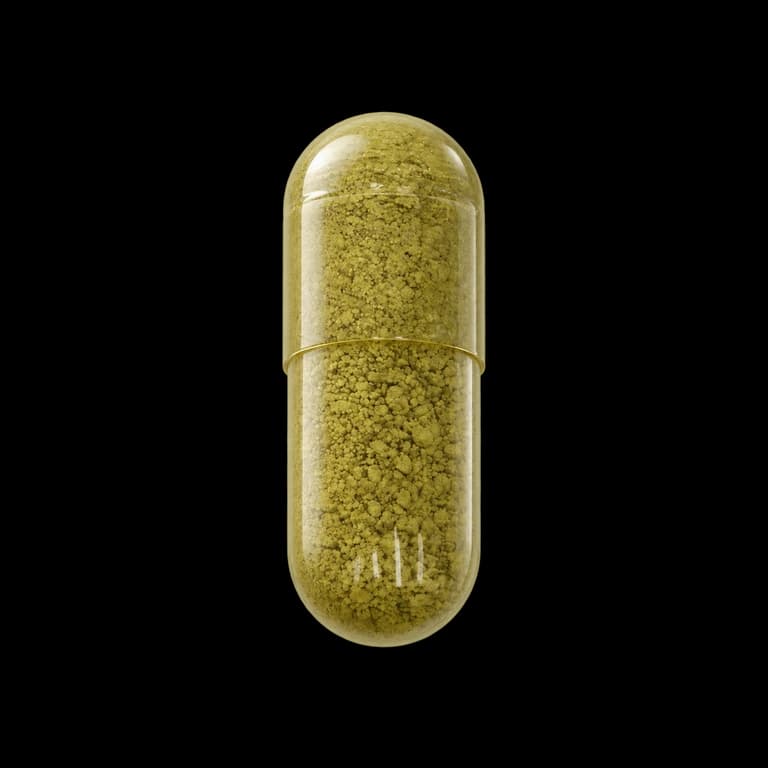
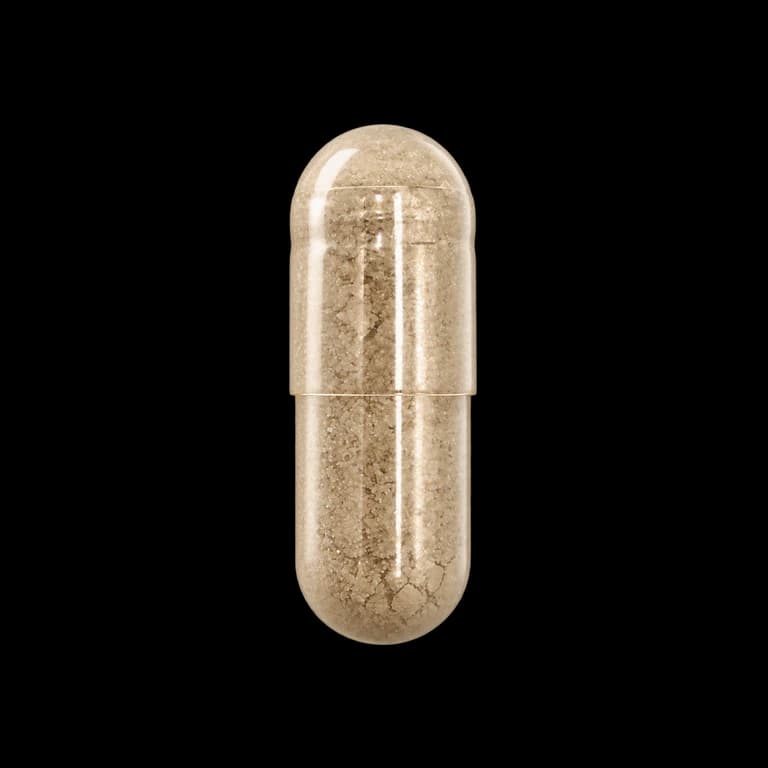
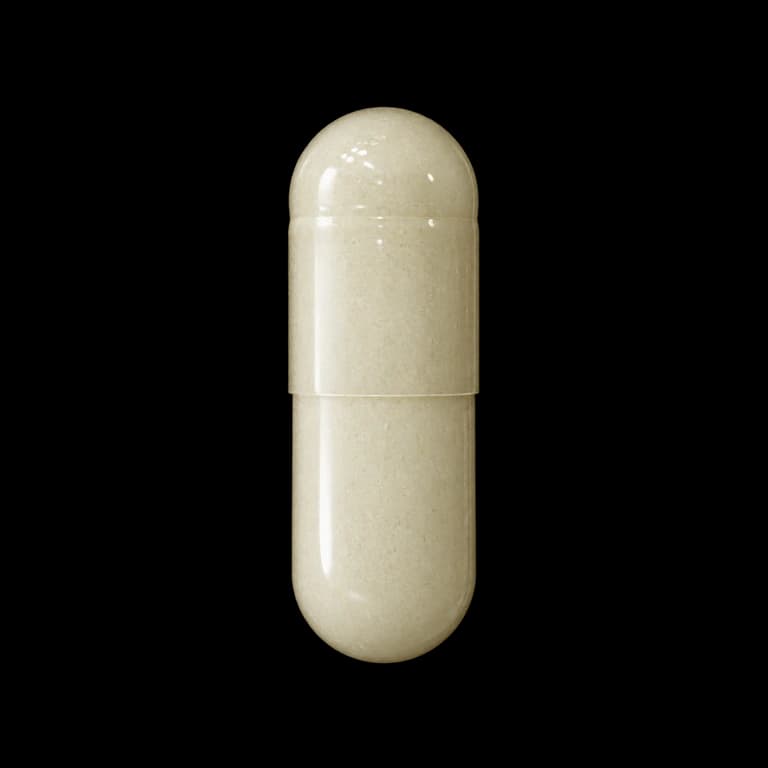
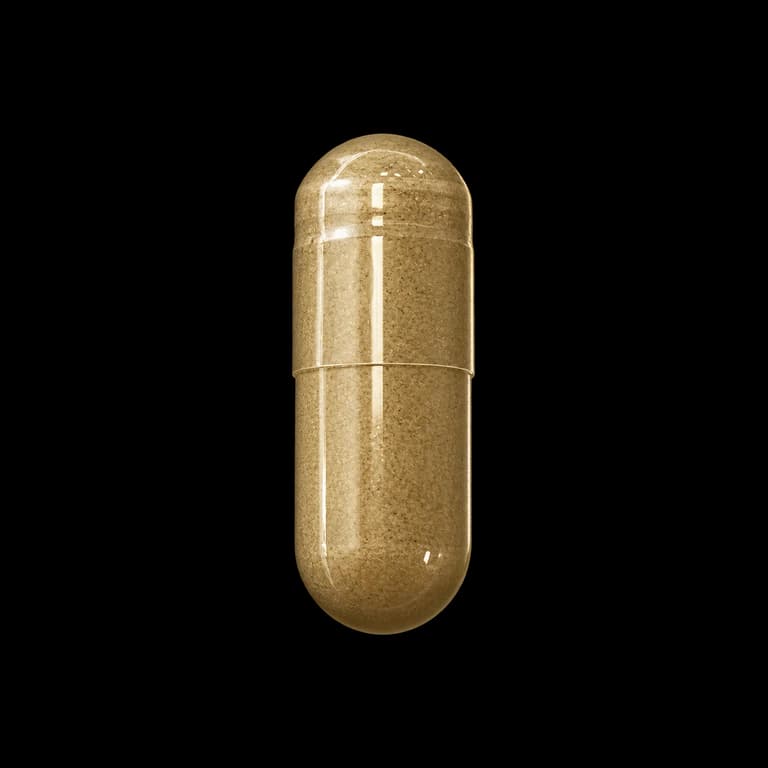
- cGMP-certifiedFacilities
- FDA-registeredFacilities
- Accredited labsIndependent testing
- Non-GMOIngredient options
- OrganicIngredient options
- VeganFormula options
These statements have not been evaluated by the Food and Drug Administration. These products are not intended to diagnose, treat, cure or prevent any disease.
Want it more precise? Get the app.
A page can only tell you about Alpha Lipoic Acid. The app tells you about you: whether it fits, when to take it, and whether it's working.
- Checked against your blood work and everything you already take
- On your daily timeline, around your sleep, training and meals
- Followed over time, so you can see what moved

 Alpha Lipoic AcidOPEN 09:00
Alpha Lipoic Acid against your blood work, your sleep and what you already take.
 AI
Your fasting glucose has been steady since you started alpha lipoic acid. You also take metformin, so keep your doctor in the loop.
ASK ABOUT ALPHA LIPOIC ACIDFind the goal that's yours.
Your record, your routine and LifeFrom AI, pointed at the outcome that matters to you.


Questions
What is alpha lipoic acid good for?
People mostly use it for nerve comfort, blood sugar and as an antioxidant. The nerve research is the strongest. For blood sugar and weight, the changes are small.
How long does alpha lipoic acid take to work?
You won't feel it right away. In the best-known capsule study, nerve symptoms eased within about 5 weeks. If you're following blood sugar, an HbA1c test after about 3 months will tell you more.
What are the side effects of alpha lipoic acid?
Mostly nausea, vomiting and dizziness, and they get more common at larger amounts. Rarely, it can trigger repeated low blood sugar. Stop and call your doctor if that happens.
Who should not take alpha lipoic acid?
Check first if you take diabetes medicine, thyroid medicine, methimazole or captopril, if you're having cancer treatment, or if you're pregnant or breastfeeding.
Can I take alpha lipoic acid every day?
Studies gave it daily, one of them for 4 years in people with diabetes. People tolerated it about as well as those not taking it, though serious health problems were reported more often in the group taking it, 38% against 28%. So long-term use is worth talking over with your doctor.
Does alpha lipoic acid help with weight loss?
Only a little. Studies found under 3 pounds more lost than without it, over short periods. It won't replace what you eat and how you move.
What is the half-life of alpha lipoic acid?
About 30 minutes after it peaks. It reaches its highest level within an hour and clears quickly, so it doesn't build up in your blood.
Is it the same as the ALA in flax?
No. The ALA in flax is alpha-linolenic acid, a plant omega-3. This is alpha lipoic acid, a sulfur compound that helps make energy. They only share the short name.
Sources
- Shay KP et al. Alpha-lipoic acid as a dietary supplement: molecular mechanisms and therapeutic potential. Biochim Biophys Acta, 2009.
- McIlduff CE, Rutkove SB. Critical appraisal of the use of alpha lipoic acid in the treatment of symptomatic diabetic polyneuropathy. Ther Clin Risk Manag, 2011.
- Ziegler D et al. Oral treatment with alpha-lipoic acid improves symptomatic diabetic polyneuropathy: the SYDNEY 2 trial. Diabetes Care, 2006.
- Ziegler D et al. Efficacy and safety of antioxidant treatment with alpha-lipoic acid over 4 years: the NATHAN 1 trial. Diabetes Care, 2011.
- Breithaupt-Grögler K et al. Dose-proportionality of oral thioctic acid. Eur J Pharm Sci, 1999.
- Jibril AT et al. Efficacy and safety of oral alpha-lipoic acid supplementation for type 2 diabetes management. Endocr Connect, 2022.
- Kucukgoncu S et al. Alpha-lipoic acid as a supplementation for weight loss. Obes Rev, 2017.
- Đukić L et al. The effect of alpha-lipoic acid on C-reactive protein level. Dose Response, 2022.
- Vallianou NG et al. Alpha-lipoic acid as a trigger of insulin autoimmune syndrome. Metabol Open, 2026.
- Adi M et al. Dual thiol drug-induced insulin autoimmune syndrome in a non-Asian patient. Clin Med Insights Case Rep, 2026.
- Parente E et al. Safety of oral alpha-lipoic acid treatment in pregnant women. Eur Rev Med Pharmacol Sci, 2017.
- Salehi B et al. Insights on the use of alpha-lipoic acid for therapeutic purposes. Biomolecules, 2019.
- Segermann J et al. Effect of alpha-lipoic acid on the peripheral conversion of thyroxine to triiodothyronine. Arzneimittelforschung, 1991.
- Linus Pauling Institute, Oregon State University. Lipoic acid.
Written by LifeFrom from these sources, and not yet reviewed by a clinician. Talk to your doctor before starting a supplement.