SupplementsAntioxidantsQuercetin
Quercetin
a plant flavonoid
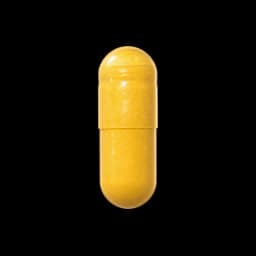
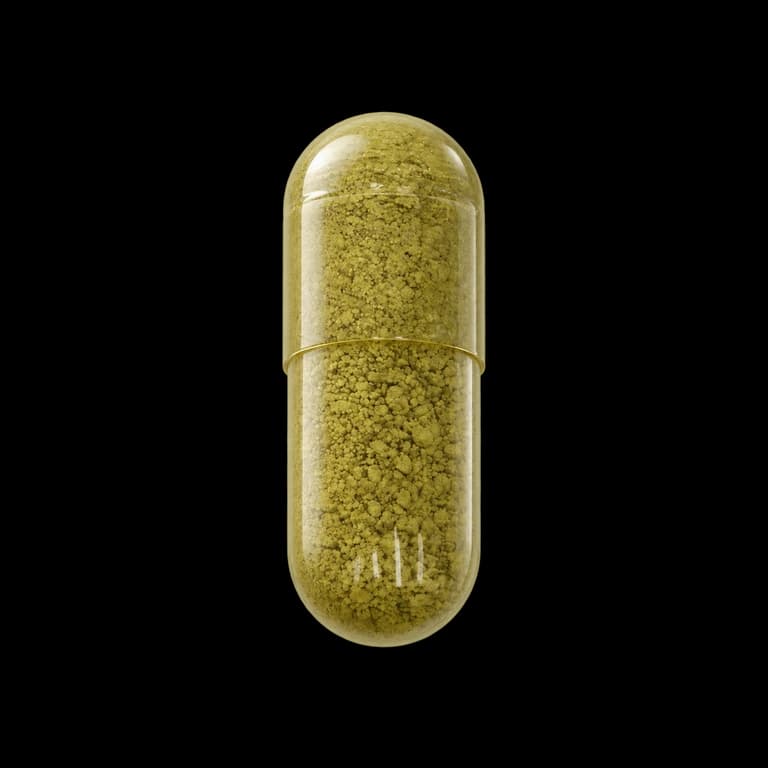
The plant compound in onions, tea and apples, in a capsule holding at least 20 times what a typical diet gives you.
- Builds up
- About 2 weeks
- In your body
- A few hours
- Per 1 capsule
- 500 mg
- 30-day supply
- $10.80One capsule a day, plus packing and delivery
What is quercetin?
Quercetin is a flavonoid, one of the many compounds that plants make and that give fruit and vegetables much of their color. You already eat it in small amounts, in foods like onions, tea and apples.
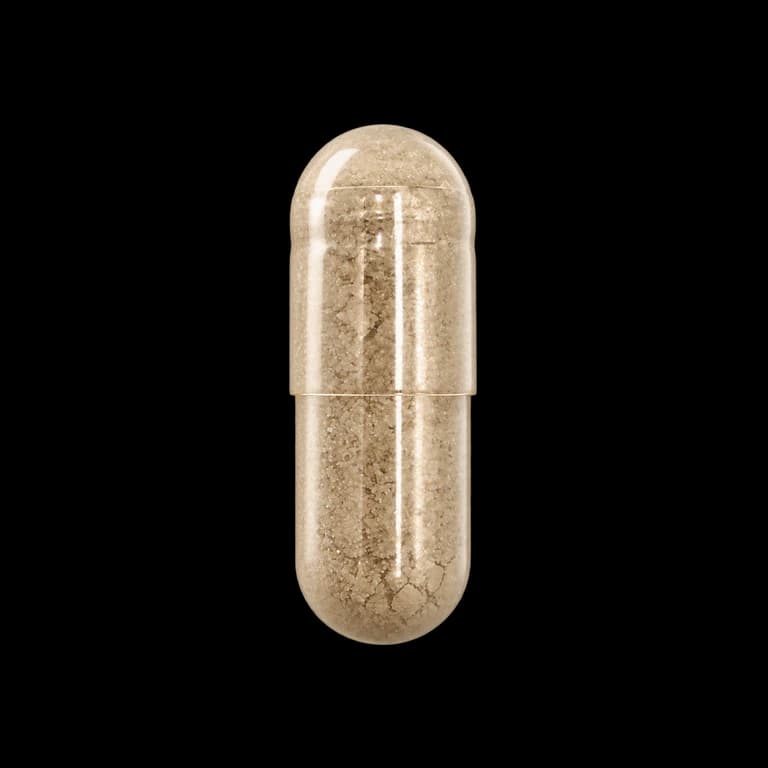
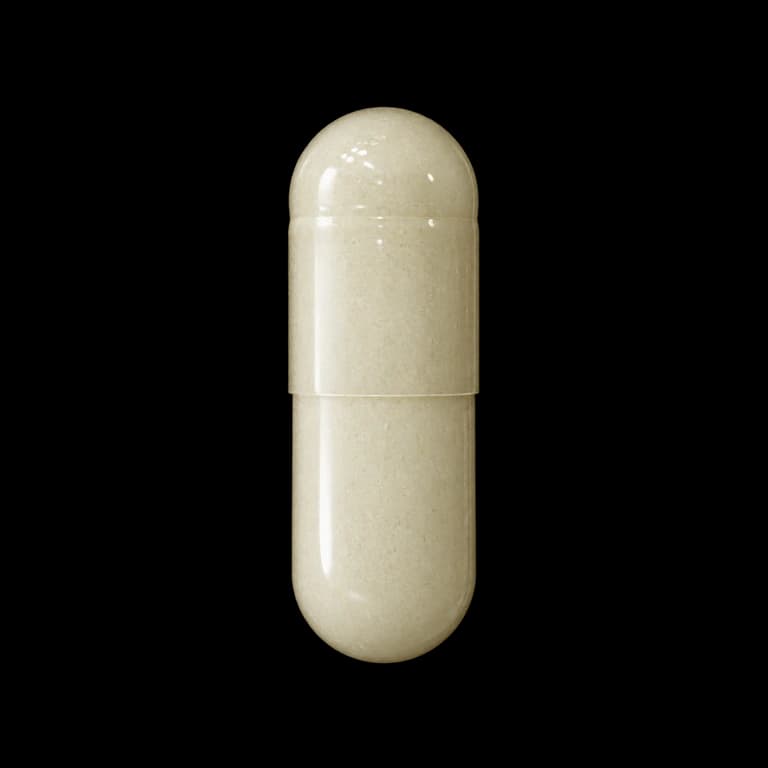
In one Dutch study, people ate about 23 mg a day of quercetin and its close relatives combined. Ours holds 500 mg in a vegan capsule, which is a very different thing from eating an onion.
That gap is the whole story with quercetin. It's mild at food levels. At capsule levels it can move a blood test or two, and it can also change how your body handles certain medicines.
What it does
- AntioxidantProvides antioxidant support.
- Blood vesselsHelps maintain blood pressure already in the healthy range.
- Uric acidHelps maintain uric acid already in the healthy range.
- RecoverySupports normal immune function around hard training.
These statements have not been evaluated by the FDA. This product is not intended to diagnose, treat, cure or prevent any disease.
What people take it for
 Some evidenceBlood pressureStudies found a small drop in the top number, about 2 points. The bottom number didn't change.
 Early daysUric acidIn a 4-week study of 22 men at the higher end of normal, 500 mg a day lowered uric acid by about 8%.
 MixedImmunity after hard trainingCyclists had far fewer colds after a hard training block. But in a study of 1,002 ordinary adults, it made no overall difference.
How long it takes
It does build up a little. Fasting blood levels were clearly higher after 2 weeks of daily use. In a 6-week study at 150 mg a day, they went from 71 to 269 nmol/L, nearly 4 times higher.
- HoursAbsorbed, changed by your gut and liver, and partly recycled
- 2 weeksFasting blood levels clearly higher
- 4 to 12 weeksHow long the studies here ran
How long it stays in your body
One study measured about 3.5 hours. There's no single clean number, because your liver sends some back to your gut, and you absorb it a second time.
What's in a capsule
One capsule holds 500 mg, the same as the uric acid study. Blood pressure and immune studies used anywhere from 150 to 1,000 mg a day.
What actually reaches your blood
Here's something most labels won't tell you. After you swallow quercetin, almost none of it stays quercetin. Studies looking in people's blood found only changed versions, made as your gut and liver process it. That's why results from cells in a dish don't always carry over to you.
Food has a trick that capsules don't. In onions, quercetin has sugars attached, and people absorbed 52% of it, compared with 24% of the pure form. Even so, a capsule holds so much more that it still raises blood levels well above food. People vary a lot, too: in one study, levels differed by 36 to 57% between people taking the same amount.
Then there are medicines. Your body has pumps that push some drugs back out, and quercetin seems to slow them. In a short study, it raised blood levels of the allergy medicine fexofenadine by 55%. That's why it's worth checking first if you take anything regularly.
What it interacts with
- WarfarinIn one reported case, a 79-year-old man's INR jumped from 2.5 to 7.5 days after he started a daily capsule with 250 mg of quercetin and vitamin C, and it came back down after he stopped. He took other heart medicine too, so it isn't proof, but ask before combining them.
- Blood thinners and aspirinIn a small study, quercetin at 150 to 300 mg made platelets less ready to clump. Ask first, and tell your care team before surgery.
- DigoxinIn pigs, quercetin sharply raised levels of this heart medicine, and at a high amount two of three animals died. We found no study in people, so ask first.
- CyclosporineA small study in healthy volunteers found quercetin raised blood levels of this transplant medicine. Ask first.
- FexofenadineQuercetin raised blood levels of this allergy medicine by 55% in a short study.
- Regular medicinesIt can change how your body absorbs and clears certain drugs, and not all of those are known. Ask your pharmacist if you take anything regularly.
- Cholesterol testsIn one study, HDL cholesterol went down while taking it. Mention it to whoever reads your results.
- Uric acid testsIt can lower this result, so tell your doctor if they're tracking it.
- Thyroid medicineIn rats, 14 days of quercetin lowered how much iodine the thyroid took up. We found no study in people, so keep your thyroid tests up to date.
- Blood pressure medicinesIt can lower the top number by a couple of points, so mention it if you take these.
Goes well with
Side effects
- Side effects are rarely reported, and they're usually mild.
- We don't have good long-term safety data for larger amounts, 1,000 mg a day or more for over 12 weeks.
Check first if
- Kidney problems: animal studies suggest it could make existing kidney damage worse, and very large drip doses have hurt kidneys in people. Ask your doctor first.
- Estrogen-sensitive cancer: animal studies raised a concern about tumor growth, so ask your care team.
- Pregnancy or breastfeeding: the supplier's label says to consult your healthcare professional first.
- Children: the label says it's for adults only.
- Warfarin, aspirin, digoxin, cyclosporine or thyroid medicine, or any regular medicine: check first.
The blood tests that go with it
- Uric acidQuercetin lowered it in a small study at the same amount as this capsule.
- HDL cholesterolWent down in one study, so worth a look on your next test.
- Oxidized LDLA damaged form of LDL that went down in the same study.
- Fasting insulinStudies found a small drop.
- CreatinineA kidney check, because of the animal findings.
- eGFRGives you a clearer overall read on your kidneys.
- INRThe number to watch if you take warfarin, after one reported jump.
- TSHThe main thyroid check, because of the rat findings.
Work it out
Supplementation
Find Quercetin in a ready-made protocol.
Start from one of these, or add it to your own. Everything comes in one pouch each morning.
Daily foundations
Start with your gut.
30-day pack · 6 a morning · 180 pills
$98.70 / month
Choose this packDaily foundations
An antioxidant-focused stack.
30-day pack · 6 a morning · 180 pills
$86.22 / month
Choose this packYour own
Build your own pouch.
Know what you want to take? Pick each ingredient, and we time it through your day.
Build your own
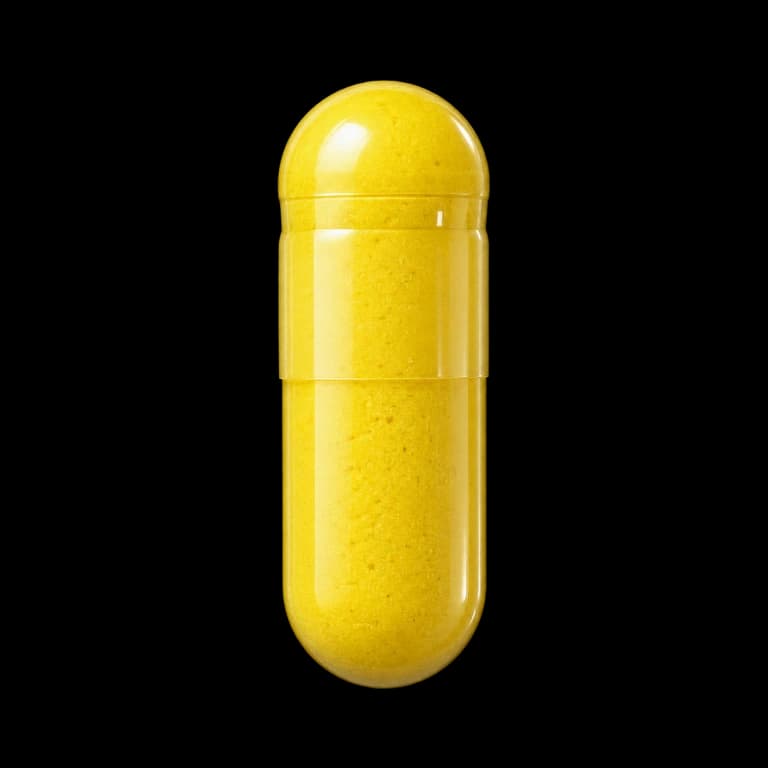
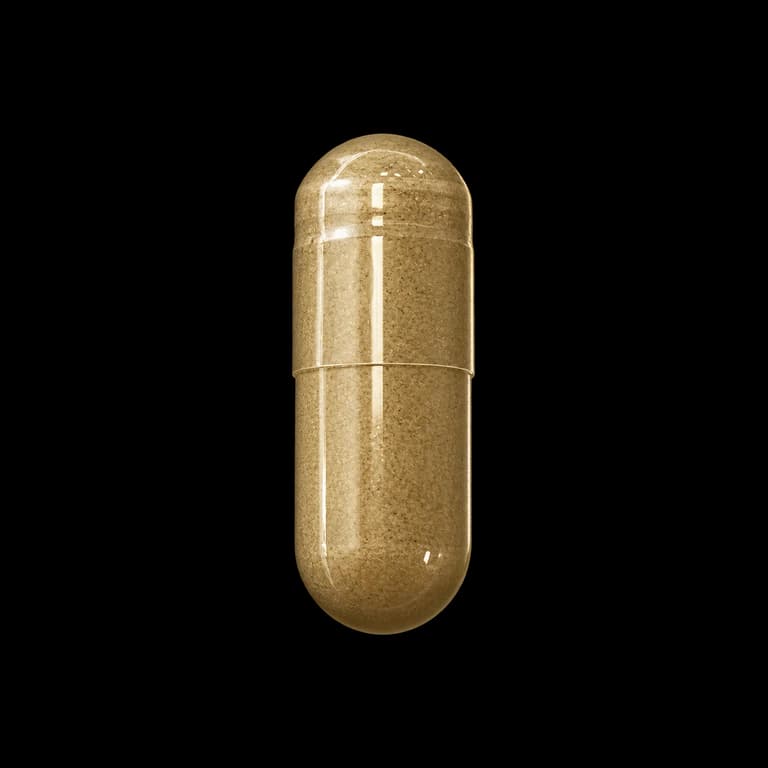
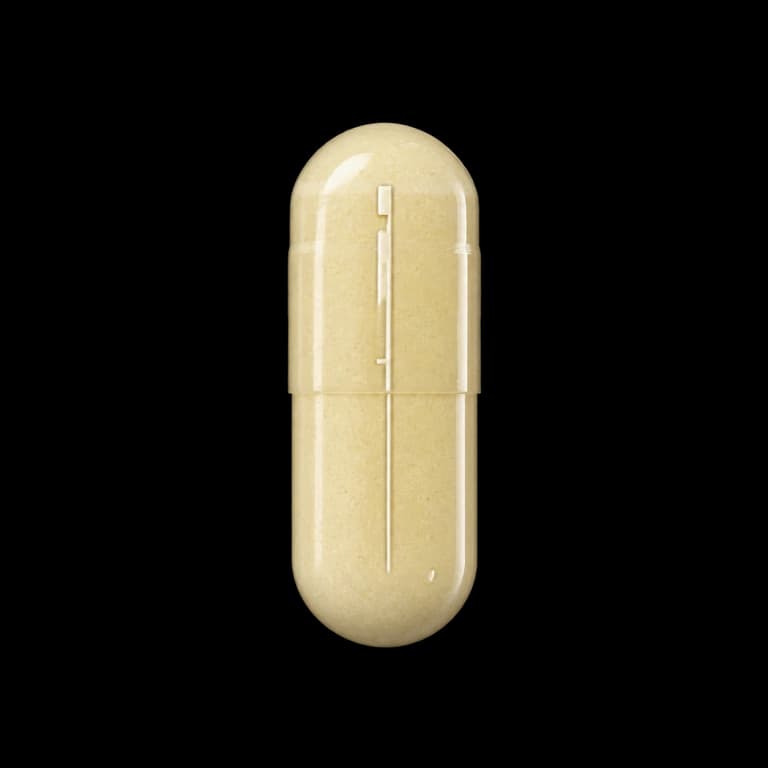
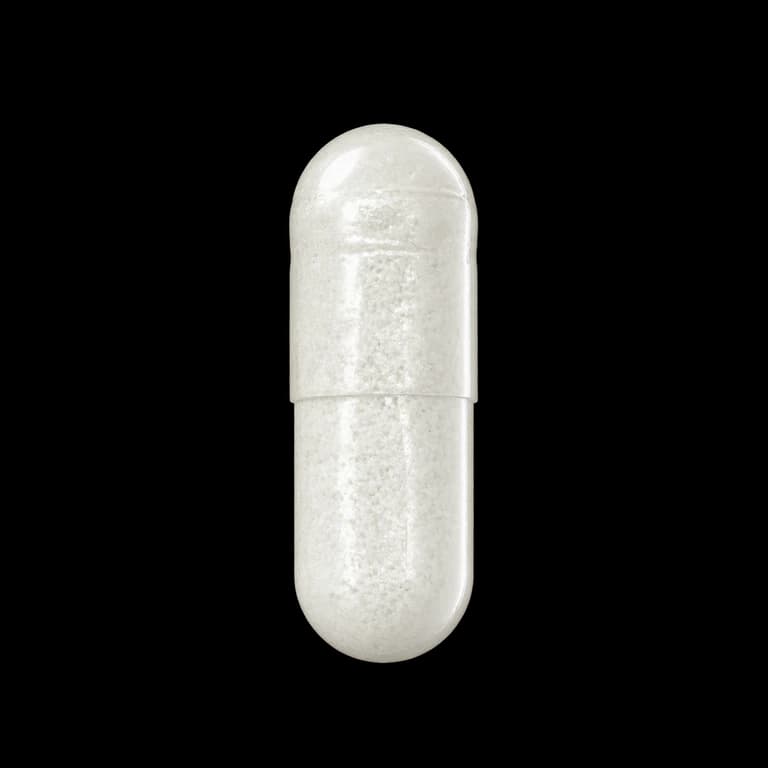
- cGMP-certifiedFacilities
- FDA-registeredFacilities
- Accredited labsIndependent testing
- Non-GMOIngredient options
- OrganicIngredient options
- VeganFormula options
These statements have not been evaluated by the Food and Drug Administration. These products are not intended to diagnose, treat, cure or prevent any disease.
Want it more precise? Get the app.
A page can only tell you about Quercetin. The app tells you about you: whether it fits, when to take it, and whether it's working.
- Checked against your blood work and everything you already take
- On your daily timeline, around your sleep, training and meals
- Followed over time, so you can see what moved

 QuercetinOPEN 09:00
Quercetin against your blood work, your sleep and what you already take.
 AI
Your uric acid sits at the top of its range. Want to compare it with your next test, now that you take quercetin?
ASK ABOUT QUERCETINFind the goal that's yours.
Your record, your routine and LifeFrom AI, pointed at the outcome that matters to you.
Questions
What is quercetin good for?
People take it for blood pressure, uric acid, immunity around hard training, and as an antioxidant. The effects so far are small, and strongest for the top blood pressure number.
How long does quercetin take to work?
Blood levels are clearly higher after 2 weeks. The uric acid study took 4 weeks, and most other studies ran up to 12 weeks.
What are the side effects of quercetin?
They're rarely reported and usually mild. We know less about larger amounts used for more than 12 weeks.
What does quercetin interact with?
Warfarin is the one to take most seriously, after a reported jump in INR. It also raised levels of fexofenadine and cyclosporine in studies, and may matter with digoxin. Research hasn't mapped everything, so ask your pharmacist.
Who should not take quercetin?
It's for adults only. Check first if you have kidney problems or an estrogen-sensitive cancer, are pregnant or breastfeeding, or take regular medicine, especially warfarin.
Can I take quercetin every day?
That's how it was taken in studies, for up to about 12 weeks. Beyond that, we know less, so it's worth checking in with your doctor.
What is the half-life of quercetin?
One study measured about 3.5 hours, but there's no one clean number. Your liver sends some back to your gut, and you absorb it again.
Is it better to just eat onions?
Onions are great, and your body absorbs their quercetin better than the pure form. But you'd get far less. Food and capsules aren't really doing the same job.
Is quercetin a natural antihistamine?
It's often described that way. We couldn't find strong human studies to back it up, so we don't list allergies above.
Does quercetin improve exercise performance?
Barely. Across several studies, endurance improved by less than 1%, and the authors called that likely trivial.
What about quercetin as a senolytic?
You may have read about it clearing old cells. That research pairs quercetin with a prescription cancer drug, dasatinib, in small early studies. That isn't what a quercetin capsule does on its own.
Sources
- Andres S et al. Safety aspects of the use of quercetin as a dietary supplement. Mol Nutr Food Res, 2018.
- Arabi SM et al. The effects of quercetin supplementation on cardiometabolic outcomes. Phytother Res, 2023.
- Shi Y, Williamson G. Quercetin lowers plasma uric acid in pre-hyperuricaemic males. Br J Nutr, 2016.
- Egert S et al. Quercetin reduces systolic blood pressure and plasma oxidised low-density lipoprotein. Br J Nutr, 2009.
- Egert S et al. Daily quercetin supplementation dose-dependently increases plasma quercetin concentrations. J Nutr, 2008.
- Moon YJ et al. Quercetin pharmacokinetics in humans. Biopharm Drug Dispos, 2008.
- Graefe EU et al. Pharmacokinetics and bioavailability of quercetin glycosides in humans. J Clin Pharmacol, 2001.
- Hollman PC, Katan MB. Dietary flavonoids: intake, health effects and bioavailability. Food Chem Toxicol, 1999.
- Kim KA et al. Short-term effect of quercetin on the pharmacokinetics of fexofenadine. Eur J Clin Pharmacol, 2009.
- Nieman DC et al. Quercetin reduces illness but not immune perturbations after intensive exercise. Med Sci Sports Exerc, 2007.
- Heinz SA et al. Quercetin supplementation and upper respiratory tract infection. Pharmacol Res, 2010.
- Pelletier DM et al. Effects of quercetin supplementation on endurance performance and maximal oxygen consumption. Int J Sport Nutr Exerc Metab, 2013.
- Millar CL et al. A pilot study of senolytics to improve cognition and mobility in older adults. EBioMedicine, 2025.
- Patel R et al. Enhanced anticoagulant effect of warfarin when co-administered with quercetin. J Pharm Technol, 2022.
- Hubbard GP et al. Ingestion of quercetin inhibits platelet aggregation in humans. J Thromb Haemost, 2004.
- Wang YH et al. Lethal quercetin-digoxin interaction in pigs. Life Sci, 2004.
- Choi JS et al. Effect of quercetin on the pharmacokinetics of oral cyclosporine. Am J Health Syst Pharm, 2004.
- Giuliani C et al. The flavonoid quercetin inhibits thyroid-restricted genes expression and thyroid function. Food Chem Toxicol, 2014.
Written by LifeFrom from these sources, and not yet reviewed by a clinician. Talk to your doctor before starting a supplement.