SupplementsAntioxidantsResveratrol
Resveratrol
trans-resveratrol from Japanese knotweed
It made headlines for lengthening the lives of worms and flies. In people, the story has turned out to be more complicated and a lot more interesting.
- Builds up
- Doesn't stack
- In your body
- A few hours
- Per 1 capsule
- 500 mg
- 30-day supply
- $9.60One capsule a day, plus packing and delivery
What is resveratrol?
Resveratrol is a compound some plants make, found in grapes, red wine, peanuts, berries and the root of Japanese knotweed. A tea made from that root, called itadori, has a long history in Japan and China.
Its big moment came in 2004, when a study found it activated sirtuins, a family of proteins linked to aging, and extended the lives of worms and fruit flies. Your body is far more complicated than a worm, and human studies since then have been much less clear.
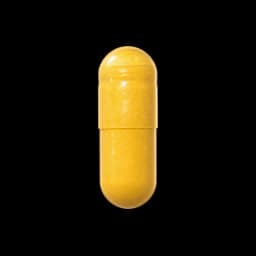
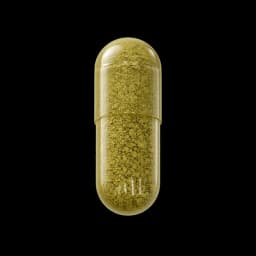
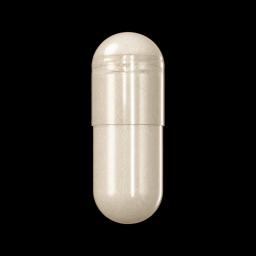
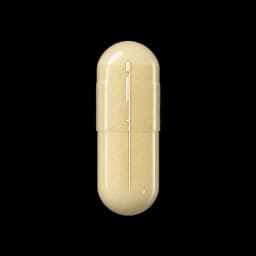
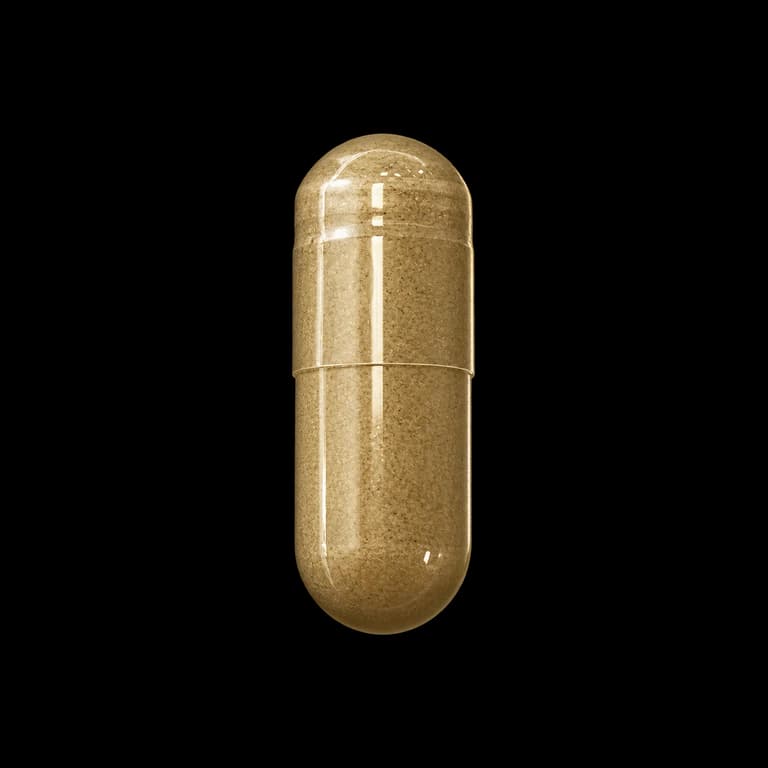
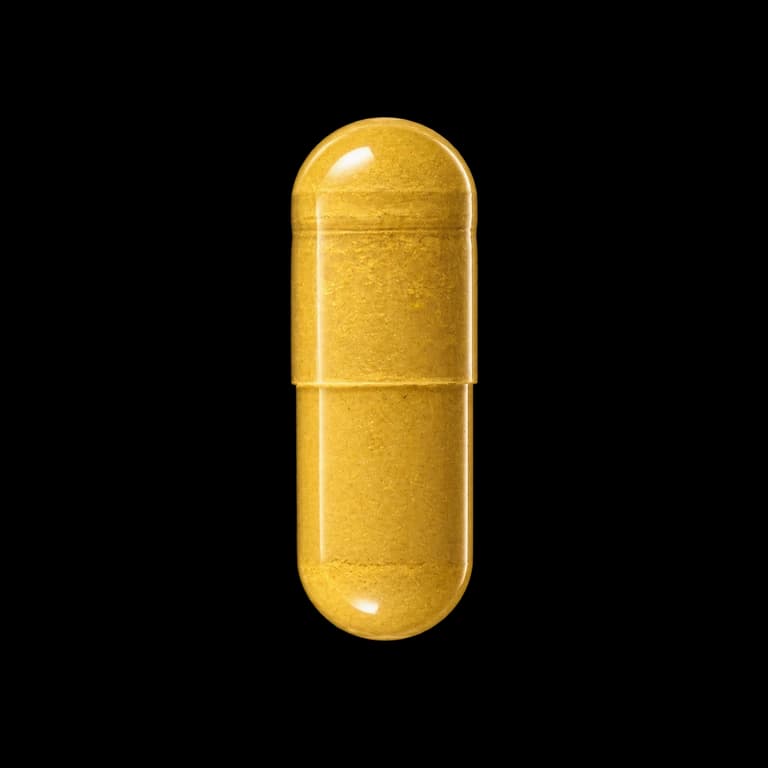
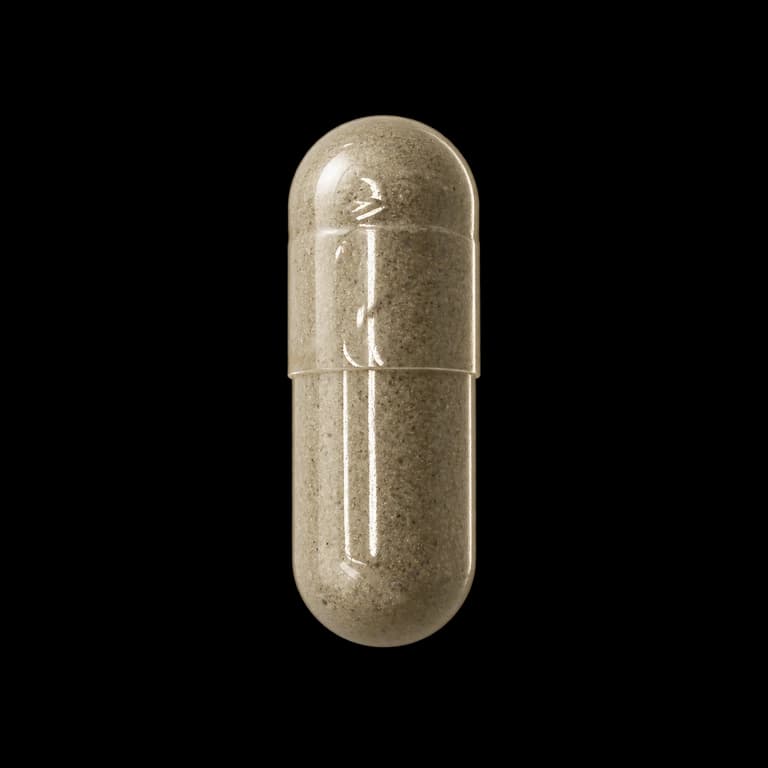
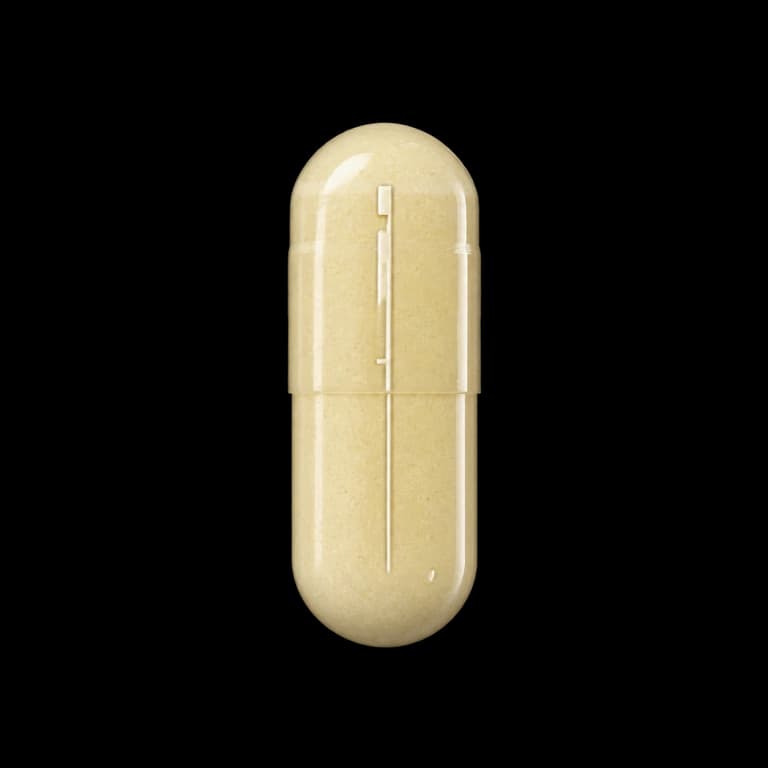
Ours holds 500 mg of Japanese knotweed root extract, which gives you 250 mg of trans-resveratrol, the form most research looks at.
What it does
- AntioxidantProvides antioxidant support.
- Healthy agingSupports how your cells respond to everyday stress.
- CirculationSupports normal blood vessel function.
- MetabolismHelps maintain healthy metabolism.
These statements have not been evaluated by the FDA. This product is not intended to diagnose, treat, cure or prevent any disease.
What people take it for
 Early daysHealthy agingThis is the main reason people buy it, but the lifespan results are from worms and flies. In older people eating a normal diet, resveratrol levels weren't linked to living longer.
 MixedComfort and thinking after menopauseStudies found less everyday pain. One year-long study also found sharper thinking, but when the studies were pooled, thinking and menopause symptoms showed no clear change.
 MixedBlood sugarSome studies in type 2 diabetes found lower fasting glucose and insulin, while a larger review didn't. In women with normal blood sugar who weren't obese, it made no difference.
How long it takes
It's processed so quickly that it barely builds up in your blood from one day to the next. Studies looking for changes ran from 4 weeks to a year.
- About 1 hourHighest level in your blood
- Within a dayMostly changed into other forms and leaving in your urine
- 4 weeks to a yearHow long the studies ran
How long it stays in your body
It peaks about an hour after a capsule, then half is gone in 1 to 3 hours, or 2 to 5 with repeated use. The forms your body turns it into stay around longer, about 9 hours.
What's in a capsule
One capsule holds 250 mg of trans-resveratrol. The year-long study in women used 150 mg a day, and a 4-week study in healthy people used anywhere from 500 mg up to 5 g a day. Stomach trouble appeared at 2.5 g and above.
Well absorbed, barely there, and the exercise catch
Resveratrol has a strange profile. You absorb at least 70% of it, yet only a trace stays in your blood as resveratrol, because your gut and liver change it almost immediately. The big open question is whether those changed forms do the work, or whether the action happens in your gut before it ever gets further.
Then there's the exercise catch. In a study of 27 older men who trained hard for 8 weeks, those taking 250 mg a day, the same as this capsule, gained less fitness than those who didn't. The group without it improved their oxygen use 45% more and lowered their blood pressure, while the group with it did not. It's one small study, and another found training still won clearly. If you train hard for your fitness, it's worth knowing about.
And the red wine story? In a 9-year study of older people in Chianti, a region known for its red wine, resveratrol levels from their food had no link with how long they lived, or with inflammation, heart disease or cancer. A capsule holds much more than food, so that isn't the last word, but it does take some shine off the idea.
What it interacts with
- Warfarin and other blood thinnersIn rats, it raised warfarin levels and pushed INR up. It also slowed one of the liver systems warfarin relies on in people, at 1 g a day. We found no reports in people on warfarin, but ask first and get your INR checked.
- Medicines cleared by your liverAt 1 g a day, four times this capsule, it slowed the systems your liver uses to clear many drugs. Ask your pharmacist if you take regular medicine.
- ChlorzoxazoneIn a 10-day study at 500 mg a day, it raised levels of this muscle relaxant.
- Hormone therapyIt's a plant estrogen and can act on estrogen receptors in lab cells, so ask your doctor if you're on hormones or hormone blockers.
- CaffeineAt 1 g a day, it sped up the way your body clears caffeine. We don't know if that happens at this amount.
- Hard trainingOne small study found it blunted the fitness gains from exercise.
- Diabetes medicinesSome studies in type 2 diabetes found lower fasting glucose and others didn't, so keep an eye on your numbers.
Goes well with
Side effects
- Usually well tolerated. At larger amounts, mainly 2.5 g a day and up, it can cause mild to moderate stomach trouble.
- Reviews describe side effects at 500 mg a day or more over long periods as moderate and reversible, mostly in the abdomen.
Check first if
- Warfarin, other blood thinners or a bleeding disorder: talk to your doctor first, and tell your care team before surgery.
- Kidney problems: in a study of 24 people with multiple myeloma, a cancer of the bone marrow, 5 g a day (20 times this capsule) led to serious side effects, mostly kidney failure. Other studies didn't see this, but ask your doctor first.
- Liver disease: results at large amounts in fatty liver were mixed, and some went the wrong way. Ask your doctor.
- Hormone-sensitive conditions, including breast cancer: it acts like a weak plant estrogen, so ask your doctor first.
- Taking a regular medicine: check first.
- Pregnancy or breastfeeding: we found little safety data, so check with your doctor.
- Cancer treatment: ask your care team first.
The blood tests that go with it
- Fasting insulinWent down in some diabetes studies.
- Fasting glucoseA snapshot of your blood sugar, which moved in some studies.
- LDL cholesterolIn the exercise study, resveratrol cancelled out the LDL gains from training.
- IGF-1A growth signal that fell at high amounts in a 4-week study.
- CTXA marker of bone breakdown that went down in studies of women after menopause.
- ALTA liver check. It went down in a small 30-day study of obese men.
- INRThe number to watch if you take warfarin.
- CreatinineA kidney check, because of the kidney problems seen at very large amounts.
- eGFRGives you a clearer overall read on your kidneys.
Work it out

Supplementation
Find Resveratrol in a ready-made protocol.
Start from one of these, or add it to your own. Everything comes in one pouch each morning.
Daily foundations
Start with your gut.
30-day pack · 6 a morning · 180 pills
$98.70 / month
Choose this packDaily foundations
An antioxidant-focused stack.
30-day pack · 6 a morning · 180 pills
$86.22 / month
Choose this packYour own
Build your own pouch.
Know what you want to take? Pick each ingredient, and we time it through your day.
Build your own
- cGMP-certifiedFacilities
- FDA-registeredFacilities
- Accredited labsIndependent testing
- Non-GMOIngredient options
- OrganicIngredient options
- VeganFormula options
These statements have not been evaluated by the Food and Drug Administration. These products are not intended to diagnose, treat, cure or prevent any disease.
Want it more precise? Get the app.
A page can only tell you about Resveratrol. The app tells you about you: whether it fits, when to take it, and whether it's working.
- Checked against your blood work and everything you already take
- On your daily timeline, around your sleep, training and meals
- Followed over time, so you can see what moved

 ResveratrolOPEN 09:00
Resveratrol against your blood work, your sleep and what you already take.
 AI
You train four days a week, and your VO2 max has stalled since you added resveratrol. Want to look at both together?
ASK ABOUT RESVERATROLFind the goal that's yours.
Your record, your routine and LifeFrom AI, pointed at the outcome that matters to you.
Questions
What is resveratrol good for?
People mostly take it for healthy aging, comfort after menopause and blood sugar. The honest answer is that human research is early and mixed. The famous lifespan results came from worms and flies.
How long does resveratrol take to work?
It won't feel like anything. Studies looking for changes ran from 4 weeks up to a year.
What are the side effects of resveratrol?
It's usually well tolerated. At large amounts, mainly 2.5 g a day and above, it can upset your stomach.
What does resveratrol interact with?
At high amounts it changes how your liver clears many medicines. Check first if you take warfarin or another blood thinner, regular medicine or hormone therapy.
Who should not take resveratrol?
Check first if you take a blood thinner or regular medicine, have kidney or liver problems or a hormone-sensitive condition, or if you're pregnant, breastfeeding or having cancer treatment.
Can I take resveratrol every day?
The longest study we found ran for a year in women after menopause, at a lower amount than this capsule. Beyond that, we know less.
What is the half-life of resveratrol?
Between 1 and 5 hours. It doesn't really build up in your blood, though the forms your body turns it into stay around for longer.
Does resveratrol interfere with exercise?
It might. In one small study of older men, it blunted the fitness and heart gains from hard training at the same amount as this capsule. Another study found training was what made the difference, not resveratrol.
Is drinking red wine the same?
No. Red wine has some resveratrol, but a study in Chianti found food-level amounts weren't tied to living longer. Alcohol also brings its own risks, so we wouldn't drink for this.
Does resveratrol really slow aging?
It lengthened the lives of worms and flies. Nobody has shown that in people. In a study of women with normal blood sugar, at a low amount, it didn't even move the proteins it was supposed to.
Sources
- Wood JG et al. Sirtuin activators mimic caloric restriction and delay ageing in metazoans. Nature, 2004.
- Walle T et al. High absorption but very low bioavailability of oral resveratrol in humans. Drug Metab Dispos, 2004.
- Almeida L et al. Pharmacokinetic and safety profile of trans-resveratrol in a rising multiple-dose study. Mol Nutr Food Res, 2009.
- Brown VA et al. Repeat dose study of the cancer chemopreventive agent resveratrol in healthy volunteers. Cancer Res, 2010.
- Gliemann L et al. Resveratrol blunts the positive effects of exercise training on cardiovascular health in aged men. J Physiol, 2013.
- Olesen J et al. Exercise training, but not resveratrol, improves metabolic and inflammatory status in skeletal muscle of aged men. J Physiol, 2014.
- Semba RD et al. Resveratrol levels and all-cause mortality in older community-dwelling adults. JAMA Intern Med, 2014.
- Thaung Zaw JJ et al. Long-term effects of resveratrol on cognition in postmenopausal women. Clin Nutr, 2021.
- Thaung Zaw JJ et al. Long-term resveratrol supplementation improves pain perception, menopausal symptoms, and overall well-being. Menopause, 2020.
- Wu W et al. Effects of resveratrol on postmenopausal women. Front Pharmacol, 2025.
- Zhu X et al. Effects of resveratrol on glucose control and insulin sensitivity in type 2 diabetes. Nutr Metab, 2017.
- Ghalichi F et al. The effects of resveratrol on glycemic indices and lipid profile in type 2 diabetes. Daru, 2026.
- Yoshino J et al. Resveratrol supplementation does not improve metabolic function in nonobese women. Cell Metab, 2012.
- Timmers S et al. Calorie restriction-like effects of 30 days of resveratrol supplementation in obese humans. Cell Metab, 2011.
- Chow HH et al. Resveratrol modulates drug- and carcinogen-metabolizing enzymes in a healthy volunteer study. Cancer Prev Res, 2010.
- Bedada SK, Neerati P. Resveratrol pretreatment affects CYP2E1 activity of chlorzoxazone in healthy human volunteers. Phytother Res, 2016.
- Levenson AS et al. Resveratrol acts as an estrogen receptor agonist in breast cancer cells. Int J Cancer, 2003.
- Cottart CH et al. Review of recent data on the metabolism, biological effects, and toxicity of resveratrol in humans. Mol Nutr Food Res, 2014.
- Burns J et al. Plant foods and herbal sources of resveratrol. J Agric Food Chem, 2002.
- Huang TY et al. Resveratrol stereoselectively affected warfarin pharmacokinetics and enhanced the anticoagulation effect. Sci Rep, 2020.
- Popat R et al. A phase 2 study of SRT501 (resveratrol) with bortezomib in multiple myeloma. Br J Haematol, 2013.
- Berman AY et al. The therapeutic potential of resveratrol: a review of clinical trials. NPJ Precis Oncol, 2017.
Written by LifeFrom from these sources, and not yet reviewed by a clinician. Talk to your doctor before starting a supplement.