SupplementsAntioxidantsNAC
NAC
N-acetylcysteine
Hospitals have used it for decades as the antidote to a Tylenol overdose. As a supplement, people want the same thing underneath: more glutathione.
- Builds up
- Doesn't build
- In your body
- About 6 hours
- Per 1 capsule
- 600 mg
- 30-day supply
- $6.00One capsule a day, plus packing and delivery
What is nac?
NAC, short for N-acetylcysteine, is a modified form of the amino acid cysteine. Your body uses cysteine to make glutathione, your cells' main antioxidant. Levels of glutathione tend to fall as you age.
It has a real medical history. It's been used for decades to thin thick mucus in the lungs, and doctors began writing about it as an antidote to acetaminophen poisoning in 1977.
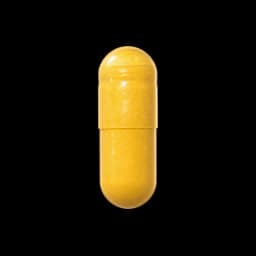
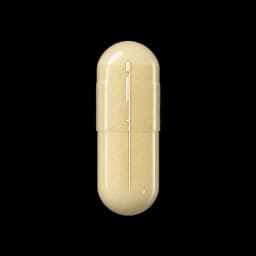
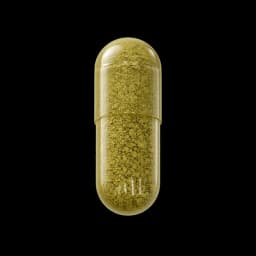
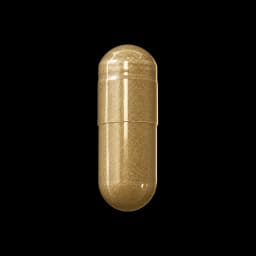
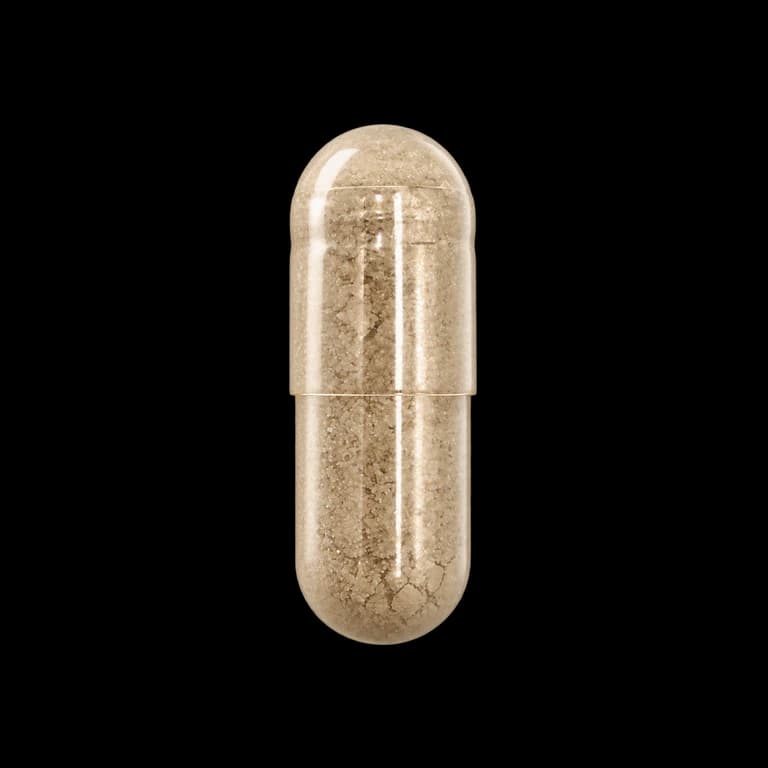
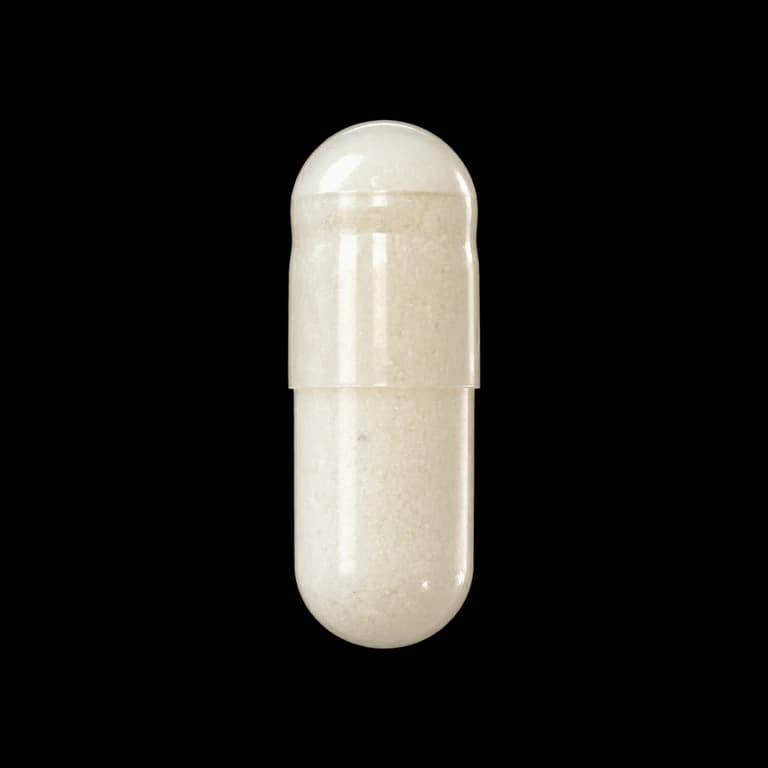
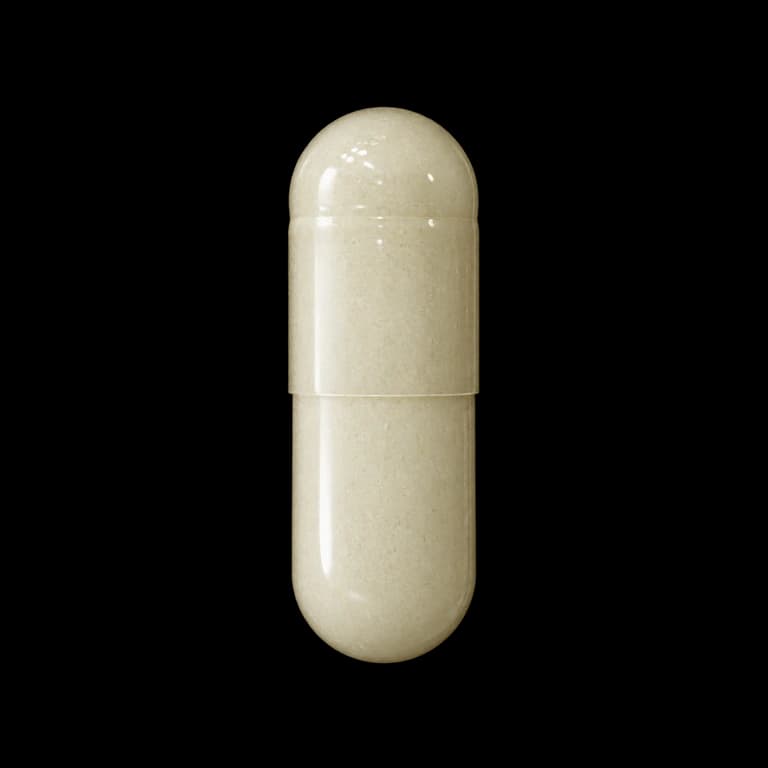
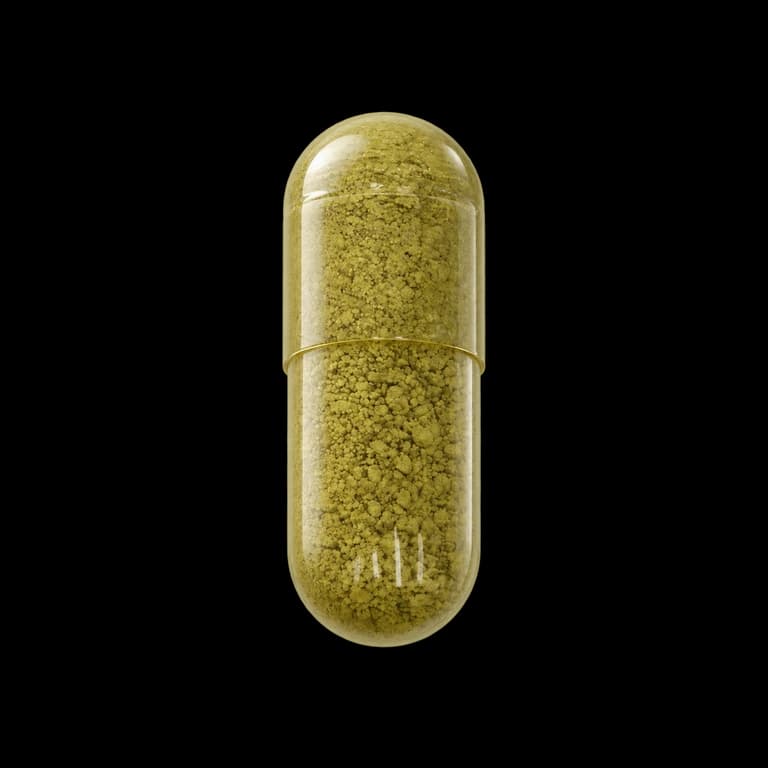
Ours holds 600 mg in a vegan capsule. If you notice an unpleasant smell, that's normal. NAC simply smells and tastes that way.
What it does
- AntioxidantHelps your body make glutathione, its main antioxidant.
- LungsHelps maintain normal mucus and lung comfort.
- LiverSupports normal liver function through glutathione.
- Reproductive healthSupports normal reproductive health in women and men.
These statements have not been evaluated by the FDA. This product is not intended to diagnose, treat, cure or prevent any disease.
What people take it for
 Some evidenceLungs and mucusAcross 14 studies in people with COPD, flare-ups were about 13% less likely. Lung function itself didn't change.
 Some evidenceFertilityIn women with PCOS, studies found higher progesterone and a thicker womb lining. In men, a 3-month study at 600 mg a day found better sperm movement, though not more sperm.
 Early daysHealthy agingIn a small 16-week study of older adults, NAC plus glycine raised glutathione and improved walking speed and strength. Only 12 people took it, so it's a promising start.
How long it takes
NAC doesn't pile up in your blood. After 5 days of repeat use, levels looked the same as after one capsule. The effects people want come over months.
- 1 to 2 hoursHighest level in your blood
- About 6 hoursHalf has left your blood
- 3 to 6 monthsHow long the sperm and winter illness studies ran
How long it stays in your body
It peaks in 1 to 2 hours, and half is gone about 6 hours after that. Less than 10% of a capsule ends up in your blood, because your gut and liver use so much of it first.
What's in a capsule
One capsule holds 600 mg. That matches the sperm study, and in the lung research, benefits showed up at 600 mg a day or less. Many other studies used 1,200 mg a day or more.
Why so little reaches your blood, and why it still matters
Less than 10% of a capsule shows up in your blood, which sounds like a failure. But much of it is used along the way, in your gut and liver. Interestingly, a larger amount isn't just more of the same: the share reaching your blood also rises, because the first pass through your gut and liver has a limit.
The Tylenol story explains how it works. When your body breaks down acetaminophen, it makes a harmful byproduct that glutathione normally mops up. In an overdose, glutathione runs out and the liver gets hurt. NAC refills it. If you've ever taken too much acetaminophen, go to an emergency room. A capsule is not the answer.
It may also touch other things. In a small study at a high amount, homocysteine fell by 45%, while lipoprotein(a), another heart marker people hope to move, stayed exactly where it was.
What it interacts with
- NitroglycerinTogether they can drop your blood pressure and cause harsh headaches. In one study, 35% of people on both had side effects. Ask your doctor first.
- Blood thinnersNAC may slow clotting and platelets, so it may not suit you if you take these or have a bleeding disorder.
- ChemotherapyIt may interfere with some cancer medicines, including cisplatin. One review suggests at least 4 hours apart, but your care team decides.
- Activated charcoalCharcoal can bind NAC and reduce how much you absorb.
- AntibioticsAn old worry. Oral NAC didn't change how much erythromycin or ampicillin people absorbed in a small study.
- Blood testsAt high amounts it can lower homocysteine and cysteine results. Very high levels, like those from a hospital drip, can also make some creatinine tests read a little low, which is unlikely at capsule levels. Mention it to whoever reads your results.
Goes well with
Side effects
- Nausea, vomiting and diarrhea are the common ones. It's generally well tolerated below 1,200 mg a day.
- It has an unpleasant smell and taste.
- Rarely: mouth sores, drowsiness or a runny nose. Call your doctor if you ever cough up blood.
Check first if
- Bleeding disorder or blood thinners: talk to your doctor first.
- Heart medicine with nitroglycerin: ask your doctor first.
- Cancer treatment: ask your care team first.
- Serious kidney disease: people with kidney failure cleared NAC about 90% more slowly, leaving 7 times as much in their blood, so ask your doctor first.
- Liver disease: ask your doctor. The hospital use of NAC is a very different situation from daily capsules.
- Asthma or allergies: reactions that tighten the airways are mostly seen with hospital drips, and a history of asthma makes them more likely. Studies also don't support NAC during an attack, so stick to your usual plan and ask about adding it.
- Before surgery: tell your care team, because it may slow clotting.
- Pregnancy or breastfeeding: we don't have clear data on whether it reaches the baby or breast milk, so check with your doctor.
The blood tests that go with it
- HomocysteineNAC lowered it by 45% in a small study at a high amount.
- ALTA key liver number, and the liver is where NAC's medical story began.
- ASTRead with ALT for a fuller view of your liver.
- INRShows how quickly your blood clots, relevant because NAC may slow it.
- ProgesteroneWent up in studies of women with PCOS.
- Fasting insulinNAC may improve how insulin works in women with PCOS.
- CreatinineA kidney check, since your kidneys help clear NAC.
- eGFRGives you a clearer overall read on your kidneys.
Work it out


Supplementation
Find NAC in a ready-made protocol.
Start from one of these, or add it to your own. Everything comes in one pouch each morning.
Body & skin
A skin-focused routine.
30-day pack · 6 a morning · 180 pills
$75.42 / month
Choose this packDaily foundations
An antioxidant-focused stack.
30-day pack · 6 a morning · 180 pills
$86.22 / month
Choose this packYour own
Build your own pouch.
Know what you want to take? Pick each ingredient, and we time it through your day.
Build your own
- cGMP-certifiedFacilities
- FDA-registeredFacilities
- Accredited labsIndependent testing
- Non-GMOIngredient options
- OrganicIngredient options
- VeganFormula options
These statements have not been evaluated by the Food and Drug Administration. These products are not intended to diagnose, treat, cure or prevent any disease.
Want it more precise? Get the app.
A page can only tell you about NAC. The app tells you about you: whether it fits, when to take it, and whether it's working.
- Checked against your blood work and everything you already take
- On your daily timeline, around your sleep, training and meals
- Followed over time, so you can see what moved

 NACOPEN 09:00
NAC against your blood work, your sleep and what you already take.
 AI
Your homocysteine is lower than last spring, and you started NAC in between. Want to see it next to your B12?
ASK ABOUT NACFind the goal that's yours.
Your record, your routine and LifeFrom AI, pointed at the outcome that matters to you.

Questions
What is NAC good for?
People use it to support glutathione, lungs and mucus, fertility and healthy aging. It's a hospital medicine for acetaminophen overdose, but that's not what a capsule is for.
How long does NAC take to work?
It reaches its peak in 1 to 2 hours, but what you're after takes much longer. Studies on sperm ran 3 months, and winter illness studies ran 6.
What are the side effects of NAC?
Mostly nausea, vomiting and diarrhea. It also has an unpleasant smell and taste. It's generally well tolerated below 1,200 mg a day.
What does NAC interact with?
Mainly nitroglycerin, blood thinners and some cancer medicines. Activated charcoal can reduce how much you absorb.
What is the half-life of NAC?
About 6 hours after a capsule. It doesn't build up in your blood with repeat use.
Does NAC actually raise glutathione?
It gives your body a raw material for making it. In a small study of older adults low in glutathione, NAC with glycine raised it. But when lung studies were pooled, glutathione didn't clearly change. So it's a reasonable idea, not a sure thing.
Who should not take NAC?
Check first if you have a bleeding disorder, take blood thinners or nitroglycerin, have asthma or serious kidney disease, are having cancer treatment, or are pregnant or breastfeeding.
Can I take NAC every day?
Studies gave it daily, including a 6-month study of older adults where it was well tolerated. For much longer than that, it's worth checking in with your doctor.
Does NAC help when you have the flu?
In a 6-month winter study, older adults taking it had fewer flu-like episodes and milder symptoms, at twice the amount in one capsule. It didn't stop them catching the virus, though, and it's no replacement for a flu shot.
Can NAC help with hair pulling or skin picking?
It's been studied for these habits, and specialists sometimes consider it alongside behavior therapy, which works best. Please talk to a doctor rather than trying it alone.
Why does NAC smell bad?
That's just the compound itself. An unpleasant smell and taste are a known property of NAC.
Sources
- Schwalfenberg GK. N-acetylcysteine: a review of clinical usefulness. J Nutr Metab, 2021.
- Olsson B et al. Pharmacokinetics and bioavailability of reduced and oxidized N-acetylcysteine. Eur J Clin Pharmacol, 1988.
- Borgström L, Kågedal B. Dose dependent pharmacokinetics of N-acetylcysteine after oral dosing to man. Biopharm Drug Dispos, 1990.
- Holdiness MR. Clinical pharmacokinetics of N-acetylcysteine. Clin Pharmacokinet, 1991.
- Cai X et al. The efficacy of N-acetylcysteine in the management of chronic obstructive pulmonary disease. PeerJ, 2026.
- Viña I et al. Efficacy of N-acetylcysteine in polycystic ovary syndrome. Nutrients, 2025.
- Ciftci H et al. Effects of N-acetylcysteine on semen parameters and oxidative/antioxidant status. Urology, 2009.
- Kumar P et al. Supplementing glycine and N-acetylcysteine in older adults. J Gerontol A Biol Sci Med Sci, 2023.
- Wiklund O et al. N-acetylcysteine treatment lowers plasma homocysteine but not serum lipoprotein(a) levels. Atherosclerosis, 1996.
- De Flora S et al. Attenuation of influenza-like symptomatology with long-term N-acetylcysteine treatment. Eur Respir J, 1997.
- Ardissino D et al. Effect of transdermal nitroglycerin or N-acetylcysteine, or both, in unstable angina. J Am Coll Cardiol, 1997.
- Paulsen O et al. No effect of oral N-acetylcysteine on the bioavailability of erythromycin and bacampicillin. Eur Respir J, 1988.
- Grant JE, Chamberlain SR. Trichotillomania and skin-picking disorder: an update. Focus, 2021.
- Nolin TD et al. Multiple-dose pharmacokinetics and pharmacodynamics of N-acetylcysteine in patients with end-stage renal disease. Clin J Am Soc Nephrol, 2010.
- Sandilands EA, Bateman DN. Adverse reactions associated with acetylcysteine. Clin Toxicol, 2009.
- Genzen JR et al. N-acetylcysteine interference of Trinder-based assays. Clin Biochem, 2016.
Written by LifeFrom from these sources, and not yet reviewed by a clinician. Talk to your doctor before starting a supplement.