SupplementsHerbs & MushroomsGinger Root
Ginger Root
organic Zingiber officinale
The kitchen root that, in one study, helped a stomach empty in half the time.
- Builds up
- Hours to weeks
- In your body
- Under 2 hours
- Per 1 capsule
- 500 mg
- 30-day supply
- $6.60One capsule a day, plus packing and delivery
What is ginger root?
Ginger is the underground stem of a plant from warm parts of Southeast Asia. It's a food, a spice and a long-used stomach remedy.
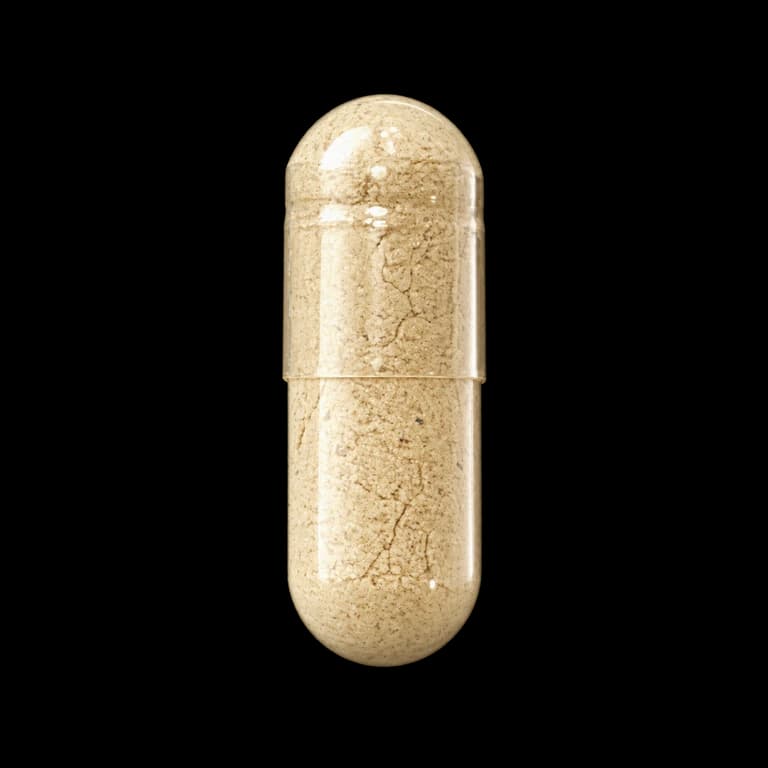
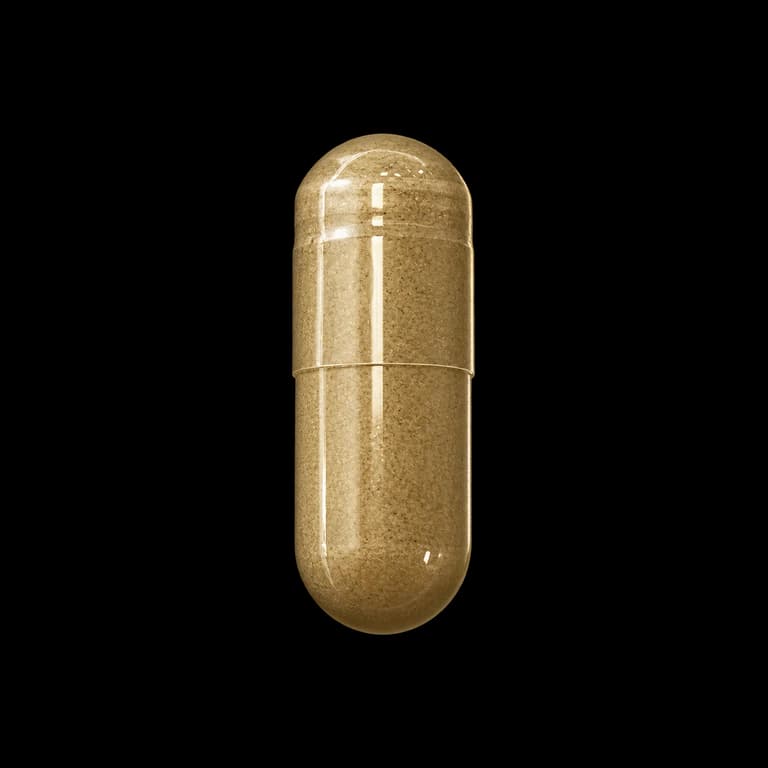
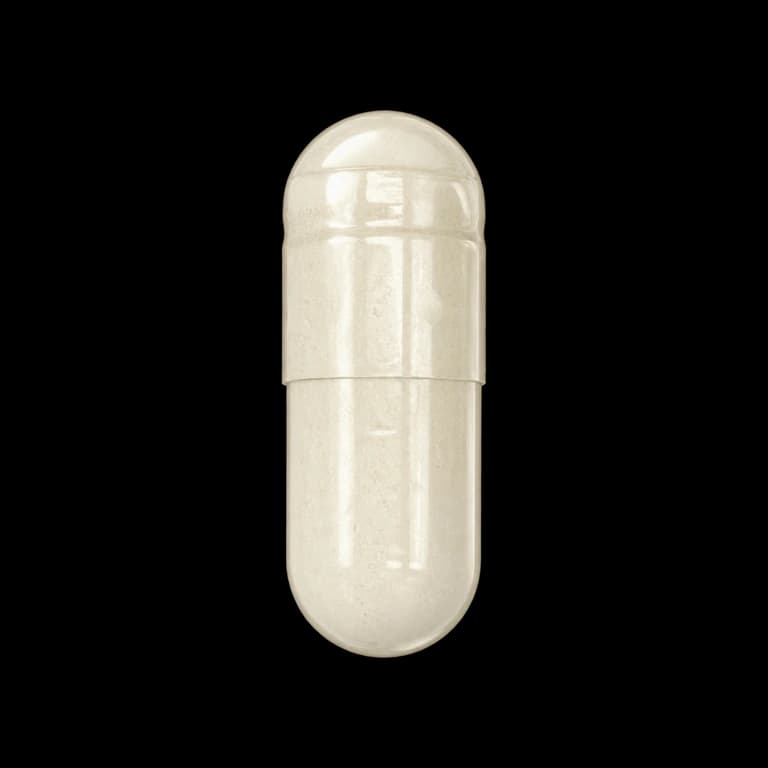
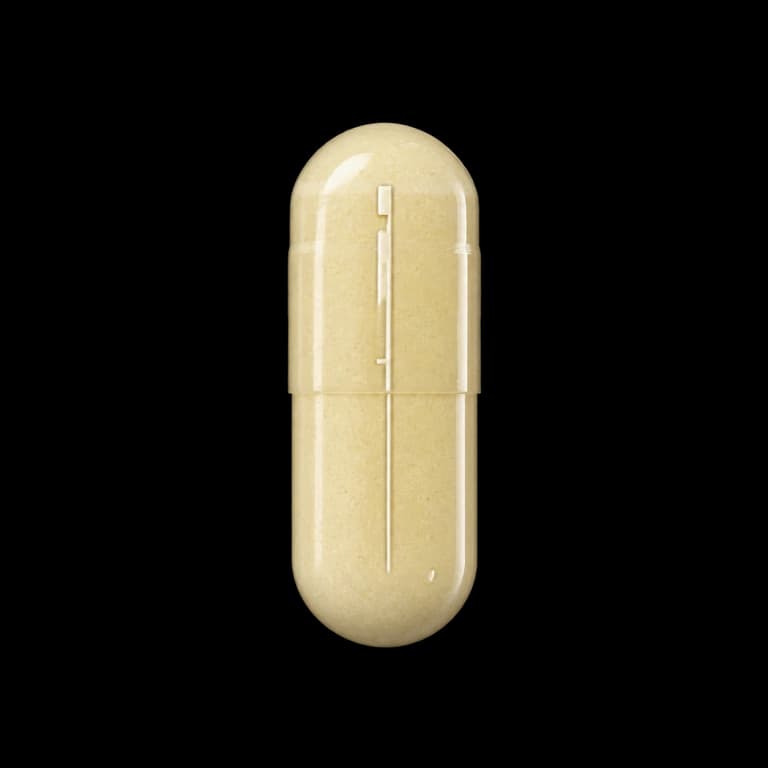
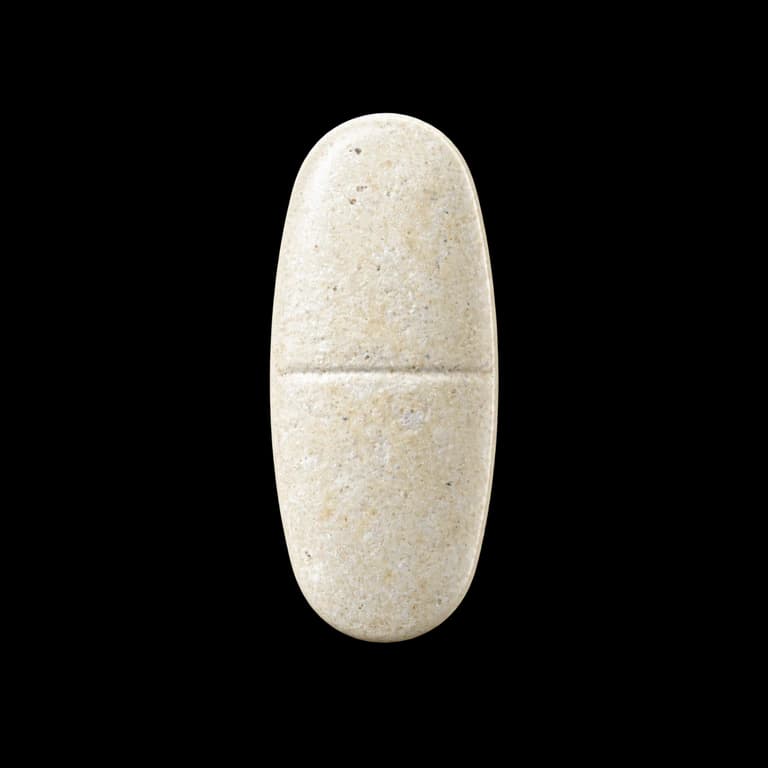
Ours is 500 mg of organic ginger root in each capsule.
Its heat and scent come from gingerols and shogaols, oily compounds that make up just a few percent of the root. They're what researchers look at when they study it.
What it does
- Stomach comfortSupports comfortable digestion and helps ease occasional nausea.
- JointsSupports joint comfort and mobility.
- Monthly comfortSupports comfort during your period.
These statements have not been evaluated by the FDA. This product is not intended to diagnose, treat, cure or prevent any disease.
What people take it for
 Some evidenceNausea in pregnancyAcross 12 studies and 1,278 women, it eased nausea, though it didn't clearly cut vomiting. Ask your doctor before trying it.
 Some evidencePeriod crampsIn studies, cramps were less intense and didn't last as long. Ginger did about as well as common painkillers, though many of the studies had flaws.
 Some evidenceSore kneesStudies of 593 people with osteoarthritis found a modest drop in pain. More people stopped taking it than a dummy capsule, though.
How long it takes
It doesn't build up in your blood. Its effect on your stomach comes on within an hour or so, while studies on cramps and knees looked at regular use, not a single capsule.
- About 1 hourHighest level in your blood, and your stomach empties faster
- HoursYour body clears it, and it doesn't stack up
- With regular useWhat cramp, joint and blood sugar studies looked at
How long it stays in your body
It reaches its highest level about an hour after you take it, and half is gone less than 2 hours later. So nothing stacks up from one capsule to the next.
What's in a capsule
One capsule holds 500 mg of ginger root. The stomach study used 1,200 mg. For pregnancy nausea, amounts under 1,500 mg a day looked best.
Why it helps your stomach
Here's a measure of what ginger actually does. In a study of 24 healthy people, ginger taken before a bowl of soup cut the time for half of it to leave the stomach from about 27 minutes to about 13. The muscle at the bottom of the stomach squeezed more often too. Food that sits in the stomach for less time gives nausea less to work with, which may be part of why it's such an old remedy.
Your body doesn't keep ginger's active compounds in their original form. In people's blood, researchers couldn't find any free gingerols at all. They found them with a small tag attached by the body, which is how it gets things ready to clear.
Motion sickness is the surprise. It's what many people reach for ginger for, and most studies haven't found that it helps. The same goes for nausea after surgery or during chemotherapy, where it's not clear that it adds anything to standard care.
What it interacts with
- WarfarinGinger can raise your risk of bleeding with warfarin. Talk to your doctor first, and have your INR watched.
- Other blood thinnersLess is known here, but the same concern applies. Ask your doctor, and mention it before surgery.
- Diabetes medicinesIn people with type 2 diabetes, studies found a drop in fasting sugar of about 16 points, so the two could add up.
- Blood pressure medicinesReviews found only a small drop in top blood pressure numbers, but it's worth mentioning.
Goes well with
Side effects
- Heartburn, stomach discomfort, bloating and diarrhea.
- Mouth and throat irritation, and a bad taste.
- Usually mild. In many studies, side effects were about as common on a dummy capsule.
Check first if
- Pregnancy: it may be safe and is studied for nausea, but talk to your doctor before taking a supplement.
- Breastfeeding: there's little safety data, so check first.
- Warfarin or other blood thinners, or a bleeding disorder: talk to your doctor first.
- Gallstones: lab work suggests ginger raises bile output, so ask your doctor first. There's little research on this in people.
- Before surgery: tell your care team.
The blood tests that go with it
- INRShows how fast your blood clots, and matters if you take warfarin with ginger.
- Prothrombin timeThe clotting test INR is based on.
- Fasting glucoseFell in studies of people with type 2 diabetes.
- HbA1cYour blood sugar over about three months, also a bit lower in those studies.
- TriglyceridesAlso fell in the same studies.
- ALTA general liver check. Ginger hasn't been linked to liver damage.
Work it out

Supplementation
Or start from a ready-made protocol.
Start from one of these, or add it to your own. Everything comes in one pouch each morning.
Mind & balance
For your focused hours.
30-day pack · 5 a morning · 150 pills
$70.35 / month
Choose this packMind & balance
For a demanding day.
30-day pack · 6 a morning · 180 pills
$75.30 / month
Choose this packBody & skin
A skin-focused routine.
30-day pack · 6 a morning · 180 pills
$75.42 / month
Choose this packBody & skin
Put heart health in focus.
30-day pack · 7 a morning · 210 pills
$84.54 / month
Choose this packDaily foundations
Start with your gut.
30-day pack · 6 a morning · 180 pills
$98.70 / month
Choose this packBody & skin
A bone-focused foundation.
30-day pack · 6 a morning · 180 pills
$84.88 / month
Choose this packBody & skin
For an active life.
30-day pack · 5 a morning · 150 pills
$75.40 / month
Choose this packMind & balance
Make space for balance.
30-day pack · 6 a morning · 180 pills
$73.50 / month
Choose this packDaily foundations
Four mineral building blocks.
30-day pack · 4 a morning · 120 pills
$62.10 / month
Choose this packDaily foundations
An antioxidant-focused stack.
30-day pack · 6 a morning · 180 pills
$86.22 / month
Choose this packLife stages
Your everyday starting point.
30-day pack · 6 a morning · 180 pills
$79.62 / month
Choose this packLife stages
A broader daily foundation.
30-day pack · 7 a morning · 210 pills
$92.29 / month
Choose this packDaily foundations
For a plant-based routine.
30-day pack · 7 a morning · 210 pills
$86.10 / month
Choose this packYour own
Build your own pouch.
Know what you want to take? Pick each ingredient, and we time it through your day.
Build your own




- cGMP-certifiedFacilities
- FDA-registeredFacilities
- Accredited labsIndependent testing
- Non-GMOIngredient options
- OrganicIngredient options
- VeganFormula options
These statements have not been evaluated by the Food and Drug Administration. These products are not intended to diagnose, treat, cure or prevent any disease.
Want it more precise? Get the app.
A page can only tell you about Ginger Root. The app tells you about you: whether it fits, when to take it, and whether it's working.
- Checked against your blood work and everything you already take
- On your daily timeline, around your sleep, training and meals
- Followed over time, so you can see what moved

 Ginger RootOPEN 09:00
Ginger Root against your blood work, your sleep and what you already take.
 AI
Your stomach's been off on the mornings you run. Want to see what you ate the night before, and whether ginger fits?
ASK ABOUT GINGER ROOTFind the goal that's yours.
Your record, your routine and LifeFrom AI, pointed at the outcome that matters to you.



Questions
What is ginger root good for?
Mostly nausea and an unsettled stomach. People also take it for period cramps and sore knees.
How long does ginger take to work?
It reaches its highest level in about an hour. Stomach effects were seen in that time, while joint studies looked at regular use.
What are the side effects of ginger root?
Usually mild: heartburn, stomach upset, bloating, diarrhea, and mouth or throat irritation.
Who should not take ginger root?
Talk to your doctor first if you take warfarin or another blood thinner, have a bleeding disorder or gallstones, take diabetes medicines, have surgery coming up, or are pregnant or breastfeeding.
Can I take ginger every day?
Many people do, and it's generally recognized as safe. Over 100 studies have reported no liver harm, though long-term studies are few.
Is ginger safe in pregnancy?
It may be. A review of 12 studies didn't find extra risk, and many women use it for nausea. Ask your doctor, since supplements hold more than food.
Does ginger help with motion sickness?
Probably not much. Most studies haven't found that it helps, despite its reputation.
Does ginger thin your blood?
It can raise the risk of bleeding if you take warfarin. If you take any blood thinner, ask your doctor first.
Does ginger lower blood sugar?
In people with type 2 diabetes, studies found a modest drop, which reviewers called of limited clinical importance. It won't replace your medicine.
Sources
- NIH National Center for Complementary and Integrative Health. Ginger: usefulness and safety.
- NIH LiverTox. Ginger.
- NIH Drugs and Lactation Database (LactMed). Ginger.
- Zick SM et al. Pharmacokinetics of 6-gingerol, 8-gingerol, 10-gingerol, and 6-shogaol and conjugate metabolites in healthy human subjects. Cancer Epidemiol Biomarkers Prev, 2008.
- Wu KL et al. Effects of ginger on gastric emptying and motility in healthy humans. Eur J Gastroenterol Hepatol, 2008.
- Viljoen E et al. A systematic review and meta-analysis of the effect and safety of ginger in the treatment of pregnancy-associated nausea and vomiting. Nutr J, 2014.
- Bartels EM et al. Efficacy and safety of ginger in osteoarthritis patients: a meta-analysis of randomized placebo-controlled trials. Osteoarthritis Cartilage, 2015.
- Moshfeghinia R et al. Ginger for Pain Management in Primary Dysmenorrhea: A Systematic Review and Meta-Analysis. J Integr Complement Med, 2024.
- Chen X et al. Meta-analysis of the effects of ginger supplementation on glycemic control, blood pressure and lipid profile in patients with type 2 diabetes. Syst Rev, 2026.
- Rubin D et al. Effects of Oral Ginger Supplementation on the INR. Case Rep Med, 2019.
- Srinivasan K. Dietary spices as beneficial modulators of lipid profile in conditions of metabolic disorders and diseases. Food Funct, 2013.
Written by LifeFrom from these sources, and not yet reviewed by a clinician. Talk to your doctor before starting a supplement.