- 01Refilling a gap versus topping up a full tank
Iron, B12 and vitamin D ease tiredness in trials only in people who are low; when stores are full, extra does nothing you can feel. A blood test tells you which case you are in.
- 02Caffeine works on everyone, vitamins only on the deficient
Caffeine blocks the sleepiness signal, so it works within the hour regardless of your levels, and it borrows from sleep. Vitamins and minerals work slowly and only by fixing a shortfall.
Vitamins and minerals are the tools your cells use to turn food into energy, so they lift tiredness when you are short of one and change nothing you can feel when your stores are already full. That one rule sorts the whole energy aisle. The supplements with the best trials work by refilling a gap, and a short blood test shows which gap, if any, you have.
Can a supplement give you more energy?
Your body makes energy as ATP (adenosine triphosphate, the molecule cells spend to do work) by burning glucose and fat. Iron carries the oxygen that process needs, vitamin B12 helps build the red blood cells that deliver it, and magnesium sits beside ATP inside every cell. When one of these runs short, energy production slows and you feel it as tiredness. When supply is already adequate, the extra is stored or excreted, and nothing changes that you can feel.
That is why trial results look contradictory. In one placebo-controlled trial, iron cut fatigue in women with low ferritin and did nothing measurable in women with higher ferritin 1. A supplement that looks weak in a mixed group can work well for the right person, and a popular one can do nothing for someone who was never low.
Caffeine is the exception to the refill rule. It blocks adenosine, the chemical that builds up through the day and makes you sleepy, so it makes almost anyone feel more alert within the hour, deficient or not. The cost arrives later: caffeine stays active for several hours, so an afternoon dose can still be working at bedtime and cut into deep sleep, which makes tomorrow more tired. Energy drinks and energy blends often hide large amounts of caffeine behind names like guarana. A 2013 report from the US Substance Abuse and Mental Health Services Administration (SAMHSA) counted about 20,800 emergency visits involving energy drinks in 2011, double the 2007 figure.
If tiredness is the main problem and you have not yet looked at why, the fatigue guide separates sleepiness, muscle weakness and true fatigue and lists the causes. This page covers what a supplement can and cannot add.
Energy supplements ranked by evidence
The table ranks each option by the quality of human trials for tiredness, names who it helps, and names the blood test that tells you whether it applies. "Strong if low" means good randomized trials in people with a measured shortfall; "modest" means small but fairly consistent effects; "mixed" or "thin" means a few small or biased studies.
| Supplement | Who it helps | Evidence | Best finding | Test that decides | Time to tell |
|---|---|---|---|---|---|
| Iron | Women with ferritin under 50, heavy periods, pregnancy, endurance athletes | Strong if low | Fatigue fell 47.7% on iron vs 28.8% on placebo over 12 weeks 2 | Ferritin, transferrin saturation | 4 to 12 weeks |
| Vitamin B12 | Plant-based eaters, adults over 60, metformin or long-term acid reducer users | Strong if low | Oral B12 corrects most deficiency as well as injections 5 | B12, MMA if borderline | A few weeks |
| Vitamin D | People with 25-OH vitamin D under 20 ng/mL | Strong if low | 72% vs 50% reported less fatigue at 4 weeks 6 | 25-OH vitamin D | 4 to 8 weeks |
| CoQ10 | Adults with fatigue; often asked about by statin users | Modest | Small drop in fatigue scores across 13 trials 7 | None reliable | 4 to 8 weeks |
| Creatine | Hard training, short sleep | Modest | Best-studied aid for high-intensity exercise 8 | None (it raises creatinine) | 1 to 4 weeks |
| Magnesium | Diets short on magnesium | Mixed | Helps when intake is short; no form proven best for energy | None reliable (serum can miss low stores) | Several weeks |
| B complex | Narrow diets | Thin unless low | No energy benefit shown above normal levels | B12, folate | Several weeks |
| Rhodiola | Stress-related tiredness | Mixed | A 2012 review of 11 trials called it inconclusive | None | 4 to 8 weeks |
| Ashwagandha | Stressed and wired | Mixed | Lower stress scores in small trials; it calms more than it stimulates | None | 4 to 8 weeks |
| Caffeine with L-theanine | Almost anyone, short term | Strong for alertness | Works within an hour; L-theanine eases the jitters in small trials | None | Under an hour |
| L-carnitine, cordyceps, NAD boosters, adrenal blends | Marketed to everyone | Thin | Little human evidence for everyday tiredness | None | Unknown |
The best-evidenced energy supplements, each in more depth
 Strongest evidence if lowIronCut fatigue in non-anemic women with ferritin under 50 in two placebo-controlled trials.In our shop
 Strong evidence if lowVitamin B12Corrects deficiency by mouth for most people; no lift when levels are normal.In our shop
 Strong evidence if lowVitamin DEased fatigue at 4 weeks in adults starting below 20 ng/mL.In our shop
Which supplement fits your kind of tired?
Start from your situation, then the test, then the supplement. Each row names the result that decides it, so you are not guessing.
| If this sounds like you | Check first | What the result can point to |
|---|---|---|
| Heavy periods, pregnancy, endurance training, regular blood donation | Ferritin, transferrin saturation | Iron, if ferritin is low |
| Plant-based diet, over 60, on metformin or acid reducers for 2+ years | B12, then MMA if borderline | Vitamin B12 |
| Little sun, darker skin, winter, mostly indoors | 25-OH vitamin D | Vitamin D |
| On a statin with tired, aching muscles | No reliable test | CoQ10, a reasonable question for your prescriber |
| Training hard or short on sleep | No test needed | Creatine, alongside more sleep |
| Stressed, wired, sleeping badly | Sleep and mood first | Ashwagandha or rhodiola as a modest option |
| Normal blood work and still exhausted | TSH, HbA1c, a sleep study if you snore | Usually not a supplement problem |
Medicines belong in that picture. A 2013 study in JAMA found that people who took proton pump inhibitors (PPIs, the common acid reducers) for two years or more had 65% higher odds of low B12, so a long prescription is worth raising when you and your clinician look at tiredness.
Iron helps tiredness most when ferritin is low, even without anemia
Ferritin is the protein that stores iron, and its blood level is the best simple measure of how full your stores are. Hemoglobin, the oxygen carrier in red cells, can be normal while ferritin is low; clinicians call that iron deficiency without anemia, and it is common in menstruating women. In 144 non-anemic women with unexplained fatigue, four weeks of iron cut fatigue scores by 29% against 13% on placebo, and the benefit appeared only in women whose ferritin was 50 ng/mL or lower 1. A larger trial of 198 menstruating women with ferritin under 50 found fatigue fell by 47.7% on iron against 28.8% on placebo over 12 weeks 2. A 2018 meta-analysis in BMJ Open pooled the trials and found iron eased self-reported fatigue in non-anemic adults but did not improve measured physical capacity.
Iron supplementation should be considered for women with unexplained fatigue who have ferritin levels below 50 μg/L.Vaucher et al., CMAJ 2012
Example ferritin against the fatigue-trial thresholdng/mL
Iron is also the energy supplement most likely to do harm when taken blind. Hereditary hemochromatosis, a genetic condition that makes the body hoard iron, is one of the commonest inherited conditions in people of Northern European descent, and extra iron speeds the damage it does to the liver, heart and joints. The adult upper limit is 45 mg of elemental iron a day, and accidental iron overdose is a leading cause of fatal poisoning in children under 6, so iron belongs out of children's reach 4. Calcium reduces iron absorption, and iron reduces absorption of thyroid medicine, so these are usually spaced apart; a pharmacist can say how far for your own medicines.
One practical detail from absorption research: in iron-depleted women, iron given every other day was absorbed better in total than iron on consecutive days, because each dose raises hepcidin (the hormone that blocks iron uptake) for about 24 hours 3. Forms, schedules and side effects live on the iron guide and iron deficiency; the full lab picture is in iron studies explained, and ferritin vs iron explains why serum iron alone misleads.
Vitamin B12 if you are in a higher-risk group
Vitamin B12 builds red blood cells and keeps nerves working, and the liver stores years of it, so a shortage creeps up slowly. The people who run short are predictable: plant-based eaters, adults over 60 (the stomach acid needed to absorb B12 falls with age), people on metformin for diabetes, and long-term users of acid reducers 5. A B12 result in the low-normal range can still hide a shortage at tissue level; a methylmalonic acid (MMA) test, which rises when cells lack B12, settles the question.
For people who are deficient, a review in American Family Physician found that oral B12 at 1 to 2 mg a day, the amounts studied, corrects most deficiency as well as injections 5. Injections remain the route for severe deficiency or nerve symptoms, a call your clinician makes. Extra B12 has not been shown to raise energy when the level is already fine. The B12 deficiency page covers symptoms and causes, and the metformin guide covers that interaction.
Vitamin D if your level is under 20 ng/mL
In a double-blind trial of 120 adults with fatigue and 25-OH vitamin D below 20 ng/mL, a single high dose of vitamin D3 improved fatigue at four weeks more than placebo: 72% of the vitamin D group reported less fatigue against 50% on placebo 6. People with darker skin, little time outdoors or higher body weight run low more often, as does almost anyone through a northern winter. Long-term intake above the adult upper limit of 4,000 IU a day can raise blood calcium, so vitamin D is not a case of more being better.
Vitamin D results come in two units: ng/mL in the US and nmol/L in most other countries, where 20 ng/mL equals 50 nmol/L. The vitamin D unit converter switches between them, vitamin D deficiency covers the causes, and the vitamin D guide covers forms and timing. If your vitamin D level is already normal, more has not been shown to lift energy.
CoQ10: a small effect on tiredness, and the statin question
Coenzyme Q10 (CoQ10) is a compound the mitochondria, the power units in each cell, use to make ATP. A 2022 meta-analysis of 13 randomized trials with 1,126 people found CoQ10 modestly lowered fatigue scores against placebo, with larger effects at higher doses and longer use 7. The trials mixed healthy people with people who had illnesses, so the benefit for an otherwise healthy tired adult is small and uncertain.
Statins, the common cholesterol drugs, lower blood CoQ10, which is why people with statin muscle aches often ask about it; trials on whether CoQ10 eases those aches disagree. CoQ10 may weaken the effect of warfarin, so anyone on a blood thinner needs their prescriber's view before starting it, and a statin should never be stopped to try CoQ10 without that conversation. Forms (ubiquinone and ubiquinol) are on the CoQ10 guide.
Creatine: for hard training and short sleep
Creatine refills ATP fast during short bursts of effort. The International Society of Sports Nutrition's position stand rates creatine monohydrate the most effective nutritional supplement for high-intensity exercise capacity and finds it safe in healthy people at the amounts studied 8. Smaller trials suggest creatine can blunt the mental slump after a night of lost sleep. Creatine raises creatinine on a blood test by design, which can look like a kidney problem on paper, so tell whoever orders your labs; the creatine guide covers the kidney question.
Magnesium: worth it if your diet is short, not as a stimulant
Magnesium sits beside ATP in every cell, and national survey data suggest close to half of US adults get less magnesium from food than they need. Serum magnesium, the usual blood test, can read normal while body stores run low, because almost all magnesium sits inside cells and bone. No good trial shows magnesium raises energy in people with adequate intake, and no trial shows magnesium malate, sold as the energy form, beats other forms. Above the supplement upper limit of 350 mg a day, loose stools are common, and people with kidney disease need advice before taking it. Its better-supported role is in sleep, covered on the sleep goal, with forms on the magnesium guide and causes on magnesium deficiency.
B complex and high-dose energy B vitamins
A B complex makes sense for a narrow diet, and megadoses do nothing for energy if you are not low. Three risks hide in the small print. Vitamin B6 above 100 mg a day, taken for months, can cause nerve damage with numbness and tingling, and some energy formulas carry 50 to 100 mg per serving. Folic acid above 1,000 mcg a day can correct the anemia of B12 deficiency while the nerve damage continues unseen. Biotin, common in hair and energy blends, can push thyroid, troponin and other lab results falsely high or low.
The B complex guide lists the forms and amounts the studies used.
Rhodiola and ashwagandha for stressed-tired
Rhodiola rosea is an adaptogen, an herb marketed to help the body handle stress. A 2012 systematic review of 11 trials in BMC Complementary and Alternative Medicine found the evidence for physical and mental fatigue inconclusive, with most trials at high or unclear risk of bias. Ashwagandha has more trials, mostly small, showing lower stress scores and cortisol; it tends to calm rather than stimulate. Rare cases of liver injury have been reported, it is avoided in pregnancy, and it can nudge thyroid hormone levels, so people on thyroid medicine should check with their clinician. Yellowing skin or eyes, dark urine or new pain under the right ribs while taking any herb means stop and get seen.
Neither herb fixes low iron or low B12. Adrenal fatigue is not a recognized diagnosis, as adrenal fatigue explains, and the salt-and-juice adrenal cocktail has no trial behind it. Each herb has its own page: rhodiola and ashwagandha.
Caffeine, L-theanine, energy drinks and the rest
L-theanine, an amino acid from tea, takes the edge off caffeine's jitters in small trials, and the pairing is the closest thing to a fast, smooth lift. Caffeine raises heart rate and blood pressure in some people, worsens anxiety and reflux, and is limited in pregnancy. Palpitations, chest pain or fainting after an energy drink need urgent care. The L-theanine guide covers the trials.
L-carnitine shuttles fat into mitochondria but has little human evidence for everyday tiredness; acetyl-L-carnitine vs L-carnitine explains how the two forms differ. Cordyceps, NAD boosters and green coffee extract rest on small or preclinical studies. If brain fog is the main complaint, supplements for brain health grades the options for focus, and brain fog covers the causes.
The mixed and thin options, with what the studies found



Test before you buy: the blood results that decide
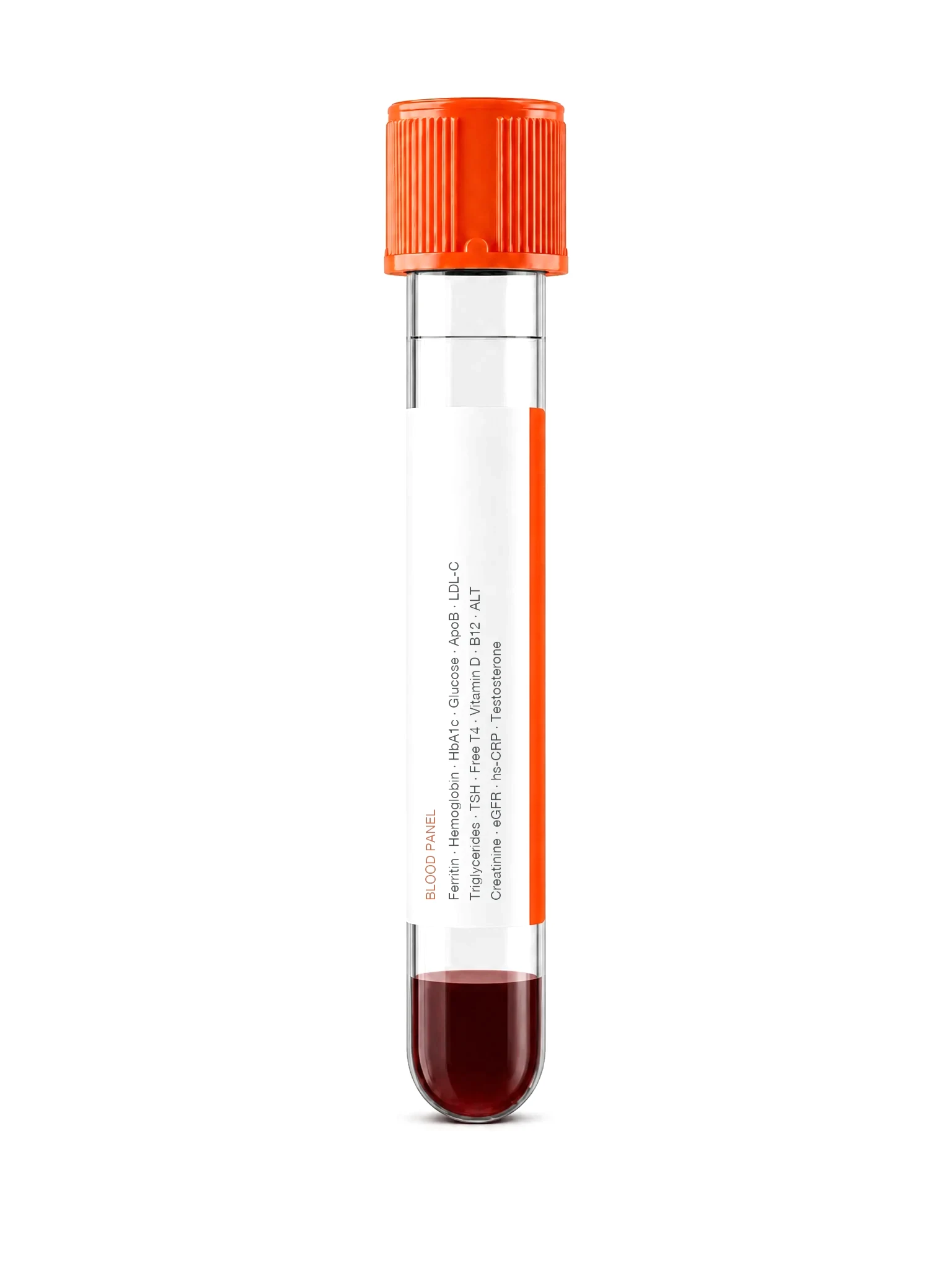
A handful of results decides almost every row of the ranking table, and many people already have some of them on an old report. Ferritin with transferrin saturation shows iron stores and how much iron is circulating; hemoglobin and MCV on a blood count show anemia and hint at its type; B12, with MMA if borderline, shows B12 status; 25-OH vitamin D shows vitamin D; TSH screens the thyroid; HbA1c adds blood sugar. Guessing costs 8 to 12 weeks per supplement, the time it takes to know whether one worked. If a report has serum iron and TIBC but no saturation, the transferrin saturation calculator works it out, and supplements based on your blood test maps each result to what it points to.
The markers to check before an energy supplement
How to tell whether a supplement worked
The time to tell differs by supplement, from under an hour for caffeine to about three months for iron, as the ranking table shows. Iron can take months more to refill stores after you start to feel better. Within those windows, a simple routine separates a real effect from a good week.
- 1One change at a timeStarting one supplement at a time is the only way to know which one helped, and which one caused a side effect.
- 2Score your energyRate energy from 1 to 10 each evening for two weeks before the change and keep going after it.
- 3Wait out the windowJudge each supplement only after the time-to-tell period in the table, not after a few days.
- 4Retest the markerAsk your clinician about rechecking ferritin, B12 or vitamin D at 8 to 12 weeks to see whether the gap closed.
- 5Know when it is not the answerIf scores have not moved by the end of the window and the marker is normal, that supplement is unlikely to be the answer to your tiredness, which is worth taking back to your clinician.
When tiredness is not a supplement problem
When to get help now
Thyroid disease, anemia, sleep apnea, depression and medicines cause more tiredness than any vitamin shortage. These signs need a clinician, not a capsule.
- Chest pain, fainting or severe breathlessness
- Black, tarry or bloody stools, or vomiting blood
- Thoughts of harming yourself
- Weight loss you cannot explain, fevers or drenching night sweats
- New breathlessness on stairs or a racing heart at rest
- Periods heavy enough to soak through protection
- Loud snoring with dozing off during the day
- Low mood or loss of interest lasting more than two weeks
- Tiredness lasting more than a few weeks with no clear reason
LifeFrom can't examine you or assess a symptom. If something feels seriously wrong, trust that and get care rather than waiting on a test.
A raised TSH points toward hypothyroidism, and a low hemoglobin toward anemia; both pages explain what the result means and what usually comes next.
Choosing a product without getting fooled
- The FDA does not approve supplements before they go on sale, so the label is the maker's word. A USP Verified or NSF Certified mark means an independent lab checked the contents.
- Look for an amount per ingredient. A proprietary blend hides how much of each ingredient you get.
- Check for hidden caffeine under guarana, yerba mate, green tea extract or kola nut.
- Compare the form and amount with what the trials used, listed on each compound guide.
- Show the bottle to a pharmacist if you take thyroid medicine, a blood thinner, a statin or metformin.
Citations
- Verdon F et al. Iron supplementation for unexplained fatigue in non-anaemic women: double blind randomised placebo controlled trial. BMJ 2003;326:1124.
- Vaucher P et al. Effect of iron supplementation on fatigue in nonanemic menstruating women with low ferritin: a randomized controlled trial. CMAJ 2012;184(11):1247-54.
- Stoffel NU et al. Iron absorption from oral iron supplements given on consecutive versus alternate days and as single morning doses versus twice-daily split dosing in iron-depleted women. Lancet Haematol 2017;4(11):e524-e533.
- NIH Office of Dietary Supplements. Iron: Fact Sheet for Health Professionals.
- Langan RC, Goodbred AJ. Vitamin B12 Deficiency: Recognition and Management. Am Fam Physician 2017;96(6):384-389.
- Nowak A et al. Effect of vitamin D3 on self-perceived fatigue: a double-blind randomized placebo-controlled trial. Medicine (Baltimore) 2016;95(52):e5353.
- Tsai IC et al. Effectiveness of Coenzyme Q10 Supplementation for Reducing Fatigue: A Systematic Review and Meta-Analysis of Randomized Controlled Trials. Front Pharmacol 2022;13:883251.
- Kreider RB et al. International Society of Sports Nutrition position stand: safety and efficacy of creatine supplementation in exercise, sport, and medicine. J Int Soc Sports Nutr 2017;14:18.
Educational context only, not medical advice or a diagnosis. Always discuss your results with a clinician.