- 01The clear week after the period defines PMDD
PMDD is defined by a week after the period when symptoms are minimal or gone. If symptoms never clear, it is depression, anxiety or another condition getting worse before the period (premenstrual exacerbation), and treatment targets that condition first.
PMDD (premenstrual dysphoric disorder) is diagnosed from timing. If you feel like a different person for a week or two before every period and like yourself again a few days after it starts, a daily record of that pattern is the evidence a clinician needs. Blood tests can't confirm PMDD, but they rule out thyroid disease, iron deficiency and other conditions that cause the same exhaustion and low mood.
What is PMDD?
Premenstrual dysphoric disorder (PMDD) is a severe form of premenstrual distress. Since 2013 the DSM-5, the American Psychiatric Association's diagnostic manual, has listed it under depressive disorders. Dysphoric means a state of unease, low mood and irritability. PMDD symptoms come in the luteal phase, the stretch between ovulation and the next period (how the cycle hormones rise and fall). They lift within a few days of bleeding.
PMDD is far less common than PMS. A 2024 review of 44 studies found that 3.2% of women met a diagnosis confirmed by daily ratings, and 1.6% in community samples: roughly 1 to 3 in every 100. Diagnosed from memory alone, the figure rose to 7.7% 2, which is where the often-quoted 3% to 8% comes from.
PMDD symptoms
The DSM-5 lists 11 PMDD symptoms. A diagnosis needs at least 5 of them in the final week before most periods over the past year. At least 1 of those 5 must be one of the first 4, the core mood symptoms 1. The symptoms must also get in the way of work, school, relationships or daily life.
| # | Symptom | Core mood symptom? |
|---|---|---|
| 1 | Mood swings, sudden tearfulness, sensitivity to rejection | Yes |
| 2 | Irritability, anger, more arguments with others | Yes |
| 3 | Low mood, hopelessness, harsh self-criticism | Yes |
| 4 | Anxiety, tension, feeling on edge | Yes |
| 5 | Less interest in usual activities | No |
| 6 | Trouble concentrating (brain fog) | No |
| 7 | Tiredness and low energy (fatigue) | No |
| 8 | Appetite change, overeating or cravings | No |
| 9 | Sleeping too much or too little (can't sleep) | No |
| 10 | Feeling overwhelmed or out of control | No |
| 11 | Physical: breast tenderness or swelling, joint or muscle pain, bloating, weight gain | No |
PMDD rage, the irritability and anger that flare in the luteal week, often does the most damage to relationships, because a partner or child meets the same week of short temper every month. Physical symptoms such as bloating count toward PMDD, but all of them together make up only 1 of the 11. So cramps and breast tenderness alone point to PMS rather than PMDD.
When PMDD symptoms start and stop
Our guide to mood swings sorts causes by timing: "swings in the week or two before a period point to PMS or PMDD." PMDD adds a sharper test: a clear week after the period when symptoms are minimal or gone. That week separates it from depression better than severity does. Premenstrual exacerbation (PME) is the pattern without the clear week, where depression, anxiety, bipolar disorder or ADHD gets worse before each period but never clears. PME is treated through the underlying condition.
 CalculatorOvulation calculatorEstimates when you ovulate, so you know which days start the luteal window to watch.Work it out
PMDD vs PMS vs premenstrual exacerbation
| PMS | PMDD | Premenstrual exacerbation | |
|---|---|---|---|
| Main symptoms | Mostly physical, with milder mood change | At least 5 of 11, including at least 1 core mood symptom | Symptoms of an existing condition such as depression or anxiety |
| Week after the period | Symptoms clear | Symptoms are minimal or absent | Symptoms are still there |
| Effect on daily life | Bothersome | Gets in the way of work, home or relationships | Depends on the underlying condition |
| What treatment targets first | Symptom relief | The premenstrual mood symptoms | The underlying condition |
What causes PMDD?
As our guide to PMS puts it, "No blood test diagnoses PMS: hormone levels are usually normal, because PMS comes from the brain's sensitivity to the normal rise and fall of estradiol (the main form of estrogen) and progesterone." PMDD is the severe end of that sensitivity. In a 1998 NIH trial, leuprolide, a drug that pauses the ovaries, made premenstrual symptoms fall. Adding estradiol or progesterone back brought the symptoms back. Women without premenstrual symptoms got the same hormones and had no change in mood 3.
How one trial showed normal hormone levels trigger PMDD symptoms
In women with premenstrual syndrome, the occurrence of symptoms represents an abnormal response to normal hormonal changes.Schmidt PJ et al., New England Journal of Medicine, 1998 3
Researchers are studying 2 brain systems that may explain the sensitivity 1: allopregnanolone, a calming substance the body makes from progesterone, and serotonin, the brain chemical SSRIs act on. PMDD is more common in people who have had depression, including postpartum depression, or trauma, and it can run in families. Some people first notice PMDD, or find it worse, in their late 30s and 40s, when perimenopause makes hormone swings larger and less predictable. If you're not sure which stage you're in, try the perimenopause check.
How PMDD is diagnosed
A PMDD diagnosis needs daily symptom ratings over at least 2 cycles, recorded as they happen rather than recalled later, which a clinician then reviews 1. Memory blurs and exaggerates, so a diagnosis based on recall is only provisional. The usual PMDD tracker is the Daily Record of Severity of Problems (DRSP), a free, validated form that follows the DSM-5 symptom list 11. Ask your clinician for a copy or search for "DRSP form" to print one.
- 1Rate every dayEach evening, score each item from 1 (not at all) to 6 (extreme): 21 items covering the 11 DSM-5 symptoms, plus 3 on how much they get in the way. Keep rating on period days too.
- 2Mark the first day of bleedingDay 1 anchors the chart. A clinician compares the 7 days before the period with the week after it ends.
- 3Keep going for 2 full cyclesOne bad month can be coincidence. Two matching months show a pattern.
- 4Bring the chartTake the chart to a GP, gynecologist or psychiatrist, with a list of your medicines and any existing mental health diagnoses.
Don't wait for 2 cycles of charts to get help. If your symptoms are severe, you can't function, or you have any thoughts of self-harm, see a clinician now, or call or text 988, and keep tracking while treatment starts. A chart that shows the clear week is also the fastest way to be taken seriously when PMDD is mistaken for depression.
When the chart doesn't settle the question, the RCOG (the UK's Royal College of Obstetricians and Gynaecologists) describes a trial of a GnRH analogue. This drug pauses the ovaries for a few months. If symptoms disappear on it, the ovarian cycle is the trigger 6.
Can a blood test diagnose PMDD?
No. In PMDD, estrogen and progesterone fall in the same normal ranges as in people without PMDD, so a female hormone panel can't confirm or exclude it 3. A mid-luteal progesterone result shows whether you ovulated. An estradiol result shows where you are in the cycle. Neither measures how your brain responds to those hormones. Calling PMDD a hormonal imbalance sends people looking for an abnormal number that isn't there. If your hormone results came back normal, that fits PMDD. It doesn't mean nothing is wrong.
Blood tests can rule out conditions that mimic PMDD or make it worse. A clinician may check some of these, depending on your symptoms, before confirming PMDD.
| Test | What it rules out | When to draw it |
|---|---|---|
| TSH (thyroid-stimulating hormone) | An underactive thyroid (hypothyroidism), which causes low mood, tiredness and weight gain. See how to read your thyroid panel | Any day of the cycle |
| CBC (complete blood count, which includes hemoglobin) and ferritin (your iron stores) | Anemia or low iron stores from heavy periods (iron deficiency) | Any day of the cycle |
| Vitamin B12 and folate | B12 deficiency or folate deficiency, which cause tiredness, low mood and poor concentration | Any day of the cycle |
| 25-hydroxyvitamin D (the standard vitamin D test) | Low vitamin D (vitamin D deficiency) | Any day of the cycle |
| FSH (follicle-stimulating hormone) and estradiol | Perimenopause, if you are over 40 or your cycles have become irregular | Usually days 2 to 5, if your clinician asks for it |
If any result is outside the reference range, take it to your clinician, because treating a thyroid problem or low iron can change the picture. Blood tests on your period covers the few results that shift during bleeding. What to ask: "My mood changes follow my cycle. Could this be PMDD? Can we check TSH, a CBC, ferritin, B12 and vitamin D to rule out other causes while I track my symptoms for 2 cycles?"
The markers that rule out PMDD look-alikes

PMDD treatment options
ACOG (the American College of Obstetricians and Gynecologists) names SSRIs (selective serotonin reuptake inhibitors, a class of antidepressant) as the first-line drug treatment for PMDD 1. In PMDD, SSRIs often start to help within days rather than the several weeks they usually take in depression, so a clinician may prescribe them every day or for the luteal phase only. A 2024 Cochrane review of 34 trials found that SSRIs probably reduce premenstrual symptoms by a moderate amount, and probably work better taken every day 4. Nausea, insomnia, tiredness and lower libido were the common side effects. The FDA has approved 3 SSRIs for PMDD: fluoxetine, sertraline and controlled-release paroxetine.
SSRI every day or only in the luteal phase?
| Option | Evidence | Trade-offs |
|---|---|---|
| SSRI, daily or in the luteal phase only | Strongest; first-line 1 4 | Nausea, sleep changes, lower libido. Drug companies funded 68% of the trials 4 |
| Combined pill with drospirenone (a type of progestin), 24 active days then 4 inactive | FDA-approved for PMDD in people who also want contraception; improved PMDD symptoms against placebo 7 | Not suitable for smokers over 35 or people at risk of blood clots. Some other pills make mood worse |
| Cognitive behavioral therapy (CBT) | Recommended as part of treatment 1 | Takes weeks of sessions; no drug side effects |
| GnRH analogue with add-back hormone therapy (low-dose estrogen and progestin to protect bones) | Effective for severe PMDD 6 | Injections and menopause-like effects. Without add-back hormones, bones thin |
| Hysterectomy with removal of both ovaries | Last resort, only after a GnRH trial has worked 6 | Permanent surgical menopause |
Pills affect mood in both directions, and stopping one can unmask symptoms. Coming off birth control explains what changes; birth control and blood tests covers the results a pill shifts.
Supplements and lifestyle changes for PMDD
Calcium has the best evidence of any supplement for premenstrual symptoms. ACOG gives calcium supplements a conditional recommendation, based on low-quality evidence 1. In the largest trial, 1,200 mg a day cut symptom scores by 48% by the third cycle, against 30% on placebo 8. That trial studied PMS, so calcium may help less in PMDD. In a 1999 review, trials of vitamin B6 at up to 100 mg a day showed a modest benefit, but the trials were small and of low quality, and long-term high doses can damage nerves 9. Chasteberry (vitex) has some PMS trial evidence; magnesium's is weak. Exercise, steady sleep and less alcohol and caffeine in the luteal weeks help some people, but none of these replaces treatment for PMDD. Check with your clinician or pharmacist before adding a supplement: calcium, for example, reduces how well thyroid medicine and iron are absorbed.
Supplements studied for premenstrual symptoms
 Best evidence of the supplementsCalciumACOG gives it a conditional recommendation for premenstrual symptoms, based on low-quality evidence mostly from PMS trialsIn our shop
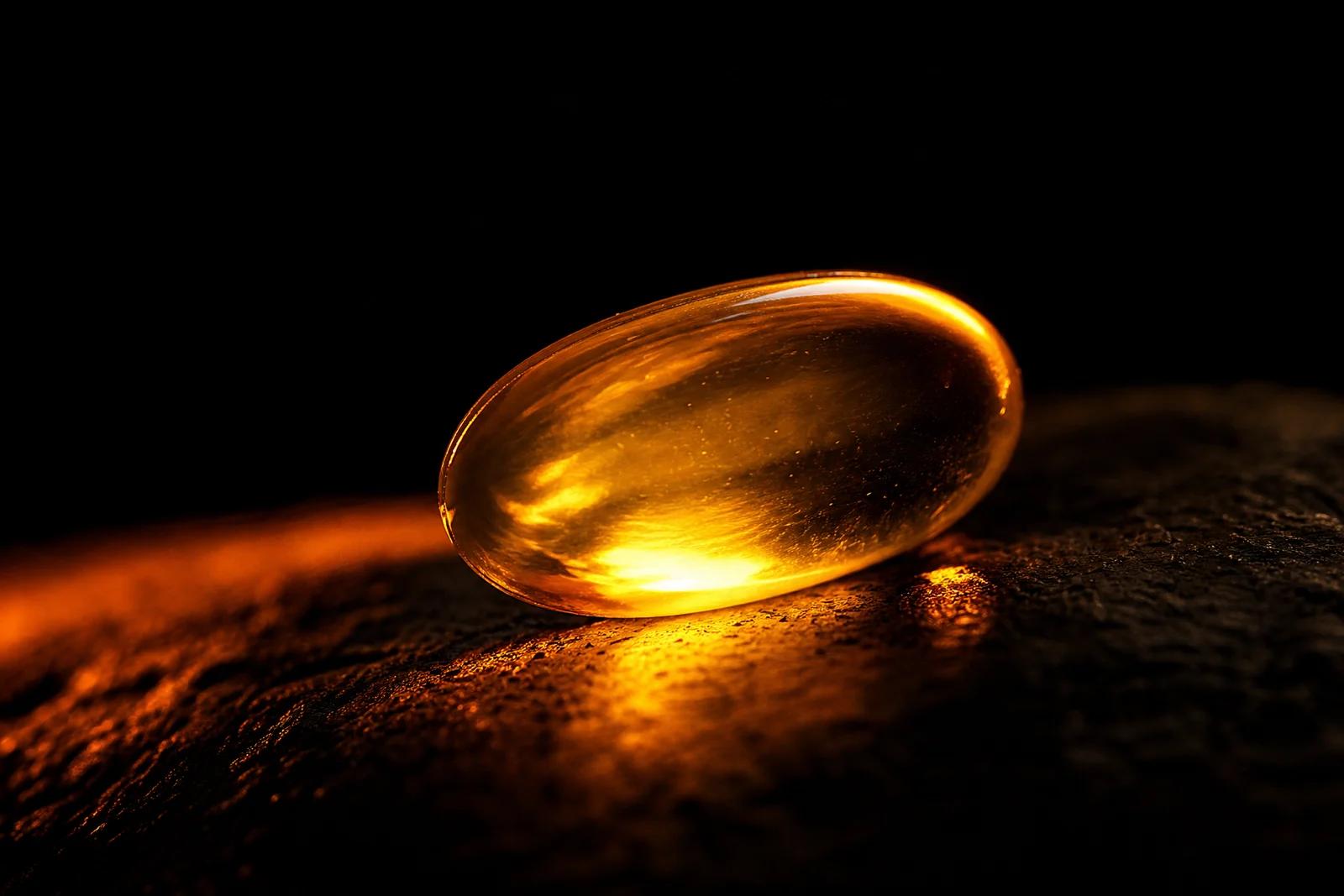 Early evidenceVitamin DIn the Nurses' Health Study II, women who got about 700 IU a day from food had about 40% lower risk of developing PMS, an association rather than proof [[10]]In our shop



If PMDD brings thoughts of suicide or self-harm, call or text 988 (the US Suicide and Crisis Lifeline) now, or call 911 if you are in immediate danger. In the UK, call Samaritans on 116 123. Don't stop or switch an antidepressant or contraceptive pill without your prescriber, and contact them the same day if an SSRI leaves you agitated or brings new thoughts of self-harm. Check with a clinician before taking vitamin B6 supplements, because long-term high doses can damage nerves.
Citations
- ACOG Committee on Clinical Practice Guidelines-Gynecology. Management of Premenstrual Disorders: ACOG Clinical Practice Guideline No. 7. Obstet Gynecol 2023;142(6):1516-1533
- Reilly TJ et al. The prevalence of premenstrual dysphoric disorder: systematic review and meta-analysis. J Affect Disord 2024;349:534-540
- Schmidt PJ et al. Differential behavioral effects of gonadal steroids in women with and in those without premenstrual syndrome. N Engl J Med 1998;338(4):209-216
- Jespersen C et al. Selective serotonin reuptake inhibitors for premenstrual syndrome and premenstrual dysphoric disorder. Cochrane Database Syst Rev 2024;8:CD001396
- Prasad D et al. Suicidal risk in women with premenstrual syndrome and premenstrual dysphoric disorder: a systematic review and meta-analysis. J Womens Health 2021;30(12):1693-1707
- Royal College of Obstetricians and Gynaecologists. Management of Premenstrual Syndrome: Green-top Guideline No. 48. BJOG 2017;124(3):e73-e105
- Lopez LM et al. Oral contraceptives containing drospirenone for premenstrual syndrome. Cochrane Database Syst Rev 2012;(2):CD006586
- Thys-Jacobs S et al. Calcium carbonate and the premenstrual syndrome: effects on premenstrual and menstrual symptoms. Am J Obstet Gynecol 1998;179(2):444-452
- Wyatt KM et al. Efficacy of vitamin B-6 in the treatment of premenstrual syndrome: systematic review. BMJ 1999;318:1375-1381
- Bertone-Johnson ER et al. Calcium and vitamin D intake and risk of incident premenstrual syndrome. Arch Intern Med 2005;165(11):1246-1252
- Endicott J et al. Daily Record of Severity of Problems (DRSP): reliability and validity. Arch Womens Ment Health 2006;9(1):41-49
Educational context only, not medical advice or a diagnosis. Always discuss your results with a clinician.