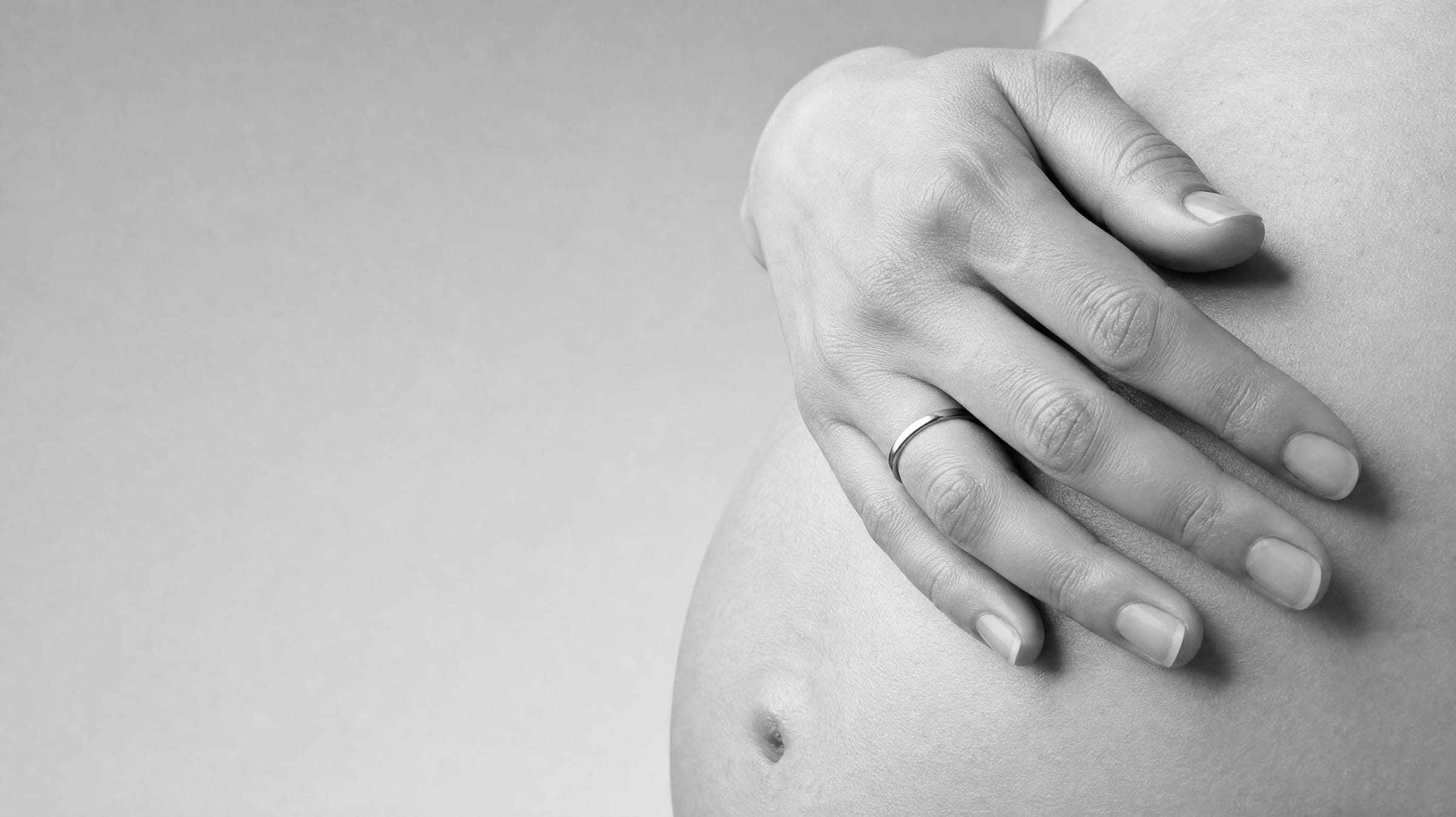
- 01Feeling bloated and looking bloated are two different things
Bloating is the feeling of fullness or pressure; distention is the belly visibly growing. Only about half of people with bloating also have distention, and the 'I look pregnant by evening' kind is often a reflex of the diaphragm and belly muscles rather than a large amount of extra gas.
- 02How often it happens matters more than how bad it feels
A bad day of bloating after beans or a big meal is ordinary. Bloating that comes most days, roughly 12 or more times a month, for weeks is the pattern guidelines say a doctor should check, especially in women aged 50 or over.
Bloating is a feeling of fullness, pressure or swelling in your belly, and most of it has an everyday cause: gas from food and swallowed air, constipation, or the days before a period. 12 When it keeps coming back, the usual medical causes are irritable bowel syndrome (IBS, a common disorder of how the gut and brain work together) and lactose intolerance, with celiac disease, H. pylori stomach infection, small intestinal bacterial overgrowth (SIBO) and inflammatory bowel disease (IBD) further down the list. 13 Persistent bloating in a woman, especially over 50, is a sign doctors check for ovarian cancer, which is rare but easy to miss. 7
When to get help now
Most bloating is uncomfortable rather than dangerous. These are the exceptions.
- Bloating most days for 3 weeks or more, especially if you are 50 or over; in women, doctors check for ovarian cancer 7
- New IBS-like bloating or bowel change that starts at 50 or over 7
- Weight loss you can't explain, or feeling full after a few bites 27
- Blood in your stool, or a change in bowel habit that lasts 2
- A lump or swelling you can feel in your belly 2
- Trouble swallowing, or vomiting with your bloating 216
- Fever, or bloating with diarrhea or constipation that won't settle 2
LifeFrom can't examine you or assess a symptom. If something feels seriously wrong, trust that and get care rather than waiting on a test.
What counts as bloating, and why the feeling and the swelling differ
NIDDK, the US digestive-disease institute, defines bloating as “a feeling of fullness or swelling in your abdomen, or belly.” 1 The visible part has its own name, distention, and NIDDK notes that “Only about half of people with bloating also have distention.” 1 That split matters. The feeling of bloating often comes from a gut that is more sensitive to normal amounts of gas, which is how IBS causes “more abdominal pain and bloating.” 3 The visible swelling often comes from muscles, not gas volume: a 2023 review describes distention as linked with abdominophrenic dyssynergia, a pattern “featuring diaphragmatic contraction and abdominal wall relaxation,” so the diaphragm pushes down and the belly wall lets go. 18
Some bloating after a large or gassy meal is normal digestion. Gut bacteria break down sugars, starches and fiber that the small intestine did not absorb, and gas is the by-product. 1 Bloating becomes worth a look when it comes most days, changes suddenly, or arrives with pain, constipation, diarrhea or weight loss; those are the points at which NIDDK says to talk with a doctor. 1
Bloating that is usually everyday, and bloating that needs a doctor
What can cause it, most likely first
Ranked from most to least likely in adults in general. The order shifts with age, sex and history: the menstrual cycle matters for women of reproductive age, lactose intolerance is more common in some ancestries, and new bloating after 50 moves the medical causes up the list.
- 01Gas from food and swallowed air
Chewing gum, fizzy drinks, eating quickly, smoking and loose dentures all add swallowed air, and “Swallowing more air may lead to more gas and gas symptoms.” 1 Foods with carbohydrates the small intestine does not fully digest, called FODMAPs (fermentable sugars and fibers), feed gut bacteria that make gas; beans, lentils, cabbage, onions, garlic, apples, pears, wheat and sugar alcohols such as sorbitol are common ones. 115 No test checks this; a food and symptom diary does.
- 02Constipation
The NHS lists constipation among the main digestive causes of bloating, and NIDDK names it alongside IBS and celiac disease. 12 Hard stools, straining, or fewer than three bowel movements a week point here. An underactive thyroid can cause constipation, so a clinician may check TSH when constipation is new and comes with tiredness, feeling cold or weight gain. 19
- 03The menstrual cycle
The NHS notes that some people feel bloated around their period. 2 Bloating that rises in the days before a period and settles once it starts, month after month, fits this pattern. A diary across two or three cycles shows it clearly; no blood test is needed.
- 04Irritable bowel syndrome (IBS)
About 12% of people in the US have IBS, women up to twice as often as men, and it is more likely to start before 50. 3 It brings recurring belly pain with diarrhea, constipation or both, and a more sensitive gut makes bloating worse. 3 No blood test confirms IBS; clinicians use the symptom pattern (the Rome IV criteria) and tests to rule out look-alikes such as celiac disease and IBD. 11
Can be linked with IBS
- 05Lactose intolerance
People with lactose intolerance can get bloating, gas, belly pain and diarrhea within a few hours of milk or milk products, and symptoms scale with how much lactose was eaten. 21 No blood test in a standard panel checks it; a hydrogen breath test, or stopping and restarting dairy with a clinician, does.
- 06Celiac disease
Celiac disease is an immune reaction to gluten that damages the small intestine, and “Bloating and gas” are among its adult symptoms. 4 The tTG-IgA blood test is the most widely used check, and the test only works if gluten is still in the diet: MedlinePlus says “you'll need to continue to eat foods with gluten for a few weeks before testing.” 4
Can be linked with Celiac disease
- 07H. pylori infection and gastritis
H. pylori is a stomach bacterium that can inflame the stomach lining (gastritis), with bloating, upper belly discomfort, feeling full after a little food, nausea and burping. 5 The stool antigen test is the one used most often, and some medicines can skew it, so a clinician may ask you to pause certain ones for two weeks to a month beforehand. 5
- H. pylori stool antigen
- A positive result points to an active H. pylori infection; a negative result makes it unlikely, unless recent medicines suppressed the bacteria. 5
- 08Small intestinal bacterial overgrowth (SIBO)
SIBO is an increase in the number of bacteria in the small intestine, which ferment food early and make gas. 1 It brings bloating, gas, belly pain, diarrhea or constipation, and is more likely after belly surgery, with slow gut movement, with diabetes and with older age. 22 No blood test checks it; a breath test that measures hydrogen and methane does. 22
- 09Inflammatory bowel disease (IBD)
Crohn's disease and ulcerative colitis inflame the gut lining, unlike IBS, and bloating can come with diarrhea, belly pain, blood in the stool or weight loss. 6 MedlinePlus explains that “IBS does not damage your intestines and tests do not show inflammation,” which is why a stool test helps tell the two apart. 6
- Fecal calprotectin
- A high calprotectin points to inflammation in the intestines, as in IBD or some infections; a normal or low result makes IBD unlikely and points toward a non-inflammatory cause such as IBS. 6
- CRP
- A raised CRP (C-reactive protein) shows inflammation somewhere in the body but not where; calprotectin is more accurate for the gut. 6 See inflammation markers explained.
- 10Ovarian cancer
Ovarian cancer is rare, but its early symptoms are vague, and the NHS and NICE both list persistent bloating among them, with feeling full quickly, pelvic or belly pain and needing to pee more often. 27 NICE asks doctors to test when these happen persistently, especially more than 12 times a month, and particularly in women aged 50 or over. 7 Testing means a CA-125 blood test and an ultrasound of the belly and pelvis. 7
- CA-125
- A raised CA-125 in a woman with persistent symptoms leads to an ultrasound and further checks; it can also rise with other conditions, and NICE says it is not an accurate guide on its own under 40. 7 It is not a screening test for women without symptoms. 23 See tumor markers explained.
These are things a symptom like this can be linked with, not a diagnosis. Several can sit together, and a clinician who knows your history puts them in order for you.
Why am I so bloated I look pregnant?
This is one of the most searched bloating questions, and the answer is often reassuring. When the belly grows through the day, looks pregnant by evening and is flat again in the morning, the cause is usually how the belly muscles respond to normal gas, not a large build-up. The 2023 review in the American Journal of Gastroenterology calls distention “a somatic behavioral response” linked with abdominophrenic dyssynergia, in which the diaphragm contracts and the belly wall relaxes. 18 It sits mainly with IBS and other gut-brain conditions. The American Gastroenterological Association (AGA) lists diaphragmatic breathing, taught by a therapist, among the ways it is managed. 11
Bloating in women, and when it points to the ovaries
Women search for bloating far more than men, for good reasons: the menstrual cycle, IBS (up to twice as common in women) and constipation all lean female. 23 Ovarian cancer is the cause no one wants to miss, because its early signs look like everyday gut trouble. NICE asks doctors to test any woman, especially one aged 50 or over, who has persistent bloating, early fullness, pelvic or belly pain or more urgent or frequent peeing, “particularly more than 12 times per month.” 7 It also asks for testing when a woman aged 50 or over develops IBS-like symptoms, “because IBS rarely presents for the first time at this age.” 7 If that describes you, raise it directly with a clinician; a CA-125 blood test and an ultrasound are the usual first checks. 7
The USPSTF recommends against screening for ovarian cancer in asymptomatic women.
That line explains why CA-125 is not offered as a routine check to women who feel well: screening has not been shown to save lives and can lead to false alarms. 23 Persistent symptoms change the picture. CA-125 and transvaginal ultrasound are “commonly used to evaluate women with signs or symptoms of ovarian cancer,” and that is the setting in which the result means something. 23
Is it IBS, or something a test can find?
IBS is common and real, but it is diagnosed from the pattern of symptoms after look-alikes are ruled out. 11 Three tests do most of that work. A tTG-IgA blood test with total IgA looks for celiac disease; keep eating gluten until it is done. 4 A fecal calprotectin stool test looks for the gut inflammation of IBD; MedlinePlus says it “is more accurate at finding inflammation in the intestines” than blood markers such as CRP. 6 An H. pylori stool antigen test looks for the stomach infection when bloating sits in the upper belly with burping or early fullness. 5 Normal results here make IBS or a food trigger more likely and are useful in their own right.
| Test | What it looks for | What to know first |
|---|---|---|
| tTG-IgA with total IgA (blood) | Celiac disease | Keep eating gluten for a few weeks before the test 4 |
| Fecal calprotectin (stool) | Gut inflammation, as in IBD | Normal or low makes IBD unlikely 6 |
| H. pylori stool antigen | Stomach infection | Some medicines may need pausing for 2 weeks to a month, with your clinician's say 5 |
| TSH (blood) | Underactive thyroid behind constipation | One part of a thyroid check 20 |
| CA-125 (blood) with ultrasound | Ovarian cancer in women with persistent symptoms | Not a screening test 723 |
| Hydrogen or methane breath test | Lactose intolerance, SIBO | Not a blood test 22 |
The panel that checks these
If a clinician tests, celiac antibodies (tTG-IgA with total IgA) and a fecal calprotectin come first for bloating with a change in bowel habit, because together they rule out the two common medical look-alikes of IBS. 46 None needs fasting. Keep eating gluten before the celiac test. H. pylori, TSH and CA-125 are added when the story points to the stomach, the thyroid or, in women with persistent symptoms, the ovaries.
- TSHConstipation
- tTG-IgACeliac disease
- Total IgACeliac disease
- H. pylori stool antigenH. pylori infection and gastritis
- Fecal calprotectinInflammatory bowel disease (IBD)
- CRPInflammatory bowel disease (IBD)
- CA-125Ovarian cancer
LifeFrom doesn't sell blood tests. It reads results from any lab and helps you prepare for your own doctor; it doesn't diagnose.
Getting a useful test
- Keep a two-week diary: what you ate and drank, when the bloating peaked, bowel movements, and where you are in your cycle.
- Do not cut out gluten before a celiac test; a gluten-free diet can make the tTG-IgA read falsely negative. 4
- List every medicine and supplement, including acid reducers and recent antibiotics, because some affect the H. pylori stool test. 5
- Note your weight now and over the past months; weight loss changes what a clinician looks for. 2
- If you are a woman aged 50 or over with new bloating most days, say so plainly at the start of the visit. 7
- One result is a snapshot; see why trends beat single readings.
Supplements that help bloating, and ones that cause it
Peppermint oil has the best evidence of any supplement for IBS symptoms, which include bloating and belly pain, even though LifeFrom does not sell it. 9 Lactase helps only if dairy is your trigger. 10 Probiotics, the most popular choice, are not recommended for bloating by the American Gastroenterological Association (AGA). 11 The table ranks the options by evidence, from Strong (consistent results in good human studies) through Moderate, Limited and Early to Not supported.
| Supplement | Evidence grade for bloating | What the trials found | Watch for |
|---|---|---|---|
| Peppermint oil (enteric-coated capsules) | Moderate, for IBS | Across 10 trials with 1,030 people with IBS, it beat placebo for overall symptoms and belly pain; for every 4 people who took it, about 1 more improved than on placebo. The trials measured overall IBS symptoms and pain rather than bloating alone, and the review authors rated the evidence quality as very low 9 | Side effects such as heartburn were more common than on placebo; the coating is meant to cut heartburn 924 |
| Lactase enzyme | Moderate, only if dairy is the trigger | Lactase breaks down the milk sugar lactose, lowering the chance of bloating and gas from milk products 10 | NIDDK advises checking with a doctor first; it may not suit young children or pregnant or breastfeeding women 10 |
| Soluble fiber, such as psyllium | Limited for bloating itself | Soluble fiber tends to suit IBS better than other fiber, and adding it slowly helps prevent gas and bloating 15 | Added fast, any fiber can make bloating worse at first 15 |
| Spore probiotic Bacillus coagulans | Early | One 90-day trial of 36 people with diarrhea-type IBS, run by the strain's maker, found less bloating than on placebo 25 | One small trial; see spore-based probiotics |
| Probiotics in general | Not supported | The AGA's 2023 advice says "Probiotics should not be used to treat abdominal bloating and distention." 11 | NCCIH notes few studies have looked at probiotic safety in detail 26 |
Supplements that can cause bloating
- Iron tablets: MedlinePlus notes that constipation or diarrhea are common, along with stomach cramps. 12 Iron is one to change only with your clinician, since it is usually taken for a reason a test found.
- Calcium carbonate: calcium supplements can cause gas, bloating and constipation, and MedlinePlus lists spreading the dose through the day or switching to another form, such as calcium citrate, as ways people reduce it. 13
- Inulin, chicory root fiber and FOS (fructo-oligosaccharides, prebiotic fibers added to many probiotics, fiber gummies and gut-health bars, including our own 10B Probiotic, which holds 100 mg per capsule): in a trial in healthy adults, 5 to 10 grams tended to cause mild gas and bloating, and 10 grams of oligofructose raised symptoms substantially. 14 That is 50 to 100 times the amount in one of our capsules, but fiber gummies, powders and bars can carry far more; check the label.
- Sugar alcohols such as sorbitol, xylitol and mannitol (names ending in "-ol") in sugar-free gummies and chewable vitamins. 27
- Fiber supplements started at a full dose rather than built up slowly. 15
- Milk-based protein powders, if you are lactose intolerant. 21
What may help
Most bloating eases with changes to how and what you eat. These steps are where to start, and none replaces checking the red flags above.
Start with the everyday things- Eat more slowly and sitting down, and skip gum, hard candy, straws and fizzy drinks to swallow less air. 27
- Cut back on the foods that set you off; beans, cabbage, onions, some fruits and sugar alcohols are common culprits. 215
- For bloating that keeps coming back, ask a clinician or dietitian about a short low FODMAP trial with foods added back one at a time. 15
- If constipation is part of it, add fiber slowly, about 2 to 3 grams a day, since “Adding fiber to your diet slowly” helps prevent gas and bloating; soluble fiber such as oats or psyllium tends to suit IBS better. 15
- Stay active and drink enough water, and eat smaller meals rather than a large one late at night. 2
No LifeFrom supplement is listed here. Peppermint oil has the best evidence for IBS symptoms, bloating among them, and we don't sell it; lactase helps only when dairy is the trigger. 910 Probiotics are the ones most people ask about, and the AGA's 2023 bloating guidance says “Probiotics should not be used to treat abdominal bloating and distention.” 11 NCCIH notes a review found possible benefit for overall IBS symptoms but no firm conclusions. 26 The causes worth finding, such as celiac disease or IBD, need a clinician and a test. Supplements support general wellness. They don't treat the causes above, and if a test finds one, treating that comes first. If you take medicines, are pregnant or have a health condition, check with your clinician before starting anything.
Questions to ask your clinician
- Does my pattern fit IBS, or should we rule out celiac disease or inflammation first?
- Should I have a tTG-IgA with total IgA, a fecal calprotectin, or an H. pylori test?
- Could constipation or my thyroid be behind this?
- Given my age, should we check CA-125 and an ultrasound?
- Would a low FODMAP trial or a breath test make sense for me?
- Which signs would mean I should come back sooner?
This page is general education, not medical advice or a diagnosis. Bloating has many causes that can overlap, and the clinician who knows your history and examines you is the one to read your results and put them in order. For tiredness that comes with gut symptoms, see fatigue.

Citations
- National Institute of Diabetes and Digestive and Kidney Diseases (NIDDK). Symptoms and causes of gas in the digestive tract.
- NHS. Bloating.
- National Institute of Diabetes and Digestive and Kidney Diseases (NIDDK). Definition and facts for irritable bowel syndrome.
- MedlinePlus. Celiac disease screening. US National Library of Medicine.
- MedlinePlus. Helicobacter pylori (H. pylori) tests. US National Library of Medicine.
- MedlinePlus. Calprotectin stool test. US National Library of Medicine.
- National Institute for Health and Care Excellence (NICE). Suspected cancer: recognition and referral (NG12), ovarian cancer recommendations 1.5.1 to 1.5.8.
- MedlinePlus Medical Encyclopedia. Intestinal obstruction and ileus. US National Library of Medicine.
- Ingrosso MR, Ianiro G, Nee J, et al. Systematic review and meta-analysis: efficacy of peppermint oil in irritable bowel syndrome. Aliment Pharmacol Ther. 2022.
- National Institute of Diabetes and Digestive and Kidney Diseases (NIDDK). Treatment for lactose intolerance.
- Moshiree B, Drossman D, Shaukat A. AGA clinical practice update on evaluation and management of belching, abdominal bloating, and distention: expert review. Gastroenterology. 2023;165(3):791-800.
- MedlinePlus Medical Encyclopedia. Taking iron supplements. US National Library of Medicine.
- MedlinePlus Medical Encyclopedia. Calcium supplements. US National Library of Medicine.
- Bonnema AL, Kolberg LW, Thomas W, Slavin JL. Gastrointestinal tolerance of chicory inulin products. J Am Diet Assoc. 2010;110(6).
- National Institute of Diabetes and Digestive and Kidney Diseases (NIDDK). Eating, diet and nutrition for irritable bowel syndrome.
- NHS. Dysphagia (swallowing problems).
- MedlinePlus Medical Encyclopedia. Gastrointestinal bleeding. US National Library of Medicine.
- Damianos JA, Tomar SK, Azpiroz F, Barba E. Abdominophrenic dyssynergia: a narrative review. Am J Gastroenterol. 2023;118(1):41-45.
- MedlinePlus Medical Encyclopedia. Hypothyroidism. US National Library of Medicine.
- MedlinePlus. TSH (thyroid stimulating hormone) test. US National Library of Medicine.
- National Institute of Diabetes and Digestive and Kidney Diseases (NIDDK). Symptoms and causes of lactose intolerance.
- Cleveland Clinic. Small intestinal bacterial overgrowth (SIBO).
- US Preventive Services Task Force. Ovarian cancer: screening. Final recommendation statement, 2018.
- National Center for Complementary and Integrative Health (NCCIH). Peppermint oil.
- Majeed M, Nagabhushanam K, Natarajan S, et al. Bacillus coagulans MTCC 5856 supplementation in the management of diarrhea predominant irritable bowel syndrome: a double blind randomized placebo controlled pilot clinical study. Nutr J. 2016;15:21.
- National Center for Complementary and Integrative Health (NCCIH). Probiotics: what you need to know.
- National Institute of Diabetes and Digestive and Kidney Diseases (NIDDK). Treatment for gas in the digestive tract.
Educational context only, not medical advice or a diagnosis. Always discuss your results with a clinician.