- 01The type of arthritis decides which evidence applies
Each joint supplement was tested in one kind of arthritis: cartilage products in osteoarthritis, fish oil in rheumatoid arthritis, and nothing works in gout, so the evidence for one does not carry over to another.
Most people who search for arthritis supplements have osteoarthritis of the knee or hip, and most joint products are sold to them. In trials of 8 to 12 weeks, turmeric and boswellia ease pain a little for some people. Glucosamine and chondroitin, the best-known pair, did no better than placebo in the largest independent trials. Which product is worth trying at all depends on which kind of arthritis you have.
Osteoarthritis, rheumatoid arthritis and gout need different things
Arthritis is a family of conditions, and each joint supplement was tested in one member of the family. Cartilage products such as glucosamine were tested in osteoarthritis, the wear-related kind. Fish oil's best data come from rheumatoid arthritis, an autoimmune disease. Nothing on a supplement shelf treats gout. A doctor confirms the type from an examination, blood tests and sometimes an X-ray or a sample of joint fluid. For the wider list of what makes joints hurt, see joint pain causes.
| Osteoarthritis | Rheumatoid arthritis | Gout | |
|---|---|---|---|
| What it feels like | Aches with use, eases with rest; morning stiffness under about 30 minutes; often one knee, hip or the hands | Swollen, warm joints on both sides of the body; morning stiffness over an hour; tiredness | Sudden, very painful hot joint, often the big toe, peaking within a day |
| What blood tests show | Usually normal; there is no blood test for osteoarthritis | Rheumatoid factor and anti-CCP often positive; CRP and ESR often raised | Uric acid often high, though it can read normal during a flare |
| What supplements can do | Turmeric or boswellia may ease pain a little | Fish oil may lower painkiller use alongside prescribed treatment | Nothing reliable; urate-lowering medicine is the treatment |
Blood tests that help sort the types
If your rheumatoid factor or anti-CCP came back positive, or several joints are swollen, ask your doctor for a referral to a rheumatologist (a joint and autoimmune specialist). If uric acid is high and you have had a sudden hot, painful joint, ask whether it could be gout. The gout page covers the treatment that works: the American College of Rheumatology gout guideline sets a uric acid target below 6 mg/dL on urate-lowering medicine 15. No joint supplement gets uric acid there.
Which supplements are good for arthritis and joint pain
The grades below are LifeFrom's reading of the trials and of the guidelines from the American College of Rheumatology (ACR) and NICE, the body that sets UK health guidance. "Reasonable" means several randomised trials agree on a small benefit; "mixed" means trials disagree; "weak" means small or maker-funded studies only; "against" means large trials were neutral and guidelines advise against use. The dose column records what the trials gave, not a recommendation.
| Supplement | Arthritis type studied | Dose and form used in trials | What the trials found | Quality of evidence | Who should avoid it or ask first |
|---|---|---|---|---|---|
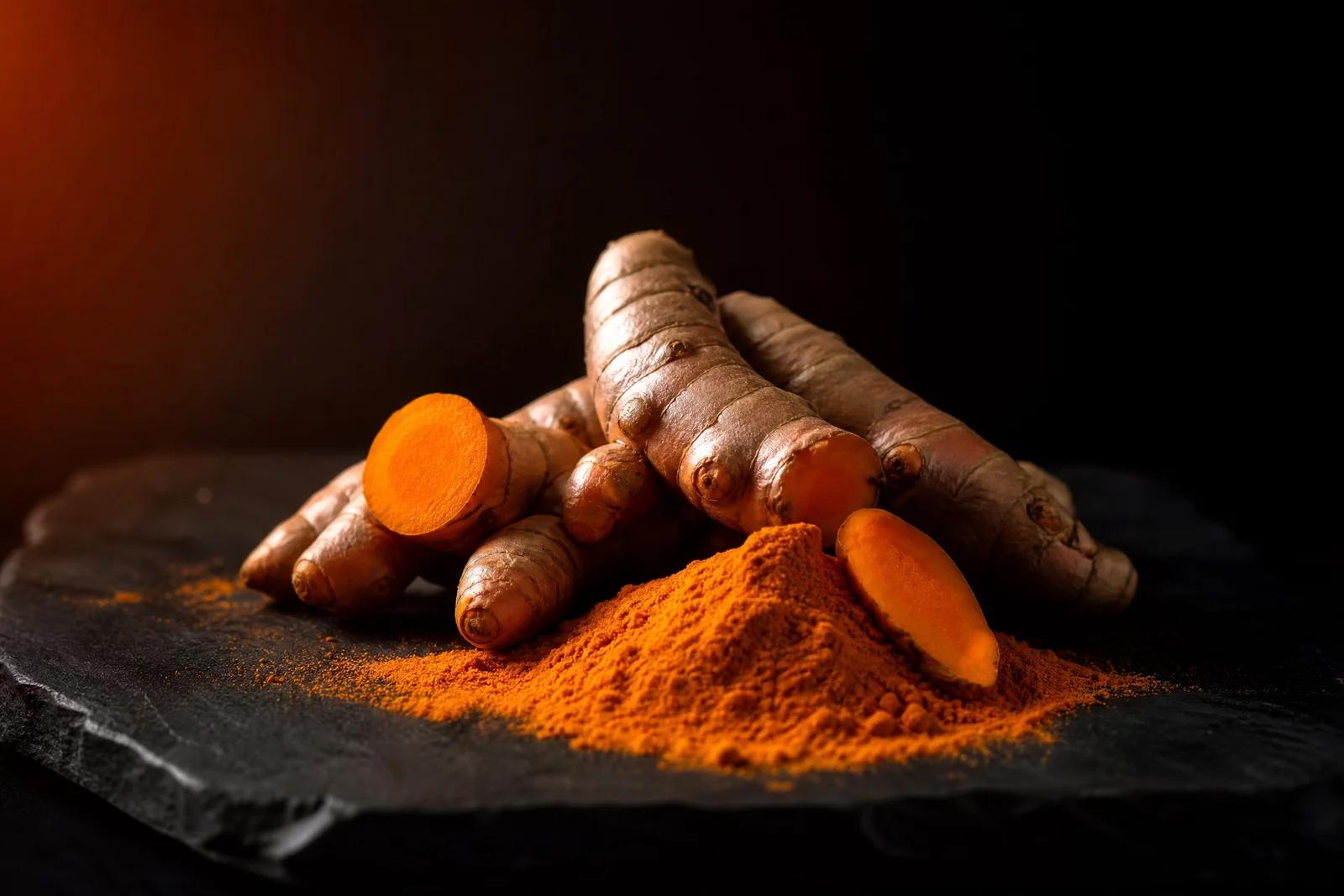
| Turmeric | Knee osteoarthritis | Turmeric (Curcuma longa) extract, 1,000 mg a day in the best-known trial | Knee pain fell more than with placebo at 12 weeks; joint swelling on MRI did not change | Reasonable, small and short trials | People on blood thinners; liver disease or gallstones; pregnancy |
| Boswellia | Osteoarthritis | Standardised extracts, usually 100 to 250 mg a day | Pain, stiffness and function improved across 7 small trials, from about 4 weeks | Reasonable, but small, short, often maker-funded | Pregnancy; stomach upset is the common side effect |
| Fish oil (omega-3) | Rheumatoid arthritis; less so osteoarthritis | Rheumatoid arthritis: 2.7 g or more of EPA plus DHA a day. Knee osteoarthritis: about 0.45 g did as well as 4.5 g | In rheumatoid arthritis, less painkiller use; in knee osteoarthritis, the low dose did as well as the high one | Reasonable in rheumatoid arthritis as an add-on; weak in osteoarthritis (ACR advises against) | People on blood thinners; people with atrial fibrillation (an irregular heartbeat) at high doses; fish allergy |
| Glucosamine | Knee and hip osteoarthritis | 1,500 mg a day; sulfate in most positive trials, hydrochloride in GAIT | No better than placebo overall in the largest independent trial and a 3,803-person pooled analysis | Against (ACR and NICE) | Shellfish allergy; people on warfarin (blood may clot more slowly, shown as a higher INR); diabetes, check glucose |
| Chondroitin | Knee, hip and hand osteoarthritis | 800 to 1,200 mg a day | Neutral in large knee and hip trials; ACR allows it only for hand osteoarthritis | Against for knee and hip; mixed for hand | People on warfarin |
| Collagen (UC-II, hydrolysed) | Knee osteoarthritis | UC-II about 40 mg a day; hydrolysed collagen about 10 g a day | Small trials, several maker-funded, show modest pain changes | Weak | Fish, egg or chicken allergy depending on the source |
| MSM | Knee osteoarthritis | 6 g a day in the pilot trial | One small pilot trial and a few short studies | Weak | Little safety data beyond a few months |
| Vitamin D | Knee osteoarthritis; autoimmune prevention | Monthly vitamin D3 in VIDEO; daily D3 in VITAL | No effect on knee pain or cartilage over 2 years; fewer new autoimmune diagnoses overall in one large trial | Against as a joint treatment | High calcium, kidney stones or sarcoidosis |
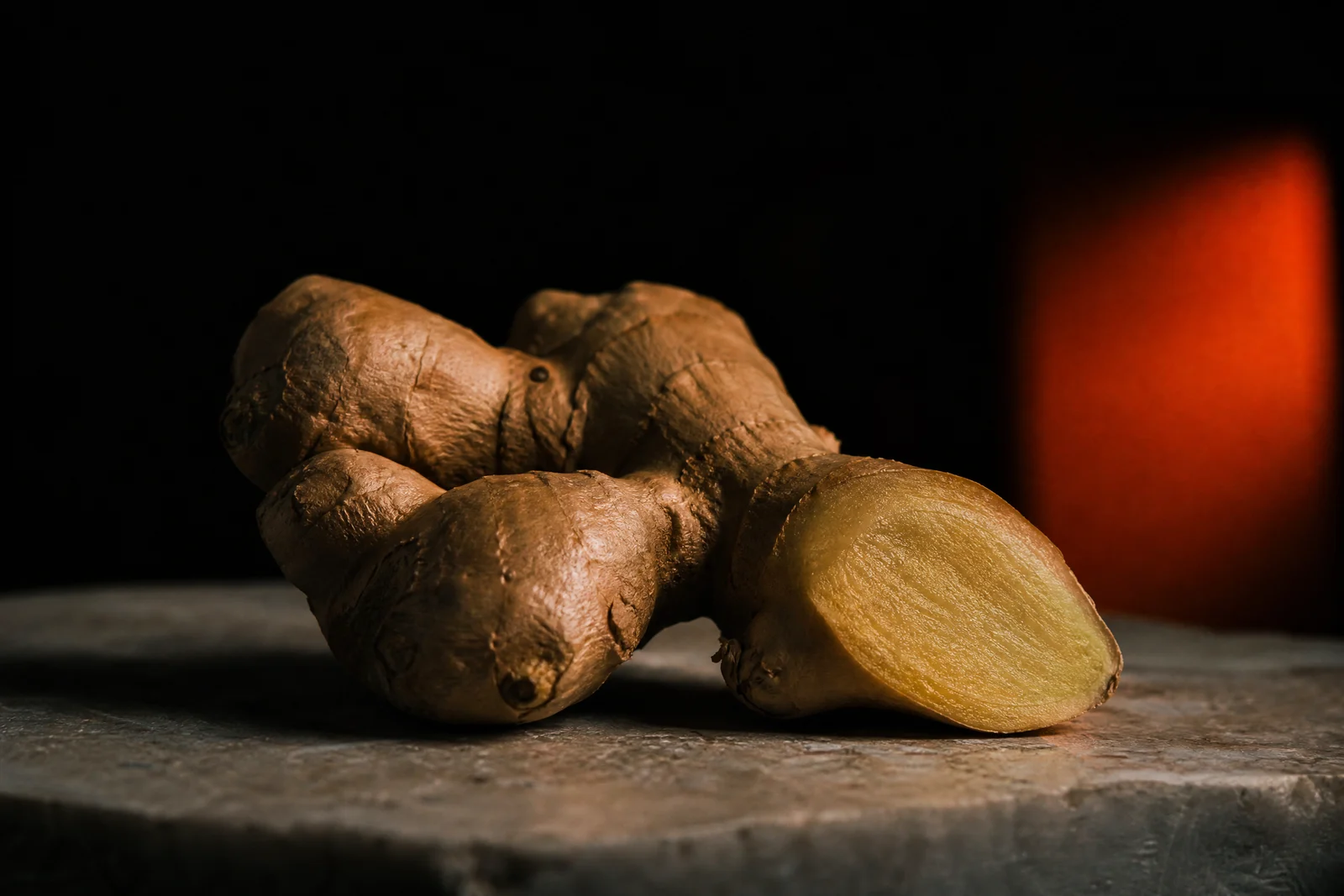
| Ginger | Osteoarthritis | Extracts, usually 500 to 1,000 mg a day | A handful of small trials, small pain effect | Weak | People on blood thinners; gallstones |
| Tart cherry | Gout | No trial dose | One observational study linked cherry intake with fewer flares; no strong trials | Weak | People on blood thinners at concentrate doses; diabetes (sugar in juice) |
Supplements are not checked for content before they go on sale. A USP Verified or NSF Certified seal means an independent lab confirmed the label matches what is in the bottle. Proprietary "joint complex" blends usually combine several of the products above at amounts too small to match any trial, so they inherit the weakest evidence of the lot.
The supplements with LifeFrom guides
 ReasonableTurmericLowered knee osteoarthritis pain more than placebo over 12 weeks in a 70-person trial; carries a rare liver-injury signalIn our shop
Turmeric and boswellia have the most consistent pain data
In a 2020 trial in the Annals of Internal Medicine, 70 people with knee osteoarthritis and fluid in the knee took a turmeric (Curcuma longa) extract or placebo for 12 weeks. Knee pain fell more with turmeric, but the fluid and joint-lining swelling measured on MRI did not change, and the trial was part-funded by the extract's maker 4. Turmeric research shows the same pattern throughout, with a modest effect on pain and no sign of joint repair. Boswellia, a resin from the frankincense tree, looks similar: a 2020 meta-analysis (a study that pools the results of many trials) of 7 randomised trials with 545 patients found less pain and stiffness and better function, showing after about four weeks, but every trial was small and short 5. Neither has the long, large, independent trials that drugs need before approval. The turmeric guide covers forms and absorption, including why many products add black pepper extract (piperine).
If you take turmeric for months
What a raised ALT means, and what else moves with it, is in the liver enzymes guide.
Why the guidelines advise against glucosamine and chondroitin
Glucosamine and chondroitin are building blocks of cartilage, and the theory was that swallowing them would feed the joint. The test of that theory was the GAIT trial in the New England Journal of Medicine: 1,583 people with knee osteoarthritis took glucosamine, chondroitin, both, the anti-inflammatory drug celecoxib, or placebo for 24 weeks. Neither supplement nor the combination relieved pain significantly better than placebo; celecoxib did 3. A 2010 network meta-analysis in the BMJ pooled 10 trials and 3,803 patients and found no meaningful effect on pain or on joint space narrowing, the X-ray sign of cartilage loss 7.
| GAIT group (24 weeks) | People with at least 20% less knee pain |
|---|---|
| Placebo | 60.1% |
| Glucosamine | 64.0% |
| Chondroitin | 65.4% |
| Glucosamine plus chondroitin | 66.6% |
| Celecoxib | 70.1%, the only group clearly better than placebo |
Three findings are cited in glucosamine's favour. First, many positive trials used crystalline glucosamine sulfate, while GAIT used glucosamine hydrochloride, so the form may matter; the positive sulfate trials were mostly funded by the manufacturer, and no head-to-head trial settles it. Second, in GAIT's smaller group with moderate to severe pain, about 79% responded to the combination against 54% on placebo, but that subgroup was too small to be conclusive and has not been confirmed 3. Third, the MOVES trial of 606 people found the combination no worse than celecoxib at six months, but it had no placebo arm, so it cannot show whether either beat doing nothing 8. The guidelines weighed all of it. The 2019 ACR and Arthritis Foundation guideline strongly recommends against glucosamine and against chondroitin for knee and hip osteoarthritis, allowing chondroitin only conditionally for hand osteoarthritis 1. NICE is blunter about glucosamine.
Do not offer glucosamine or strong opioids to people to manage osteoarthritis.NICE guideline NG226, Osteoarthritis in over 16s (2022) 2
Fish oil for rheumatoid arthritis, less so for osteoarthritis
Fish oil's strongest joint data come from rheumatoid arthritis. A 2012 meta-analysis of 10 randomised trials found that 2.7 g or more a day of the omega-3 fats EPA and DHA, taken for at least 3 months, reduced how much anti-inflammatory painkiller people needed, without a clear change in tender or swollen joints 9. That makes fish oil an add-on to disease-modifying treatment (prescribed medicine that slows joint damage, such as methotrexate), never a replacement for it. In knee osteoarthritis, a 2-year trial in the Annals of the Rheumatic Diseases compared a low dose with a dose ten times higher: the low dose improved pain and function at least as much, and neither changed cartilage loss 10. The ACR conditionally recommends against fish oil for osteoarthritis 1. More is not better: high doses raise the risk of bleeding and of atrial fibrillation (an irregular heartbeat).
Vitamin D, collagen and the rest
Vitamin D is the most common supplement people with aching joints already take. In the VIDEO trial in JAMA, 413 people with knee osteoarthritis and low vitamin D took monthly vitamin D3 or placebo for 2 years; knee pain and cartilage volume did not differ 11. The ACR conditionally recommends against vitamin D for osteoarthritis 1. A separate signal comes from the VITAL trial: about 5 years of daily vitamin D3 was linked to 22% fewer new autoimmune diagnoses of all kinds combined than placebo, and rheumatoid arthritis alone was too rare in the trial to show a clear effect 12. That is a prevention finding in a general population, not a treatment for existing arthritis. Vitamin D is worth correcting when a blood test shows vitamin D deficiency.
Check before taking vitamin D for joints
 CalculatorVitamin D converterYour result is in nmol/L and the guide uses ng/mL, or the other way round? Convert it here.Work it out
Collagen comes in two kinds. Undenatured type II collagen (UC-II) is taken in tiny amounts on the theory that it calms the immune response to cartilage; its best-known trial, against glucosamine plus chondroitin, was funded by the maker. Hydrolysed collagen is broken-down protein; small trials show modest pain changes. MSM (methylsulfonylmethane) rests on one 50-person pilot and a few short studies. Ginger has a handful of small osteoarthritis trials with a small effect; the ginger guide has the detail. Tart cherry is linked with fewer gout flares in observational data only. Hyaluronic acid as a pill has thin evidence, and NICE advises against the injected form for osteoarthritis 2.
What works better than any supplement for knee pain
Every major osteoarthritis guideline puts the same two things first. The ACR guideline strongly recommends exercise for knee, hip and hand osteoarthritis, and weight loss for people with knee or hip osteoarthritis who carry extra weight 1. NICE puts therapeutic exercise and weight management at the centre of care 2. Strengthening the thigh muscles, walking, cycling and tai chi all have trial evidence. Weight matters because of load: in a 2005 Arthritis & Rheumatism study of overweight adults with knee osteoarthritis, each pound lost took about four pounds of load off the knee with every step 13.
 CalculatorBMI calculatorAlongside exercise, weight loss is one of the two first-line steps for knee and hip osteoarthritis; check your BMI here.Work it out
For a plan, see weight loss. For knee osteoarthritis the ACR strongly recommends topical NSAID gels (anti-inflammatory painkillers such as diclofenac, rubbed on the skin), and for hand osteoarthritis it recommends them conditionally; they reach the joint with less of the stomach and kidney risk of tablets 1. For rheumatoid arthritis, starting disease-modifying medicine early can slow or limit joint damage that no supplement has been shown to reverse. For gout, bringing uric acid to target with medicine makes flares less frequent over time, though flares can briefly increase when treatment starts, so keep taking it and talk to your doctor. Diet matters too, mostly through weight; the anti-inflammatory diet guide covers what eating patterns have shown.
The placebo response explains why so many people say a supplement worked for them. A 2008 analysis of 198 osteoarthritis trials found that placebo gave a moderate pain improvement (an effect size of about 0.5), while people left untreated barely changed 14. In GAIT, 60% of people taking placebo reported at least 20% less pain 3. Osteoarthritis pain also comes and goes on its own, so people often start a product during a bad patch and credit it for the recovery that would have come anyway. A personal success story cannot separate those effects; a placebo-controlled trial can.
How to tell if a supplement is working
- 1Check, then pick one productCheck with your doctor or pharmacist first, especially if you take blood thinners, methotrexate, NSAIDs or other prescription medicine. Then pick one product: starting two at once makes it impossible to tell which one, if either, helped or caused a side effect.
- 2Write down a baselineScore your pain and stiffness from 0 to 10 for a week, and time one task, such as climbing a flight of stairs or walking a set route.
- 3Give it 8 to 12 weeksMost positive trials measured at 4 to 12 weeks. Keep exercise and everything else the same over that time.
- 4Re-score and decideIf pain and the timed task have not clearly improved, stop; a product that has done nothing by 12 weeks is unlikely to start later. If you notice a side effect, stop and tell your doctor. If a joint becomes hot and swollen, new joints start to hurt, or morning stiffness passes an hour, see a doctor rather than waiting out the 12 weeks.
Blood tests cannot track an osteoarthritis supplement. CRP and ESR, the usual inflammation markers, are normal in most people with osteoarthritis, so a normal result says nothing about whether turmeric is working. In rheumatoid arthritis the same markers do move with disease activity, and your rheumatologist uses them. The inflammation markers guide explains both, CRP vs ESR explains why they can disagree, and chronic inflammation covers the wider picture. Blood tests do earn their place in three other ways: a high uric acid alongside joint attacks is worth taking to a doctor as possible gout, a low vitamin D is worth fixing in its own right, and liver and kidney results can flag a problem to raise with your doctor before you keep taking a supplement.
What to look at on a blood test
If eGFR is below normal, read the kidney function guide before taking regular NSAIDs.
Free, no accountRead your blood testHave a recent blood test with CRP, uric acid or liver results? See what each line means.Read my results
Safety and interactions
- Blood thinners (warfarin, apixaban, clopidogrel and others): turmeric, fish oil, ginger and high-strength tart cherry can each add to bleeding risk, and glucosamine has been reported to raise INR on warfarin. Tell your prescriber before starting any of them.
- NSAIDs such as ibuprofen or naproxen also raise bleeding risk, so stacking them with turmeric or fish oil adds up.
- Methotrexate can stress the liver, so ask your rheumatologist before adding turmeric, which carries its own liver-injury signal.
- Surgery: stop products that affect bleeding before an operation, on your surgeon's advice.
- Shellfish allergy: avoid glucosamine made from shellfish.
- Pregnancy and breastfeeding: there is little safety data for boswellia, high-dose turmeric, MSM or UC-II.
- Several "anti-inflammatory" products at once: the bleeding and liver risks add together while the benefit does not.
The supplement interactions guide covers these combinations in more depth, and supplements for inflammation covers the broader anti-inflammatory claims made for many of the same products.
Citations
- Kolasinski SL et al. 2019 American College of Rheumatology/Arthritis Foundation Guideline for the Management of Osteoarthritis of the Hand, Hip, and Knee. Arthritis Care Res 2020;72(2):149-162
- NICE guideline NG226. Osteoarthritis in over 16s: diagnosis and management (2022)
- Clegg DO et al. Glucosamine, chondroitin sulfate, and the two in combination for painful knee osteoarthritis (GAIT). N Engl J Med 2006;354:795-808
- Wang Z et al. Effectiveness of Curcuma longa extract for the treatment of symptoms and effusion-synovitis of knee osteoarthritis: a randomized trial. Ann Intern Med 2020;173(11):861-869
- Yu G et al. Effectiveness of Boswellia and Boswellia extract for osteoarthritis patients: a systematic review and meta-analysis. BMC Complement Med Ther 2020;20:225
- Halegoua-DeMarzio D et al. Liver injury associated with turmeric: a growing problem. Ten cases from the Drug-Induced Liver Injury Network (DILIN). Am J Med 2023;136(2):200-206
- Wandel S et al. Effects of glucosamine, chondroitin, or placebo in patients with osteoarthritis of hip or knee: network meta-analysis. BMJ 2010;341:c4675
- Hochberg MC et al. Combined chondroitin sulfate and glucosamine for painful knee osteoarthritis: a multicentre, randomised, double-blind, non-inferiority trial versus celecoxib (MOVES). Ann Rheum Dis 2016;75:37-44
- Lee YH, Bae SC, Song GG. Omega-3 polyunsaturated fatty acids and the treatment of rheumatoid arthritis: a meta-analysis. Arch Med Res 2012;43(5):356-362
- Hill CL et al. Fish oil in knee osteoarthritis: a randomised clinical trial of low dose versus high dose. Ann Rheum Dis 2016;75:23-29
- Jin X et al. Effect of vitamin D supplementation on tibial cartilage volume and knee pain among patients with symptomatic knee osteoarthritis (VIDEO). JAMA 2016;315(10):1005-1013
- Hahn J et al. Vitamin D and marine omega 3 fatty acid supplementation and incident autoimmune disease: VITAL randomized controlled trial. BMJ 2022;376:e066452
- Messier SP et al. Weight loss reduces knee-joint loads in overweight and obese older adults with knee osteoarthritis. Arthritis Rheum 2005;52(7):2026-2032
- Zhang W et al. The placebo effect and its determinants in osteoarthritis: meta-analysis of randomised controlled trials. Ann Rheum Dis 2008;67(12):1716-1723
- FitzGerald JD et al. 2020 American College of Rheumatology Guideline for the Management of Gout. Arthritis Care Res 2020;72(6):744-760
Educational context only, not medical advice or a diagnosis. Always discuss your results with a clinician.