The best supplements for ADHD, on the evidence, are iron, zinc, magnesium and vitamin D, and in trials they helped mainly people whose blood tests showed they were low. No supplement treats ADHD itself. About 11% of US children aged 3 to 17 have been diagnosed with ADHD at some point 1, and many families try a supplement, so the blood test, ordered with the doctor, is the first step and the supplement the second.
Lifestyle and the underlying cause come first
ADHD (attention-deficit/hyperactivity disorder) is a brain development condition with strong genetic roots. The treatments with the most evidence are medication, parent training and behavioral support. The UK guideline from NICE (NG87) lists those as the backbone of care and does not list any supplement among them. 2 Sleep, meals and activity change how symptoms show up day to day, and a supplement can only help with the part a low nutrient level explains.
Some deficiencies also mimic ADHD. Low iron causes fatigue and restlessness, an underactive thyroid slows thinking, and low vitamin B12 causes brain fog. A blood test that finds one of those is worth more than any supplement bought on spec.
What the evidence says, at a glance
The table ranks the supplements most often sold for ADHD by the strength of evidence for ADHD symptoms, and names the blood test that decides whether each is worth discussing. "Who should avoid it" lists the main cautions, not every one.
| Supplement | What the evidence shows for ADHD | Quality of evidence | Blood test that decides it | Who should avoid it or check first |
|---|---|---|---|---|
| Iron | ADHD rating scores fell on iron, not on placebo, in 23 children with ferritin under 30 ng/mL | Low: one small trial in children with low ferritin; none without a deficiency | Ferritin | Anyone with normal or high ferritin, or hemochromatosis (inherited iron overload); young children (overdose risk) |
| Zinc | Improved total ADHD scores across 6 trials in 489 children, but not the attention or hyperactivity scores on their own | Low (small trials; the likely effect ranged from large to almost nothing) | Zinc (serum) | Long-term high intake (causes copper deficiency); people on certain antibiotics (quinolones such as ciprofloxacin, tetracyclines such as doxycycline) |
| Magnesium | Small trials, mostly combined with vitamin D or vitamin B6; one 66-child trial with vitamin D improved behavior scores | Low | Magnesium (red blood cell) | Kidney disease; people on bisphosphonates (bone-thinning medicines) or the antibiotics above |
| Vitamin D | Lower blood levels in children with ADHD; a few small add-on trials show modest gains, mostly in deficient children | Low | 25-hydroxyvitamin D | High blood calcium, kidney stones, sarcoidosis (an inflammatory disease) |
| Omega-3 (fish oil) | No difference in parent-rated symptoms (Cochrane, 37 trials); possible small effect from high-EPA products | High certainty of little or no effect | None needed | People on blood thinners; fish allergy |
| Broad micronutrients | 54% vs 18% rated much improved by clinicians in one 126-child trial; parent-rated inattention unchanged | Moderate, from few trials | None needed | Anyone already taking other supplements (overlapping doses); talk to the prescriber |
| Melatonin | Children with ADHD and trouble falling asleep fell asleep about 27 minutes earlier; no effect on daytime ADHD symptoms | Moderate for falling asleep | None needed | Daytime drowsiness; check with the pediatrician for children |
| L-theanine with caffeine | Short lab studies on attention, mostly in adults without ADHD; no ADHD treatment trials | Very low | None needed | People on stimulant medication (caffeine adds to heart rate and sleep loss) |
| Saffron, ginkgo, bacopa, lion's mane, L-tyrosine | Little or no trial data in ADHD; lion's mane is mostly lab and animal work | Very low | None needed | Ginkgo with blood thinners; saffron in pregnancy or bipolar disorder; tyrosine with MAO inhibitors (an older type of antidepressant) or thyroid medicine |
Why nutrients come up with ADHD at all
ADHD medication works mainly on dopamine and noradrenaline, the chemical messengers that keep attention on a task. The brain needs iron to make dopamine: an iron-dependent enzyme handles one of the first steps in building it. Zinc helps regulate the protein that clears dopamine from the gap between nerve cells, and magnesium steadies how easily nerve cells fire.
On average, people with ADHD have lower iron stores, zinc, magnesium and vitamin D than people without it, but many have normal levels, and a lower average does not mean the nutrient causes ADHD. Correcting a real deficiency removes one drag on attention; extra amounts on top of normal levels have shown little.
Iron: the clearest case, if ferritin is low
Ferritin is the blood protein that stores iron, and a low ferritin is the earliest sign that iron stores are falling. In a French study, ferritin was under 30 ng/mL in 84% of children with ADHD, against 18% of children without it. 3 The same team then ran a 12-week trial in 23 children with ADHD whose ferritin was under 30 ng/mL and who were not anemic: 18 took iron (80 mg a day of ferrous sulfate) and 5 took a placebo (a dummy pill that looks the same). ADHD rating scores fell by an average of 11 points on iron and did not improve on placebo. 4 With only 5 children on placebo, the size of the true effect is uncertain, and the dose is what the trial used, not a dose to copy: the doctor sets it after finding the cause.
Hemoglobin on a standard blood count can stay normal while ferritin is already low, so a "normal CBC" does not rule out low iron. Low iron stores also drive restless legs, which disturbs sleep and can make daytime ADHD symptoms worse. Iron studies explained covers how ferritin, serum iron and transferrin saturation fit together, and iron deficiency covers the causes.
Where an example ferritin of 22 ng/mL fallsng/mL
Zinc: may help when zinc is low
A 2022 meta-analysis (a study that pools the results of earlier trials) combined 6 trials in 489 school-aged children and found that zinc improved total ADHD scores compared with placebo, though the separate attention and hyperactivity scores did not change. 6 The authors rated the certainty from moderate to very low: the trials were small, and the likely effect ranged from a useful change to almost nothing. The most reasonable reading is that zinc may help children who are low in zinc, which matches the iron pattern.
Taken in high amounts for months, zinc blocks copper absorption and can cause copper deficiency, with anemia and nerve problems. The tolerable upper intake level (the most a person can take each day without likely harm) for children aged 4 to 8 is 12 mg a day from all sources, which a single adult zinc tablet can pass. 7 The zinc and copper pages cover the balance between them.
Magnesium: small trials, mostly in combination
Magnesium has been tested alone, with vitamin B6 and with vitamin D. In one 8-week trial of 66 children with ADHD, vitamin D plus magnesium raised blood levels of both and reduced emotional, conduct and peer problems compared with placebo. 8 The trials are small and short, and none shows that magnesium treats ADHD in people with normal levels.
Magnesium glycinate and citrate are absorbed better and upset the stomach less than magnesium oxide, but no trial has compared forms in ADHD, so the choice comes down to tolerance; the magnesium page covers the forms. Serum magnesium can stay normal while body stores are low, which is why some clinicians check red blood cell (RBC) magnesium. People with kidney disease clear magnesium poorly and should not take it without their doctor. Magnesium deficiency covers the signs.
Vitamin D: worth checking, modest effect
Children with ADHD have lower average 25-hydroxyvitamin D, the form a blood test measures. A few small trials that added vitamin D to standard ADHD treatment, alone or with magnesium 8, found modest gains, mostly in children who started out deficient. A low result is worth discussing with the doctor for bone and muscle health whatever it does for attention. The converter below translates nmol/L and ng/mL; vitamin D deficiency covers the cutoffs.
 CalculatorVitamin D converterTurns a vitamin D result in nmol/L into ng/mL, or back, so it matches the cutoffs you read about.Work it out
Omega-3 (fish oil): little or no effect on symptoms
The 2023 Cochrane review (Cochrane is an independent group known for strict summaries of all the trials on a question) pooled 37 trials with 2,374 children and teenagers and found high-certainty evidence that omega-3 and omega-6 supplements make no difference to parent-rated ADHD symptoms compared with placebo. 10 An earlier meta-analysis of 10 trials found a small effect that grew with the dose of EPA, one of the two main omega-3 fats, so a high-EPA product may do slightly more than a standard fish oil. 11 Even that effect was well below what ADHD medication achieves.
Do not advise or offer dietary fatty acid supplementation for treating ADHD in children and young people.NICE guideline NG87, Attention deficit hyperactivity disorder: diagnosis and management 2
For ADHD symptoms, the evidence for omega-3 is weak. Omega-3 thins the blood slightly, so people on warfarin or other blood thinners should check with their doctor first. Fish oil vs algae oil covers the choice of source for people who take omega-3 for other reasons.
Broad micronutrients: one promising children's trial
Broad micronutrient formulas hold many vitamins and minerals, often at doses well above an ordinary multivitamin. The MADDY trial gave 126 children with ADHD either micronutrients or a placebo for 8 weeks. 12
Parent-rated inattention, the trial's other main measure, did not differ between the groups. A New Zealand trial in 80 adults found the reverse pattern: self- and observer-rated ADHD symptoms improved, clinician-rated ones did not. 13 These formulas mean several capsules a day, and some nutrients sit near upper limits, so a micronutrient formula still needs the prescriber's eye.
Melatonin and sleep with ADHD
People with ADHD need the usual amount of sleep for their age, but they often fall asleep later and sleep less, and stimulant medication taken late in the day can add to it. In a 4-week trial of 105 children with ADHD and long-standing trouble falling asleep, melatonin (3 or 6 mg by body weight, in the trial) moved sleep onset about 27 minutes earlier and added about 20 minutes of total sleep, while placebo did neither. Daytime behavior and attention did not change. 14 Melatonin gummies sold in the US held between 74% and 347% of the melatonin on the label in one lab test, which matters for a child. 15 The pediatrician should decide whether melatonin suits a child; can't sleep and sleep cover the wider picture.
Popular for focus, thin on proof
"Dopamine supplements" for ADHD usually mean L-tyrosine, the amino acid the body turns into dopamine, or blends with ginkgo, bacopa, lion's mane and caffeine. None has good trial evidence in ADHD; iron is the one nutrient tied to dopamine with a positive ADHD trial. L-tyrosine has no published controlled trial showing benefit in ADHD, and it can interact with MAO inhibitors and thyroid medicine. Lion's mane rests mostly on lab and animal work, and its reported side effects are stomach upset and skin rash. L-theanine with caffeine has short lab studies on attention, mostly in adults without ADHD.
Supplements covered on this page
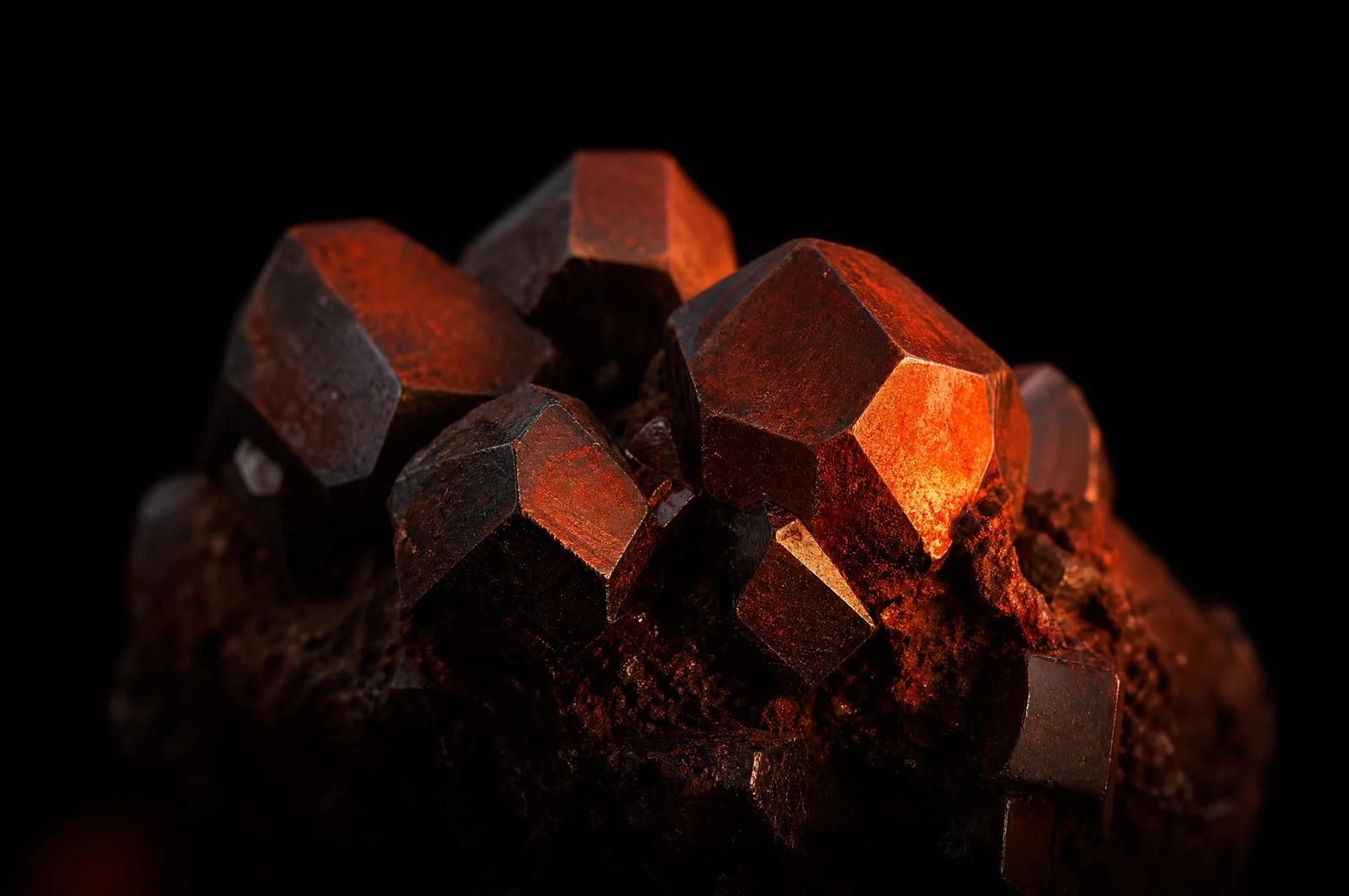 Best of the group, if low (one small trial)IronADHD scores fell on iron in children with ferritin under 30 ng/mL; no benefit shown without a deficiencyIn our shop
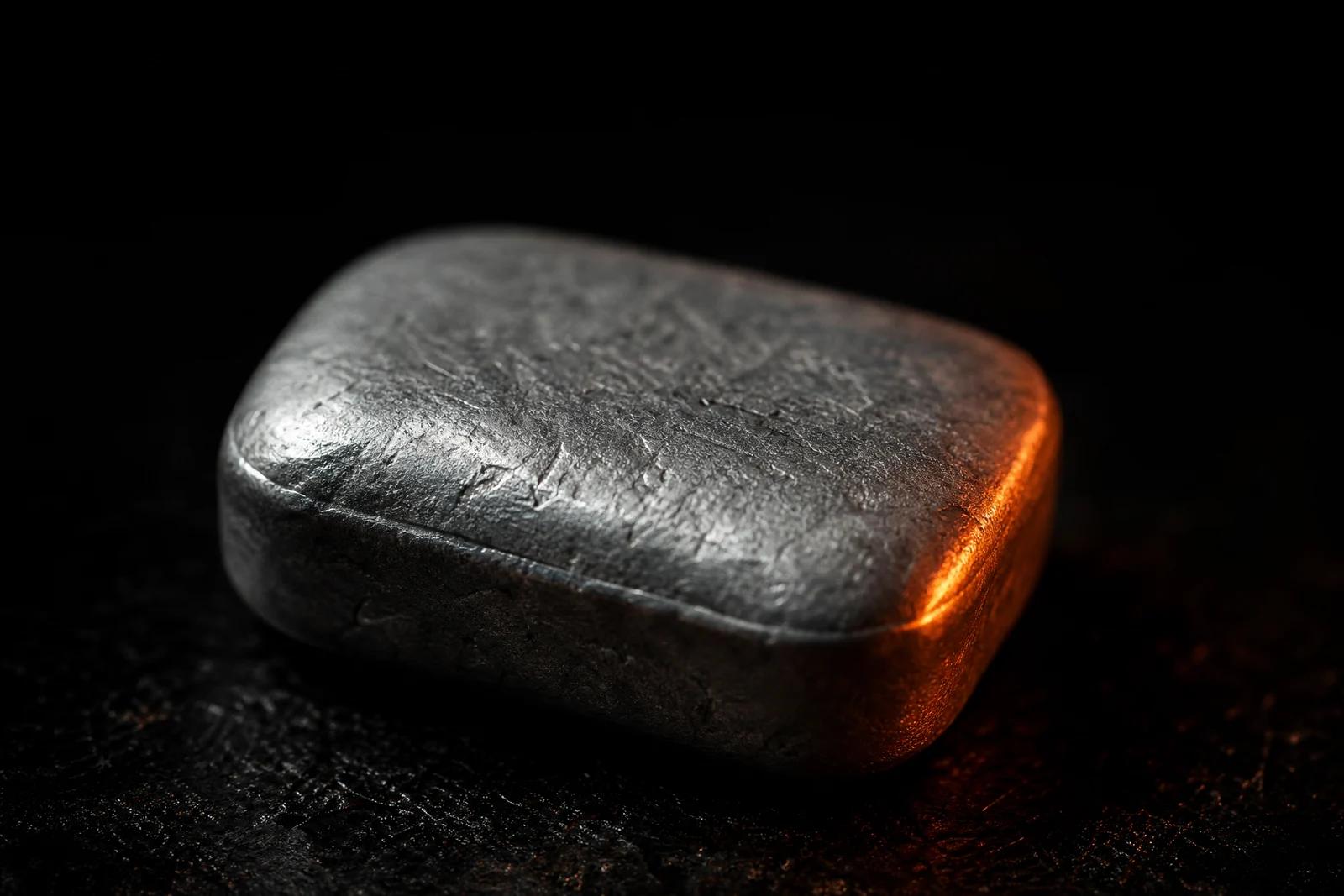
 Early evidenceMagnesiumSmall combined trials, mostly with vitamin D or B6, show modest gains in behaviorIn our shop
Children and adults
Most of the trials on this page were in children, and adult evidence is thinner. Children's upper limits are much lower than adult ones, and an adult product given to a child can pass them. For zinc and iron the upper limit counts all sources, food included; for magnesium it counts supplements only. 5 7 9
| Age | Iron UL (mg/day) | Zinc UL (mg/day) | Magnesium UL, supplements only (mg/day) |
|---|---|---|---|
| 1 to 3 years | 40 | 7 | 65 |
| 4 to 8 years | 40 | 12 | 110 |
| 9 to 13 years | 40 | 23 | 350 |
| 14 to 18 years | 45 | 34 | 350 |
| Adults | 45 | 40 | 350 |
These limits are safety ceilings and give no guide to what a child should take. A pediatrician should be involved before any of these is given to a child with ADHD.
Which blood tests to check first
The supplements with a real case in ADHD each have a matching blood test, and the result decides whether trying one makes sense. Ferritin, ideally with an iron panel, comes first. Zinc, magnesium and 25-hydroxyvitamin D come next. TSH and vitamin B12 rule out two common look-alikes: an underactive thyroid and low B12 both cause slow thinking and poor focus. Supplements based on your blood test covers how a low result maps to a choice, and the micronutrient test explained page covers the broader panels sold online. After a low result is treated, a recheck at 8 to 12 weeks shows whether the level has moved.
At the appointment, a simple ask is: "Could we check ferritin, zinc, magnesium, vitamin D, TSH and B12 before trying any supplement for ADHD?"
Markers to check before an ADHD supplement
How to try a supplement without fooling yourself
ADHD symptoms swing with sleep, school terms and stress, so a supplement can seem to work when nothing changed. Agree a written plan with the clinician first.
- 1Tell the prescriberSupplements are add-ons to ADHD treatment. Keep medication as prescribed and ask about interactions first.
- 2Start from a test resultOnly consider a nutrient a blood test shows is low, and let the doctor decide whether and how to correct it, especially iron and anything for a child.
- 3Rate symptoms before you startUse the same rating scale the clinician uses, filled in by the same person, for two weeks as a baseline.
- 4Change one thing at a timeAdding two supplements at once makes it impossible to tell which one did anything.
- 5Review at 8 to 12 weeksRecheck the blood level and re-rate symptoms with the clinician, and stop if neither moved.
Safety and interactions
Iron, zinc and magnesium all bind to quinolone and tetracycline antibiotics, levothyroxine (thyroid medicine) and bisphosphonates, so those medicines are usually spaced a few hours from the supplements. Omega-3 and ginkgo add to the effect of blood thinners. Melatonin causes drowsiness, which matters before driving or school. The supplement interactions page covers spacing in full.
For the wider picture of focus, sleep and mood markers, see mind performance.
Citations
- Danielson ML, Claussen AH, Bitsko RH et al. ADHD prevalence among U.S. children and adolescents in 2022: diagnosis, severity, co-occurring disorders, and treatment. Journal of Clinical Child and Adolescent Psychology, 2024.
- National Institute for Health and Care Excellence. Attention deficit hyperactivity disorder: diagnosis and management (NG87), 2018, updated 2019.
- Konofal E, Lecendreux M, Arnulf I, Mouren MC. Iron deficiency in children with attention-deficit/hyperactivity disorder. Archives of Pediatrics and Adolescent Medicine, 2004;158(12):1113-1115.
- Konofal E et al. Effects of iron supplementation on attention deficit hyperactivity disorder in children. Pediatric Neurology, 2008;38(1):20-26.
- NIH Office of Dietary Supplements. Iron: fact sheet for health professionals.
- Talebi S, Miraghajani M, Ghavami A, Mohammadi H. The effect of zinc supplementation in children with attention deficit hyperactivity disorder: a systematic review and dose-response meta-analysis of randomized clinical trials. Critical Reviews in Food Science and Nutrition, 2022.
- NIH Office of Dietary Supplements. Zinc: fact sheet for health professionals.
- Hemamy M, Pahlavani N, Amanollahi A et al. The effect of vitamin D and magnesium supplementation on the mental health status of attention-deficit hyperactive children: a randomized controlled trial. BMC Pediatrics, 2021;21:178.
- NIH Office of Dietary Supplements. Magnesium: fact sheet for health professionals.
- Gillies D, Leach MJ, Perez Algorta G. Polyunsaturated fatty acids (PUFA) for attention deficit hyperactivity disorder (ADHD) in children and adolescents. Cochrane Database of Systematic Reviews, 2023.
- Bloch MH, Qawasmi A. Omega-3 fatty acid supplementation for the treatment of children with attention-deficit/hyperactivity disorder symptomatology: systematic review and meta-analysis. Journal of the American Academy of Child and Adolescent Psychiatry, 2011;50(10):991-1000.
- Johnstone JM et al. Micronutrients for attention-deficit/hyperactivity disorder in youths: a placebo-controlled randomized clinical trial (MADDY). Journal of the American Academy of Child and Adolescent Psychiatry, 2022;61(5):647-661.
- Rucklidge JJ, Frampton CM, Gorman B, Boggis A. Vitamin-mineral treatment of attention-deficit hyperactivity disorder in adults: double-blind randomised placebo-controlled trial. British Journal of Psychiatry, 2014;204(4):306-315.
- Van der Heijden KB, Smits MG, Van Someren EJ, Ridderinkhof KR, Gunning WB. Effect of melatonin on sleep, behavior, and cognition in ADHD and chronic sleep-onset insomnia. Journal of the American Academy of Child and Adolescent Psychiatry, 2007;46(2):233-241.
- Cohen PA, Avula B, Wang YH, Katragunta K, Khan I. Quantity of melatonin and CBD in melatonin gummies sold in the US. JAMA, 2023;329(16):1401-1402.
Educational context only, not medical advice or a diagnosis. Always discuss your results with a clinician.