SupplementsVitaminsMultivitamin
Multivitamin
with 5-MTHF, methylcobalamin and chelated minerals
One tablet, 25 ingredients, and an honest result: it hasn't been shown to add years to your life, but it can fill gaps in your diet and may help memory as you get older.
- Builds up
- Depends on nutrient
- In your body
- A mix
- Per 1 tablet
- 25 ingredients
- 30-day supply
- $6.60One capsule a day, plus packing and delivery
What is multivitamin?
A multivitamin is a broad mix of vitamins and minerals in small to moderate amounts. About 1 in 3 US adults take one, usually as a kind of nutritional insurance.
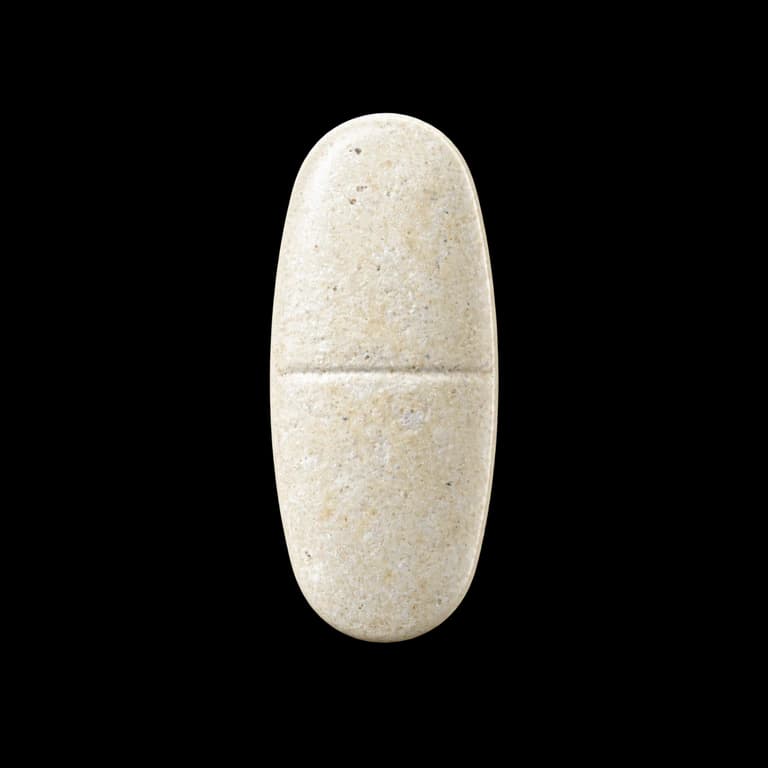
Ours has 25 listed ingredients, including vitamin D3, vitamin K1 and K2, active forms of folate and B12, zinc, selenium, iodine from kelp, and minerals bound in forms such as citrate or glycinate. It's a tablet, not a capsule, and it's listed as non-vegetarian.
Two things worth noticing: it contains no iron, so it won't cover you if you're low, and it holds only a little calcium. A multivitamin can't fit everything into one tablet.
What it does
- Everyday gapsHelps cover vitamins and minerals your diet may run short on.
- EnergyB vitamins help turn food into energy.
- BonesVitamin D, K, magnesium and a little calcium support normal bones.
- Immune systemZinc, selenium, and vitamins C and D support normal immune function.
These statements have not been evaluated by the FDA. This product is not intended to diagnose, treat, cure or prevent any disease.
What people take it for
 Good evidenceFilling gaps in your dietRegular users had far fewer shortfalls, apart from calcium, magnesium and vitamin D, which are hard to fit in one tablet.
 Some evidenceMemory in older adultsIn studies of adults over 60, a daily multivitamin improved memory a little, about 2 to 3 years' worth of age-related decline.
 MixedLong-term healthBig studies didn't find fewer heart problems or a longer life. One found slightly less cancer in older men, and another didn't.
How long it takes
It's a mix. B vitamins and vitamin C come and go within a day or so, while vitamin D and K2 build up slowly over weeks. In the memory studies, the first check was after a year.
- Hours to daysWater-soluble vitamins are absorbed, used, and the extra leaves in your urine
- WeeksSlower nutrients like vitamin D start to climb
- 1 to 3 yearsWhen studies saw a small improvement in memory in older adults
How long it stays in your body
There's no single number. Water-soluble vitamins leave quickly, which is why people take them every day. Fat-soluble vitamins and some minerals stay much longer.
What's in a capsule
One tablet holds 180 mg of vitamin C, 25 mcg of vitamin D3, 100 mg of magnesium, 15 mg of zinc, 55 mg of calcium, 0.39 mg of 5-MTHF folate and 10 mcg of B12, among others. The memory studies used a different brand, Centrum Silver, so results may not transfer exactly.
What the big studies actually found
Few supplements have been studied at this scale. COSMOS followed 21,442 older Americans for about 3.6 years. It found no overall drop in cancer or heart problems, and a lower rate of lung cancer that still needs confirming. An earlier study of 14,641 male doctors, over 11 years, found 8% less cancer. A US expert panel concluded the evidence isn't enough to say either way, and a study of 390,000 adults found no longer life.
The surprise came from memory. Three parts of COSMOS tested thinking, and together they found a small but clear gain. Is that worth it? If you're over 60, it might be. If you're 30 and eat well, it's probably less of an argument.
One less-reported finding is worth knowing: in COSMOS, people on the multivitamin had less stomach upset and bruising, but slightly more stomach or gut bleeding. Most people will never notice, but it's the reason to mention it to your doctor if you already bleed easily.
What it interacts with
- Thyroid medicine (levothyroxine)Calcium can get in the way. Keep them at least 4 hours apart, and check your plan with your pharmacist.
- Some antibiotics (such as ciprofloxacin), and osteoporosis medicinesMinerals block their absorption. With ciprofloxacin, take the multivitamin at least 6 hours before or 2 hours after it. Keep osteoporosis medicines (bisphosphonates) at least 2 hours apart.
- WarfarinHolds vitamins K1 and K2, which can change how warfarin works. Keep your intake steady, and tell your doctor.
- Methotrexate and seizure medicinesThis holds folate. Folate can get in the way of methotrexate used for cancer, and it can interact with medicines like phenytoin. Ask first.
- Other supplementsVitamin D, zinc and others add up. D Complex is already past the daily upper limit for vitamin D, and this tablet adds 25 mcg more.
- Blood testsIt holds a small amount of biotin, far less than the amounts known to throw off lab tests, but it's still worth listing on your medicines form.
Goes well with
Side effects
- Usually none. In the biggest study, people reported less stomach upset than those taking a dummy tablet.
- A small rise in stomach or gut bleeding was seen in the same study.
- Bright yellow urine can happen, and it's harmless. It comes from riboflavin.
Check first if
- Pregnant or trying to conceive: ask your doctor. Prenatal needs differ, including iron, which this has none of.
- Smokers: this holds a small amount of beta carotene. In a big study, 20 mg a day raised lung cancer risk in male smokers. The amount here is far lower.
- Blood thinners or a bleeding condition: check with your doctor first.
- Thyroid conditions: it holds iodine from kelp, and people with a thyroid condition can be more sensitive to extra iodine, so ask first.
- Wilson disease: your body can't clear copper, and this holds 2 mg, so ask your doctor first.
- Diabetes medicines: this holds 120 mcg of chromium, which may lower blood sugar further, so tell your doctor.
- Kidney disease: minerals like magnesium can build up, so ask your doctor first.
- Cancer treatment: tell your oncologist, since antioxidant supplements have been linked to worse results during some chemotherapy.
The blood tests that go with it
- Vitamin DOne of the gaps a multivitamin may not fully close.
- Vitamin B12Shows whether you need more than the amount here.
- FolateYour recent intake. High folate can hide low B12, so read the two together.
- MagnesiumA common shortfall even with a multivitamin.
- ZincThis tablet holds a fair amount, so it's worth knowing your level.
- TSHYour thyroid, which relies on the iodine in this tablet.
Supplementation
Find Multivitamin in a ready-made protocol.
Start from one of these, or add it to your own. Everything comes in one pouch each morning.
Life stages
Your everyday starting point.
30-day pack · 6 a morning · 180 pills
$79.62 / month
Choose this packLife stages
A broader daily foundation.
30-day pack · 7 a morning · 210 pills
$92.29 / month
Choose this packYour own
Build your own pouch.
Know what you want to take? Pick each ingredient, and we time it through your day.
Build your own






- cGMP-certifiedFacilities
- FDA-registeredFacilities
- Accredited labsIndependent testing
- Non-GMOIngredient options
- OrganicIngredient options
- VeganFormula options
These statements have not been evaluated by the Food and Drug Administration. These products are not intended to diagnose, treat, cure or prevent any disease.
Want it more precise? Get the app.
A page can only tell you about Multivitamin. The app tells you about you: whether it fits, when to take it, and whether it's working.
- Checked against your blood work and everything you already take
- On your daily timeline, around your sleep, training and meals
- Followed over time, so you can see what moved

 MultivitaminOPEN 09:00
Multivitamin against your blood work, your sleep and what you already take.
 AI
Your vitamin D and B12 both look fine now. Your magnesium is still on the low side, so that's the gap to look at.
ASK ABOUT MULTIVITAMINFind the goal that's yours.
Your record, your routine and LifeFrom AI, pointed at the outcome that matters to you.



Questions
What is a multivitamin good for?
Filling everyday gaps in your diet, mostly. In older adults, it also seems to help memory a little.
What are the benefits of a multivitamin?
Fewer nutrient shortfalls is the clearest one, and a small memory gain in people over 60. It didn't add years of life in big studies.
How long does a multivitamin take to work?
Levels of some vitamins move within days or weeks. The memory gain was seen at 1 year.
What are the side effects of a multivitamin?
Usually none. Yellow urine is common and harmless. A small rise in stomach or gut bleeding appeared in one big study.
Do I really need a multivitamin?
Not if your diet is varied and your blood tests look good. It makes more sense if you eat a limited diet, or if you're older.
Is it okay to take a multivitamin every day?
That's how studies gave it, and safety looked good for years. Just count what else you take.
Why is there no iron in this multivitamin?
Not everyone needs extra iron. If a blood test shows you're low, your doctor can advise you separately.
Can I take a multivitamin with other supplements?
Yes, but watch the totals. Vitamin D, zinc and others add up, and D Complex is already past the upper limit for vitamin D before this tablet adds more.
Does a multivitamin interact with medicines?
Yes. It can get in the way of thyroid medicine, some antibiotics and osteoporosis medicines. Vitamin K can affect warfarin, and folate can interact with methotrexate and some seizure medicines.
Who should not take this multivitamin?
Check first if you're pregnant or trying to conceive, smoke, take blood thinners, have a thyroid condition, kidney disease or Wilson disease, or are having cancer treatment.
Sources
- Sesso HD et al. Multivitamins in the prevention of cancer and cardiovascular disease: the COSMOS randomized clinical trial. Am J Clin Nutr, 2022.
- Yeung LK et al. Multivitamin supplementation improves memory in older adults. Am J Clin Nutr, 2023.
- Vyas CM et al. Effect of multivitamin-mineral supplementation versus placebo on cognitive function. Am J Clin Nutr, 2024.
- Gaziano JM et al. Multivitamins in the prevention of cancer in men: the Physicians' Health Study II. JAMA, 2012.
- US Preventive Services Task Force. Vitamin, mineral, and multivitamin supplementation to prevent cardiovascular disease and cancer. JAMA, 2022.
- Loftfield E et al. Multivitamin use and mortality risk in 3 prospective US cohorts. JAMA Netw Open, 2024.
- Blumberg JB et al. Impact of frequency of multi-vitamin/multi-mineral supplement intake on nutritional adequacy and nutrient deficiencies in US adults. Nutrients, 2017.
- Skelin M et al. Factors affecting gastrointestinal absorption of levothyroxine: a review. Clin Ther, 2017.
- Polk RE et al. Effect of ferrous sulfate and multivitamins with zinc on absorption of ciprofloxacin in normal volunteers. Antimicrob Agents Chemother, 1989.
- Farebrother J et al. Excess iodine intake: sources, assessment, and effects on thyroid function. Ann N Y Acad Sci, 2019.
- Alpha-Tocopherol, Beta Carotene Cancer Prevention Study Group. The effect of vitamin E and beta carotene on the incidence of lung cancer and other cancers in male smokers. N Engl J Med, 1994.
- MedlinePlus. Levothyroxine.
- MedlinePlus. Ciprofloxacin.
- MedlinePlus. Warfarin.
- NIH Office of Dietary Supplements. Folate: fact sheet for health professionals.
- NIH Office of Dietary Supplements. Magnesium: fact sheet for health professionals.
- NIDDK, National Institutes of Health. Treatment for Wilson disease.
- Costello RB et al. Chromium supplements for glycemic control in type 2 diabetes: limited evidence of effectiveness. Nutr Rev, 2016.
- Ambrosone CB et al. Dietary supplement use during chemotherapy and survival outcomes of patients with breast cancer. J Clin Oncol, 2020.
Written by LifeFrom from these sources, and not yet reviewed by a clinician. Talk to your doctor before starting a supplement.