- 01Intestinal permeability vs leaky gut syndrome
Intestinal permeability is a measurable property of the gut lining, and it really does rise in celiac disease, Crohn's disease and with regular NSAID use. Leaky gut syndrome is the unproven claim that the leak is itself a disease that causes symptoms all over the body. The first is established; the second is not a recognized diagnosis, so the useful move is to test for the conditions that cause the same symptoms.
- 02A zonulin result vs a leaky gut
Commercial zonulin kits detect other proteins, such as haptoglobin and complement C3, so a high zonulin result does not show that the gut is leaking and a normal one rules nothing out.
If your gut has been off for months and someone has told you it is leaking, you have two questions: is that real, and what do you do about it. The lining of the gut does get leakier in some diseases, and researchers can measure it. What no clinician can do yet is test you for leaky gut and treat it as a problem of its own, so this guide works from the other end: each symptom, the commoner cause behind it, and the test that checks that cause.
Leaky gut symptoms and what usually explains them
The symptoms people link to leaky gut are real and worth taking seriously. What research has not shown is that a leaky lining causes them: Cleveland Clinic notes that no symptoms are tied directly to intestinal permeability itself 2. Each symptom below has a commoner explanation, and most of those explanations have a test a clinician can order.
| Symptom | What more commonly explains it | Test that checks it |
|---|---|---|
| Bloating and gas (read more) | IBS, SIBO (bacterial overgrowth in the small bowel), lactose or FODMAP intolerance, constipation | Celiac blood test to rule out celiac disease; breath test for SIBO |
| Diarrhea lasting weeks | Celiac disease, inflammatory bowel disease (IBD), infection, bile acid diarrhea, IBS with diarrhea | tTG-IgA with total IgA, fecal calprotectin, CRP, stool tests for infection |
| Belly pain | IBS, IBD, celiac disease, gallbladder or ulcer disease | Fecal calprotectin, celiac blood test, examination |
| Reactions to many foods | Celiac disease, lactose intolerance, histamine intolerance, IBS | Celiac blood test while still eating gluten; a structured elimination with a dietitian |
| Tiredness (read more) | Iron deficiency, B12 deficiency, thyroid disease, poor sleep | Full blood count, ferritin, B12, TSH |
| Brain fog (read more) | Low iron or B12, thyroid disease, poor sleep, low mood | Ferritin, B12, TSH |
| Skin flares (eczema, acne, rashes) | Eczema, acne, or dermatitis herpetiformis (the itchy, blistering rash of celiac disease) | Skin examination; celiac blood test if the rash fits |
| Joint aches (read more) | Osteoarthritis, inflammatory arthritis, joint inflammation linked to IBD or celiac disease | CRP, examination |
| Frequent infections | Low IgA (more common in people with celiac disease), other immune problems | Total IgA, full blood count |
What is leaky gut, and is it real?
The gut lining is a single layer of cells, joined near the surface by protein seals called tight junctions. Above it sits a layer of mucus; below it sits a dense layer of immune cells. The lining's job is selective: let water, salts and digested nutrients through while keeping bacteria and their fragments out. Intestinal permeability (how easily molecules cross that lining) is a measurable property, and it rises when the seals loosen or the cells are damaged.
How the gut barrier works, and where it fails
Two ideas share the name leaky gut. The first is intestinal permeability, and its rise in celiac disease, Crohn's disease and NSAID injury is uncontroversial, according to a 2019 review in the journal Gut by Michael Camilleri of the Mayo Clinic 1. The second is leaky gut syndrome: the claim that a leaky barrier is a disease of its own that drives fatigue, skin problems or autoimmune disease elsewhere in the body. Cleveland Clinic describes leaky gut syndrome as a hypothetical condition that is not currently a recognized medical diagnosis 2. Raised permeability is established; leaky gut syndrome is unproven.
| Claim | What the evidence says |
|---|---|
| The gut lining can become leakier | True. Shown in people with celiac disease, Crohn's disease and NSAID injury 1. |
| A leaky gut causes my symptoms | Unproven. No symptom has been tied directly to intestinal permeability itself 2. |
| A leaky gut causes autoimmune disease | Unproven. Associations exist, cause and effect is unresolved, and much of the mechanism comes from preclinical work 1. |
| A stool or blood test can diagnose leaky gut | False. There is no validated clinical test for gut barrier function 1. |
| Sealing the gut fixes the symptoms | Unproven in most conditions 1. One trial in a subgroup with post-infectious IBS is the main exception 6. |
What causes a leaky gut lining
Causes, graded by the strength of the human evidence
Some causes are established in people, some show up in a subset of a condition, and some are proposed on the strength of preclinical studies. The grade appears at the start of each entry.
- 01Celiac disease
Established. Gluten triggers an immune reaction that damages the small-bowel lining, and raised permeability is part of the disease 1.
Can be linked with Celiac disease
- Tissue transglutaminase IgA (tTG-IgA)
- the first-choice celiac blood test, done while still eating gluten
- Immunoglobulin A (IgA)
- confirms the tTG-IgA result can be trusted
- 02Crohn's disease and ulcerative colitis (IBD)
Established in Crohn's disease. Inflammation breaks down the lining, and permeability tracks disease activity 1.
- Fecal calprotectin
- raised when the bowel wall is inflamed
- C-reactive protein (CRP)
- a general blood marker of inflammation
- 03NSAID painkillers
Established. Ibuprofen, naproxen and aspirin raise small-bowel permeability in people 1. A prescribed NSAID or low-dose aspirin should only change after a conversation with the prescriber.
- 04Heavy alcohol use
Established in people. Alcohol and its by-products loosen the seals, and bacterial fragments called endotoxin reach the blood.
- 05Gut infections and post-infectious IBS
Seen in a subset. After a bout of gastroenteritis, 17 to 50% of people who go on to develop post-infectious IBS show barrier dysfunction 3.
Can be linked with Irritable bowel syndrome (IBS)
- 06IBS with diarrhea
Seen in a subset. Barrier dysfunction appears in 37 to 62% of people with diarrhea-predominant IBS and 4 to 25% of people with constipation-predominant IBS 3.
Can be linked with Irritable bowel syndrome (IBS)
- 07Chemotherapy, radiation and HIV
Established. Cancer treatment damages the fast-dividing cells of the lining, and HIV depletes immune cells in the gut wall.
- 08Diet, stress and short sleep
Proposed. Ultra-processed food, low fibre, chronic stress and short sleep loosen the barrier in preclinical studies; human evidence is thin and mostly indirect.
These are things a symptom like this can be linked with, not a diagnosis. Several can sit together, and a clinician who knows your history puts them in order for you.
The IBS figures show that barrier change is a feature of some IBS, mostly the diarrhea type and the type that follows a gut infection. In the 66 studies Hanning and colleagues reviewed, a leakier barrier went with more belly pain and bowel disturbance in most of the studies that checked 3. Most people with IBS still have a normal barrier. IBS is diagnosed from its symptom pattern, with a few targeted tests to rule out celiac disease and inflammatory bowel disease 7.
Leaky gut vs IBS, celiac disease, SIBO and food intolerance
Most people searching for leaky gut symptoms have a condition with its own name, diagnosis and page. The table sorts them by what happens to the barrier and how each is diagnosed.
| Condition | What happens to the barrier | How it is diagnosed |
|---|---|---|
| IBS | Leakier in a subset, mostly IBS with diarrhea 3 | Symptom pattern, plus celiac blood tests and, when diarrhea is prominent, calprotectin and CRP to rule out look-alikes 7 |
| Celiac disease | Leakiness is part of the disease | tTG-IgA plus total IgA while eating gluten, then a small-bowel biopsy if positive 8 |
| SIBO | Too many bacteria in the small bowel; barrier data are limited | Breath test |
| Histamine intolerance | Trouble breaking down histamine from food, with no clear barrier link | Symptoms and response to a supervised diet trial |
Food sensitivity panels that measure IgG antibodies to dozens of foods are often sold alongside leaky gut tests. IgG to a food mostly shows that you eat it. The American College of Gastroenterology recommends against routine food allergy or sensitivity testing for people with IBS symptoms 7.
How do you test for leaky gut?
There is no validated clinical test for leaky gut, so no lab result can confirm the diagnosis 1. Researchers measure permeability with methods that need a study protocol, and the kits sold to the public measure something else. The table lists every test you are likely to meet.
| Test | What it measures | Can it diagnose leaky gut? | Where you'd get it |
|---|---|---|---|
| Lactulose-mannitol (sugar) urine test | You drink two sugars; the ratio that reaches the urine shows how much leaked through | No. Results vary with the protocol and there is no agreed cutoff 1 | Research studies |
| Blood endotoxin or LBP (lipopolysaccharide-binding protein) | Bacterial fragments, or the protein that binds them, in blood | No. Both also rise with infection and obesity | Research studies |
| Biopsy in an Ussing chamber | Barrier function of a tissue sample, measured in the lab | No. Research only | Research during endoscopy |
| Confocal laser endomicroscopy | A live microscope view of leaks during endoscopy | No. Research only | Specialist research centres |
| Zonulin, stool or blood | Meant to measure zonulin; commercial kits detect other proteins | No 4 5 | Functional-medicine panels, including GI-MAP add-ons |
| Stool microbiome test | Which bacteria live in your stool | No. It describes bacteria, not the barrier | Direct-to-consumer kits (how they work) |
The sugar test comes closest to a direct measure. Lactulose is a large sugar that barely crosses a healthy lining, while mannitol is small and crosses easily, so a higher lactulose-to-mannitol ratio in the urine suggests the seals have loosened. It stays a research tool because diet, gut transit speed and kidney function all shift the result, and labs use different sugar amounts and collection times 1.
Zonulin is a protein the gut makes that loosens tight junctions; in people it was identified as pre-haptoglobin 2. The problem lies in the kits. When Ajamian and colleagues tested two commercial serum zonulin assays in 2019, both detected complement C3 and haptoglobin, and neither detected zonulin 4. Massier and colleagues later showed that the commercial tests were built from an early protein sequence that turned out to be unrelated to zonulin, and that their results barely track direct sugar-probe permeability tests 5.
Blurring the picture in leaky gut research: how shortcomings of zonulin as a biomarker mislead the field of intestinal permeability
The zonulin test people arrive with
The blood and stool tests that help
The tests that help are the ones guidelines use to rule out look-alike conditions. For suspected IBS with diarrhea, the American College of Gastroenterology recommends celiac blood tests and fecal calprotectin or lactoferrin plus CRP, to rule out celiac disease and inflammatory bowel disease 7. These are the questions worth bringing to your clinician.
- 1A celiac blood testtTG-IgA with total IgA. NICE advises eating gluten in more than one meal every day for at least 6 weeks before the test, because a gluten-free diet can make the result falsely normal 8.
- 2Fecal calprotectinA stool protein released by an inflamed bowel wall. It helps separate inflammatory bowel disease from IBS 7.
- 3CRP and a full blood countCRP flags inflammation; the blood count shows anemia, which in a person with gut symptoms needs explaining.
- 4Ferritin, B12 and folateIron, B12 and folate are absorbed in the gut, so low levels can point to poor absorption. See iron deficiency and B12 deficiency.
- 5AlbuminAlbumin is the main blood protein; a low level can mean poor absorption or protein lost through an inflamed gut.
The tests that check the look-alikes
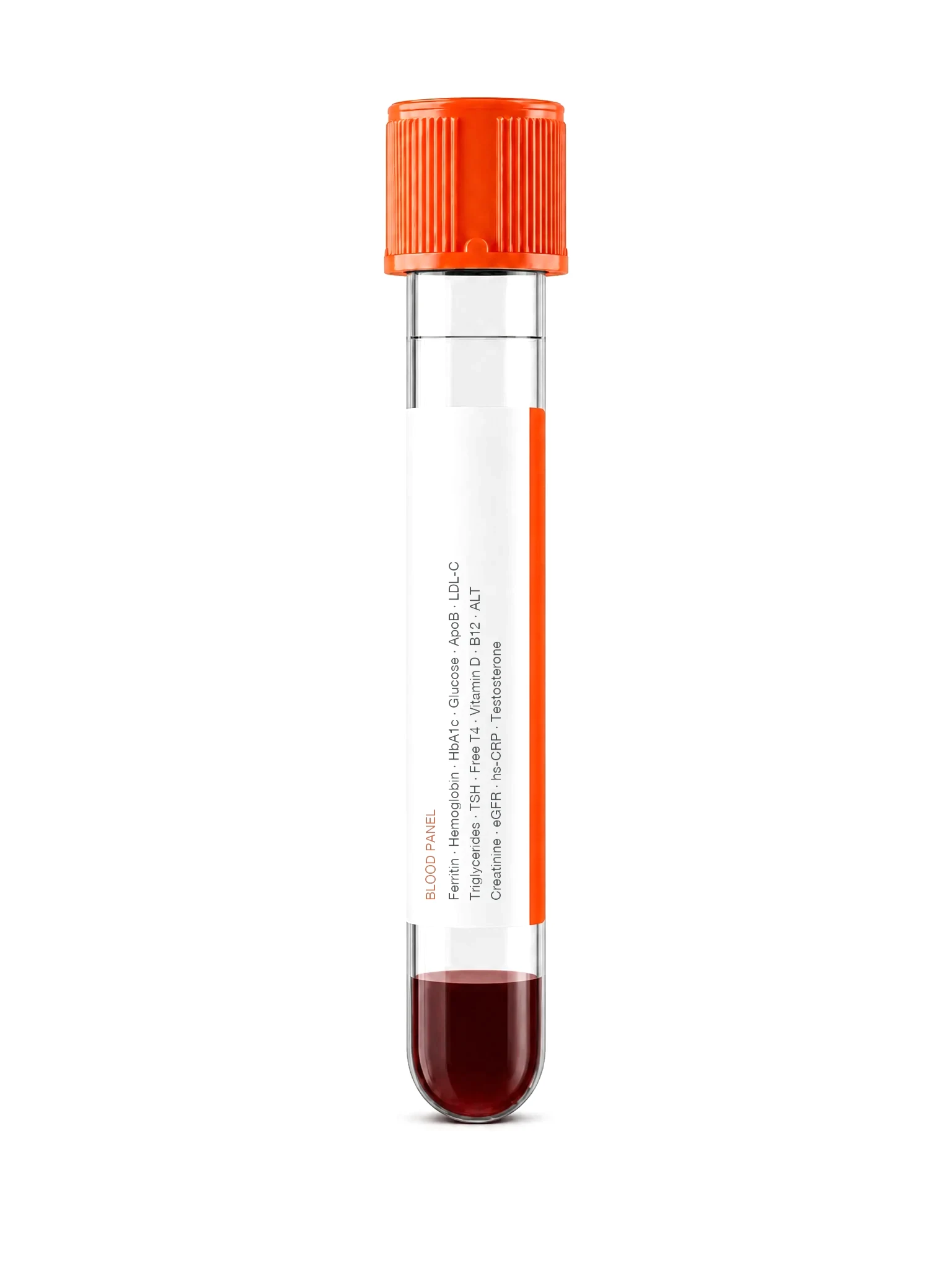
If these tests come back normal, celiac disease and inflammatory bowel disease become much less likely, and symptoms that fit IBS can be diagnosed and managed as IBS 7. If any result is abnormal, it goes back to the clinician who ordered it, who decides what follows; that is often a referral to a gastroenterologist.
How to heal a leaky gut: what has evidence
The only proven way to heal a leaky gut lining is to treat the condition that made it leaky 2. In celiac disease that is a strict gluten-free diet under medical guidance; in Crohn's disease it is the treatment a gastroenterologist sets. Beyond that, a few everyday changes and supplements have some human data, graded below. Camilleri's review is clear that restoring barrier function has not yet been shown to improve symptoms in most conditions 1.
| Option | Best human evidence | Strength |
|---|---|---|
| Less alcohol | Heavy drinking loosens the barrier and lets bacterial fragments reach the blood | Good for the barrier; symptom data limited |
| Fewer NSAID painkillers where possible | Regular NSAIDs raise small-bowel permeability 1 | Good; any change to a prescribed medicine goes through the prescriber |
| Glutamine | In 106 people with post-infectious IBS with diarrhea and a leaky barrier, 79.6% improved on glutamine vs 5.8% on placebo over 8 weeks, and permeability normalized 6 | Moderate, for that subgroup only |
| Fermented foods and fibre | Small trials in healthy adults show shifts in gut bacteria; no barrier or symptom data in leaky gut | Early |
| Zinc carnosine | A small study in healthy volunteers taking a painkiller | Early |
| Probiotics | Effects depend on the strain; trial results are mixed | Mixed |
| Slippery elm | Traditional soothing use; no barrier data in people | Weak |
| Butyrate | Tight-junction effects seen in preclinical studies only | Preclinical |
Supplements studied for the gut barrier
 Moderate evidence, one subgroupGlutamineImproved symptoms and normalized permeability in one trial of post-infectious IBS with diarrhea and a leaky barrierIn our shop
 Early evidenceZincZinc carnosine limited a painkiller-induced rise in permeability in a small volunteer studyIn our shop


For food, the anti-inflammatory diet guide covers the eating patterns with the best data, and supplements for bloating grades the options for that one symptom. No study has measured how long a leaky gut takes to heal in people without an established cause, because there is no agreed test to measure it. In the glutamine trial, changes in symptoms and permeability were measured at 8 weeks 6.
Can leaky gut cause skin problems, fatigue or autoimmune disease?
Alessio Fasano, the gastroenterologist whose team described zonulin, has argued that a leaky barrier lets food and bacterial fragments prime the immune system and helps trigger autoimmune disease in people already at genetic risk. The human evidence for this is mostly association. People with celiac disease and type 1 diabetes have leakier guts on average, but the leak could be a result of the disease as easily as a cause, and much of the mechanism comes from preclinical work 1.
For acne, eczema, fatigue and brain fog, no human study has shown that a leaky gut is the cause. Inflammation itself can be measured with blood tests, and the chronic inflammation guide and inflammation markers explained cover what those markers can and cannot tell you.
When to see a doctor
Most bloating and loose stools are not dangerous, but a few signs mean the cause needs finding quickly. Weight loss you can't explain is one of them on its own.
When to get help now
Get urgent care today for the first list. Book a clinician within days for the second.
- Black, tarry stools, or more than a streak of blood in the stool
- Vomiting blood, or vomit that looks like coffee grounds
- Severe belly pain that is constant or getting worse
- Fever with bloody diarrhea
- Signs of dehydration: very little urine, dizziness on standing, confusion
- Weight loss you can't explain
- Diarrhea lasting more than a few weeks
- Waking at night to open your bowels
- Anemia, or low ferritin or B12, on a blood test
- Difficulty swallowing
- A new, lasting change in bowel habit after age 45
- A family history of bowel cancer, inflammatory bowel disease or celiac disease
LifeFrom can't examine you or assess a symptom. If something feels seriously wrong, trust that and get care rather than waiting on a test.

Leaky gut syndrome is not a recognized diagnosis, and no lab test can confirm it. Gut symptoms with blood in the stool, black stools, vomiting blood, severe or worsening belly pain, fever with bloody diarrhea, or signs of dehydration need urgent care. Unexplained weight loss, diarrhea that wakes you at night, anemia or a new lasting change in bowel habit need a clinician within days. Celiac blood tests only work while you are still eating gluten, so ask about testing before cutting gluten out, and talk to your prescriber before changing any prescribed medicine.
Citations
- Camilleri M. Leaky gut: mechanisms, measurement and clinical implications in humans. Gut 2019;68(8):1516-1526
- Cleveland Clinic. Leaky gut syndrome (Health Library)
- Hanning N, et al. Intestinal barrier dysfunction in irritable bowel syndrome: a systematic review. Ther Adv Gastroenterol 2021;14:1756284821993586
- Ajamian M, et al. Serum zonulin as a marker of intestinal mucosal barrier function: may not be what it seems. PLoS One 2019;14(1):e0210728
- Massier L, Chakaroun R, Kovacs P, Heiker JT. Blurring the picture in leaky gut research: how shortcomings of zonulin as a biomarker mislead the field of intestinal permeability. Gut 2021;70(9):1801-1802
- Zhou Q, et al. Randomised placebo-controlled trial of dietary glutamine supplements for postinfectious irritable bowel syndrome. Gut 2019;68(6):996-1002
- Lacy BE, et al. ACG Clinical Guideline: Management of Irritable Bowel Syndrome. Am J Gastroenterol 2021;116(1):17-44
- NICE guideline NG20. Coeliac disease: recognition, assessment and management (2015)
Educational context only, not medical advice or a diagnosis. Always discuss your results with a clinician.