- 01Too little bile vs too much bile
Ox bile helps only when the gut is short of bile, which shows as pale, greasy, floating stools. The more common problem after gallbladder removal is too much bile reaching the colon, which shows as urgent watery stools, and ox bile can make that worse.
- 02Bile salts vs digestive enzymes
Bile salts make fat reachable; lipase digests it. A shortage of pancreatic enzymes (EPI) is treated with enzyme replacement, and ox bile does not stand in for it.
One question decides whether ox bile can help anyone: is the gut short of bile, or flooded with it? Pale, greasy, floating stools that are hard to flush point to too little bile reaching the food. Urgent, watery stools soon after meals usually point to too much bile reaching the colon. Ox bile only fits the first pattern, and it can make the second one worse.
What is ox bile?
Ox bile is bile collected from the gallbladders of cattle at slaughter, then dried and purified into a powder. Labels call it ox bile extract, bile salts, oxgall, bovine bile, purified ox bile or Fel tauri. Bile salts are the working part of bile: detergent-like molecules the liver makes from cholesterol so that fat can mix with the watery contents of the gut. Ox bile is one source of bile salts; a "bile salts" supplement is almost always ox bile, sometimes blended with digestive enzymes.
Cattle bile and human bile are not the same mixture. Cattle bile is dominated by taurine and glycine conjugates of cholic acid and deoxycholic acid, while human bile carries more chenodeoxycholic acid and is mostly glycine-conjugated 7. A conjugate is a bile acid with an amino acid (taurine or glycine) attached, which keeps it dissolved in the acidic upper gut.
| Ox (cattle) bile | Human bile | |
|---|---|---|
| Main bile acids | Cholic acid, deoxycholic acid | Cholic acid, chenodeoxycholic acid, deoxycholic acid |
| Conjugation | Taurine and glycine | Mostly glycine |
| How much is around | Whatever the capsule holds, once | A 2 to 4 g pool, reused several times a day |
Labels list milligrams of extract and rarely milligrams of bile acids, so two capsules that both say 500 mg can deliver different amounts of active bile salt. Scale matters too. The body keeps a pool of about 2 to 4 g of bile acids that goes round several times a day, and only about 0.2 to 0.6 g a day is lost in stool and remade by the liver 8. A 125 to 500 mg ox bile capsule is small next to that daily flow, which is why ox bile makes a measurable difference mainly where the pool itself has collapsed.
What does ox bile do in your body?
Bile salts gather fat from a meal into micelles, tiny droplets with a water-friendly outside, so pancreatic lipase (the enzyme that digests fat) can reach the fat and the products can be carried to the gut wall. Vitamins A, D, E and K travel in the same micelles, so a shortage of bile shows up as lost fat and, over months, low fat-soluble vitamins 8. Ox bile does this job in the gut during a meal; it is not meant to reach the bloodstream as a drug would.
The bile loop, and where surgery breaks it
Bile also helps keep bacteria in check in the small intestine. Bile acids damage bacterial membranes directly and switch on the gut's own antibacterial genes through a bile acid sensor called FXR; in preclinical work described by Hofmann and Eckmann, blocking bile flow led to bacterial overgrowth that oral conjugated bile acids reversed 6. That is the reason ox bile comes up for small intestinal bacterial overgrowth (SIBO), though no human trial has tested it for that.
Ox bile after gallbladder removal: do you need it?
After a cholecystectomy (gallbladder removal) the liver still makes the same bile. What changes is timing: bile drips into the gut continuously instead of arriving in a squeeze with each meal, and the pool cycles more often. Most people digest fat normally within weeks to months and never need a supplement.
When Fisher and colleagues surveyed 100 people 6 to 12 months after laparoscopic gallbladder removal, 17% reported troublesome new diarrhea 3; British guidelines put chronic diarrhea after the operation at up to 10% 4. One recognised cause is bile acid diarrhea: more bile acid reaches the colon than the ileum can reclaim, and the colon responds by secreting water 4. It is diagnosed with a SeHCAT scan (which measures how much of a swallowed tracer bile acid the body keeps over a week), a serum 7alpha-C4 test (a blood marker of how fast the liver is making bile acid) or a 48-hour stool bile acid count. Adding ox bile to that gut adds to the very thing causing the symptom. Our guide to supplements after gallbladder removal covers the wider picture.
Too little bile or too much?
| Too little bile in the gut | Too much bile in the colon | |
|---|---|---|
| Stool | Pale, oily or greasy, floats, hard to flush, smells strongly | Urgent, watery, often yellow-green, soon after meals |
| Typical setting | Long ileal resection, short bowel, some blocked-duct and liver conditions | After gallbladder removal, short ileal resection, many cases of IBS with diarrhea |
| What tests show | Raised 72-hour fecal fat; low vitamins A, D, E or a high INR (a slow clotting test) over time | Low SeHCAT retention, high serum 7alpha-C4 or high 48-hour fecal bile acids |
| What clinicians use | Treating the cause; bile salts in selected cases; vitamin replacement | Bile acid sequestrants (cholestyramine, colesevelam, colestipol) |
| Ox bile | Can help in the right patient | Can make diarrhea worse |
Surgery on the ileum shows both problems in one organ. Shorter resections of the terminal ileum tend to cause bile acid diarrhea, while extensive ones drain the bile acid pool and cause steatorrhea, the medical name for fat in the stool 4. The same operation can need opposite treatments depending on how much bowel was removed. British guidelines recommend testing for bile acid diarrhea (SeHCAT, or serum 7alpha-C4 or fecal bile acids where SeHCAT is unavailable) as part of any chronic diarrhea work-up, and treating it with bile acid sequestrants 4. The same guidelines note that about a third of people labelled with IBS with diarrhea actually have bile acid diarrhea 4. Greasy stools have other causes too, including celiac disease, which a tTG-IgA blood test screens for.
Ox bile benefits: what the evidence shows
The strongest human data on ox bile comes from people who lost most of the ileum. In 1992, Little and colleagues reported a patient whose ileum and part of the right colon had been removed for Crohn's disease; ox bile extract cut fecal fat from 134 g to 9 g per 24 hours without raising stool weight 1. In 1999, Gruy-Kapral and colleagues gave a woman with short bowel syndrome and an ileostomy a natural conjugated bile acid mixture; fat absorption rose by about 40 g a day, calcium absorption improved, and over a 4-month trial on 2 g of natural bile acids per meal her weight rose from 80 to 98 lb 2. These are single patients studied closely in a metabolic unit. They show bile salts can work when the pool has collapsed, and they leave open who else benefits.
Ingestion of ox bile extract does not necessarily increase stool weight in patients with defective fat absorption due to bile acid malabsorption and can be tried with caution in an effort to diminish steatorrhea.Little, Schiller, Bilhartz and Fordtran, Digestive Diseases and Sciences, 1992 1
| Claim | Best human evidence | Verdict |
|---|---|---|
| Fat malabsorption after ileal resection or short bowel | Case studies: fecal fat 134 to 9 g a day; about 40 g a day more fat absorbed 1 2 | Some, in selected patients under care |
| Fat digestion after gallbladder removal | No trials; mechanism only | Mechanism only |
| Exocrine pancreatic insufficiency (EPI) | Treatment is pancreatic enzyme replacement 5 | Wrong tool |
| SIBO | Bile acids are antibacterial; no ox bile trials 6 | Mechanism only |
| Bloating or general digestion with normal bile | None | No evidence |
| Weight loss, liver detox, dissolving gallstones | None for ox bile | No |
Exocrine pancreatic insufficiency (EPI) is a shortage of pancreatic enzymes, so the missing piece is lipase, not bile. The 2023 AGA clinical practice update names pancreatic enzyme replacement therapy (PERT) as the treatment and fecal elastase as the usual first test 5. For bloating in people with normal bile flow there is no study showing ox bile helps; our page on supplements for bloating covers the options that have been tested. Weight loss, liver detox and dissolving gallstones are marketing claims with no human evidence behind them for ox bile.
Ox bile vs TUDCA, UDCA and digestive enzymes
| Product | What it is | Status in the US | Studied for | Not for |
|---|---|---|---|---|
| Ox bile | Mixed cattle bile salts | Dietary supplement | Fat malabsorption from a depleted bile pool | Bile acid diarrhea, EPI, gallstones |
| UDCA (ursodiol) | A single bile acid, ursodeoxycholic acid | Prescription drug | Primary biliary cholangitis; dissolving some cholesterol gallstones | Helping fat digestion |
| TUDCA | UDCA with taurine attached | Sold as a supplement | Liver and other research settings | Helping fat digestion |
| Cholic acid (Cholbam) | A single primary bile acid | FDA-approved in 2015 | Rare inherited bile acid synthesis disorders | General digestion |
| Digestive enzymes and PERT | Lipase, protease, amylase | PERT is prescription; others are supplements | EPI (PERT) | Replacing bile |
Ox bile and digestive enzymes act on different steps of the same job: bile salts make fat reachable, and lipase cuts it up. Some products combine them, and that pairing is reasonable in theory, but for EPI a supplement blend does not stand in for prescribed PERT 5. Artichoke leaf comes up as a companion because it is described as choleretic, meaning it may increase the liver's own bile output; the human data on that is thin.
An ox bile bottle talks about "supporting digestion" and never names a disease because, as a dietary supplement, it may only make structure/function claims. The FDA does not review dietary supplements for effect before sale, and ox bile has no approved indication. See how supplements are regulated for what that means for quality.
Compounds that come up beside ox bile

Ox bile side effects
Loose stools and cramping are the main side effects, and they rise with the amount taken. Bile acids that reach the colon, especially deoxycholic and chenodeoxycholic acid, make the colon secrete water; that is the same mechanism behind bile acid diarrhea 4. The authors of the 1992 ileectomy case expected this, since the colon was still in place, yet stool weight did not rise (669 g a day before, 507 g after) 1. Bile acid diarrhea is the clearest paradox: sequestrants, which bind bile acids, treat it, and ox bile adds more.
Long-term safety has not been studied, including what years of extra bile acid reaching the colon might mean. Quality varies because no standard sets how much bile acid a capsule must hold; third-party testing seals (USP, NSF) are the only outside check on content and contaminants.
Interactions
- Bile acid sequestrants (cholestyramine, colesevelam, colestipol) bind bile acids in the gut, so taken together they cancel each other. The cholestyramine label advises taking other medicines at least 1 hour before or 4 to 6 hours after it.
- Fat-soluble medicines and vitamins may be absorbed differently when bile salt supply changes.
- Warfarin: better absorption of vitamin K can shift INR, so anyone on warfarin would need it checked by the prescriber.
Who should not take ox bile
- People with a blocked bile duct or gallstones causing symptoms with the gallbladder still in: the problem is a blockage, and more bile does not clear it.
- People with active liver disease, unless a liver specialist advises it, because bile handling is already disturbed.
- People with bile acid diarrhea, IBS with diarrhea, or an inflammatory bowel disease flare, because extra bile acid worsens watery stools.
- Anyone with chronic diarrhea that has not been investigated, since the cause decides whether bile helps or harms.
- Pregnancy and breastfeeding, and children: there are no safety data.
- Anyone on cholestyramine, colesevelam or colestipol without a timing plan from the prescriber.
How to take ox bile: dose and timing
There is no validated dose of ox bile. Products are usually labelled 125 to 500 mg of extract per capsule, and the case reports used doses set by the treating team for one patient each; the 1999 patient took 2 g of natural bile acids per meal, several times a typical capsule 1 2. Because bile salts act on fat in the gut, ox bile is taken with a meal that contains fat; on an empty stomach there is nothing for it to work on, and the bile acids pass on to the colon.
When ox bile is taken
- 1Pick one targetOily stools, discomfort after fatty meals, or a low vitamin D that will not rise. A vague goal like better digestion cannot be judged.
- 2Start at the lowest label strengthIn a trial agreed with a clinician, the lowest strength comes first and goes up only if stools stay formed.
- 3Watch the stoolLooser or more urgent stools are the sign of too much bile, and the reason to stop and report back.
- 4Review after 2 to 4 weeksCompare against the target. Many people who adapt after gallbladder removal find they no longer need it.
The tests that show whether ox bile fits
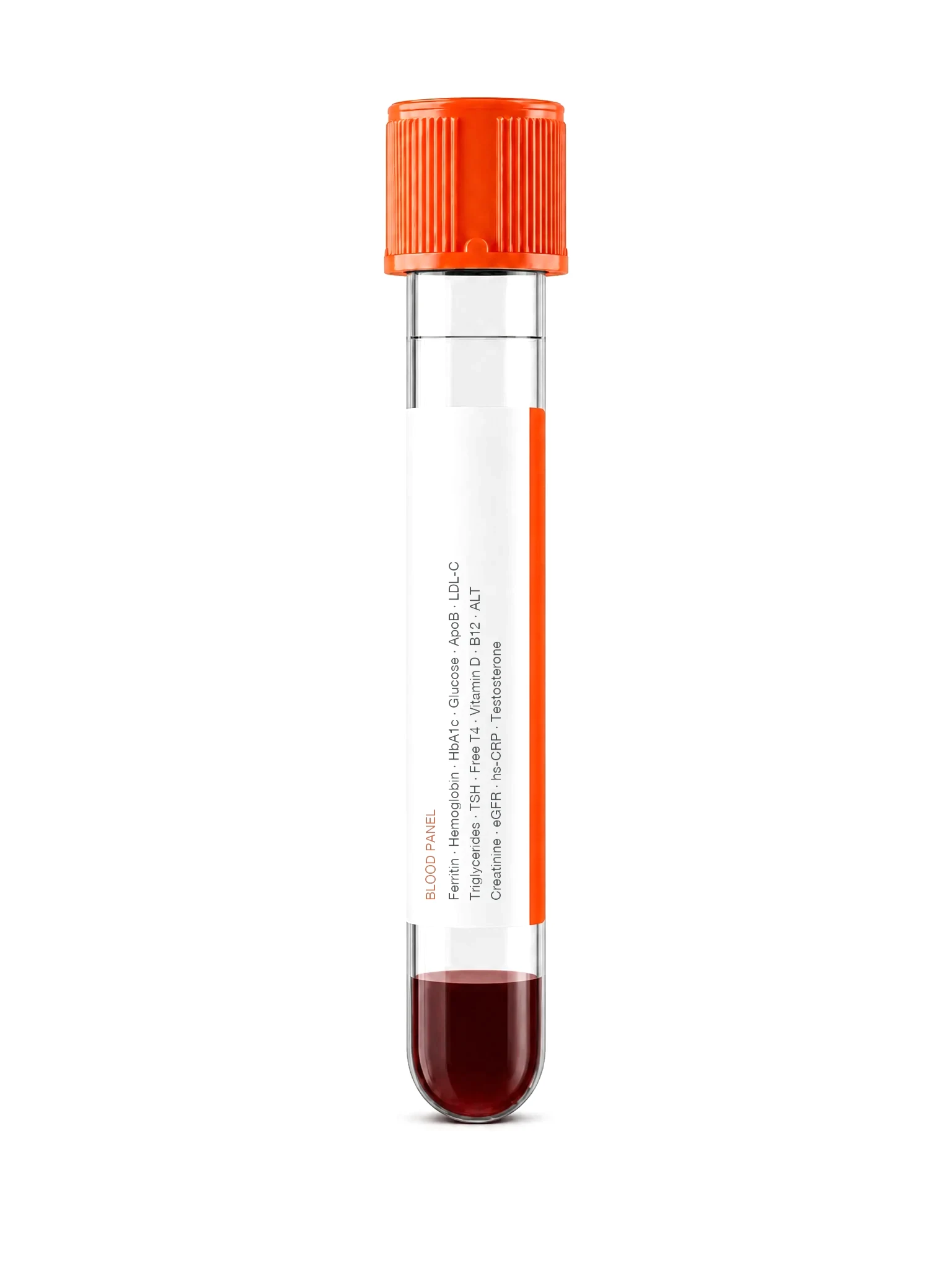
Stool tests answer the core question. A 72-hour fecal fat test measures how much fat is being lost. Fecal elastase rules the pancreas in or out 5. SeHCAT, serum 7alpha-C4 or 48-hour fecal bile acids look for bile acid diarrhea 4, and tTG-IgA screens for celiac disease. Blood tests show the long-run cost of poor fat absorption: 25-hydroxyvitamin D, vitamin A, vitamin E, and INR or prothrombin time as a readout of vitamin K. A liver panel (ALT, ALP, GGT, bilirubin) before any bile product shows whether the liver and ducts are working; our page on liver enzymes explains each line. An abnormal result is one to take to a clinician, and a low vitamin D links to vitamin D deficiency.
Markers to read beside ox bile
 CalculatorVitamin D converterVitamin D comes back in ng/mL or nmol/L depending on the lab; convert it before comparing results.Work it out Free, no accountRead your blood testGot a liver panel and vitamin levels back? Read every line of them, free.Read my results
When to see a doctor instead
When to get help now
Some symptoms that lead people to ox bile point to a blocked duct or a bowel problem that needs a diagnosis first.
- Yellow skin or yellow whites of the eyes
- Dark urine with pale or clay-colored stools
- Fever with pain under the right ribs
- Severe belly pain after fatty meals
- Weight loss without trying
- Diarrhea that wakes you at night
- Blood in the stool
- Oily or greasy stools lasting more than a few weeks
- Symptoms that began after gallbladder or bowel surgery and never settled
LifeFrom can't examine you or assess a symptom. If something feels seriously wrong, trust that and get care rather than waiting on a test.

Citations
- Little KH, Schiller LR, Bilhartz LE, Fordtran JS. Treatment of severe steatorrhea with ox bile in an ileectomy patient with residual colon. Dig Dis Sci. 1992;37:929-933.
- Gruy-Kapral C, Little KH, Fordtran JS, Meziere TL, Hagey LR, Hofmann AF. Conjugated bile acid replacement therapy for short-bowel syndrome. Gastroenterology. 1999;116:15-21.
- Fisher M, Spilias DC, Tong LK. Diarrhoea after laparoscopic cholecystectomy: incidence and main determinants. ANZ J Surg. 2008;78(6):482-486.
- Arasaradnam RP, et al. Guidelines for the investigation of chronic diarrhoea in adults: British Society of Gastroenterology, 3rd edition. Gut. 2018.
- Whitcomb DC, Buchner AM, Forsmark CE. AGA Clinical Practice Update on the Epidemiology, Evaluation, and Management of Exocrine Pancreatic Insufficiency. Gastroenterology. 2023.
- Hofmann AF, Eckmann L. How bile acids confer gut mucosal protection against bacteria. PNAS. 2006.
- Hofmann AF, Hagey LR, Krasowski MD. Bile salts of vertebrates: structural variation and possible evolutionary significance. J Lipid Res. 2010.
- Dawson PA, Karpen SJ. Intestinal transport and metabolism of bile acids. J Lipid Res. 2015.
Educational context only, not medical advice or a diagnosis. Always discuss your results with a clinician.