- 01What the ingredient list tells you
Two labels can list the same grams of soluble fiber. Psyllium husk forms a gel that holds water and can make hard stool easier to pass. Inulin feeds gut bacteria and may soften stool slightly while increasing gas. 29 The cholesterol trials tested psyllium. Check the ingredient, its amount and the form researchers used before applying a result to a product. 4
In adults with chronic constipation, psyllium husk can soften hard stool and ease straining. The husk forms a gel that holds water. 129 A gummy made with chicory root inulin can list the same grams of soluble fiber. Gut bacteria readily break down inulin, which can mean more gas. 29 Constipation with constant belly pain, vomiting, an inability to pass gas or blood in the stool needs medical attention right away. 7
What kind of fiber is in the bottle?
A fiber supplement concentrates ingredients that your digestive enzymes cannot break down in the small intestine. Some powders contain only the outer husk of a psyllium seed. Others combine several fibers. Their total weight tells you little about how much of each ingredient you are getting.
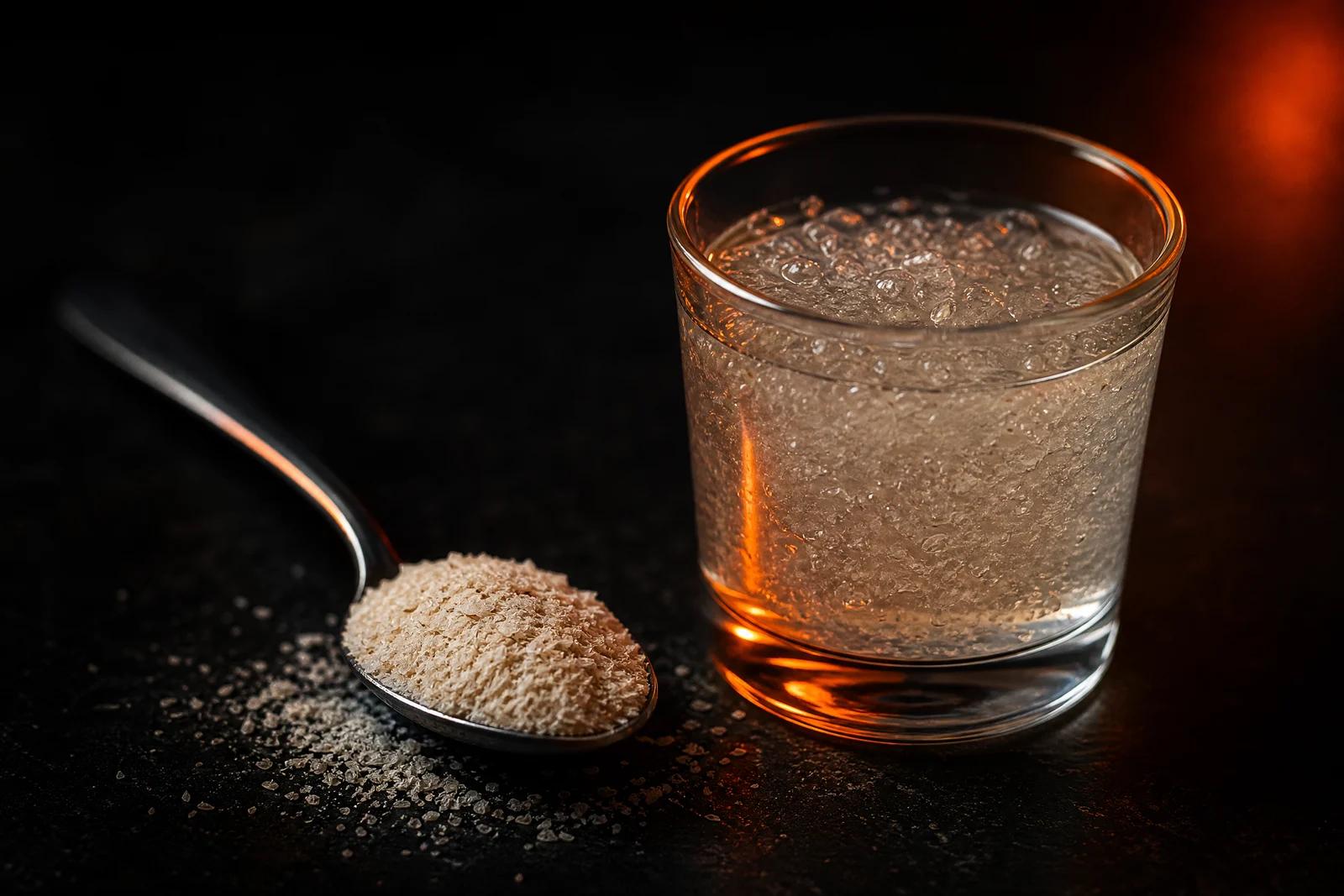
Soluble fiber dissolves or disperses in water. Some soluble fibers, including psyllium, also form a gel. You can see this when a psyllium drink thickens in the glass. Fermentation happens farther along in the gut, when bacteria in the colon break down fiber. Inulin mixes into a thinner drink and gives bacteria more to ferment. 69
| Fiber | What it does | Evidence in people |
|---|---|---|
| Psyllium husk | Holds water in a gel. The powder thickens as it sits. 6 | Adults with chronic constipation had softer, more frequent bowel movements and strained less. 2 |
| Inulin (often from chicory root) | Dissolves easily and feeds gut bacteria. 9 | Compared with placebo, inulin-type fibers softened stool slightly and made gas worse. There was no clear difference in how often people had a bowel movement. 2 |
| Methylcellulose | A soluble fiber made from plant cellulose. It holds water, and gut bacteria do little to break it down. 9 | For lasting constipation with no known cause, the US guideline found no methylcellulose studies that met its requirements. 1 |
| Wheat dextrin | A wheat-derived fiber found in powders that dissolve in drinks. 16 | The US guideline did not evaluate wheat dextrin for chronic idiopathic constipation. 1 |
| Coarse wheat bran | The grainy outer layer of the wheat kernel supplies mostly insoluble fiber and adds bulk to stool. | Evidence for chronic constipation was limited. In an irritable bowel syndrome trial, early dropout was highest with bran, often because symptoms got worse. 13 |
| Partially hydrolyzed guar gum | Processing breaks guar fiber into shorter pieces so it mixes more easily into food or drinks. | In a trial of 44 healthy adults prone to loose stools, stools became more formed with guar fiber than with placebo. Bowel movement frequency did not change. 10 |
Inulin is a prebiotic. LifeFrom’s prebiotics guide describes fibers that “feed specific bacteria already living in your colon.” A probiotic contains live microbes. If you are choosing between a chicory fiber gummy and a capsule that lists a bacterial strain, compare prebiotics and probiotics.
Psyllium husk and prebiotic fibers
Which fiber helps with constipation, irritable bowel syndrome or bloating?
Seek care right away if constipation comes with constant belly pain, vomiting, an inability to pass gas, rectal bleeding or blood in the stool. Fever, unexplained weight loss or lower back pain with constipation also warrant prompt medical assessment. 7 Hard pellets, long stretches between bowel movements and straining can occur separately. The British Dietetic Association found evidence that psyllium helped with all three. 2
The American Gastroenterological Association and the American College of Gastroenterology conditionally suggest fiber supplements for adults with chronic idiopathic constipation, meaning persistent constipation without a known cause. The panel rated the evidence as low certainty and singled out psyllium. It also considered how much fiber people already ate. If you regularly eat beans, whole grains, fruit and vegetables and still struggle to pass stool, tell your clinician what you have tried. 1
Irritable bowel syndrome (IBS) involves abdominal pain along with changes in bowel habits. In a Dutch primary care trial, researchers assigned 275 people with IBS to psyllium, bran or a rice flour placebo. They asked about relief from IBS pain or discomfort. In month one, 45 of 79 respondents in the psyllium group reported adequate relief, compared with 27 of 78 in the placebo group. 3
Do you pass more gas, feel swollen, or both? The British guideline found that inulin-type fibers made gas worse without a clear average change in bloating. 2 Track the symptom that interrupted your day. If you need help describing it, see the guides to bloating, constipation and IBS.
What happens to cholesterol or blood sugar?
Across 28 randomized trials involving 1,924 participants and lasting at least three weeks, LDL cholesterol averaged 0.33 mmol/L lower with psyllium than with a control, about 13 mg/dL. Non-HDL cholesterol, which includes LDL and cholesterol in several other particles, averaged 0.39 mmol/L lower. 4 One possible explanation involves bile acids, which help digest fat. The liver uses cholesterol to make them. In a small study of men with high cholesterol, those whose LDL fell most with psyllium made more bile acids. 13
If your report flags high cholesterol or your LDL or non-HDL level is above your target, review it with the clinician who ordered the test before changing treatment. Ask, “What LDL level should I aim for, where does psyllium fit in my plan, and when should we recheck it?” 11
Find these numbers on a lipid panel
In a short trial, 18 adults with type 2 diabetes tried psyllium and placebo on separate days. They took each before breakfast and dinner. The peak rise in blood sugar was 31% smaller after lunch on the psyllium day, even though participants took nothing extra at lunch. The breakfast and dinner differences were smaller and could have been due to chance. The study measured changes over hours. 5 A fasting glucose test measures blood sugar after going without food. The clinician who ordered the test can explain a flagged result and any follow-up. 12
Can fiber help me feel fuller or eat less?
In a study of 20 healthy adults, researchers varied the amount of mixed fiber in breakfast muffins. People reported similar fullness and ate similar amounts at lunch across the different breakfasts. The study followed people through lunch, so it cannot tell us whether a fiber supplement changes body weight over time. 14
How to compare a powder, a capsule and a gummy
Read the ingredient list, serving size and dietary fiber line together. A scoop’s weight includes everything in it, including any sugar or flavoring. If the label also gives soluble fiber, that amount is already part of total dietary fiber. On a gummy or capsule label, look for how many pieces make up one serving.
Two example labels with equal grams of dietary fiber
Capsules avoid the thick texture in the glass, but the husk still swells. The Target Fiber Laxative capsule label also warns about choking and specifies a full glass of liquid or more. 8 For a blend, look for amounts for the individual ingredients. A combined weight cannot tell you how much psyllium you get. Check whether researchers tested that finished formula. See the guide to supplement labels.
When is the best time to take psyllium husk?
The US constipation guideline gives no preferred time of day for psyllium. The Metamucil powder label focuses on liquid and spacing from other medicines. A pharmacist can help work out the timing if another medicine has its own restrictions. 16 The psyllium husk guide covers how the ingredient works.
Timing for Metamucil Therapy for Regularity powder
Seek medical care right away if constipation comes with constant belly pain, vomiting, inability to pass gas or blood in the stool. 7 For occasional constipation without those symptoms, the Metamucil Therapy for Regularity powder label gives a window of 12 to 72 hours for a bowel movement. Taking it at bedtime cannot reliably predict a bowel movement the next morning. 6 In chronic constipation studies, researchers assessed patterns over weeks. Trials lasting at least four weeks gave the clearest evidence for more frequent bowel movements. 2
What if fiber makes you feel worse?
Gas can increase when fiber intake changes quickly, especially with a readily fermented fiber such as inulin. A gradual change can make it easier to judge tolerance. A useful detail to share is what else changed the same week. A new gummy, a breakfast cereal with added chicory root and more beans at dinner all contribute fiber, even if only one came from the supplement aisle. 2
The Metamucil powder label calls for mixing the husk with at least a full glass of liquid and drinking it promptly because it thickens as it stands. People with a psyllium allergy should avoid it. The label directs anyone with abdominal pain, nausea, vomiting or a sudden change in bowel habits lasting two weeks to speak with a doctor before use. 6 Constipation with vomiting or constant belly pain needs medical attention right away. 7
What food can provide, and how to tell what helped
The World Health Organization recommends getting carbohydrates primarily from whole grains, vegetables, fruit and legumes. 15 Oatmeal with a pear brings together a whole grain and fruit. Lentil soup with carrots adds legumes and vegetables, plus protein from the lentils. A supplement lets you try one particular fiber while keeping meals the same. Changing one thing at a time makes a symptom diary easier to interpret.
| Example diary entry | Before one fiber change | After the change |
|---|---|---|
| Bowel movements | Three in a week | Three in a week |
| Stool texture | Hard, separate pellets | Soft, formed stool |
| Straining | On all three trips | On one trip |
| Gas | Rarely bothersome | Bothersome after dinner twice |
In this example, the person still had three bowel movements a week but strained only once. They also noticed more gas after dinner. Both observations help judge whether the change was worthwhile. For help reading bacterial percentages on a stool report, see the microbiome guide. The gut and digestion library covers individual symptoms.
If you already track cholesterol, keep the dated LDL result and its unit alongside any changes in food, fiber products or medicines between tests. When several things change, two reports alone cannot tell you how much of the difference came from psyllium.
Free, no accountRead your blood testFind LDL and non-HDL cholesterol on your lipid report. Review above-target results with the clinician who ordered the test.Read my results
Citations
- Chang L, et al. American Gastroenterological Association-American College of Gastroenterology Clinical Practice Guideline: Pharmacological Management of Chronic Idiopathic Constipation. Gastroenterology. 2023.
- Dimidi E, et al. British Dietetic Association Guidelines for the Dietary Management of Chronic Constipation in Adults. Neurogastroenterology & Motility. 2025.
- Bijkerk CJ, et al. Soluble or insoluble fibre in irritable bowel syndrome in primary care? Randomised placebo controlled trial. BMJ. 2009.
- Jovanovski E, et al. Effect of psyllium (Plantago ovata) fiber on LDL cholesterol and alternative lipid targets, non-HDL cholesterol and apolipoprotein B: a systematic review and meta-analysis of randomized controlled trials. American Journal of Clinical Nutrition. 2018.
- Pastors JG, et al. Psyllium fiber reduces rise in postprandial glucose and insulin concentrations in patients with non-insulin-dependent diabetes. American Journal of Clinical Nutrition. 1991.
- The Procter & Gamble Manufacturing Company. METAMUCIL THERAPY FOR REGULARITY- psyllium husk powder. DailyMed, US National Library of Medicine.
- National Institute of Diabetes and Digestive and Kidney Diseases. Symptoms & Causes of Constipation.
- TARGET FIBER LAXATIVE- psyllium husk capsule. DailyMed, US National Library of Medicine.
- Dellschaft N, et al. Clinical Trial: Randomised Placebo-Controlled Trial of Methylcellulose and Psyllium Gels on Inulin-Induced Colonic Gas. Alimentary Pharmacology & Therapeutics. 2026.
- Yasukawa Z, et al. Effect of Repeated Consumption of Partially Hydrolyzed Guar Gum on Fecal Characteristics and Gut Microbiota: A Randomized, Double-Blind, Placebo-Controlled, and Parallel-Group Clinical Trial. Nutrients. 2019.
- MedlinePlus. Cholesterol Levels. US National Library of Medicine.
- MedlinePlus. Blood Glucose Test. US National Library of Medicine.
- Everson GT, et al. Effects of psyllium hydrophilic mucilloid on LDL-cholesterol and bile acid synthesis in hypercholesterolemic men. Journal of Lipid Research. 1992.
- Willis HJ, et al. Increasing doses of fiber do not influence short-term satiety or food intake and are inconsistently linked to gut hormone levels. Food & Nutrition Research. 2010.
- World Health Organization. Carbohydrate intake for adults and children: WHO guideline. 2023.
- Benefiber. Benefiber Original Powder Fiber Supplement.
Educational context only, not medical advice or a diagnosis. Always discuss your results with a clinician.