- 01A diagnosis, or a hope
Every liver supplement with real evidence was tested in people with a named liver problem: vitamin E in adults with biopsy-proven MASH, NAC in acetaminophen overdose, berberine in fatty liver with insulin resistance. None has been shown to improve a liver that is already healthy. So the useful question about any liver product is who it was tested in and whether you are that person, and for most people buying a 'liver support' bottle the answer is no.
If your ALT (the liver enzyme most blood tests report) came back high, or a scan mentioned fatty liver, the first step is a doctor's check of the cause; after that, the evidence points to weight, alcohol, blood sugar and coffee long before it points to a capsule. A handful of supplements have trial data in specific liver conditions, most 'liver support' products have none, and a few best sellers can injure the liver they are sold to protect 3. For any liver supplement, the question that matters is who it was tested in, and whether you are that person.
The best liver supplements, ranked by evidence
Two names come up throughout. MASLD (metabolic dysfunction-associated steatotic liver disease) is the current name for fatty liver, and MASH is the form with inflammation and liver cell damage. A biopsy is a small tissue sample taken from the liver, and it is the most reliable way to see whether a treatment changed the liver itself, because ALT can fall while the tissue stays the same. The table sorts each supplement by the quality of human trial evidence on a liver outcome, strongest first, and says who it was tested in.
| Supplement | What the evidence shows | Quality of evidence | Who should avoid it |
|---|---|---|---|
| Vitamin E | Improved MASH on biopsy in adults without diabetes (43% vs 19%) over 96 weeks 1 | Good, one large trial, narrow group | People on warfarin or other blood thinners, men at raised prostate cancer risk, anyone without a confirmed MASH diagnosis |
| NAC | Hospital antidote for acetaminophen overdose; weak data for chronic liver disease | Strong for overdose, weak otherwise | People with asthma (can trigger airway narrowing), people taking nitroglycerin |
| Choline | Low intake causes fatty liver in many adults 10; extra choline above a normal intake has no shown benefit | Strong for deficiency only | No need if your diet is adequate; high doses (above the 3.5 g a day upper limit) can cause fishy body odor, low blood pressure and stomach upset |
| Omega-3 | Lowers triglycerides and some liver fat; no effect on inflammation or scarring on biopsy | Moderate, mostly null on the liver | People on blood thinners; people with atrial fibrillation (higher doses raise the risk) |
| Milk thistle | No better than placebo on ALT in a 154-person trial 5; the AASLD guidance does not recommend it as a MASH treatment 2 | Moderate, mostly null | People allergic to ragweed, daisies or marigolds |
| Berberine | Lowered liver fat more than lifestyle change alone in a 16-week trial 11 | Early, small trials | Pregnancy and breastfeeding; people on diabetes drugs, cyclosporine or other drugs broken down by the liver enzyme CYP3A4 |
| Artichoke leaf | Small trials report lower ALT in fatty liver | Weak | People with gallstones or blocked bile ducts, or allergy to daisy-family plants |
| Coffee (a drink) | Each extra 2 cups a day linked to about 44% lower cirrhosis risk 6 | Observational, consistent | People with arrhythmia, poor sleep or uncontrolled blood pressure |
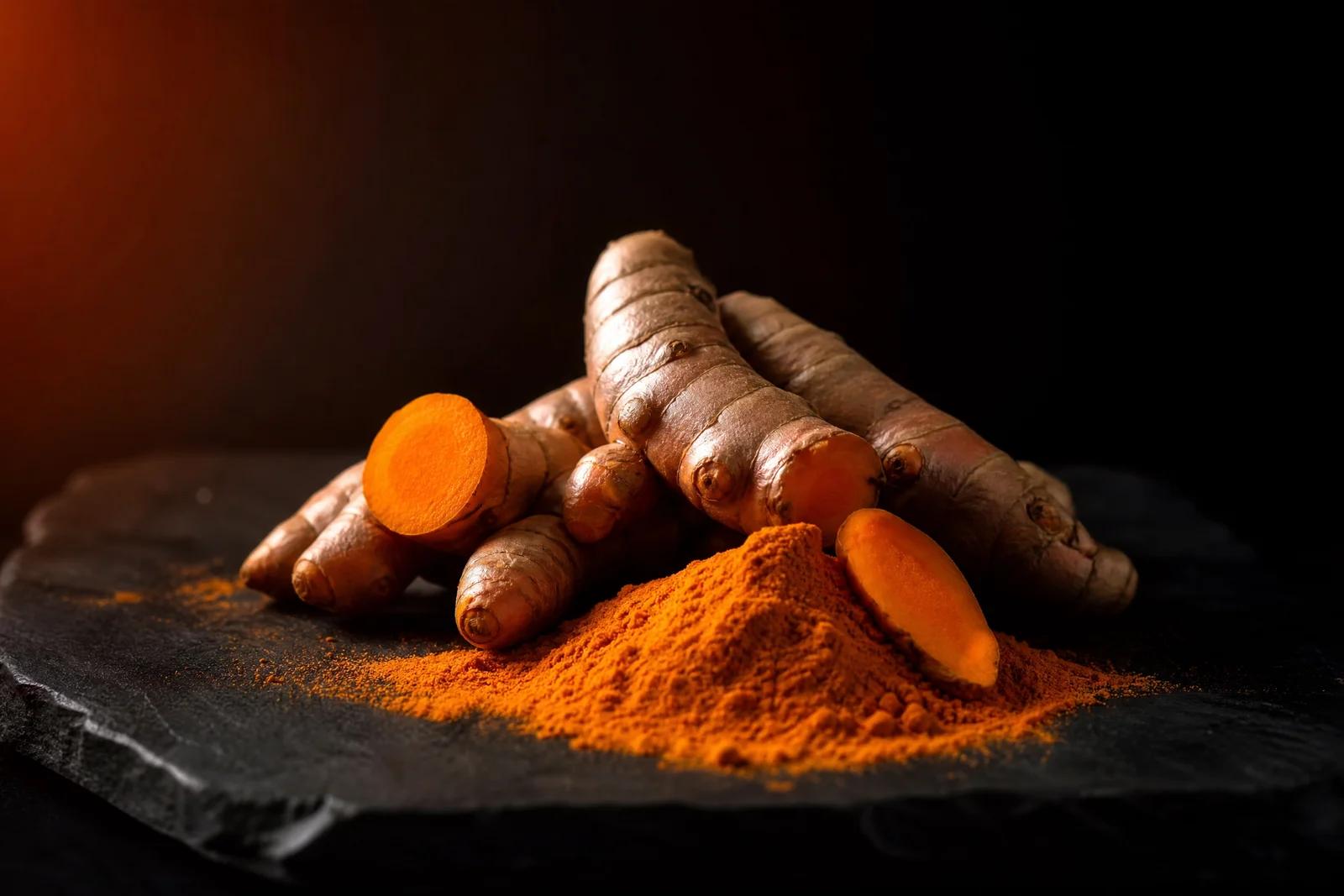
| Turmeric | Small trials report lower ALT; also a growing source of supplement liver injury reports in the US | Weak benefit, real safety signal | Anyone with liver disease or gallstones, people on blood thinners; avoid products with black pepper extract |
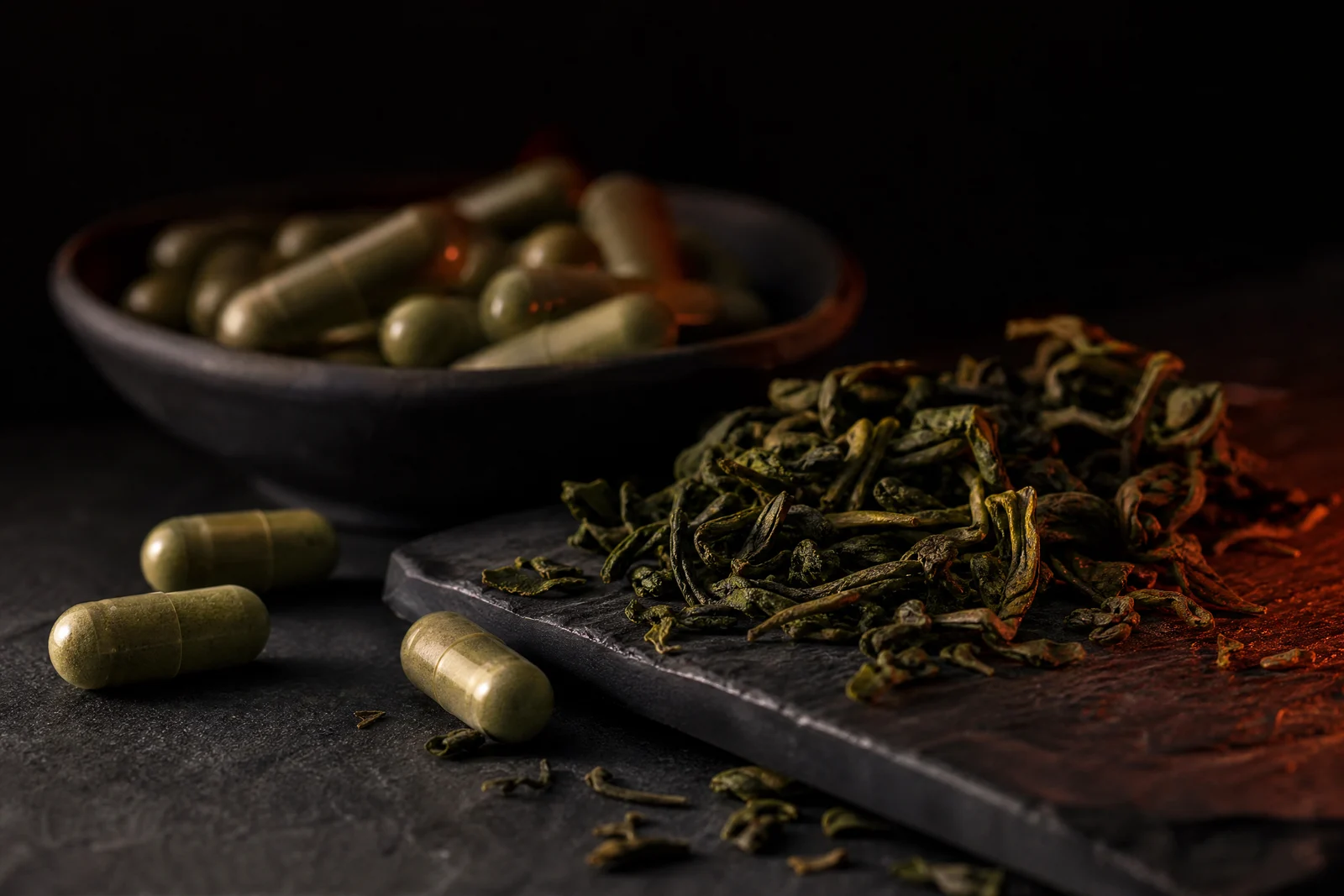
| Green tea extract | No shown liver benefit; 800 mg a day or more of EGCG (the main active compound in green tea) raises liver enzymes 9 | Safety signal | Anyone with liver disease; avoid on an empty stomach |
| Dandelion and 'detox' blends | No trials showing better liver tests in healthy people | None | No shown benefit to weigh against the risk; multi-ingredient blends are a leading cause of supplement liver injury 3 |
The ones worth knowing about
Vitamin E: a real effect in a narrow group
Vitamin E is the only supplement the American Association for the Study of Liver Diseases (AASLD) names for fatty liver. In the PIVENS trial, 247 adults without diabetes and with biopsy-proven MASH took 800 IU (international units, the label unit) of vitamin E a day, the diabetes drug pioglitazone, or a placebo (a dummy pill) for 96 weeks. Liver tissue improved in 43% on vitamin E against 19% on placebo 1. The 2023 AASLD guidance says vitamin E can be considered for selected people with MASH, and recommends no other supplement as a MASH treatment 2.
High-dose vitamin E has costs. A meta-analysis of 19 trials linked 400 IU a day or more to a small rise in deaths 7, and the SELECT trial found 17% more prostate cancer in men taking 400 IU a day 8. Vitamin E also thins the blood, which matters for anyone on warfarin or similar drugs. Whether it is worth taking is a decision to make with a liver specialist, after a biopsy or an equivalent scarring test, rather than a self-chosen addition to a stack.
NAC: proven for acetaminophen overdose
NAC (N-acetylcysteine) restores glutathione, the molecule the liver uses to neutralize the toxic by-product of acetaminophen. In hospital it is the standard treatment for acetaminophen overdose, given by drip in a weight-based course, and it works best started within 8 to 10 hours. Small trials in fatty liver have mostly used 600 to 1,200 mg a day by mouth, and evidence for taking NAC every day to protect a healthy liver is thin. Studied doses and side effects are on the NAC page, and NAC vs glutathione compares the two forms.
Milk thistle: well tolerated, and unproven
Milk thistle (silymarin) is the best-selling liver herb in the US and the most tested. In the largest trial, 154 people with chronic hepatitis C took silymarin at well above the usual label dose or placebo for 24 weeks, and ALT fell no more on silymarin than on placebo 5. A Cochrane review (an independent group that pools all the good-quality trials on a question) of milk thistle in alcohol-related and viral liver disease found no effect on deaths, liver complications or liver tissue in the higher-quality trials, and the 2023 AASLD guidance does not recommend it as a MASH treatment 2. Side effects are uncommon, mostly mild stomach upset, plus allergy in people sensitive to ragweed. Forms and timing are on the milk thistle page.
Higher than customary doses of silymarin did not significantly reduce serum ALT levels more than placebo in participants with chronic HCV infection unsuccessfully treated with interferon-based therapy.Fried MW et al., JAMA 2012 (SyNCH trial) 5
Berberine: promising where insulin resistance drives the fat
Berberine, a plant compound from goldenseal and barberry, lowers blood sugar and triglycerides. In a 16-week randomized trial in people with fatty liver, berberine plus lifestyle change reduced liver fat more than lifestyle change alone, and body weight and insulin resistance improved with it 11. The trials are small and mostly from China. Berberine slows the breakdown of many prescription drugs through the liver enzyme CYP3A4, adds to the effect of diabetes drugs, and is unsafe in pregnancy. The berberine page lists the interactions.
Omega-3 and choline: helpful for the right reason
Omega-3 fish oil lowers triglycerides and, in some trials, liver fat by a modest amount, but it did not reduce inflammation or scarring on biopsy. It can still make sense for someone with high triglycerides; see the omega-3 page. Choline matters in the opposite direction: in a controlled feeding study, most men and postmenopausal women on a low-choline diet developed fatty liver or muscle damage within weeks, reversed when choline came back 10. Eggs, meat, fish and soy supply most of it, so a supplement only helps someone whose diet falls short; the choline page helps you judge that.
Do liver detox and cleanse supplements work?
No liver detox or cleanse product has been shown in a trial to improve liver tests in healthy people. The liver clears toxins in two stages: enzymes first make a substance easier to handle (phase I), then attach it to a carrier such as glutathione so the body can excrete it in bile or urine (phase II). A healthy liver runs both stages continuously, and no supplement has been shown to speed them up. The FDA does not review supplements for safety or effectiveness before they are sold, so a 'cleanse' label promises nothing.
A typical cleanse blend combines milk thistle, dandelion root, artichoke, turmeric, beetroot and sometimes green tea extract, each at a dose too low to match any trial. Blends carry the risks of every ingredient and make it impossible to tell which one caused a problem. In the US registry of drug-induced liver injury, multi-ingredient supplements were one of the two largest groups of supplement cases 3.
Supplements that can harm your liver
The US Drug-Induced Liver Injury Network (DILIN) tracks cases of liver damage caused by medicines and supplements. Its records show supplements rising sharply as a share of cases over a decade, led by bodybuilding products and multi-ingredient blends 3. The products that turn up most often are:
- Green tea extract: the European Food Safety Authority concluded in 2018 that 800 mg a day or more of EGCG from supplements raises liver enzymes 9. Brewed tea has not shown the same problem.
- Turmeric and curcumin: a growing share of herbal liver injury reports to DILIN in recent years, with many cases involving products that add black pepper extract (piperine) to increase absorption.
- Ashwagandha: a growing number of liver injury reports, usually within the first few months of use; see the ashwagandha page.
- Anabolic steroids and bodybuilding products: the single largest group of supplement-related liver injury in DILIN 3.
- High-dose vitamin A, including from concentrated organ products.
- High-dose niacin, especially slow-release forms, and kava.
Read before you take these
Dark urine, yellowing of the eyes or skin, itching all over, pale stools or pain under the right ribs while taking a supplement can mean liver injury. Stop the product and see a doctor promptly for a liver panel, and bring the bottle, because the label tells them exactly what you took.
People who already have cirrhosis or chronic hepatitis B or C are the most exposed to this kind of injury, because a damaged liver has less reserve. No supplement has been shown to slow cirrhosis, so any product is worth checking with the liver specialist before starting it.
What helps the liver more than any supplement
Weight loss is one of the best-tested liver treatments there is. In a study of 293 adults with biopsy-proven MASH who followed a year of diet and exercise, MASH resolved in 25% of the whole group, in 58% of those who lost 5% or more of their weight, and in 90% of those who lost 10% or more, with fibrosis (scarring) regressing in 45% of that last group 4.
Fat builds up in the liver mostly because of insulin resistance, where the body needs more insulin to keep blood sugar normal, so anything that improves insulin resistance tends to help the liver too. A fasting glucose and fasting insulin from the same blood draw give you a HOMA-IR score; insulin resistance explains what it means, and it often travels with metabolic syndrome.
 CalculatorHOMA-IR calculatorFatty liver usually starts with insulin resistance. Enter fasting glucose and insulin from one blood draw to see where you sit.Work it out
Alcohol is the other big lever: cutting back lowers GGT (a liver enzyme that rises with drinking) and ALT in most drinkers within weeks. Coffee is the one drink with consistent evidence in its favor, with each extra two cups a day linked to about 44% lower risk of cirrhosis across observational studies 6, though that is an association rather than proof that coffee is the cause. Hepatitis B and C cause liver damage that no supplement touches; US adults are advised to be tested for hepatitis C at least once, and hepatitis B vaccination prevents infection. The tests used are covered in viral serology explained.
For adults diagnosed with MASH and moderate to advanced scarring but not cirrhosis, the FDA approved resmetirom (Rezdiffra) in March 2024 and semaglutide (Wegovy) for this use in August 2025, each alongside diet and exercise. Both are prescribed after testing for fibrosis, and both have stronger trial evidence than any supplement on this page. Whether either is right for a given person is a decision for their doctor.
If you have fatty liver (MASLD)
In 2023 the international liver societies renamed non-alcoholic fatty liver disease (NAFLD) as MASLD, and NASH as MASH, to name the cause rather than what it is not. MASLD affects roughly a third of adults worldwide. The AASLD guidance on supplements for it is short: vitamin E can be considered for selected people with MASH, and no other supplement, milk thistle included, is recommended as a treatment 2. What to do about fatty liver, from the scan report to the scarring tests, is on the fatty liver page.
Which blood tests show whether a supplement is working
A liver panel shows whether a supplement is helping, doing nothing, or doing harm. ALT is the enzyme most specific to liver cells; AST and GGT add detail, and the AST/ALT ratio hints at whether alcohol or fatty liver is the cause. ALP and bilirubin point to the bile ducts, and albumin shows how well the liver is making protein. Each line is covered in liver enzymes explained. Triglycerides and fasting insulin cover the metabolic side that drives fatty liver.
Read these beside your liver panel
- 1Take a baselineGet a liver panel (ALT, AST, GGT, ALP, bilirubin, albumin) before starting anything, ideally with triglycerides and fasting insulin.
- 2Change one thingMake one change at a time, and tell your doctor before starting or stopping anything. Do not stop a prescribed medicine to test a supplement. Two changes at once make the result unreadable.
- 3Recheck at 8 to 12 weeksALT takes weeks to settle after a change. Retest at the same lab, at the same time of day, without hard exercise the day before; see how to prepare for a blood test.
- 4Look for a real changeALT can vary noticeably between tests for no clear reason. A small drop is noise; a value that crosses back into the normal range, or a trend across two or three tests, is a result. Trends beat single readings shows how to read a series.
Beef liver supplements are a different thing
Desiccated beef liver capsules are organ meat in capsule form, a concentrated source of vitamin A, vitamin B12, iron and copper, and have no tested effect on your own liver. Their vitamin A content is a reason for care: preformed vitamin A in large amounts over time is one of the nutrients that can damage the liver. The beef liver page covers what is in them and who they suit.
Citations
- Sanyal AJ, Chalasani N, Kowdley KV, et al. Pioglitazone, vitamin E, or placebo for nonalcoholic steatohepatitis. N Engl J Med, 2010;362:1675-85.
- Rinella ME, Neuschwander-Tetri BA, Siddiqui MS, et al. AASLD Practice Guidance on the clinical assessment and management of nonalcoholic fatty liver disease. Hepatology, 2023.
- Navarro VJ, Barnhart H, Bonkovsky HL, et al. Liver injury from herbals and dietary supplements in the U.S. Drug-Induced Liver Injury Network. Hepatology, 2014;60:1399-1408.
- Vilar-Gomez E, Martinez-Perez Y, Calzadilla-Bertot L, et al. Weight loss through lifestyle modification significantly reduces features of nonalcoholic steatohepatitis. Gastroenterology, 2015;149:367-78.
- Fried MW, Navarro VJ, Afdhal N, et al. Effect of silymarin (milk thistle) on liver disease in patients with chronic hepatitis C unsuccessfully treated with interferon therapy: a randomized controlled trial. JAMA, 2012;308:274-82.
- Kennedy OJ, Roderick P, Buchanan R, Fallowfield JA, Hayes PC, Parkes J. Systematic review with meta-analysis: coffee consumption and the risk of cirrhosis. Aliment Pharmacol Ther, 2016;43:562-74.
- Miller ER, Pastor-Barriuso R, Dalal D, et al. Meta-analysis: high-dosage vitamin E supplementation may increase all-cause mortality. Ann Intern Med, 2005;142:37-46.
- Klein EA, Thompson IM, Tangen CM, et al. Vitamin E and the risk of prostate cancer: the Selenium and Vitamin E Cancer Prevention Trial (SELECT). JAMA, 2011;306:1549-56.
- EFSA Panel on Food Additives and Nutrient Sources added to Food (ANS). Scientific opinion on the safety of green tea catechins. EFSA Journal, 2018;16(4):5239.
- Fischer LM, daCosta KA, Kwock L, et al. Sex and menopausal status influence human dietary requirements for the nutrient choline. Am J Clin Nutr, 2007;85:1275-85.
- Yan HM, Xia MF, Wang Y, et al. Efficacy of berberine in patients with non-alcoholic fatty liver disease. PLoS One, 2015;10:e0134172.
Educational context only, not medical advice or a diagnosis. Always discuss your results with a clinician.