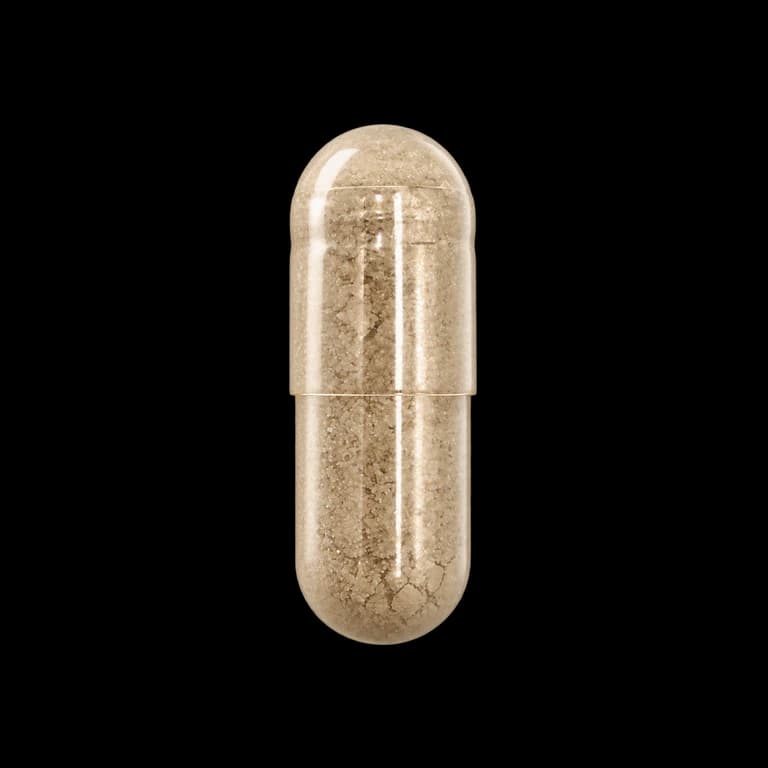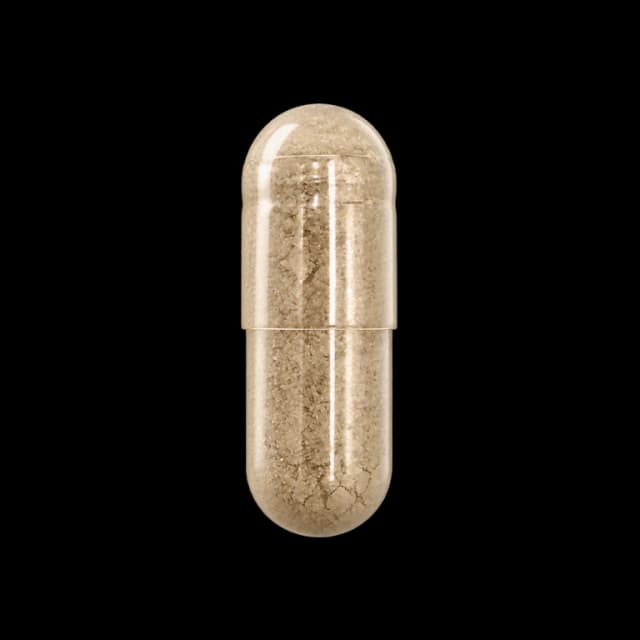
Glutathione is the antioxidant your cells make for themselves, and NAC (N-acetylcysteine) is a supplement that hands them cysteine, the building block they most often run short of. Swallowed glutathione is largely broken down before it reaches the blood, though long daily use raised blood levels in one trial. NAC has the longer medical record, and it helps most when glutathione has been used up.
What is the difference between NAC and glutathione?
Glutathione is a tripeptide, a small chain of three amino acids (glutamate, cysteine and glycine), that cells build from scratch and use to neutralise reactive molecules and to package some drugs and toxins for removal. The liver holds a large share of the body's glutathione. Of the three ingredients, cysteine is usually the limiting one, so the supply of cysteine sets how fast a cell can make more glutathione. 5
NAC is cysteine with an acetyl group attached, which makes it more stable to store and swallow. Once absorbed, the body strips off the acetyl group and the cysteine goes into glutathione production. Taking glutathione tries to deliver the finished molecule; taking NAC delivers the scarce raw material and lets the cell do the assembly. 5
NAC (N-acetylcysteine) is a modified form of the amino acid cysteine that the body uses to make glutathione, a main antioxidant inside cells.
NAC and glutathione side by side
Does oral glutathione get absorbed?
Oral glutathione has a digestion problem. In a 1992 study, seven healthy volunteers swallowed about 3 g of glutathione and their blood glutathione did not rise over the next four and a half hours. The authors traced this to gamma-glutamyl transferase (GGT), an enzyme in the gut and liver that splits glutathione into its amino acids. 1 GGT is the same enzyme measured on a liver panel; the GGT marker page explains what a high reading means.
A 2011 trial at Bastyr University gave 40 healthy adults 500 mg of glutathione twice a day or a placebo for four weeks. Oxidative stress markers in urine did not change, and neither did glutathione measured in red blood cells. 2
A longer trial came out differently. Richie and colleagues at Penn State gave 54 non-smoking adults 250 mg or 1,000 mg of glutathione a day, or a placebo, for six months. Blood glutathione rose at both doses, and at 1,000 mg it rose 30 to 35% in red blood cells, plasma and lymphocytes. Levels fell back to baseline within a month of stopping. 3
Liposomal glutathione, glutathione wrapped in tiny fat bubbles, is sold as a way around gut breakdown. The main human study is a one-month pilot in 12 healthy adults, in which whole-blood glutathione rose by up to 40% after two weeks. The authors called the findings preliminary, and with 12 people that is the fair word. 4
How does NAC raise glutathione?
NAC raises glutathione by supplying cysteine, and that matters most when a cell has burned through its stores. The clearest example is acetaminophen overdose. A large dose of acetaminophen produces a toxic breakdown product that the liver neutralises with glutathione; once glutathione runs out, liver cells are damaged. NAC refills the cysteine supply so the liver can keep making glutathione, and given early it prevents most of the injury. 6
Outside that setting the picture is less clear. A 2014 review of NAC's uses in Pharmacology and Therapeutics looked at why trials of NAC as a general antioxidant keep producing conflicting results, and concluded that the effect depends on whether glutathione was low to begin with:
NAC should not be considered to be a powerful antioxidant in its own right: its strength is the targeted replenishment of GSH in deficient cells and it is likely to be ineffective in cells replete in GSH.Rushworth GF, Megson IL. Pharmacology and Therapeutics, 2014 5
For a healthy person with normal glutathione, that suggests NAC has little to add. The groups where depletion is more plausible include older adults, people with some chronic illnesses and people exposed to drugs that use up glutathione. In a 16-week trial at Baylor College of Medicine, 24 older adults took either glycine plus NAC (a combination called GlyNAC) or a placebo; the GlyNAC group's glutathione deficiency and oxidative stress markers improved. 7 That trial was small, tested two ingredients together, and does not tell you what NAC alone would do.
When the evidence on NAC and glutathione disagrees
The studies on these two supplements point in different directions often enough that it helps to know the common splits and what each one means.
- Short trials of oral glutathione found nothing, and a long trial found a rise. A four-week trial at 1,000 mg a day showed no change in glutathione 2, while a six-month trial at the same daily amount did 3. Duration and the tissue measured both matter, so a short null result does not settle the question.
- Blood glutathione went up but health outcomes were not measured. The six-month trial showed higher glutathione stores and some immune changes 3, but no trial cited here showed fewer illnesses, better liver tests or longer life from either supplement in healthy people.
- NAC has the stronger medical record, in a narrow situation. Its proven use is a depleted liver after acetaminophen overdose 6. Extending that to everyday "detox" assumes your glutathione is low, which a review of NAC trials found is often the missing piece. 5
- The label says liver support, the liver panel says something else. None of the trials above tested whether either supplement brings a raised ALT or GGT back into range.
Does either one show up on a blood test?
No routine blood test measures glutathione or NAC. Glutathione levels in blood, red cells or immune cells are measured in research studies, and the methods differ enough that numbers from one lab cannot be compared with another. A standard liver panel reports ALT, AST and GGT, which reflect liver cell injury and bile flow, not how much glutathione your liver holds.
That gap matters for anyone trying to judge whether a supplement is working. Without a glutathione test, a change in how you feel is the only signal most people have, and it is an unreliable one. If a clinician is tracking your liver, the liver panel they order is the measure to follow, and it is worth telling them about any supplement you add so a change in the numbers is read in context.
Which one to ask about
If you are weighing the two, NAC is the better-studied option and the one with an accepted medical use, and oral glutathione has one six-month trial behind its absorption. For most healthy people the evidence does not show a benefit from either, so the conversation with a clinician or pharmacist is about whether there is a reason to suspect low glutathione in the first place.
- 1Is there a reason my glutathione would be low?Ask whether your age, a health condition or a medicine you take makes depletion likely. If not, the evidence suggests NAC adds little. 5
- 2Does NAC interact with anything I take?The NAC page lists the main ones, including nitroglycerin and other nitrates, and cautions for asthma and stomach ulcers.
- 3Should my liver enzymes be checked first?If you are buying either supplement for your liver, a liver panel tells you whether there is a problem to find the cause of.
- 4How would we know if it is working?Agree in advance what you will look at, because no routine lab measures glutathione.
Safety notes for both
In the glutathione trials above, healthy adults took up to 1,000 mg a day for up to six months without serious side effects reported. 23 Those trials enrolled healthy, non-pregnant adults, so they say nothing about pregnancy, liver disease or kidney disease. NAC's common side effects are nausea and stomach upset; the NAC guide covers its interactions and who should check with a clinician first.
Both are sold as dietary supplements, which the FDA does not approve for safety or effectiveness before sale. NAC is also an approved drug in hospital and inhaled forms, which is why its medical uses are well described while its everyday supplement uses are not.
The plain takeaway: NAC gives your cells the part they usually run short of, and it earns its keep when glutathione is depleted. Oral glutathione can raise blood levels with months of daily use. Neither is a fix for an abnormal liver test, and that result deserves its own workup.

Questions
Is NAC better than glutathione?
NAC has more research and an accepted medical use as the hospital antidote for acetaminophen overdose, where it refills glutathione in the liver. Oral glutathione has one six-month trial showing it raises blood levels. For healthy people, neither has been shown to improve health outcomes, so better depends on whether there is a reason to think your glutathione is low.
Does oral glutathione get absorbed?
Partly, with time. A single 3 g dose did not raise blood glutathione because gut and liver enzymes break it down, and a four-week trial found no change. A six-month trial of 1,000 mg a day raised blood glutathione by 30 to 35%, and levels returned to baseline a month after stopping.
Can you take NAC and glutathione together?
Some people do, but no trial cited here tested the combination, so there is no evidence it adds anything over either alone. If you are considering it, ask a pharmacist about interactions with your medicines, especially nitrates such as nitroglycerin.
Will NAC or glutathione lower my liver enzymes?
No trial cited here showed that either supplement brings a raised ALT or GGT back into range. A high liver enzyme needs its cause found, such as fatty liver, alcohol, a medicine or hepatitis, and that is a conversation with a clinician.
Is liposomal glutathione better absorbed?
It may be, but the evidence is thin. The main study is a one-month pilot in 12 healthy adults that found blood glutathione rose by up to 40%; the authors called the results preliminary.
Can I test my glutathione level?
Not on a routine blood panel. Glutathione is measured in research labs, and results vary by method. A standard liver panel measures enzymes such as ALT and GGT, which do not tell you how much glutathione you have.
Citations
- Witschi A, Reddy S, Stofer B, Lauterburg BH. The systemic availability of oral glutathione. Eur J Clin Pharmacol. 1992;43(6):667-669.
- Allen J, Bradley RD. Effects of oral glutathione supplementation on systemic oxidative stress biomarkers in human volunteers. J Altern Complement Med. 2011;17(9):827-833.
- Richie JP Jr, Nichenametla S, Neidig W, et al. Randomized controlled trial of oral glutathione supplementation on body stores of glutathione. Eur J Nutr. 2015;54(2):251-263.
- Sinha R, Sinha I, Calcagnotto A, et al. Oral supplementation with liposomal glutathione elevates body stores of glutathione and markers of immune function. Eur J Clin Nutr. 2018;72(1):105-111.
- Rushworth GF, Megson IL. Existing and potential therapeutic uses for N-acetylcysteine: the need for conversion to intracellular glutathione for antioxidant benefits. Pharmacol Ther. 2014;141(2):150-159.
- Heard KJ. Acetylcysteine for acetaminophen poisoning. N Engl J Med. 2008;359(3):285-292.
- Kumar P, Liu C, Suliburk J, et al. Supplementing glycine and N-acetylcysteine (GlyNAC) in older adults improves glutathione deficiency, oxidative stress, mitochondrial dysfunction, inflammation, physical function, and aging hallmarks: a randomized clinical trial. J Gerontol A Biol Sci Med Sci. 2023;78(1):75-89.
Educational context only, not medical advice or a diagnosis. Always discuss your results with a clinician.