SupplementsSpecialtyPiperine
Piperine
from black pepper
The compound that makes black pepper bite, taken less for itself than for what it does to everything else you swallow.
- Builds up
- Same day
- In your body
- No clean number
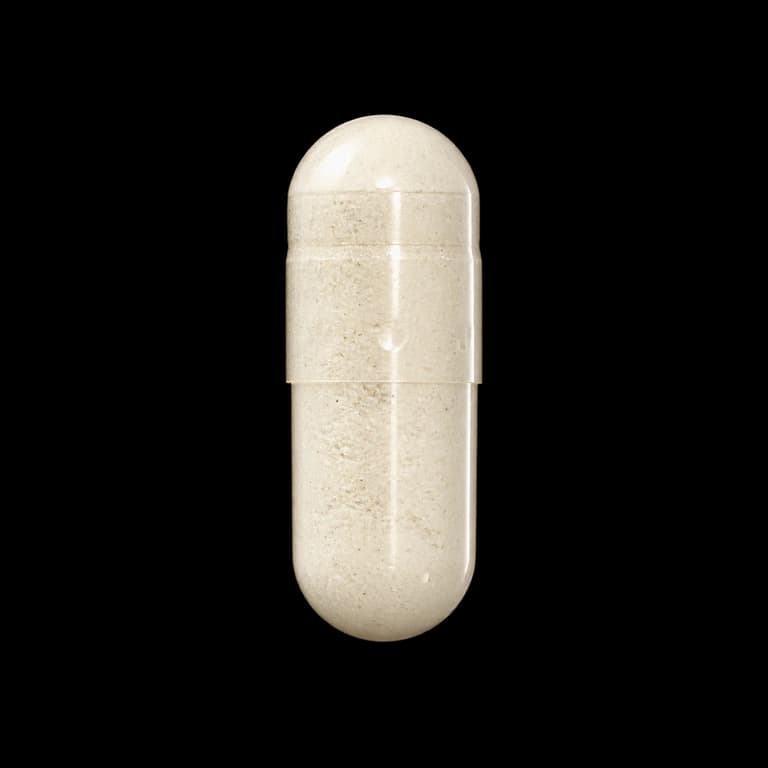
- Per 1 capsule
- 40 mg
- 30-day supply
- $5.70One capsule a day, plus packing and delivery
What is piperine?
Piperine is the natural compound that gives black pepper its sharp bite. Pepper is about 2% to 7% piperine, depending on the plant, so a 40 mg capsule matches what's in roughly half a gram to 2 grams of pepper.
It's famous as a helper. Your gut and liver normally break down many compounds before they get far. Piperine slows that down, so more of whatever you took with it reaches your blood, and it stays longer.
Ours holds piperine and nothing else active, which is different from our Turmeric capsule, where a smaller amount of black pepper extract is already built in.
What it does
- AbsorptionHelps your body absorb certain compounds, like curcumin.
- DigestionMay support digestive enzymes, mostly based on animal research.
- AntioxidantShows antioxidant activity in lab research.
These statements have not been evaluated by the FDA. This product is not intended to diagnose, treat, cure or prevent any disease.
What people take it for
 Some evidenceHelping curcumin absorbThe classic use. In one well-known study, 20 mg raised curcumin in the blood about 20 times.
 Early daysHelping CoQ10 absorbA study found about 30% more CoQ10 in the blood after 3 weeks, using just 5 mg of piperine.
 Early daysDigestionReviews describe more active digestive enzymes and a faster trip through the gut, mostly from animal work.
How long it takes
It doesn't need to build up. A single 20 mg dose changed blood levels within the hour in people. Its effect on medicines has been seen after one dose and after a week of daily use.
- Within an hourCompounds taken with it reach higher levels in your blood
- HoursThe effect fades. In animal studies it lasted about 1 to 2 hours
- A week of daily useStudies also saw effects on some medicines at this point
How long it stays in your body
We couldn't find a reliable human figure for how long piperine itself stays in your blood. In studies, levels of the compound taken with it were higher for about the first hour.
What's in a capsule
One capsule holds 40 mg. The human studies we read used 5 to 24 mg, so this is well above what they tested. We don't know whether more gives a bigger effect, or a bigger effect on your medicines. Our Turmeric capsule adds 5 mg, and it's the pairing to think about most, because of the liver reports below.
Why a spice has a list of drug interactions
Piperine slows two of the systems your body uses to clear things out. One is a set of liver and gut enzymes that break down compounds. The other is a pump in your gut wall that pushes them back out. Turn those down and more of whatever you swallowed gets through. That's useful for curcumin. It's less welcome for a medicine with a carefully set dose.
It's already been seen in people. Levels of phenytoin and carbamazepine, both epilepsy medicines, rose in patients after one 20 mg dose. Propranolol, theophylline and nevirapine rose too. In the nevirapine study, peak levels more than doubled.
It doesn't touch everything. A short study of a turmeric and piperine mix found no meaningful effect on midazolam, flurbiprofen or acetaminophen. So some drugs change and others don't, and you can't tell which without checking. That's why a pharmacist is worth asking.
What it interacts with
- Epilepsy medicines (phenytoin, carbamazepine)Piperine raised blood levels of both in patients. These medicines have a narrow safe range, so ask first.
- Propranolol and theophyllineLevels of both rose in healthy people after a week of piperine. Ask your doctor first.
- HIV medicine (nevirapine)Peak levels more than doubled in a small study. Talk to your doctor first.
- Blood thinners (warfarin and others)Piperine slowed clotting cells in lab work, and one case report tied swings in warfarin to a long pepper product. Ask before adding it.
- Digoxin and cyclosporineIn lab research piperine blocked the pump that clears these. Both need careful dosing, so ask first.
- Other regular medicinesPiperine can change how much of a drug reaches your blood. Check with your pharmacist about anything you take daily.
- Blood tests of your medicine levelsIf you have drug levels checked, tell whoever reads them you take piperine, since it can push those numbers up.
- TurmericOur Turmeric capsule already holds 5 mg of black pepper extract, so you don't need extra for that. Turmeric products that absorb well, including those with piperine, have been linked to liver injury.
Goes well with
- TurmericThe classic pairing, though ours already has black pepper built in, so adding more isn't needed.
- CoQ10A study found about 30% more CoQ10 in the blood when taken with piperine.
- ResveratrolTogether they raised blood flow in the brain in one small study, though resveratrol levels themselves didn't change.
Side effects
- In short studies at 20 mg, people reported few or no side effects.
- We know less about 40 mg, or about taking it for a long time. Reviews flag possible liver and reproductive concerns at high amounts.
Check first if
- Taking any regular medicine: check first, especially epilepsy, heart, HIV or transplant medicines.
- Pregnancy or breastfeeding: there isn't enough safety data at supplement amounts, so avoid it unless your doctor agrees. Pepper in food is fine.
- Liver problems: talk to your doctor first. Turmeric taken with black pepper or other absorption boosters has been linked to rare but serious liver injury, typically 1 to 4 months in. Stop and call your doctor if you notice dark urine or yellow skin or eyes.
- Before surgery: tell your care team, as it may change how medicines behave and how your blood clots.
- Bleeding problems or blood thinners: ask first, since piperine slowed clotting cells in lab work.
The blood tests that go with it
- ALTA good check on your liver, especially if you also take turmeric, which has rare liver injury reports.
- ASTRead together with ALT.
- GGTAnother liver enzyme, useful if the others are off.
- hs-CRPA sign of low-level inflammation, often why people take curcumin with piperine.
- INRThe clotting test, worth rechecking if you take warfarin.
- BilirubinRises when the liver is struggling, and it's what turns skin and eyes yellow.
Supplementation
Or start from a ready-made protocol.
Start from one of these, or add it to your own. Everything comes in one pouch each morning.
Mind & balance
For your focused hours.
30-day pack · 5 a morning · 150 pills
$70.35 / month
Choose this packMind & balance
For a demanding day.
30-day pack · 6 a morning · 180 pills
$75.30 / month
Choose this packBody & skin
A skin-focused routine.
30-day pack · 6 a morning · 180 pills
$75.42 / month
Choose this packBody & skin
Put heart health in focus.
30-day pack · 7 a morning · 210 pills
$84.54 / month
Choose this packDaily foundations
Start with your gut.
30-day pack · 6 a morning · 180 pills
$98.70 / month
Choose this packBody & skin
A bone-focused foundation.
30-day pack · 6 a morning · 180 pills
$84.88 / month
Choose this packBody & skin
For an active life.
30-day pack · 5 a morning · 150 pills
$75.40 / month
Choose this packMind & balance
Make space for balance.
30-day pack · 6 a morning · 180 pills
$73.50 / month
Choose this packDaily foundations
Four mineral building blocks.
30-day pack · 4 a morning · 120 pills
$62.10 / month
Choose this packDaily foundations
An antioxidant-focused stack.
30-day pack · 6 a morning · 180 pills
$86.22 / month
Choose this packLife stages
Your everyday starting point.
30-day pack · 6 a morning · 180 pills
$79.62 / month
Choose this packLife stages
A broader daily foundation.
30-day pack · 7 a morning · 210 pills
$92.29 / month
Choose this packDaily foundations
For a plant-based routine.
30-day pack · 7 a morning · 210 pills
$86.10 / month
Choose this packYour own
Build your own pouch.
Know what you want to take? Pick each ingredient, and we time it through your day.
Build your own
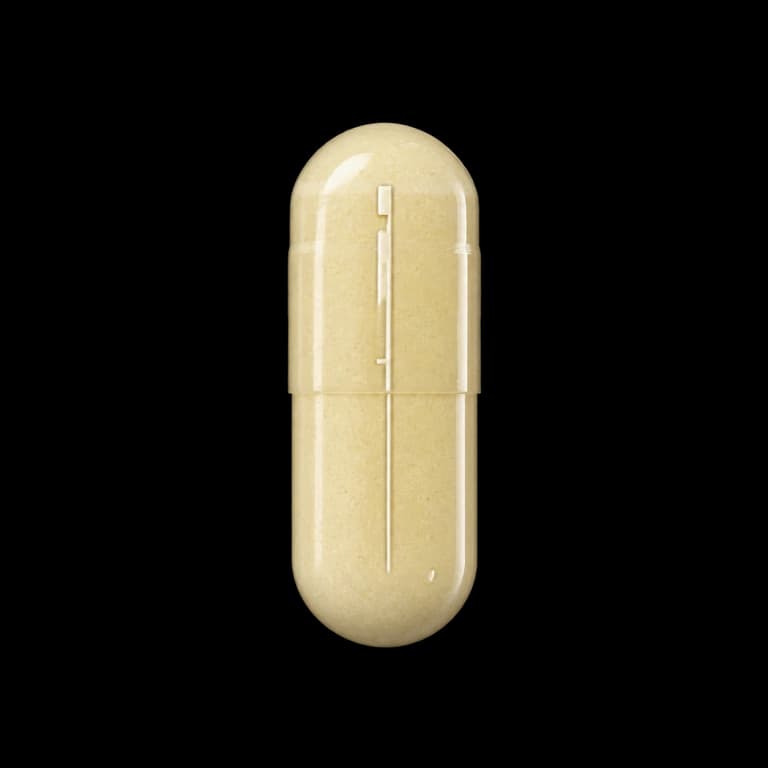
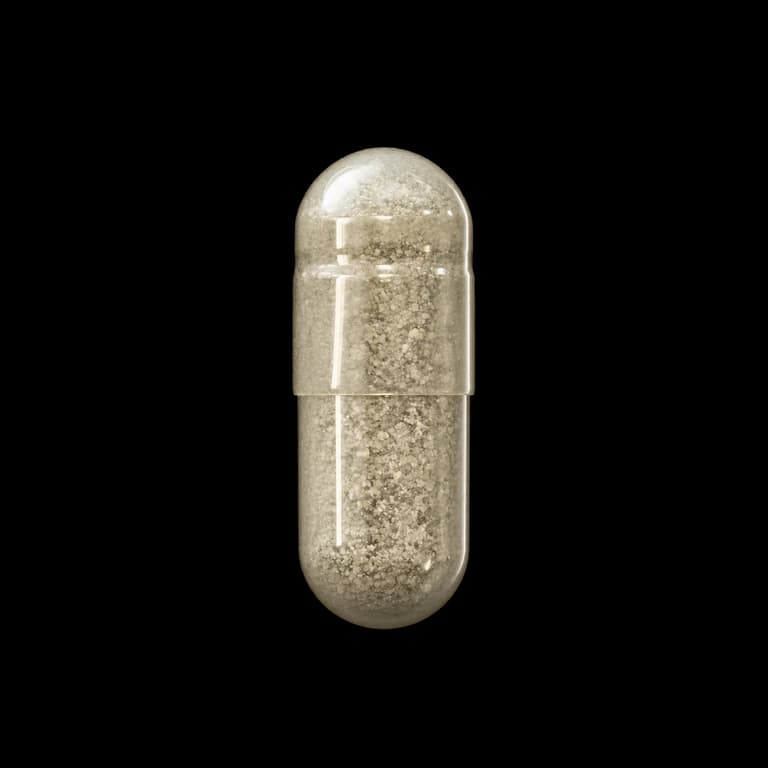
- cGMP-certifiedFacilities
- FDA-registeredFacilities
- Accredited labsIndependent testing
- Non-GMOIngredient options
- OrganicIngredient options
- VeganFormula options
These statements have not been evaluated by the Food and Drug Administration. These products are not intended to diagnose, treat, cure or prevent any disease.
Want it more precise? Get the app.
A page can only tell you about Piperine. The app tells you about you: whether it fits, when to take it, and whether it's working.
- Checked against your blood work and everything you already take
- On your daily timeline, around your sleep, training and meals
- Followed over time, so you can see what moved

 PiperineOPEN 09:00
Piperine against your blood work, your sleep and what you already take.
 AI
You take a blood pressure medicine, and piperine can change how some drugs behave. Want the questions to ask your pharmacist?
ASK ABOUT PIPERINEFind the goal that's yours.
Your record, your routine and LifeFrom AI, pointed at the outcome that matters to you.

Questions
What is piperine good for?
Mostly helping your body absorb other compounds, especially curcumin. Studies on piperine by itself are mostly from labs and animals.
Is piperine the same as black pepper?
It's the compound in pepper that gives it its bite. Pepper is about 2% to 7% piperine.
Piperine side effects: what are they?
Short studies at 20 mg reported few or no problems. The bigger concern is how it changes other medicines. We know less about larger amounts.
Is piperine bad for your liver?
We haven't seen good evidence in people that piperine alone is, and short studies reported few problems. The concern comes from turmeric products that absorb better, some with black pepper, which have been linked to rare liver injury. Stop and call your doctor if you notice dark urine or yellow skin or eyes.
What medicines does piperine interact with?
Those studied include phenytoin, carbamazepine, propranolol, theophylline and nevirapine. Lab work points to digoxin and cyclosporine too. Check with your pharmacist on any regular medicine.
What is piperine's half-life?
We couldn't find a clean human number. Its effect on other compounds shows up within the hour and fades over hours.
Do I need piperine with my turmeric?
Not with ours. Our Turmeric capsule already includes black pepper extract.
Can I take piperine every day?
Studies have run for days to a few weeks, so we don't know much about long-term use. If you take any medicine, check first.
Who should not take piperine?
Check first if you take a regular medicine, have liver problems, or are pregnant or breastfeeding. Tell your care team before any surgery too.
Is pepper on my food a problem?
No. Pepper is one of the most widely used spices, and a normal pinch on your food has much less piperine than a capsule.
Sources
- Shoba G et al. Influence of piperine on the pharmacokinetics of curcumin in animals and human volunteers. Planta Med, 1998.
- Haq IU et al. Piperine: a review of its biological effects. Phytother Res, 2021.
- Lee SH et al. Piperine-mediated drug interactions and formulation strategy for piperine. Expert Opin Drug Metab Toxicol, 2018.
- Bhardwaj RK et al. Piperine, a major constituent of black pepper, inhibits human P-glycoprotein and CYP3A4. J Pharmacol Exp Ther, 2002.
- Pattanaik S et al. Effect of piperine on the steady-state pharmacokinetics of phenytoin in patients with epilepsy. Phytother Res, 2006.
- Pattanaik S et al. Pharmacokinetic interaction of single dose of piperine with steady-state carbamazepine in epilepsy patients. Phytother Res, 2009.
- Bano G et al. Effect of piperine on bioavailability and pharmacokinetics of propranolol and theophylline in healthy volunteers. Eur J Clin Pharmacol, 1991.
- Kasibhatta R, Naidu MUR. Influence of piperine on the pharmacokinetics of nevirapine under fasting conditions. Drugs R D, 2007.
- Volak LP et al. Effect of a herbal extract containing curcumin and piperine on midazolam, flurbiprofen and paracetamol pharmacokinetics in healthy volunteers. Br J Clin Pharmacol, 2013.
- Badmaev V et al. Piperine derived from black pepper increases the plasma levels of coenzyme Q10 following oral supplementation. J Nutr Biochem, 2000.
- Wightman EL et al. Effects of resveratrol alone or in combination with piperine on cerebral blood flow parameters and cognitive performance in human subjects. Br J Nutr, 2014.
- Srinivasan K. Black pepper and its pungent principle-piperine: a review of diverse physiological effects. Crit Rev Food Sci Nutr, 2007.
- Tripathi D et al. Metabolic insights into drug absorption: unveiling piperine's transformative bioenhancing potential. Pharm Res, 2025.
- Halegoua-DeMarzio D et al. Liver injury associated with turmeric: a growing problem. Ten cases from the Drug-Induced Liver Injury Network. Am J Med, 2023.
- NIH National Center for Complementary and Integrative Health. Turmeric.
- Son DJ et al. Piperine inhibits the activities of platelet cytosolic phospholipase A2 and thromboxane A2 synthase. Nutrients, 2014.
- Huang J et al. Probable interaction between warfarin and a toothache solution containing Piper longum L. J Ethnopharmacol, 2026.
Written by LifeFrom from these sources, and not yet reviewed by a clinician. Talk to your doctor before starting a supplement.