- 01Fools the test, changes the body, or shows harm
A supplement that fools the test (biotin, high-dose vitamin C, or hormone cream contaminating the sample) gives a wrong number, so you pause it or draw from the other arm. A supplement that changes your blood for real (niacin, fish oil, creatine, DHEA) gives a right number, so you keep it steady and tell whoever reads the result. Iron and B12 are the exception in this second group: a recent dose can hide a deficiency, so pause them only before a test of iron or B12 status. A supplement that injures the liver gives a right number that is a warning, so you see a doctor.
Most supplements leave a blood test alone. The few that change results do it in one of three ways, and you treat each way differently. Some interfere with the lab's chemistry or contaminate the sample, so the printed number is wrong. Some change your blood for real, so the number is right but means something different. A few injure an organ, and the test is picking up the injury. Once you know which group a supplement is in, you know whether to pause it, list it, or call your doctor.
Supplements that change blood tests, and what to do before the draw
The table below covers the supplements that matter most. The last column gives the usual approach; pause times vary by lab, and your doctor's or the lab's instructions come first.
| Supplement | What it moves | Why the number changes | Before the test |
|---|---|---|---|
| Biotin (hair, skin and nail products) | TSH falsely low, free T4 and T3 falsely high; troponin falsely low; some vitamin D and hormone tests | Interferes with the test chemistry | Pause it, often 2 to 3 days at 5 to 10 mg, longer at very high doses. If a doctor prescribed it, ask them first |
| Vitamin C (high dose) | Some glucose meters read high; urine dipstick tests for sugar and for blood in the urine can read falsely negative | Interferes with the test chemistry | Skip it the day before a glucose or urine test |
| Topical hormone creams and gels | Testosterone or estradiol falsely high | Cream on the skin contaminates the sample | Draw from the other arm; keep cream off that arm for about 24 hours. Cream also spreads by hands, towels and partners |
| Creatine | Creatinine up, eGFR down | Real rise in creatinine; in healthy kidneys, filtration is unchanged | Keep it, but list it. Cystatin C settles the question |
| Niacin | HDL up; triglycerides and LDL down. At high doses ALT, glucose and uric acid can rise | Real effect on lipids | Keep it steady and list it |
| Fish oil (omega-3) | Triglycerides down | Real effect on lipids | Keep it steady |
| Red yeast rice | LDL may drop, depending on monacolin K content | Some products contain monacolin K, the same molecule as the statin lovastatin | Keep it steady and list it |
| DHEA | DHEA-S (the blood form of DHEA), testosterone and estradiol can rise; HDL may drop, mainly in women | Real hormone change | List it |
| Testosterone, or boosters spiked with steroids | Testosterone up; hematocrit (the share of blood made of red cells) up; HDL down | Real hormone change | List them. Never stop prescribed hormones on your own |
| Iron | Serum iron spikes for hours; ferritin rises over weeks | Real change; a recent dose overstates iron status | Skip about 24 hours before an iron test |
| Vitamin B12 and folate | Serum B12 and folate up | Real change; can hide a deficiency | Skip for a few days before a deficiency check |
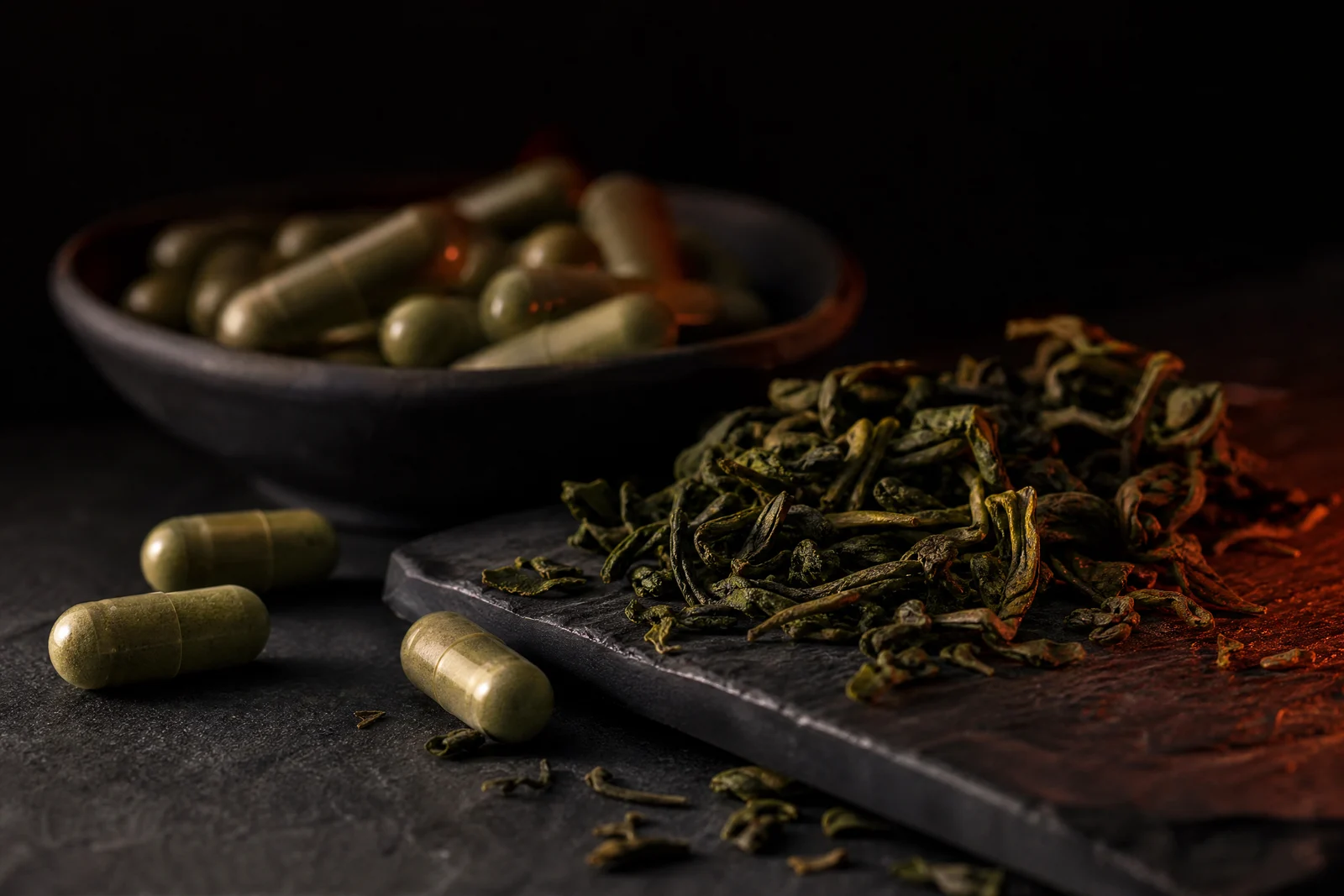
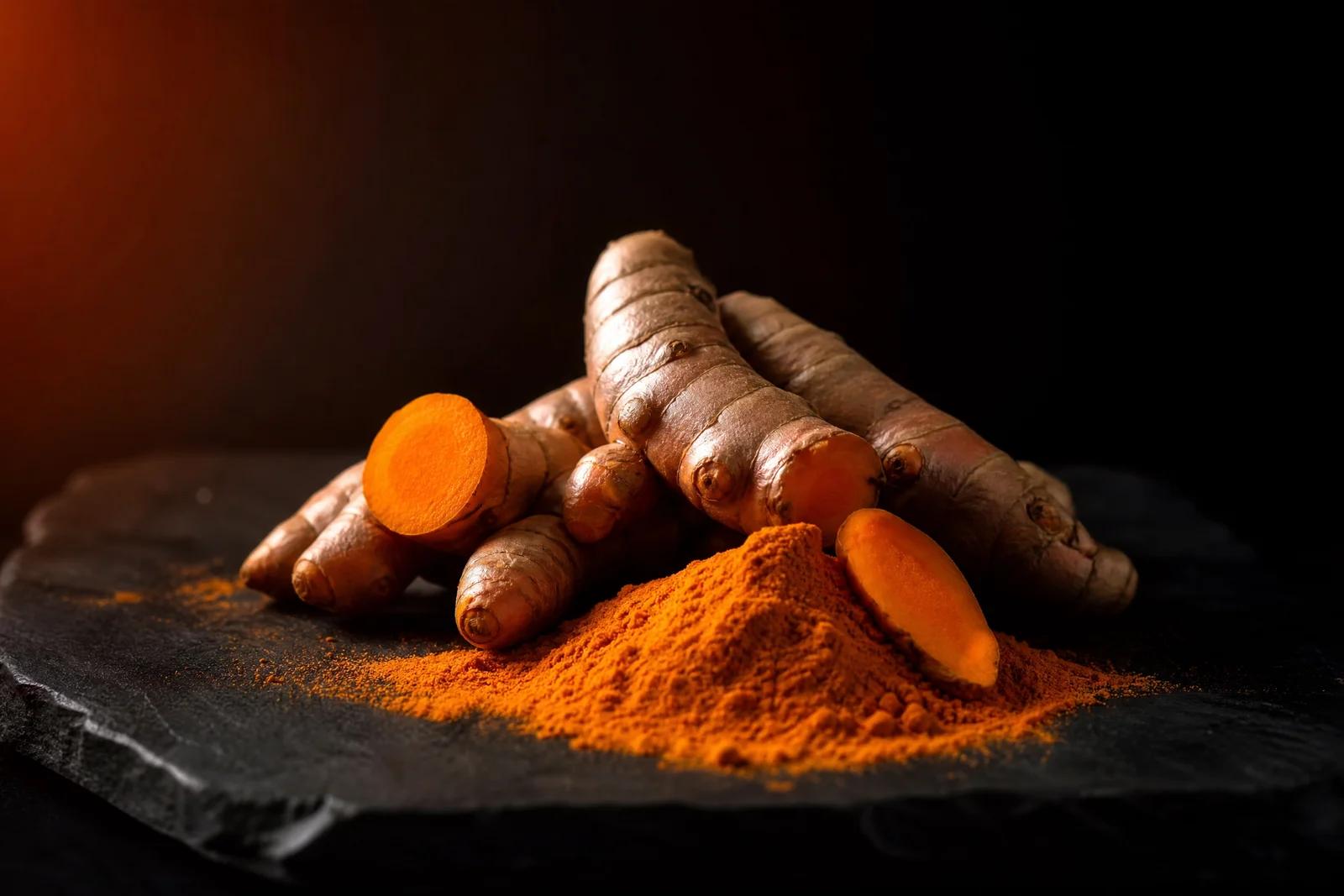
| Turmeric, green tea extract, bodybuilding blends | ALT and AST (two liver enzymes) up, rarely | Possible liver injury | See a doctor; this result is a warning |
Biotin causes the most wrong results
Many common blood tests are immunoassays: tests that use antibodies to catch the molecule being measured. A lot of them use biotin as a molecular glue to hold the antibodies in place. When your blood is full of biotin from a supplement, the extra biotin jams that step, and the result can come out falsely high or falsely low depending on how that test is built. Hair, skin and nail products often contain 5 to 10 mg of biotin, far above the 30 micrograms adults need from food 7.
The effect is common at ordinary supplement doses. In a JAMA study, healthy adults took 10 mg of biotin a day for a week, and 9 of 37 immunoassays tested (24%) gave clinically relevant wrong results, including TSH and free T4 (the two main thyroid tests) and PTH (the hormone that controls calcium) 2. Thyroid results are the most common problem. Biotin can produce a low TSH with a high free T4, which looks like an overactive thyroid when the gland is fine; in one case series, children on high-dose biotin were wrongly diagnosed with Graves' disease this way 8.
Biotin, often found in dietary supplements, can significantly interfere with certain lab tests and cause incorrect test results which may go undetected.US Food and Drug Administration, Biotin interference with troponin lab tests 1
Markers biotin can throw off
Already had a test while taking biotin, and the thyroid or hormone result surprised you? Don't change any medicine on that number. Tell your clinician you take biotin and ask for a repeat test after a pause, then read it with our guide to reading a thyroid panel or TSH vs free T4. For what troponin shows, see cardiac markers explained.
How long to pause depends on the dose and on which lab system runs your sample. Pause times by dose are on our page about biotin and blood tests. If a doctor prescribed high-dose biotin for a medical condition, ask them before pausing it.
Creatine and a low eGFR
eGFR (estimated glomerular filtration rate) is a kidney score calculated from creatinine, a waste product of muscle. Creatine supplements turn partly into creatinine, so creatinine rises and eGFR falls even when the kidneys filter normally; KDIGO, the international kidney guideline group, lists creatine supplements among the things that make a creatinine-based eGFR less accurate 3. Large muscles, hard training and a meat-heavy meal before the draw push in the same direction. A high creatinine in a healthy person taking creatine is often this effect, but only a second test can tell.
That second test is cystatin C, a protein made by all cells at a steady rate and unaffected by muscle or creatine. KDIGO recommends checking cystatin C when a creatinine-based eGFR may be inaccurate, and combining the two into one score to confirm kidney function 3. If cystatin C gives a normal eGFR, the low creatinine-based eGFR was most likely the creatine. Our cystatin C vs creatinine comparison covers when each one is right.
If your eGFR came back flagged and you take creatine, tell your clinician and ask whether a cystatin C test can be added, rather than stopping creatine and retesting the same week. If you already have kidney disease or diabetes, ask your doctor before taking creatine, and don't assume a low eGFR is the supplement.
Read these together if you take creatine
 CalculatoreGFR calculatorSee how a creatinine bump from creatine moves your eGFR.Work it out
Supplements that change your numbers for real
Some supplements change a result because they work. Niacin at prescription strength raises HDL and lowers triglycerides and LDL; at high doses it can also raise ALT, glucose and uric acid, which can look like a separate problem 5. Prescription omega-3 at 4 g a day lowers triglycerides by 20 to 30% in people with levels of 200 to 499 mg/dL, and by 30% or more above 500 mg/dL, according to an American Heart Association science advisory 4. In each case the lab result is accurate.
Red yeast rice can lower LDL because some products contain monacolin K, the same molecule as the statin lovastatin; the amount varies widely between brands 9. Because it acts like a statin, it carries similar muscle and liver risks, and it should not be combined with a prescribed statin unless the prescriber agrees. DHEA raises hormone results for real too. Hormone creams are different: they contaminate the sample, so have blood drawn from the arm you did not apply cream to (HRT).
The trouble starts when someone reads the result without knowing what you take. A doctor who sees an LDL drop from red yeast rice may credit your diet. A triglyceride result read without knowing about omega-3 can look better than your untreated baseline. Keep these supplements steady before a test and write them on the form, so the result shows how you look on your usual routine. How to read your lipid panel explains what HDL, LDL and triglycerides mean.
Iron and B12 before a deficiency check
Iron and B12 are the exceptions, because a recent dose can hide a deficiency. Serum iron spikes for hours after a tablet, so labs usually ask you to skip iron for about 24 hours before an iron panel; a high serum iron the morning after a dose often means only that. Ferritin, the iron-storage marker, moves over weeks and does not respond to one dose; ferritin vs iron shows how the two fit together. A recent B12 supplement can lift serum B12 into the normal range while a deficiency carries on, which is one reason a high B12 result needs context.
When the blood test shows real harm
A few supplements injure the liver, and the test is accurate when it shows the injury. In the US Drug-Induced Liver Injury Network, herbal and dietary supplements went from 7% of liver-injury cases in 2004 to 2005 to 20% in 2013 to 2014, and bodybuilding products were the most common single group 6. Exposure is wide: about 15.6 million US adults (4.7%) took at least one of six botanicals linked to liver injury in 2017 to 2020, with turmeric the most common, followed by green tea extract 10.
ALT (alanine aminotransferase) is the liver enzyme to watch, read alongside AST (aspartate aminotransferase), ALP and bilirubin on a liver panel. A new rise in ALT after you start a supplement should go to a doctor, and many other things raise it too, including fatty liver, alcohol and some medicines. Bring the product or its label to that appointment; your doctor will decide whether to stop it and when to recheck. Hard weight training in the days before the draw can also raise ALT and AST, so mention it. Liver enzymes explained covers each enzyme, and a raised AST has its own page at high AST.
Supplements with liver-injury case reports
Should you stop supplements before a blood test?
Mostly no. Stopping everything gives a result that does not reflect your normal routine, and that baseline is the one worth tracking. A short rule covers most cases.
- 1Pause the ones that interfere with the testBiotin, and high-dose vitamin C before a glucose or urine test. If a doctor prescribed biotin, ask them first.
- 2Pause iron or B12 only when that is what is being testedAbout 24 hours for iron before an iron panel; a few days for B12 before a deficiency check.
- 3Keep everything else steadyFish oil, niacin, creatine, vitamin D, magnesium and the rest stay as usual.
- 4Never stop prescribed medicines or hormones yourselfThat includes testosterone, thyroid medicine and statins. Ask the prescriber first.
- 5Write the list downNames and doses, handed to the person drawing blood and the person reading the result.
For fasting, coffee, timing and exercise before the draw, see how to prepare for a blood test, fasting before a blood test and coffee before a blood test.
Reading a result when you take supplements
Take the test under the same conditions each time: same supplements, same time of day, same fasting state. Then compare the trend across results instead of judging one value, because for almost every marker on this page a single reading can mislead (trends beat single readings).
If the result suggests a change to your supplements, supplements based on your blood test covers which markers point where.

Citations
- US Food and Drug Administration. Biotin Interference with Troponin Lab Tests: Assays Subject to Biotin Interference. Content current as of 21 June 2022.
- Li D et al. Association of biotin ingestion with performance of hormone and nonhormone assays in healthy adults. JAMA 2017;318(12):1150-1160.
- KDIGO 2024 Clinical Practice Guideline for the Evaluation and Management of Chronic Kidney Disease. Kidney Int 2024;105(4S).
- Skulas-Ray AC et al. Omega-3 fatty acids for the management of hypertriglyceridemia: a science advisory from the American Heart Association. Circulation 2019;140:e673-e691.
- NIH Office of Dietary Supplements. Niacin: Fact Sheet for Health Professionals.
- Navarro VJ et al. Liver injury from herbal and dietary supplements. Hepatology 2017;65(1):363-373.
- NIH Office of Dietary Supplements. Biotin: Fact Sheet for Health Professionals.
- Kummer S et al. Biotin treatment mimicking Graves' disease. N Engl J Med 2016;375(7):704-706.
- National Center for Complementary and Integrative Health. Red Yeast Rice.
- Likhitsup A, Chen VL, Fontana RJ. Estimated exposure to 6 potentially hepatotoxic botanicals in US adults. JAMA Netw Open 2024;7(8):e2425822.
Educational context only, not medical advice or a diagnosis. Always discuss your results with a clinician.