- 01Normal screening tests do not clear you
A normal platelet count, PT and aPTT miss von Willebrand disease and platelet function problems, the most common inherited causes of easy bruising. The pattern tells you when normal results are not enough: bruising with nosebleeds, gum bleeding, heavy periods or bleeding after dental work needs von Willebrand antigen, activity and factor VIII testing.
Most unexplained bruises on the shins come from everyday bumps on skin that marks more easily than it used to. Bruises with an obvious place and cause behave differently from bruises on the back or belly with no injury, or bruising that comes with nosebleeds, bleeding gums or heavy periods. A blood test can explain the second group, and even then a normal first round of tests does not always close the question.
Unexplained bruising: when to get help now
When to get help now
Most bruises are harmless, but some signs need care today and others need a doctor within days.
- Bleeding will not stop after 10 minutes of firm pressure: call 911 or go to the ER.
- You hit your head while on a blood thinner, even lightly, or have a head injury with headache, vomiting, confusion or drowsiness.
- You vomit blood or material like coffee grounds, or pass black or tarry stools.
- You get a sudden severe headache while on a blood thinner.
- Spots that do not fade when pressed come with a fever or you feel very unwell: treat it as an emergency.
- New pinpoint red-purple spots that do not fade when pressed (petechiae), especially with bleeding gums or nosebleeds: get a platelet count the same day.
- Any bruise in a baby who is not yet crawling, or bruises on a child's ears, neck, torso or buttocks or in a hand or object shape: get a same-day check.
- Large bruises appear on your back, chest or belly with no injury.
- Bruising comes with fever, night sweats, weight loss or new exhaustion.
- Bruising comes with yellow skin or eyes or a swelling belly.
- You bruise heavily after starting a new blood thinner or antiplatelet medicine: call the prescriber.
- Bruising comes with long nosebleeds, gum bleeding, heavy periods or bleeding after dental work.
- A bruise is still growing after a few days, or has not faded after a month.
LifeFrom can't examine you or assess a symptom. If something feels seriously wrong, trust that and get care rather than waiting on a test.
Those other symptoms have their own pages: night sweats, unexplained weight loss and fatigue. Bruising together with any of them is a reason for a same-week appointment and a blood count.
What a bruise is, and how long it should last
A bruise is blood that has leaked from small vessels into the tissue under unbroken skin. It turns red-blue, then green, then yellow-brown as the body breaks the blood down and clears it. Most bruises fade in about two weeks; on the lower legs and in older, thinner skin, three weeks is common. A bruise still growing after a few days, or one that has not faded after a month, is worth showing to a clinician.
Color cannot date a bruise. A systematic review of studies in children found that clinicians judging bruise age from color were inaccurate, and that yellow was the only color with any link to age, and even then not a reliable one 6. Two bruises from the same day can look different on different parts of the body.
| Mark | Size | Press test | What it usually means |
|---|---|---|---|
| Bruise (ecchymosis) | Over 1 cm | Does not fade, often tender | Leaked blood from a bump; common and usually harmless |
| Purpura | About 3 mm to 1 cm | Does not fade | Fragile vessels (age, sun, steroids) or a platelet or vessel problem |
| Petechiae | Pinpoint, under 2 to 3 mm, often in clusters | Does not fade | Can mean a low platelet count; get checked the same day if new |
| Rash or broken capillary | Varies | Fades when pressed | Not bleeding into the skin |
Where your bruises are tells you a lot
| What you notice | What it usually means | Next step |
|---|---|---|
| Bruises on shins and thighs, often unremembered, in an active person or a young woman | Everyday bumps; purpura simplex (benign easy bruising, common in women) | Usually nothing, unless there is other bleeding |
| Flat purple patches on forearms and backs of hands, over 60 | Actinic purpura: sun-damaged skin and fragile vessels | Sun protection; no blood test abnormality expected |
| Thin skin that bruises and tears, on steroid tablets, inhalers or strong creams | Steroid skin thinning | Raise it with the prescriber |
| Unexplained bruising on the back, chest, belly or face with no injury | Needs checking for a blood or clotting cause | CBC and clotting tests soon |
| Bruising plus nosebleeds, gum bleeding, heavy periods or bleeding after dental work | Bleeding-disorder pattern, most often von Willebrand disease | Clotting workup including von Willebrand tests |
| Lifelong bruising and a parent or sibling who bleeds the same way | Inherited bleeding disorder | Clotting workup; tell the clinician the family history |
| New bruising in adulthood after years of normal bruising | Acquired cause: medicine, liver, kidney, platelets | Medicine review plus CBC, liver and kidney tests |
Common causes of easy bruising
Most easy bruising comes from the skin, age or a medicine; a smaller share has a cause a blood test can find.
- 01Everyday bumps and purpura simplex
Small knocks on the shins and thighs often go unnoticed. Purpura simplex, a harmless easy-bruising tendency common in women, makes these bruises more likely, and blood tests are normal.
- 02Aging and sun-damaged skin (actinic purpura)
Aging skin is the biggest single cause: collagen thins and vessels lose support. Years of sun add flat purple patches on the forearms and backs of hands, common after 50, with normal blood tests.
- 03Blood thinners, aspirin, NSAIDs and antidepressants
Warfarin, apixaban and rivaroxaban slow clotting, aspirin, clopidogrel and NSAIDs such as ibuprofen stop platelets sticking, and SSRI and SNRI antidepressants lower the serotonin platelets need to clump 1. The risk is highest when these are combined, or stacked with supplements such as vitamin E or ginkgo.
- International Normalized Ratio
- Shows warfarin effect; the usual target on warfarin is 2.0 to 3.0
- 04Steroids thinning the skin
Corticosteroid tablets, high-dose inhalers and strong creams used for months thin the skin, so it bruises and tears easily. Raise it with the prescriber.
- 05Heavy alcohol use
Regular heavy drinking lowers the platelet count and damages the liver, both of which make bruising easier.
- Platelet Count
- Can read low after heavy drinking
- 06Low platelets (thrombocytopenia)
A low count can follow a virus, a medicine, low B12 or folate, lupus or immune thrombocytopenia (ITP), defined as a count under 100 x10^9/L with no other cause 7. Spontaneous bruising usually appears only under 20 to 30 3.
- Platelet Count
- Shows whether there are enough platelets to plug small leaks
- 07Von Willebrand disease
The most common inherited bleeding disorder, with low levels in up to about 1% of people 2. It causes bruising with long nosebleeds, heavy periods and bleeding after dental work, and normal PT and aPTT do not rule it out.
- Von Willebrand Factor Antigen
- Low levels point to von Willebrand disease; tested with activity and factor VIII
- Activated Partial Thromboplastin Time
- Sometimes long, but mild disease often reads normal
- 08Liver disease
In cirrhosis, lost clotting factors raise the INR and an enlarged spleen lowers the platelet count 5. Fatty liver is the common route to cirrhosis in the US.
Can be linked with Fatty liver
- International Normalized Ratio
- Rises as the liver makes fewer clotting factors
- Platelet Count
- Can fall when an enlarged spleen traps platelets
- 09Kidney disease
In advanced chronic kidney disease, waste products make platelets less sticky, so people bruise with a normal platelet count 1.
Can be linked with Chronic kidney disease
- eGFR
- Shows how far kidney function has fallen
- 10Vitamin C or vitamin K deficiency
Scurvy causes bruising, bleeding gums and bleeding around hair follicles, mostly with very poor diets or heavy drinking 4. Vitamin K deficiency comes with malabsorption, long antibiotic courses or very poor intake and lengthens the prothrombin time 8.
- Vitamin C (Ascorbic Acid)
- Confirms scurvy in someone with gum bleeding and a poor diet
- Prothrombin Time
- Long when vitamin K is low
Rarely, bruising is the first sign of a marrow disease such as leukemia, which usually also shifts the white cells or hemoglobin on the same CBC. Ehlers-Danlos syndromes cause easy bruising with stretchy skin and loose joints.
The common causes a blood test won't show
Aging skin is the biggest single cause. Collagen thins, the fat layer shrinks and vessels lose support, so a bump that once left nothing now leaves a patch. Years of sun speed this up on the forearms and hands; actinic purpura is common after 50 and becomes more common with each decade. Blood tests are normal in actinic purpura and in purpura simplex, which is why a full set of normal results in someone with only shin or forearm bruising is the expected answer.
Medicines come next 1. Anticoagulants (warfarin, apixaban, rivaroxaban) slow clotting; antiplatelets (aspirin, clopidogrel) and NSAIDs such as ibuprofen stop platelets sticking; corticosteroids thin the skin, including high-dose inhalers and strong creams used for months. SSRI and SNRI antidepressants lower the serotonin platelets need to clump, and the bruising risk is highest when they are combined with an NSAID or a blood thinner. Regular heavy alcohol use lowers platelet counts and damages the liver. Ehlers-Danlos syndromes, inherited connective tissue conditions, cause easy bruising with stretchy skin and loose joints, and are diagnosed mainly by examination and family history, sometimes with genetic testing, rather than by a routine blood test.
| Medicine or supplement | Effect on bruising | Strength of evidence |
|---|---|---|
| Warfarin, apixaban, rivaroxaban, dabigatran | Slower clotting; bruising and bleeding expected | Strong |
| Aspirin, clopidogrel, ticagrelor | Platelets stick less | Strong |
| NSAIDs (ibuprofen, naproxen) | Platelets stick less while the drug is in the body | Strong |
| SSRIs and SNRIs | Less platelet serotonin; more bruising, especially with NSAIDs or blood thinners | Good |
| Corticosteroids (tablets, high-dose inhalers, strong creams) | Thinner skin and fragile vessels | Strong |
| High-dose vitamin E | Can add to the effect of a blood thinner | Moderate, mainly with blood thinners |
| Fish oil (omega-3) | Small effect on platelets; can add to warfarin's effect | Weak on its own |
| Ginkgo biloba | Bleeding concern mostly from case reports; check with the prescriber if combined with a blood thinner | Weak |
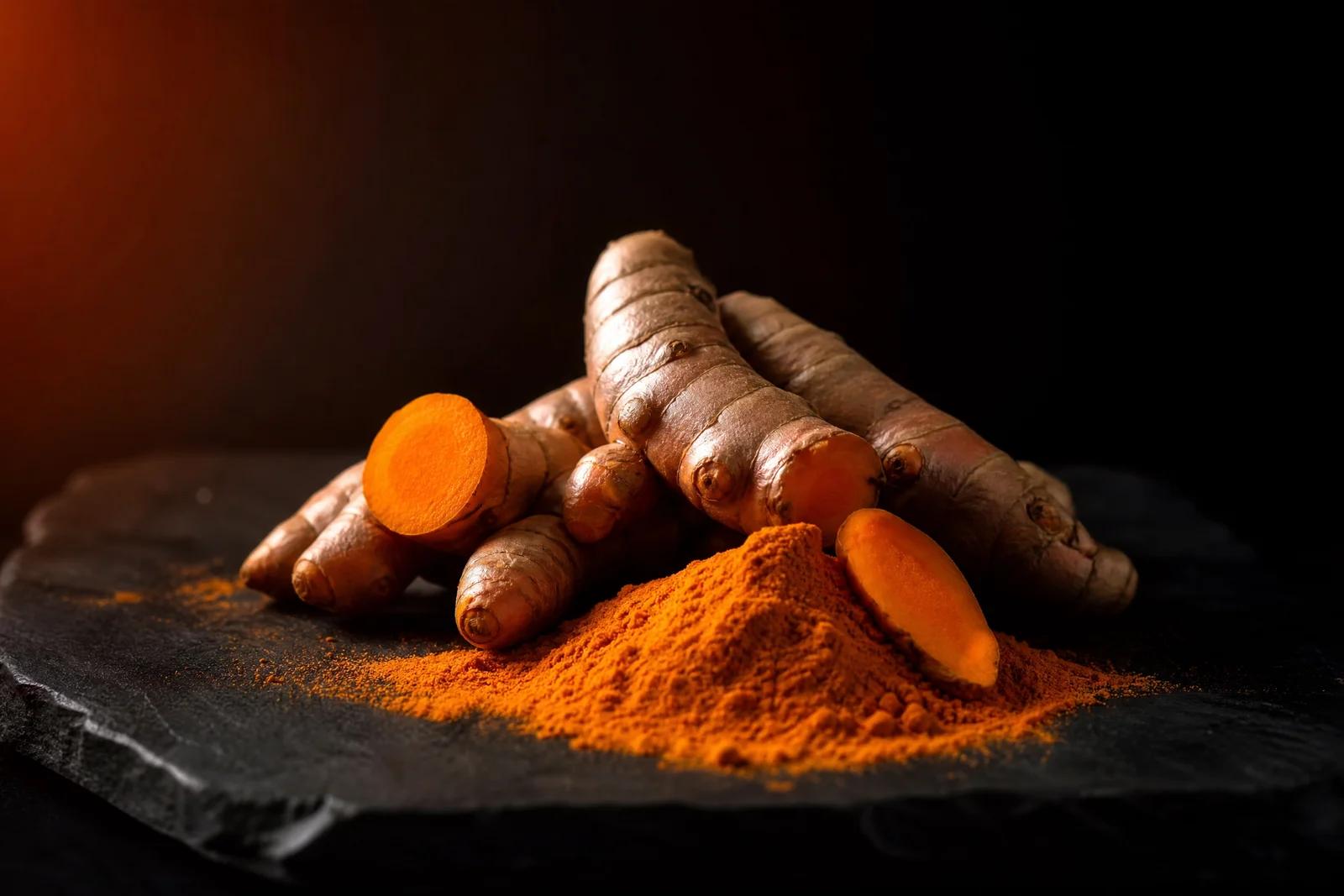
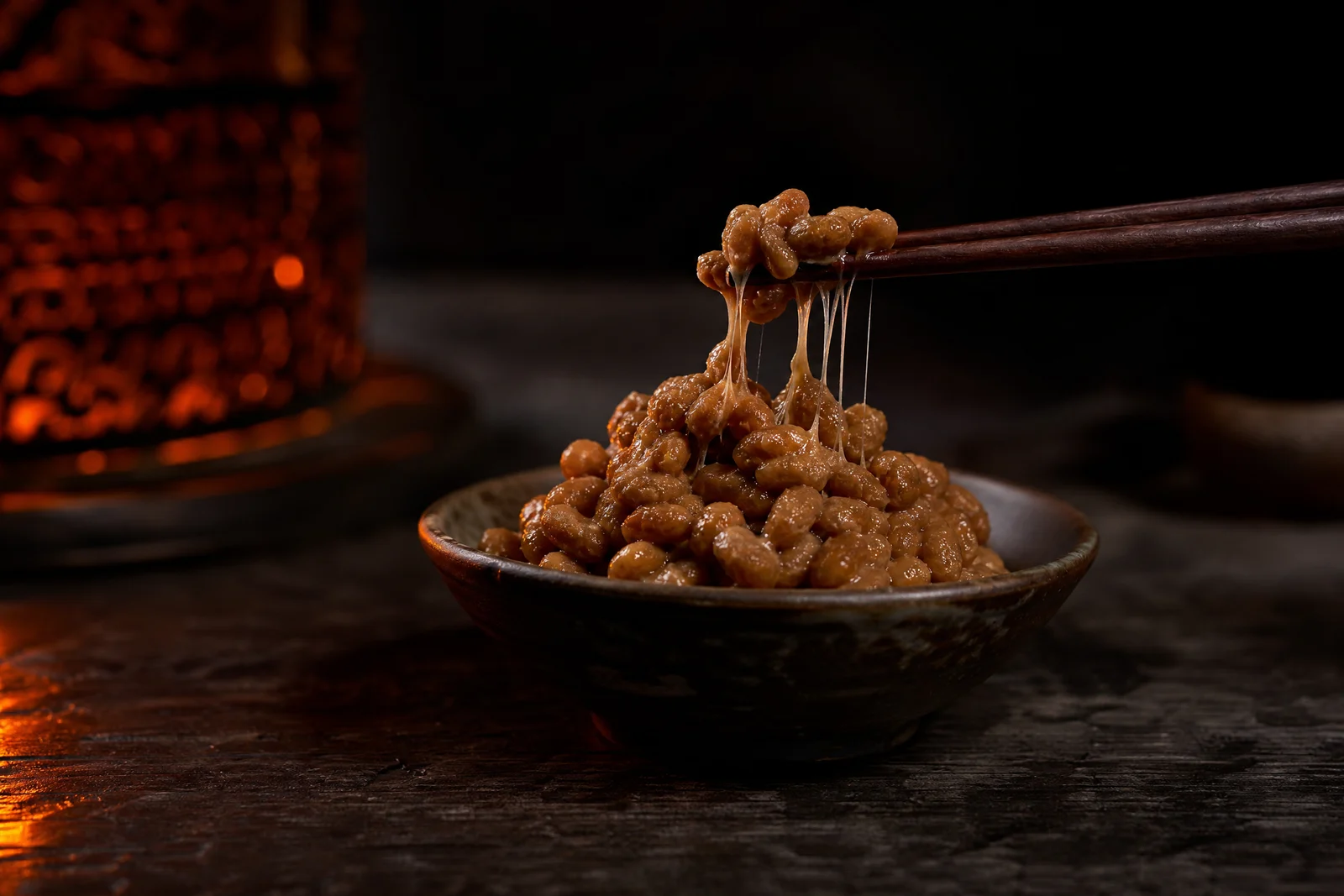
| Turmeric, nattokinase, garlic | Mostly lab or case-report signals; a concern when stacked with blood thinners | Weak to theoretical |
For most supplements the bleeding risk on their own is small. The NIH fact sheets flag the combination instead: omega-3s 9, vitamin E 11 and ginkgo 10 can add to the effect of warfarin or other blood thinners, which is why they belong on the list you give a prescriber.
Supplements people ask about with bruising
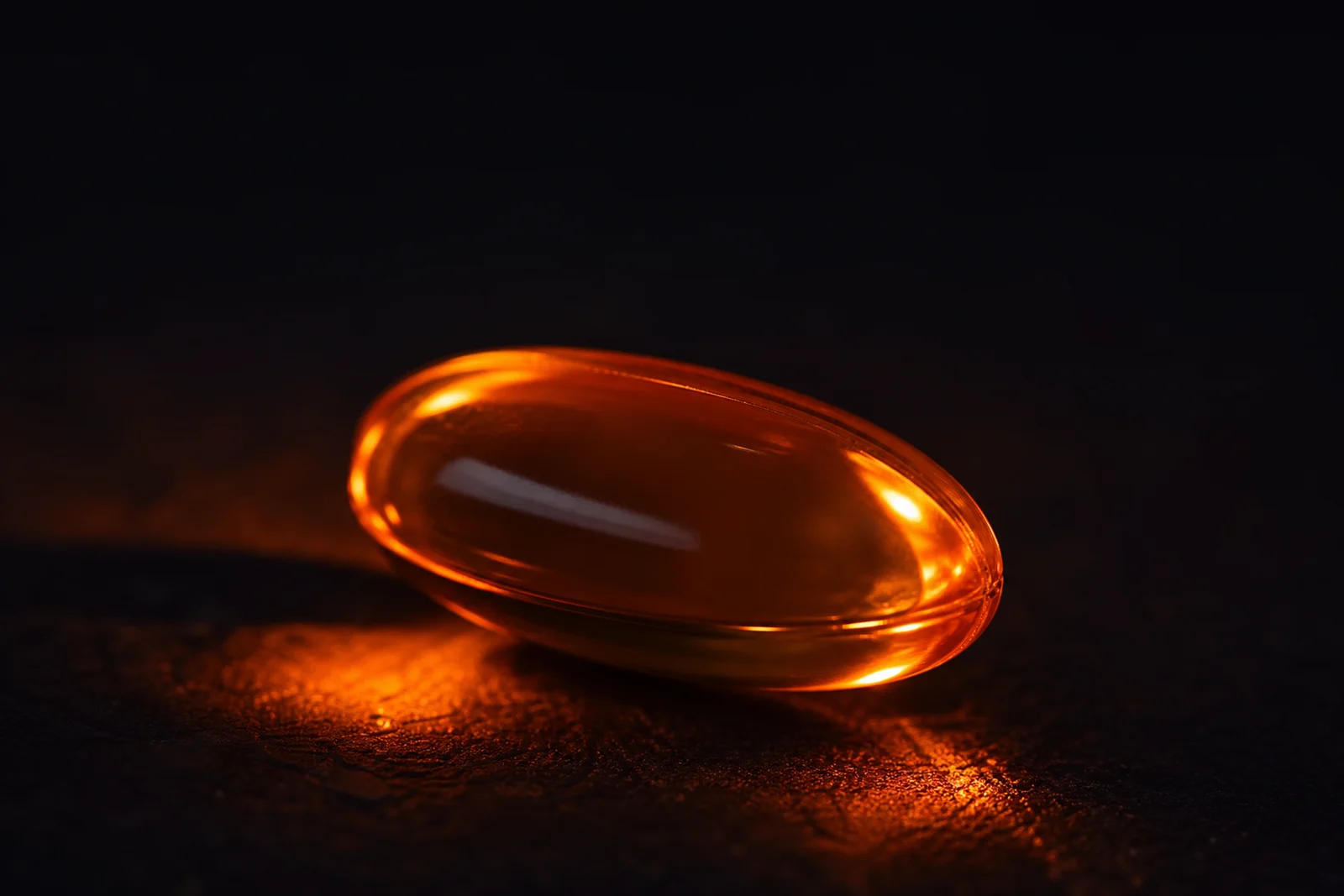 Weak bleeding signalOmega-3At usual doses the effect on bleeding is small, but it can add to warfarin. If you take a blood thinner, mention it to the prescriber.In our shop
The causes a blood test can find
Low platelets
Platelets plug small vessel leaks within minutes. A low platelet count (thrombocytopenia) can follow a viral infection, heavy drinking, low B12 or folate, an enlarged spleen from liver disease, a medicine, lupus, or immune thrombocytopenia (ITP), where the immune system clears platelets. ITP is defined as a platelet count under 100 x10^9/L with no other cause found 7. Rarely, a low count is the first sign of a marrow disease such as leukemia, which usually also shifts the white cells or hemoglobin on the same CBC. The low platelet count page covers the causes in depth, and B12 deficiency and pernicious anemia explain the marrow link.
Von Willebrand disease
Von Willebrand disease is the most common inherited bleeding disorder. Low von Willebrand factor levels turn up in up to about 1% of people in lab surveys, while symptoms bad enough to reach a clinic affect around 1 in 1,000 2. Von Willebrand factor is the glue that holds platelets to a damaged vessel wall, so the bleeding shows up in the skin and the lining of the nose, mouth and womb: easy bruising, long nosebleeds, heavy periods and bleeding after dental work. Many women with von Willebrand disease are first noticed because of heavy periods, iron deficiency and anemia.
Liver disease
The liver makes most clotting factors. In cirrhosis, lost clotting factors raise the INR, and an enlarged spleen traps platelets and lowers the count. The liver also makes less of the body's natural anticoagulants, so the balance shifts in both directions and a raised INR in chronic liver disease does not reliably predict bleeding 5. Clotting changes appear once fatty liver or alcohol has progressed to cirrhosis; fatty liver is the common route there in the US.
Kidney disease
In advanced chronic kidney disease, waste products that the kidneys normally clear make platelets less sticky, so people bruise with a normal platelet count 1. An eGFR on a routine panel shows how far kidney function has fallen; the chronic kidney disease page reads the stages.
Vitamin C and vitamin K deficiency
Vitamin C builds the collagen that supports small vessels. Scurvy, severe vitamin C deficiency, causes bruising, bleeding gums, bleeding around hair follicles and corkscrew-shaped body hairs, usually in people eating very few fruits and vegetables, people who drink heavily, and people on very restricted diets 4.
Vitamin K is needed to finish making several clotting factors. Deficiency is rare in healthy adults and shows up with malabsorption (celiac disease, bowel surgery, cystic fibrosis), long antibiotic courses or very poor intake. Clinicians usually assess vitamin K status through the prothrombin time rather than a direct blood level 8.
Markers that find a blood cause
Which blood tests to ask for, and how to read them
The American Family Physician review of bruising in primary care puts a structured bleeding history first, then a complete blood count (CBC) with platelet count and blood smear, prothrombin time (PT/INR) and activated partial thromboplastin time (aPTT), with fibrinogen often added 1. A liver panel (ALT, albumin) and kidney panel (creatinine, eGFR) are added when the history points that way, and ferritin when periods or other bleeding are heavy. The clotting tests explainer and the CBC explainer go through every line of those reports.
| Test | What it checks | What it can't see |
|---|---|---|
| CBC with platelet count | Number of platelets, plus red and white cells | How well platelets work |
| Blood smear | Platelet size and clumping, abnormal cells | Clotting factor levels |
| PT/INR | How fast blood clots; slowed by warfarin, low vitamin K or liver problems | Von Willebrand disease, platelet function |
| aPTT | How fast blood clots by a second route; slowed by heparin or low factor VIII, IX or XI | Mild von Willebrand disease often reads normal |
| Fibrinogen | The protein that forms the clot mesh | Platelet problems |
| Von Willebrand panel (antigen, activity, factor VIII) | Amount and function of von Willebrand factor | Other platelet function disorders |
Platelet count: an example resultx10^9/L
Platelet counts between 150 and 450 x10^9/L are typical. That unit is the same number your report may show as K/uL or thousand per microliter: 120 means 120,000 platelets in each microliter. Bleeding after injury or surgery becomes more likely under about 50, and spontaneous bruising and petechiae usually appear only under 20 to 30 3. A mildly low count is often rechecked within a few weeks, sooner if new bruising or pinpoint spots appear, because one reading says less than a trend. A normal count with bruising points away from platelet numbers and toward platelet function, von Willebrand factor or the skin.
| PT/INR | aPTT | Common reasons |
|---|---|---|
| Long | Normal | Warfarin, vitamin K deficiency, early liver disease, factor VII deficiency |
| Normal | Long | Heparin; factor VIII, IX or XI deficiency; some von Willebrand disease; lupus anticoagulant (a lab effect that does not cause bleeding) |
| Long | Long | Advanced liver disease, severe vitamin K deficiency, DIC (widespread clotting that uses up clotting factors, seen in very ill people), high-dose anticoagulants |
| Normal | Normal | Normal clotting cascade; with a strong bleeding history, think von Willebrand disease or platelet function |
An untreated person's INR sits around 1.0; on warfarin the usual target is 2.0 to 3.0, so a person on warfarin will bruise more with an INR in range. Von Willebrand testing needs the antigen, an activity assay and factor VIII together, and von Willebrand factor levels run lower in blood group O and rise with stress, exercise, inflammation, pregnancy and estrogen-containing pills. One normal von Willebrand result does not rule the disease out, and repeat testing is common 2. Ferritin belongs on the list as a measure of what heavy periods or other bleeding have cost; the iron studies explainer reads it.
The first-line bruising panel
Is my bleeding history normal? A quick self-check
Hematologists score bleeding history with a standard bleeding questionnaire, the ISTH-BAT (from the International Society on Thrombosis and Haemostasis), and the 2021 von Willebrand guideline recommends a validated tool like it as the first screen 2. The formal score is done by a clinician (abnormal is 4 or more in adult men and 6 or more in adult women), but the questions themselves are a useful self-check.
- Nosebleeds that last more than 10 minutes or have needed medical treatment
- Bruises larger than 1 cm, in several places, with no injury you can recall
- Bleeding for hours after a tooth extraction, or needing stitches or packing
- Heavy periods: flooding, changing a pad or tampon every 1 to 2 hours, clots larger than about 2.5 cm, or iron deficiency from periods
- Bleeding after surgery or childbirth that needed a transfusion or a second operation
- A parent, sibling or child with a diagnosed bleeding disorder
What helps, once the serious causes are out
For actinic purpura and thin skin, daily sun protection on the forearms and hands slows further damage, and a moisturizer keeps skin less prone to tearing. Long sleeves and padding sharp furniture edges reduce the bumps that start bruises. A cold compress in the first day and raising a bruised leg limit how far the blood spreads.
Vitamin C from food covers most people: the recommended intake is 90 mg a day for men and 75 mg for women, with 35 mg extra for smokers. A medium orange has about 70 mg, a kiwi about 64 mg and half a cup of raw red pepper about 95 mg 4. A vitamin C supplement corrects bruising and gum bleeding caused by deficiency, but there is no evidence it helps bruising when levels are normal, so it matters mainly for people with a confirmed low level or a very restricted diet.
Free, no accountRead your blood testGot a CBC or clotting panel after bruising? See where your platelets, PT/INR, aPTT and fibrinogen sit.Read my results
Citations
- Neutze D, Roque J. Clinical evaluation of bleeding and bruising in primary care. Am Fam Physician 2016;93(4):279-286
- James PD et al. ASH ISTH NHF WFH 2021 guidelines on the diagnosis of von Willebrand disease. Blood Adv 2021;5(1):280-300
- Neunert C et al. American Society of Hematology 2019 guidelines for immune thrombocytopenia. Blood Adv 2019;3(23):3829-3866
- NIH Office of Dietary Supplements. Vitamin C: Fact Sheet for Health Professionals
- Tripodi A, Mannucci PM. The coagulopathy of chronic liver disease. N Engl J Med 2011;365:147-156
- Maguire S et al. Can you age bruises accurately in children? A systematic review. Arch Dis Child 2005;90(2):187-189
- Rodeghiero F et al. Standardization of terminology, definitions and outcome criteria in immune thrombocytopenic purpura of adults and children: report from an international working group. Blood 2009;113(11):2386-2393
- NIH Office of Dietary Supplements. Vitamin K: Fact Sheet for Health Professionals
- NIH Office of Dietary Supplements. Omega-3 Fatty Acids: Fact Sheet for Health Professionals
- NIH National Center for Complementary and Integrative Health. Ginkgo
- NIH Office of Dietary Supplements. Vitamin E: Fact Sheet for Health Professionals
Educational context only, not medical advice or a diagnosis. Always discuss your results with a clinician.