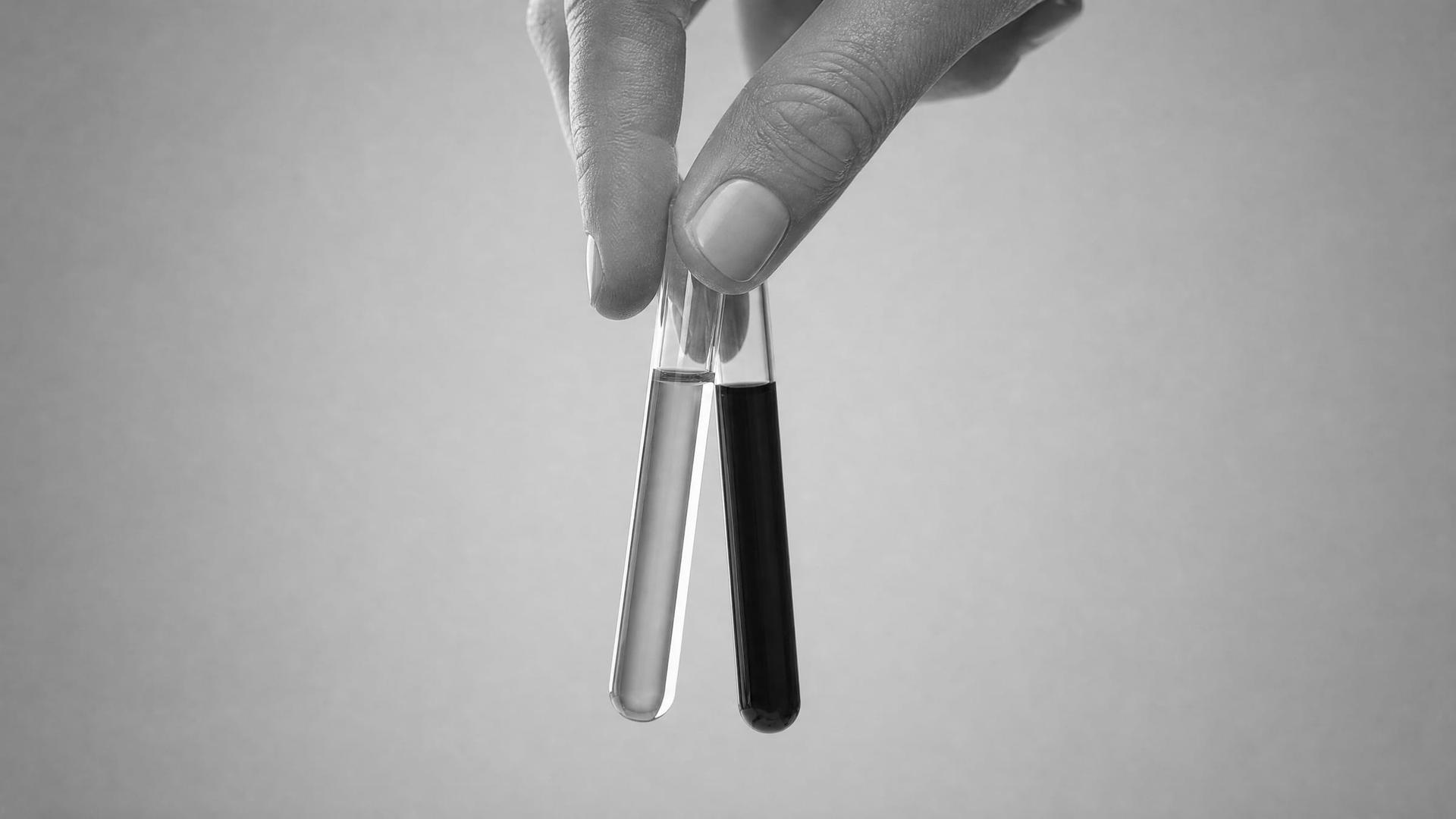
- 01Water loss vs salt-and-water loss
Losing mostly water raises blood sodium and osmolality and is fixed with water; losing salt and water together, from diarrhea, vomiting or diuretics, often leaves sodium normal or low and needs oral rehydration solution, because plain water alone can push sodium lower.
Dehydration comes in two kinds, and which kind you have decides both what you should drink and what your blood test shows. Lose mostly water, from a hot day, a fever or too little to drink, and your blood gets saltier. Lose water and salt together, from diarrhea, vomiting or water pills, and your blood sodium can look normal while you feel wrung out. Most adults recover at home within a day; babies, older adults and anyone who stops passing urine or becomes confused need care quickly.
The two kinds of dehydration
Kidney specialists Gautam Bhave and Eric Neilson argue that dehydration and volume depletion are separate states that need different fluids 1. Dehydration in the strict sense is a loss of water alone, so the sodium left behind becomes more concentrated. Volume depletion (a drop in blood volume from losing salt and water together) shrinks the circulation without necessarily concentrating the blood. Everyday speech calls both of them dehydration, and most people with a stomach bug have the second kind.
| Water-loss dehydration | Salt-and-water loss (volume depletion) | |
|---|---|---|
| What is lost | Mostly water | Water and sodium together |
| Typical causes | Too little to drink, heat, fever, high blood sugar | Diarrhea, vomiting, diuretics, heavy prolonged sweating |
| Blood sodium | High (above 145 mmol/L) | Normal or low |
| Serum osmolality | High (above 300 mOsm/kg) | Often normal |
| What helps most | Water | Oral rehydration solution, which replaces salt as well |
This is also the difference between dehydration and an electrolyte imbalance. Losing water alone concentrates your electrolytes; diarrhea and vomiting drain electrolytes, mainly sodium and potassium, along with the water. That is why a person with diarrhea who drinks large amounts of plain water can end up with low blood sodium, and why an electrolyte drink such as ORS beats water there. A frail older person who has stopped drinking needs water above all. The electrolytes guide covers sodium, potassium, chloride and CO2 in more depth.
Symptoms of dehydration, from mild to an emergency
| Stage | What you notice | What it usually means |
|---|---|---|
| Mild | Thirst, dark yellow urine, dry mouth, headache, tiredness | Drink, and watch urine color over the next few hours |
| Moderate | Light-headedness on standing, peeing much less, muscle cramps, fast heartbeat | Oral rehydration at home if you can keep fluids down; get medical advice the same day if it is not improving within a few hours, and sooner for babies, older adults, or anyone with heart, kidney or liver disease |
| Severe | Confusion, fainting, no urine for 8 hours, cold hands and feet, sunken eyes, rapid breathing | Emergency care |
Dehydration can cause dizziness. Less blood volume means a drop in blood pressure when you stand, so the brain is briefly short of blood flow and the room tilts; the dizziness guide covers the other causes. Dehydration headaches usually ease within a few hours of drinking, and a headache that does not ease deserves its own look. Salt loss is one suspected cause of cramps during exercise in heat, but muscle cramps have several causes, and a thirst that never switches off is covered in always thirsty.
Symptoms are a weak guide in older adults. Older people feel less thirst after going without fluid than younger adults do 13. A Cochrane review that tested the usual bedside signs against measured blood osmolality in people over 65 found little evidence that any single sign or test reliably picks out water-loss dehydration 2.
There is limited evidence of the diagnostic utility of any individual clinical symptom, sign or test or combination of tests to indicate water-loss dehydration in older people.Hooper L et al., Cochrane Database of Systematic Reviews, 2015 2
What causes dehydration
- Not drinking enough: illness, a sore throat, poor mobility, memory problems, or limiting fluids to avoid trips to the bathroom.
- Losing water through the skin and lungs: heat, exercise, fever and fast breathing.
- Losing salt and water through the gut: diarrhea and vomiting, the most common cause in children.
- Losing it through the kidneys: diuretics (water pills), SGLT2 inhibitor diabetes drugs, alcohol, and high blood sugar, which drags water out in the urine. If you take one of these medicines and keep getting dehydrated, bring it to your prescriber rather than stopping or changing the dose yourself.
- Rarer causes: diabetes insipidus, where the kidneys cannot hold on to water, and adrenal insufficiency, where the body loses sodium.
Babies and young children lose fluid fast relative to their size. Older adults feel less thirst and their kidneys concentrate urine less well. People with diabetes, chronic kidney disease, heart failure or cirrhosis are at higher risk, and with heart failure and cirrhosis the fluid advice from their own care team comes first, since drinking more can work against their treatment.
Checking your urine for dehydration
Pale straw-colored urine usually means you are drinking enough; dark yellow or amber usually means you need more. Urine color has limits: B vitamins turn urine bright yellow, beets and some drugs tint it, and drinking a large glass quickly can make urine pale before the body has caught up. The urine color page covers the less common shades.
On a urinalysis, a urine specific gravity (how concentrated the urine is) of about 1.020 or higher fits with being under-hydrated, according to the American College of Sports Medicine 4. Dehydration mainly darkens urine rather than clouding it; urine clarity covers the usual causes of cloudy urine, and the urinalysis guide explains the rest of the report.
Where an example urine specific gravity fallsspecific gravity
Around exercise, body weight is the simplest check: weigh before and after, since nearly all short-term weight change is water. The American College of Sports Medicine advises preventing losses above 2% of body weight, because losses beyond that impair endurance performance and can dull thinking 4. For a 70 kg person, 2% is 1.4 kg.
Free, no accountRead your urine testGot a urinalysis with a high specific gravity or dark urine flagged? Read every line of it.Read my results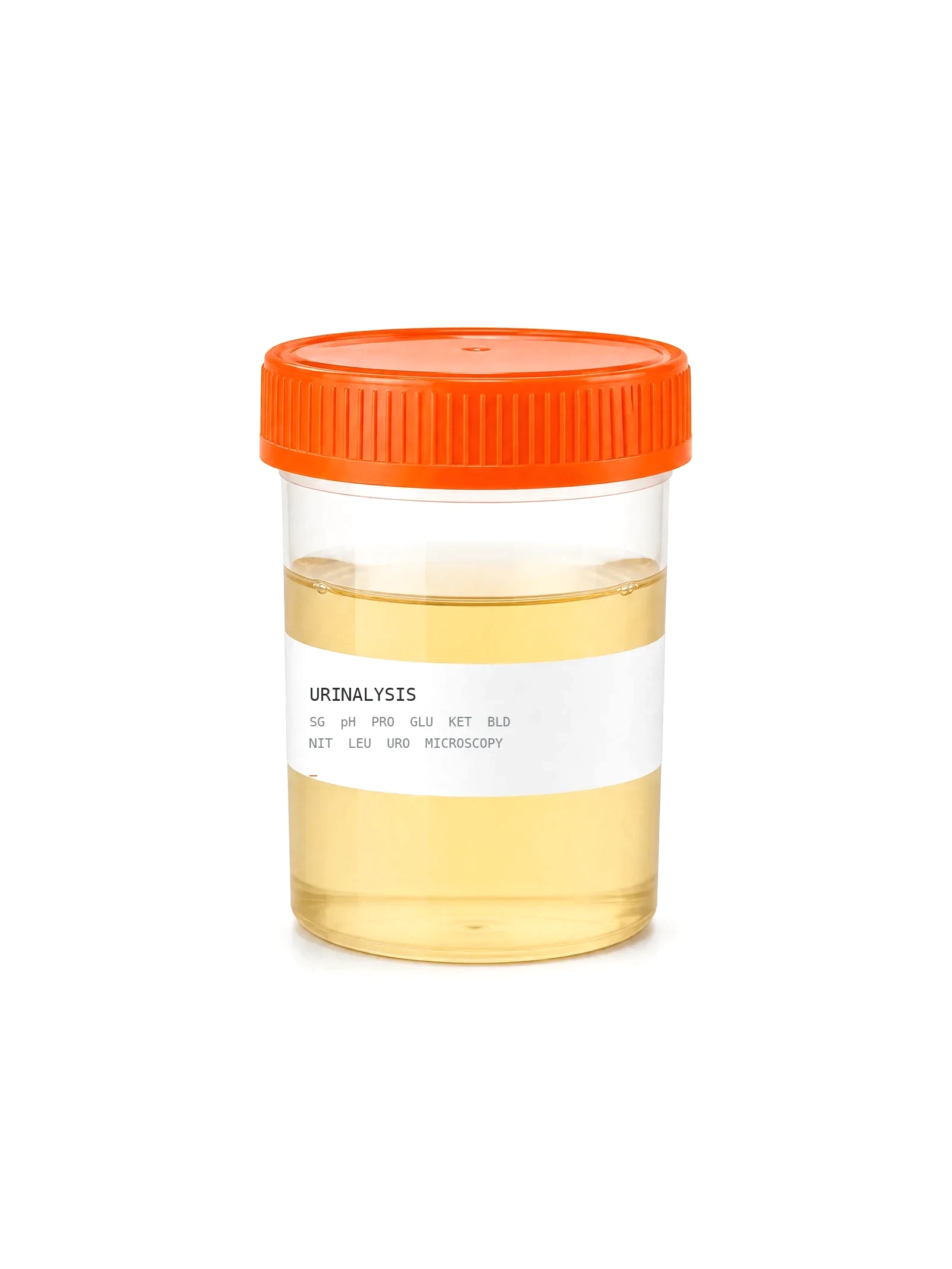
How dehydration shows on a blood test
Serum osmolality, the concentration of dissolved particles in the blood, is the reference test for water-loss dehydration 2. The ESPEN geriatric nutrition guideline defines low-intake dehydration as a measured serum osmolality above 300 mOsm/kg, with 295 to 300 mOsm/kg treated as impending dehydration 23. Osmolality is rarely measured on a routine panel, so it is often estimated from the sodium, glucose and urea (BUN) already there; this estimate is called calculated osmolarity, and it runs close enough to the measured value to compare. ESPEN treats an estimate above 295 as suggesting dehydration 3. Different formulas give answers a few points apart, so a borderline estimate is a reason to ask for osmolality to be measured directly.
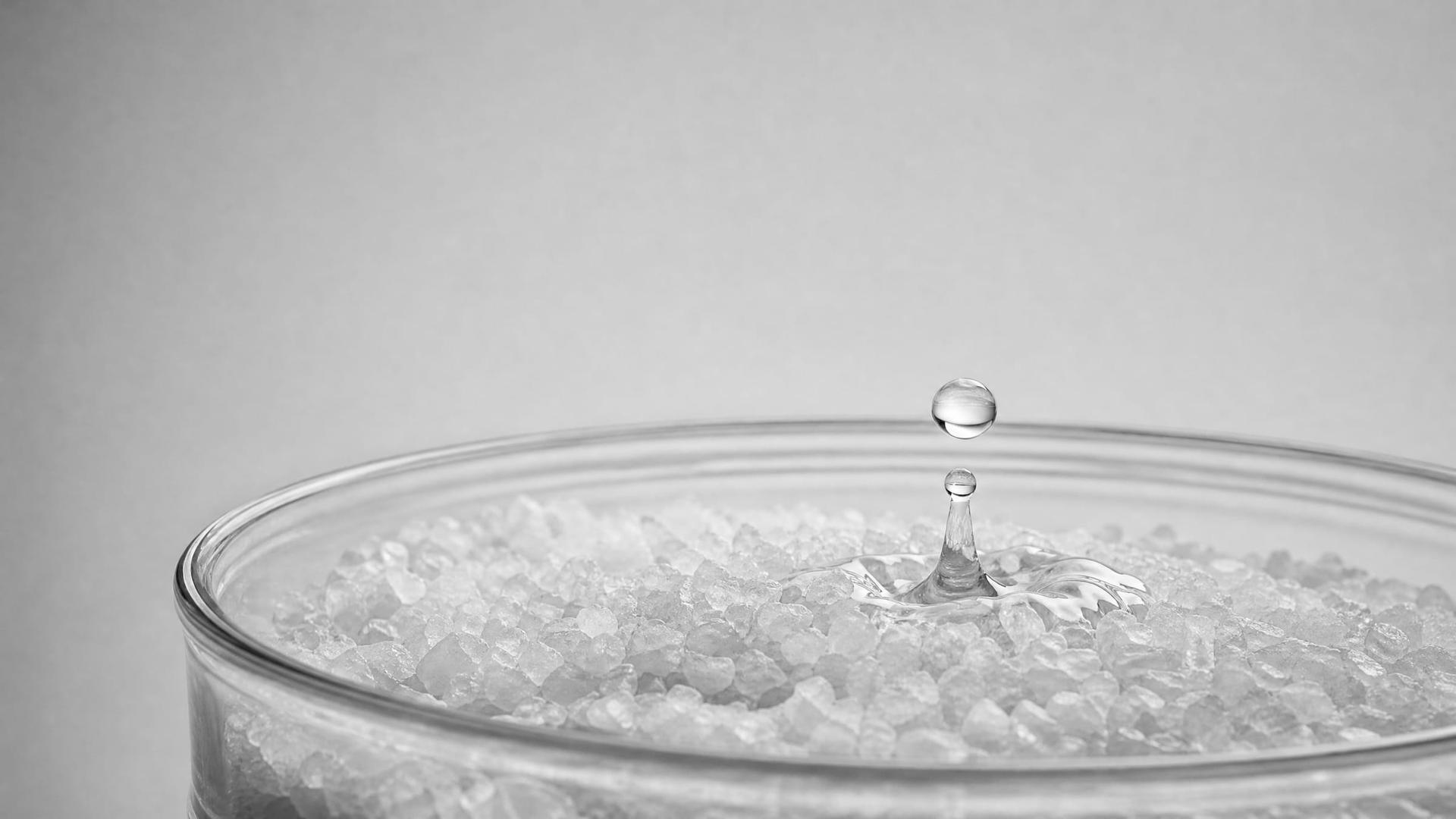 CalculatorSerum osmolality calculatorEstimate calculated osmolarity from the sodium, glucose and BUN on your panel, entered in the US units (mg/dL) your report uses.Work it out
Where an example serum osmolality fallsmOsm/kg
The rest of the pattern comes from an ordinary metabolic panel and blood count. When water leaves the blood, everything that stays behind looks more concentrated, a shift called hemoconcentration, so hematocrit and albumin can read slightly high and fall back once you drink. BUN (blood urea nitrogen, a waste product the kidneys clear) rises, and creatinine rises with it, which lowers eGFR (estimated glomerular filtration rate, the lab's estimate of how well your kidneys filter). A sodium above 145 mmol/L always means too little water for the amount of sodium in the body, which is why it marks water-loss dehydration and not salt-and-water loss 7.
| Marker | Dehydration pattern | Also moved by |
|---|---|---|
| Serum osmolality | Above 300 mOsm/kg | High glucose, alcohol, very high urea; pregnancy lowers it slightly |
| Sodium | Above 145 mmol/L in water loss; often normal or low with diarrhea or vomiting | Diabetes insipidus, salt load; diuretics, overdrinking and pregnancy push it down |
| BUN | Raised | High-protein diet, bleeding in the gut, steroids, kidney disease |
| BUN/creatinine ratio | Above 20 | Gut bleeding, high protein intake, low muscle mass |
| Creatinine and eGFR | Creatinine up, eGFR down, both recover after fluids | Muscle mass, creatine supplements, kidney disease |
| Hematocrit and albumin | Slightly high | Smoking and altitude raise hematocrit |
Behind these numbers, hormones also shift: copeptin (a stand-in for vasopressin, the water-holding hormone), renin and aldosterone rise as the body conserves water and salt. They are specialist tests for sodium disorders, not routine dehydration checks.
Markers that show dehydration on a blood test
Hydration on the day of the draw changes these numbers. Drinking normally the day before and the morning of a blood test, without forcing extra water, gives the truest reading of BUN, creatinine, albumin and hematocrit.
What to do with a flagged result: if you were unwell, hot or not drinking before the test, drink normally and ask the clinician who ordered it about repeating the panel, usually within 1 to 2 weeks. If sodium, BUN or creatinine is still high on the repeat, ask for a urinalysis and a urine albumin test to check the kidneys. A sodium of 150 mmol/L or higher, or any high result with confusion or drowsiness, needs a clinician the same day rather than a repeat. The metabolic panel guide walks through every line.
Free, no accountRead your blood testGot a metabolic panel with a high BUN or sodium? Read every line of it.Read my results
Dehydration or a kidney problem?
A high BUN/creatinine ratio is the classic sign of a prerenal problem, meaning the kidneys are fine but receive too little blood. In the largest study of the ratio, 1,103 emergency patients in Nantes with acute kidney injury, it could not tell prerenal injury from intrinsic kidney injury (damage inside the kidney itself) at all: the area under the curve was 0.5, no better than a coin toss 8. You can work out the ratio with the BUN to creatinine calculator, then ask your doctor about a recheck after you have been drinking normally, which tells far more than the ratio. A creatinine rise with no clear cause such as illness, heat or poor intake should be reviewed by a clinician rather than waited out.
| Points to dehydration | Points to the kidneys | |
|---|---|---|
| Onset | Days, with a clear cause (illness, heat, poor intake) | Gradual, or no obvious trigger |
| After fluids | Creatinine and BUN fall back | Creatinine stays up |
| Urine | Concentrated, no protein or blood | Protein or blood on a dipstick |
| Urine sodium | Low (the kidneys hold on to salt) | Often higher |
If creatinine is still high after a week or two of normal drinking, bring it to your doctor and ask about repeating it with a cystatin C and a urine albumin test. The kidney function guide explains what they may check next, and the eGFR calculator turns creatinine into a filtration estimate. Muscle mass and supplements also move creatinine: creatine raises blood creatinine because muscle breaks it down, which can look like dehydration or kidney injury on a panel, so tell whoever orders the test that you take it. Cystatin C vs creatinine covers the test that muscle does not affect, and a urine sodium result helps a clinician decide which column you are in.
How to treat dehydration at home
- 1Mild, no ongoing lossesDrink water and other everyday drinks through the day until your urine is pale again. Food counts too: about a fifth of daily water comes from food 10.
- 2Diarrhea, vomiting or heavy sweatingOral rehydration solution replaces sodium as well as water. Its small amount of glucose switches on a gut transporter that carries sodium into the body, and water follows the sodium, so ORS is absorbed better than plain water when the gut is irritated.
- 3If you are vomitingTake small sips every few minutes. A stomach that rejects a full glass often keeps down a spoonful at a time. If nothing stays down for several hours, or you see blood in vomit or black stool, get urgent care.
- 4Babies and childrenFor children under 5 with gastroenteritis, NICE advises low-osmolarity ORS, carrying on with breastfeeding, and avoiding fruit juice and fizzy drinks, which can make diarrhea worse 5. Ask a pharmacist or doctor about the amount for your child's weight. Get urgent care for a baby under 3 months with diarrhea, vomiting or fever, no wet diaper for 6 hours, a sunken soft spot, or unusual drowsiness.
- 5Do not overcorrectDrinking far beyond what you lose, especially plain water during long exercise or a stomach bug, can drop blood sodium dangerously. Drink to thirst and watch your urine color.
Coffee and tea count toward your fluid. In a 2016 trial comparing 13 drinks, ORS and milk were retained in the body longer than water over four hours, while coffee, tea and lager were retained no differently from water 6.
When to get urgent help
- Confusion, unusual drowsiness or a sudden change in behavior.
- Fainting, or dizziness that does not ease when lying down.
- No urine for 8 hours in an adult, or no wet diaper for 6 hours or more in a baby.
- Being unable to keep any fluid down.
- Blood in vomit or stool, or black stool.
- A racing heartbeat or fast breathing at rest.
- Sunken eyes, or a sunken soft spot on a baby's head.
- Any baby under 3 months with diarrhea, vomiting or fever.
Severe dehydration is treated in hospital with intravenous fluids. When blood sodium is very high, doctors lower it slowly over a day or more, because correcting high sodium too fast can cause brain swelling 7. That risk is one reason severe dehydration with confusion is not a situation to fix at home by drinking large volumes.
How much water do you need?
| Source | Women, total water a day | Men, total water a day |
|---|---|---|
| EFSA (European Food Safety Authority, 2010) 10 | 2.0 L | 2.5 L |
| US Institute of Medicine (2005) 11 | 2.7 L | 3.7 L |
Both figures are total water, including the roughly 20% that comes from food, and both assume a temperate climate and light activity 1011. Needs rise with heat, exercise, fever, pregnancy and breastfeeding, and people prone to kidney stones are usually advised to drink more. For most healthy adults, thirst and pale urine are a good enough guide. Older adults, whose thirst signal is weaker, often do better drinking at set times, such as a glass with each meal and between meals. For long exercise, a 2015 consensus statement led by Tamara Hew-Butler recommends drinking to thirst, because drinking beyond sweat losses is the main cause of exercise-associated low sodium 9.
 CalculatorWater intake calculatorEstimate a daily target from your weight, activity and the heat you are in.Work it out
Get urgent medical help for confusion, fainting, no urine for 8 hours, no wet diaper for 6 hours in a baby, being unable to keep fluids down, or blood in vomit or stool. If you have heart failure, kidney disease or cirrhosis, or take diuretics or SGLT2 inhibitors, follow your care team's fluid advice rather than general drinking guidance, and do not stop or change those medicines without asking your prescriber.
Citations
- Bhave G, Neilson EG. Volume depletion versus dehydration: how understanding the difference can guide therapy. Am J Kidney Dis. 2011;58(2):302-309.
- Hooper L, Abdelhamid A, Attreed NJ, et al. Clinical symptoms, signs and tests for identification of impending and current water-loss dehydration in older people. Cochrane Database Syst Rev. 2015;(4):CD009647.
- Volkert D, Beck AM, Cederholm T, et al. ESPEN guideline on clinical nutrition and hydration in geriatrics. Clin Nutr. 2019;38(1):10-47.
- Sawka MN, Burke LM, Eichner ER, et al. American College of Sports Medicine position stand: exercise and fluid replacement. Med Sci Sports Exerc. 2007;39(2):377-390.
- NICE. Diarrhoea and vomiting caused by gastroenteritis in under 5s: diagnosis and management (CG84). 2009.
- Maughan RJ, Watson P, Cordery PA, et al. A randomized trial to assess the potential of different beverages to affect hydration status: development of a beverage hydration index. Am J Clin Nutr. 2016;103(3):717-723.
- Sterns RH. Disorders of plasma sodium: causes, consequences, and correction. N Engl J Med. 2015;372(1):55-65.
- Manoeuvrier G, Bach-Ngohou K, Batard E, et al. Diagnostic performance of serum blood urea nitrogen to creatinine ratio for distinguishing prerenal from intrinsic acute kidney injury in the emergency department. BMC Nephrol. 2017;18(1):173.
- Hew-Butler T, Rosner MH, Fowkes-Godek S, et al. Statement of the Third International Exercise-Associated Hyponatremia Consensus Development Conference, Carlsbad, California, 2015. Clin J Sport Med. 2015;25(4):303-320.
- EFSA Panel on Dietetic Products, Nutrition and Allergies. Scientific opinion on dietary reference values for water. EFSA J. 2010;8(3):1459.
- Institute of Medicine. Dietary Reference Intakes for Water, Potassium, Sodium, Chloride, and Sulfate. Washington, DC: National Academies Press; 2005.
- World Health Organization. Oral rehydration salts: production of the new ORS. WHO/FCH/CAH/06.1. Geneva: WHO; 2006.
- Kenney WL, Chiu P. Influence of age on thirst and fluid intake. Med Sci Sports Exerc. 2001;33(9):1524-1532.
- Killer SC, Blannin AK, Jeukendrup AE. No evidence of dehydration with moderate daily coffee intake: a counterbalanced cross-over study in a free-living population. PLoS One. 2014;9(1):e84154.
Educational context only, not medical advice or a diagnosis. Always discuss your results with a clinician.