CalculatorsBody and fitnessOne-leg balance test
One-leg balance test
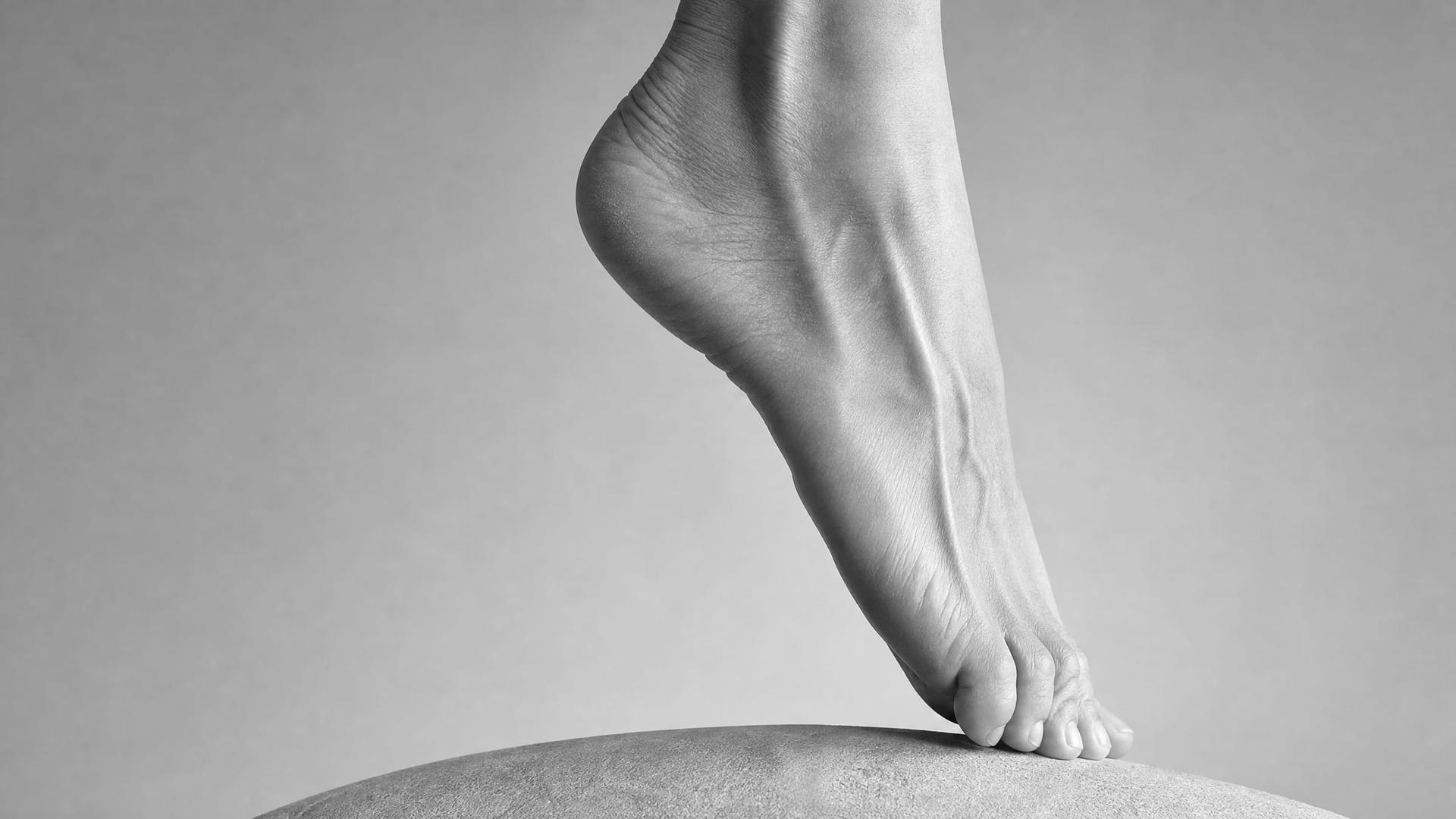
Stand on one leg, eyes open, hands on hips. The seconds say something about how you are ageing.
30s
Below the average for your age
Under the average of about 37 seconds for your age. Balance improves with practice.
- Average for your age
- about 37 s
- Your time as a share of it
- 81%
See the working
Best of three tries, eyes open, compared with published averages by age decadeThe averages
In healthy adults, the average time on one leg with eyes open falls with age: about 43 seconds under 40, 37 in the 50s, 27 in the 60s and 15 in the 70s (Springer 2007).
The 10-second test
In a study of 1,702 adults aged 51 to 75, those who could not stand 10 seconds on one leg had a higher risk of dying over the following 7 years, even after age, sex and health conditions were counted (Araujo 2022). It is a marker, and balance improves with practice.
Questions
How long should I be able to stand on one leg?
Most adults under 60 manage well over 30 seconds; the averages fall with age.
Can I improve my balance?
Yes: regular single-leg practice and strength training improve it at any age.
Sources
- Springer BA et al. Normative values for the unipedal stance test with eyes open and closed. Journal of Geriatric Physical Therapy, 2007.
- Araujo CG et al. Successful 10-second one-legged stance performance predicts survival in middle-aged and older individuals. British Journal of Sports Medicine, 2022.
Written by LifeFrom from the sources above, and not yet reviewed by a clinician. An estimate for your own understanding: it doesn't diagnose or treat anything, and it doesn't replace your doctor.